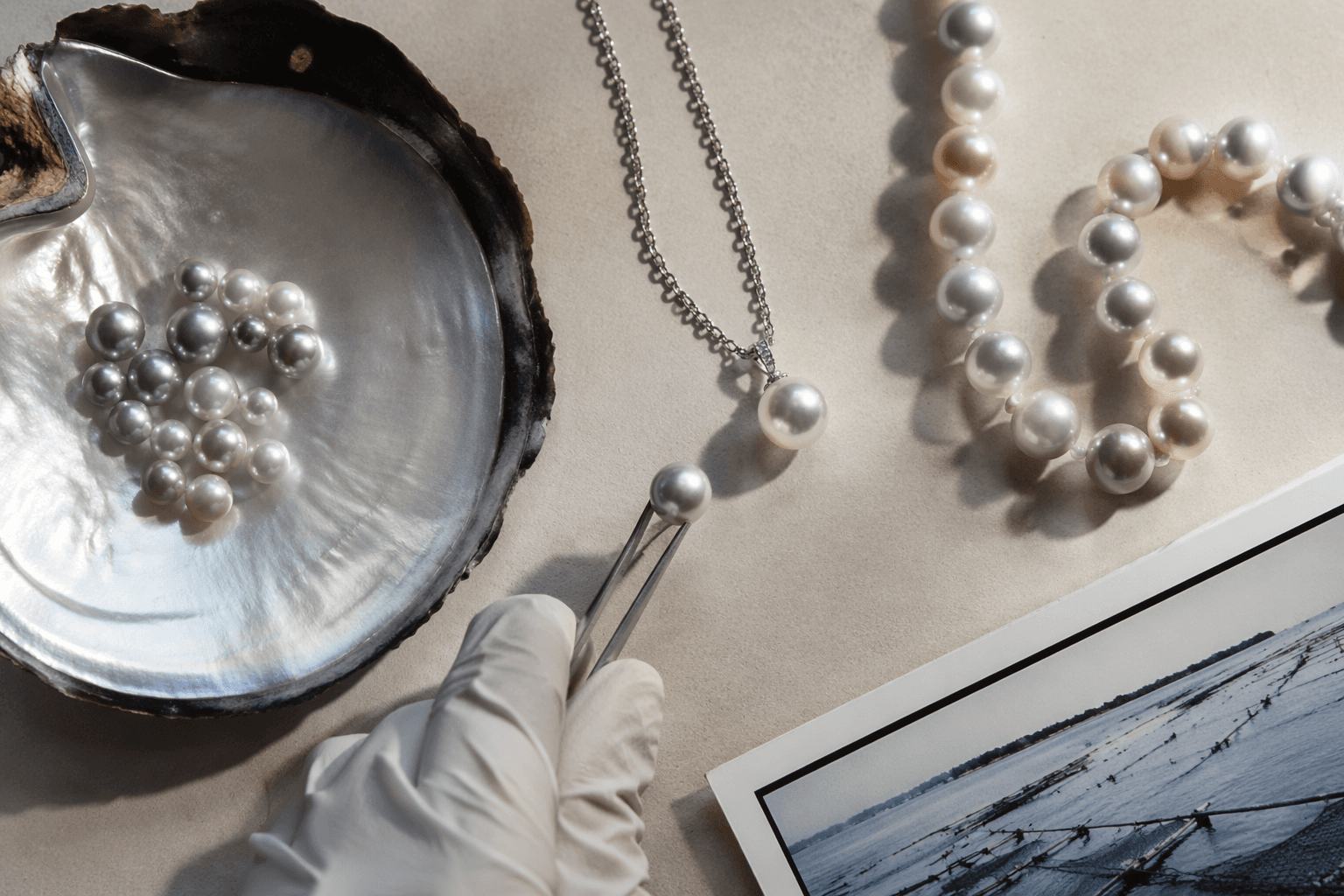
GIA Examines Unusual 8.98-Carat White Pearl, Likely Atypical Bead-Cultured
GIA’s Mumbai lab found an 8.98-carat white pearl that looked cultured on the outside but defied a standard internal reading. Its unusual nucleus may be what makes the stone more than a curiosity.
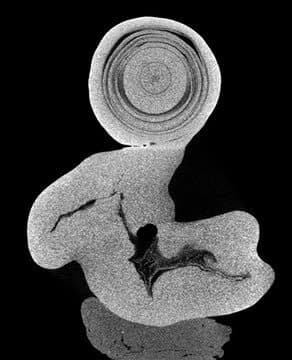
The pearl’s value sits not just in its 8.98-carat weight, but in the fact that it forced GIA to look beyond the usual script for a saltwater gem. The undrilled white semi-baroque pearl, measuring 11.31 by 10.75 by 10.30 mm, arrived at GIA’s Mumbai laboratory with dents and wrinkles on its surface, the kind of external signs that often point toward culturing. Inside, however, it refused to behave like a routine example.
GIA’s exam moved from standard observation to imaging because the internal structure did not match the pattern expected of a typical natural or cultured pearl of that size. Real-time X-ray microradiography showed a tight interior with uniform opacity and no growth features normally seen in pearls this large. -CT imaging then revealed only a subtle round demarcation, enough to suggest a possible bead nucleus but not enough to name the material with confidence.
That uncertainty is exactly where identification turns into market relevance. GIA concluded the pearl was likely bead cultured, but atypical, and said the nucleus material remained inconclusive. The stone reacted inertly under XRF, confirming a saltwater origin, yet it did not show the weak yellowish-green fluorescence often seen in typical white saltwater bead-cultured pearls. In many conventional examples, that fluorescence is tied to trace manganese in freshwater shell beads. Its absence here points to an unconventional nucleus, possibly a saltwater shell bead or another organic material.
That matters because marine bead-cultured pearls are usually nucleated with freshwater Mississippi mussel shell, a long-established practice that helps gem labs and buyers understand what they are looking at. The scientific literature GIA cites shows how far producers have pushed beyond that baseline, using alternative nuclei such as different shells, Bironite, laminated or powdered shell, freshwater cultured pearls, natural pearls, and organic nuclei. In other words, the line between an ordinary cultured pearl and a technically unusual one can be thinner, and more valuable, than its surface suggests.
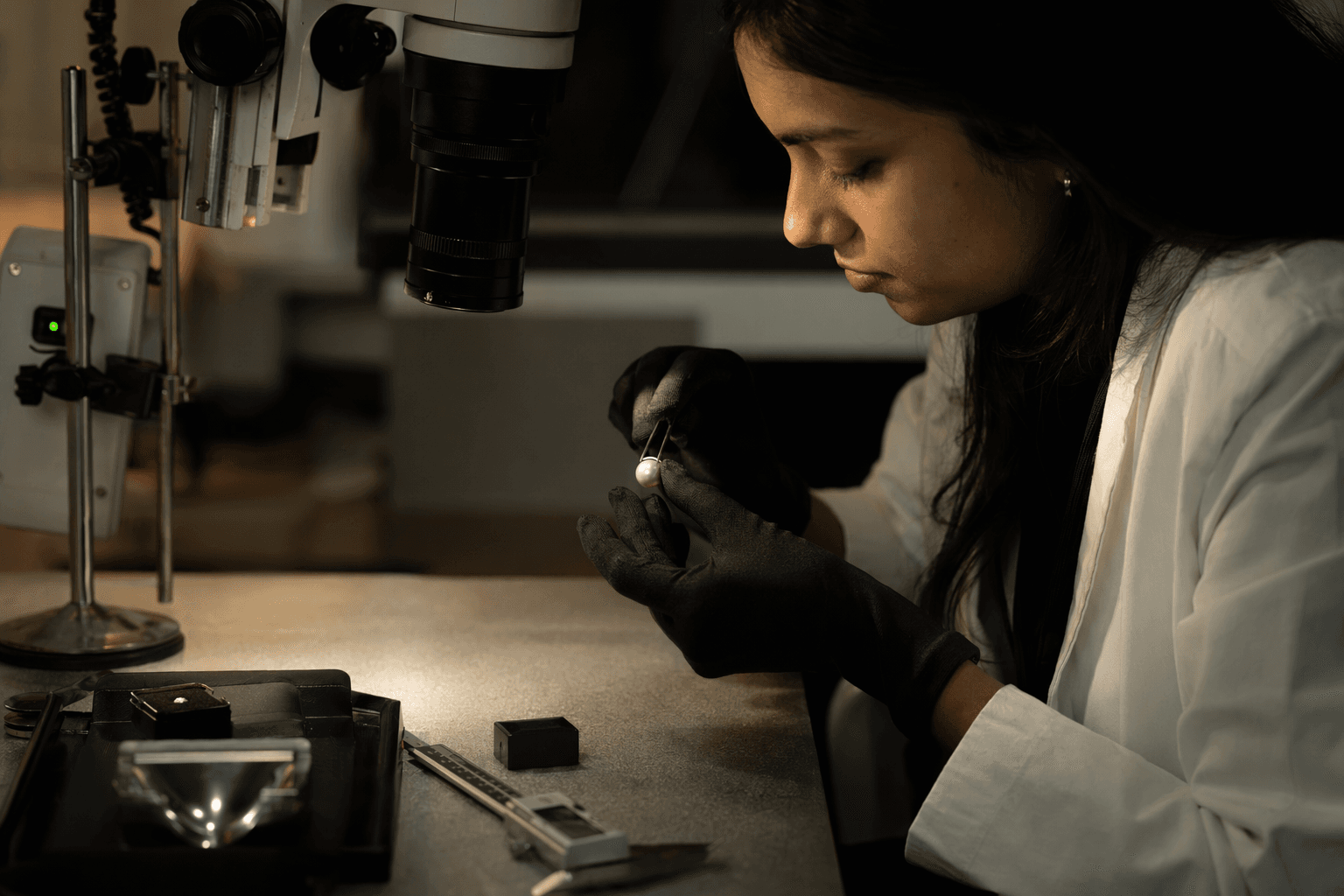
For buyers, provenance and confidence depend on that distinction. A pearl with a conventional bead is one thing; a pearl whose nucleus remains unresolved after advanced imaging is another. GIA’s Mumbai service relies on both standard and advanced instruments, including real-time microradiography, precisely to separate natural from cultured pearls and to assess treatments when appearances are deceptive. In a field where small differences in structure can change how a gem is categorized, priced, and collected, this 8.98-carat white pearl is a reminder that the most interesting pearls are often the ones that resist easy labeling.
This article was produced by Prism’s automated news system from verified source data, official records, and press releases, then run through automated quality and moderation checks before publishing. The system is built and supervised by the people who set the standards it runs under. Read our full AI policy.
Did this article answer your question?