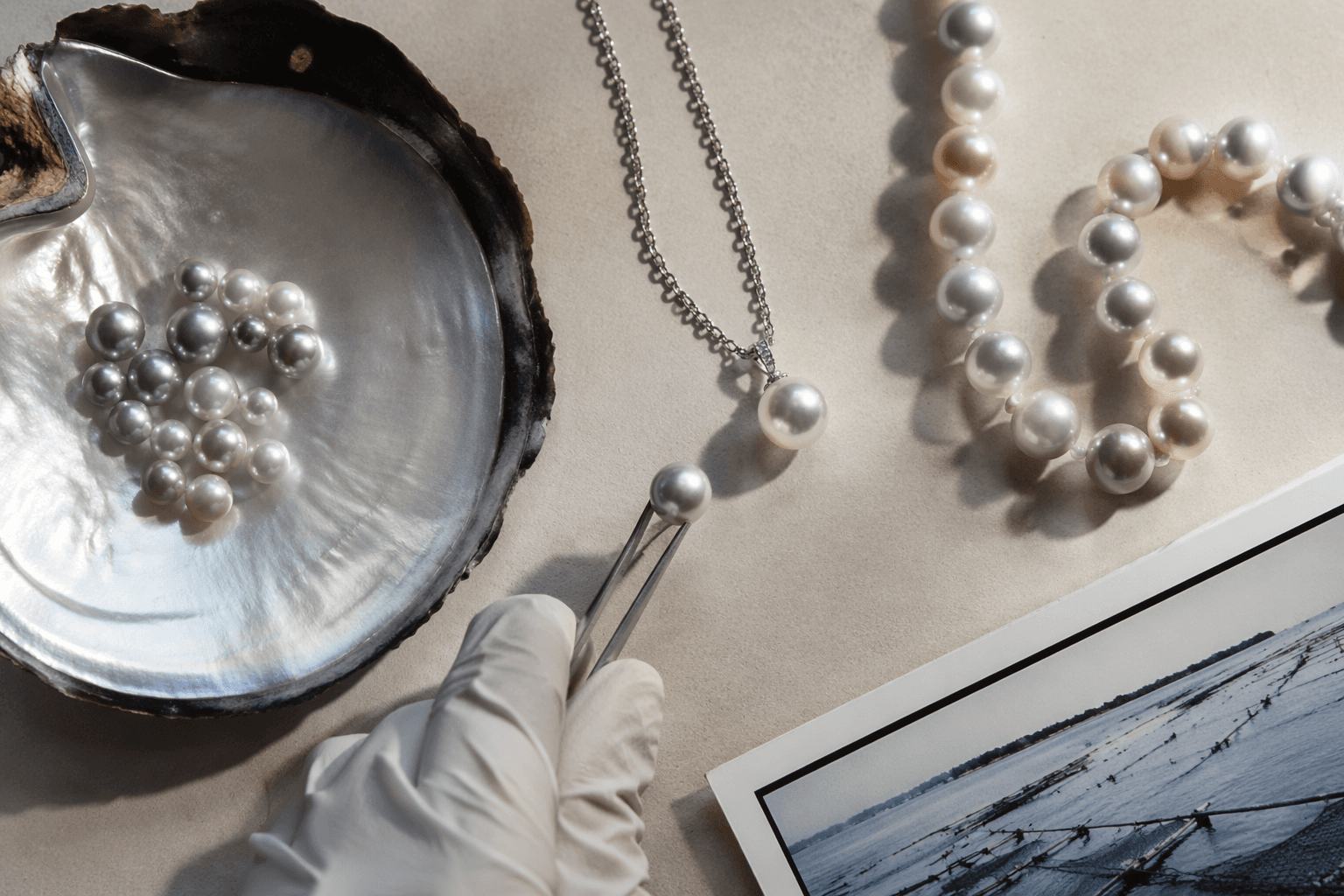
From Mikimoto to Climate Change, Pearl Trade Evolves
Mikimoto turned pearls into a cultured luxury, and climate strain is now reshaping supply, value, and what buyers must verify.
The breakthrough that remade the market
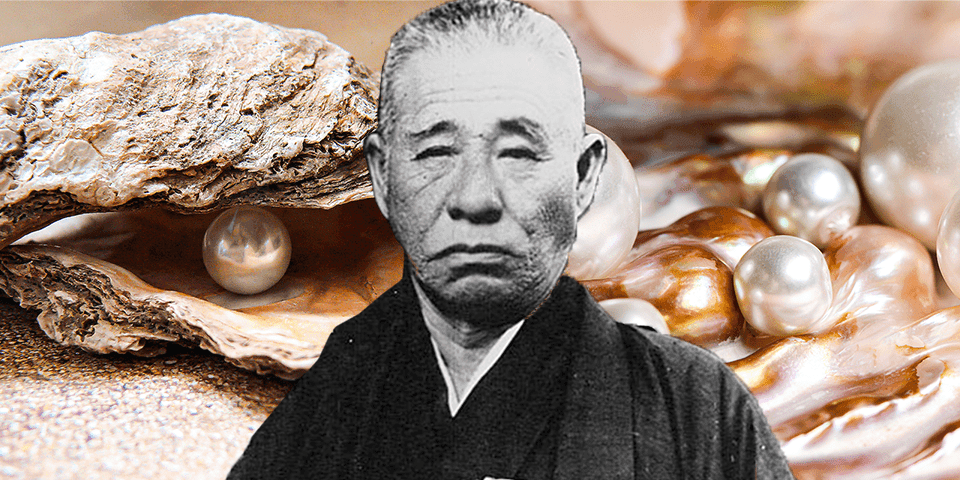
Pearls stopped being a matter of luck the moment Kokichi Mikimoto proved they could be cultured, and that shift still defines the trade. Before then, pearls were wild-harvested luxuries drawn from places like the Persian Gulf, with the finest examples commanding extraordinary prices. In 1893, Mikimoto succeeded in culturing five semi-spherical pearls using akoya oysters in Japan, setting off a business model that turned a scarce natural treasure into a scalable luxury category.
That change did not happen in a vacuum. By 1905, pearls were front and center at the World’s Fair in St. Louis, by 1927 Mikimoto had opened New York offices, and by 1929 pearl imports to America had reached $10 million before the stock market crash knocked the market flat. The Depression years were brutal, with banks foreclosing on pearl stocks that had been used as loan collateral. Yet the category kept rebuilding, and JCK describes today’s cultured pearl business as a $1.3 billion industry.
What buyers are really paying for now
The modern pearl market is no longer just about whether a strand is “good” or “bad.” GIA says value comes down to seven factors: size, shape, color, luster, surface quality, nacre quality, and matching for pieces with multiple pearls. Round pearls are the hardest to culture and therefore usually the rarest, while larger South Sea pearls carry a premium because the host mollusk itself is larger than the Japanese saltwater oyster used for many akoya pearls.
Just as important is the distinction between natural and cultured pearls, because that line still shapes price, rarity, and collecting value. GIA defines natural pearls as forming in the wild without human intervention, and says most natural pearls in the market today are antique. Cultured pearls are grown in farms through human intervention, in both saltwater and freshwater mollusks, and they make up the vast majority of the market. For buyers, that means “real pearl” and “natural pearl” are not the same thing, and a seller who blurs the distinction is selling romance, not clarity.
Why availability is tightening
If pearls once seemed abundant because cultured production made them more accessible, the trade is now facing the opposite pressure. In 2023, Mikimoto’s Noriko Otsuka said U.S. demand was rising, availability was more limited, and prices had been increased by 30 percent in response to shortage. A year later, Japan’s pearl exporters were still describing a constrained supply picture, with low labor availability likely to keep Japanese akoya production small for the next two to three years.
Climate stress is part of that squeeze. In Ago Bay, the historic heart of Japan’s akoya trade, rising sea temperatures are weakening oysters, and one farmer lost 80 percent of his juvenile oysters to a novel strain of birnavirus. That same reporting says water temperatures in Japan have risen by 2.4 degrees over the last century, and that 2023 pearl production fell to 13.2 tons, the lowest level since records began in 1956. Even as output shrank, demand stayed strong, with Japan exporting $290 million worth of pearls last year, most of it to Hong Kong buyers.
How farms are adapting to a harder ocean
The pearl business is becoming a climate-sensitive aquaculture trade, not just a heritage luxury. Japan’s pearl exporters say the country is using 10-year genomic research on akoya oysters to help produce healthier oysters and finer-quality pearls, while farmers are modernizing techniques and tightening quality control. Elsewhere in the trade, industry leaders are talking more openly about safeguarding oyster survival, preserving genetic diversity, and maintaining production in ways that can withstand heat, disease, and shifting marine conditions.
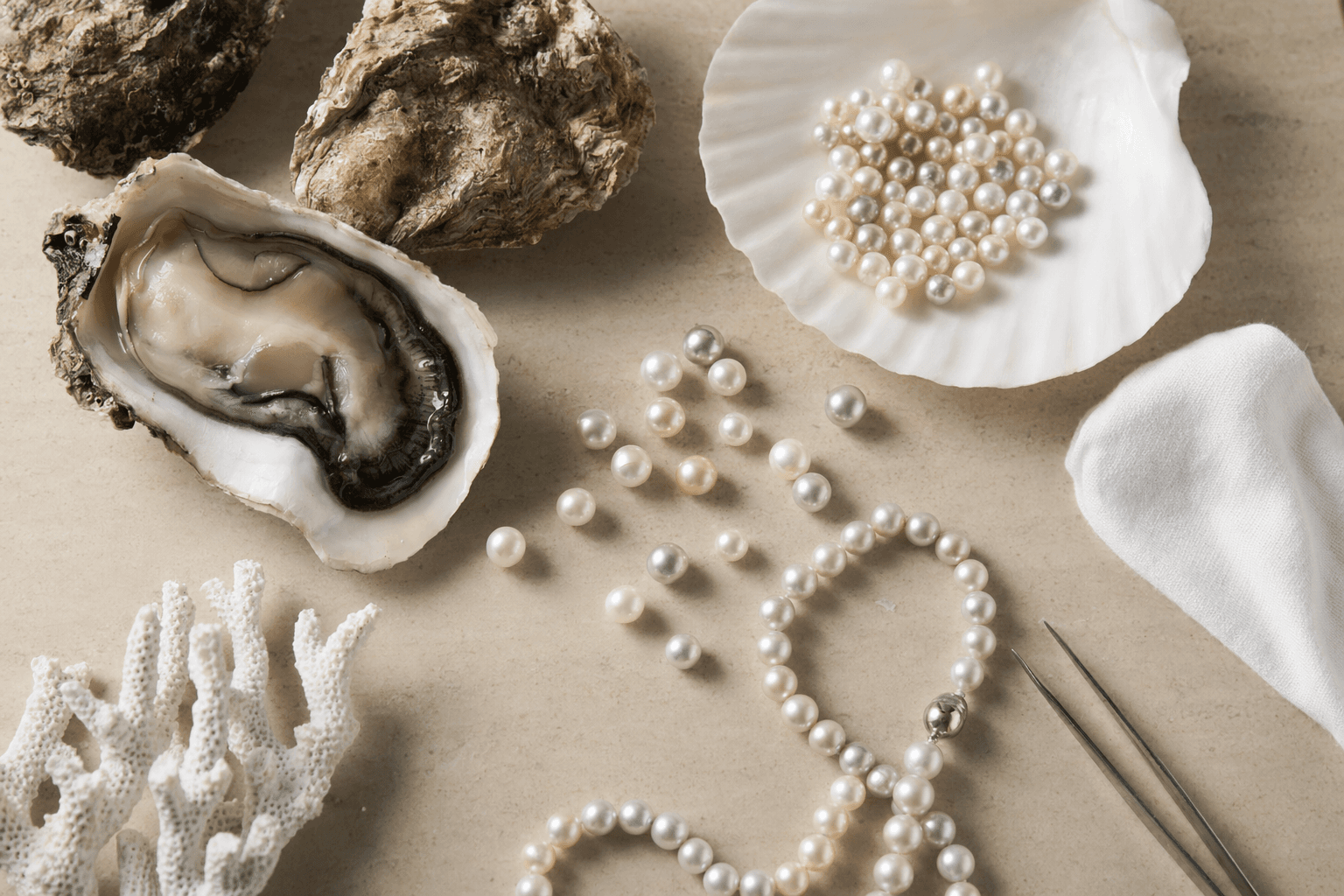
That future could reshape how farms select and breed their stock. The same climate pressure that is testing oyster survival is also pushing breeders toward more disease-tolerant and heat-resistant lines, a response that would have sounded futuristic only a few years ago. For buyers, that matters because tomorrow’s pearl supply may depend as much on genomics and farm management as on the old virtues of luster and roundness.
How to read the paperwork, not just the sparkle
Pearls need documentation as much as they need polish. GIA’s pearl reports can identify whether a pearl is natural or cultured, note whether it formed in saltwater or freshwater, record the mollusk when it can be determined, and list detectable treatments. In 2024, GIA also began including traceability information for cultured pearls after a batch of akoya, South Sea, and Tahitian pearls embedded with RFID chips was submitted for reporting. That is the kind of evidence that gives a pearl story real weight, because it can be checked rather than merely asserted.
- Ask for a GIA Pearl Identification or Classification Report, not just a verbal promise.
- Ask whether the pearl is akoya, South Sea, Tahitian, or freshwater, and whether it is natural or cultured.
- If a seller claims traceability, ask how the pearl was tracked from farm to market and whether RFID or another chain-of-custody system was used.
- If a brand uses the word “responsible,” ask for the named farm, the standard, and the proof. RJC is a broad jewelry-industry sustainability standard with more than 2,000 member companies, but it is not a pearl-specific origin certificate.
The new pearl story
Pearls still carry the old glamour of a strand worn close to the skin, but the trade behind them has changed decisively. Mikimoto’s breakthrough made pearls attainable at scale, and climate pressure is now making the best ones more selective, more valuable, and harder to secure. The most compelling pearls today are not just beautiful. They are documented, farmed under pressure, and increasingly shaped by the health of the ocean itself.
This article was produced by Prism’s automated news system from verified source data, official records, and press releases, then run through automated quality and moderation checks before publishing. The system is built and supervised by the people who set the standards it runs under. Read our full AI policy.
Did this article answer your question?