DANAT and AGU Advance Blue Carbon Study of Bahraini Pearls
DANAT and AGU are tying Bahraini pearls to blue carbon science, testing whether oyster beds and seagrass can become a new proof point for provenance and sustainability.
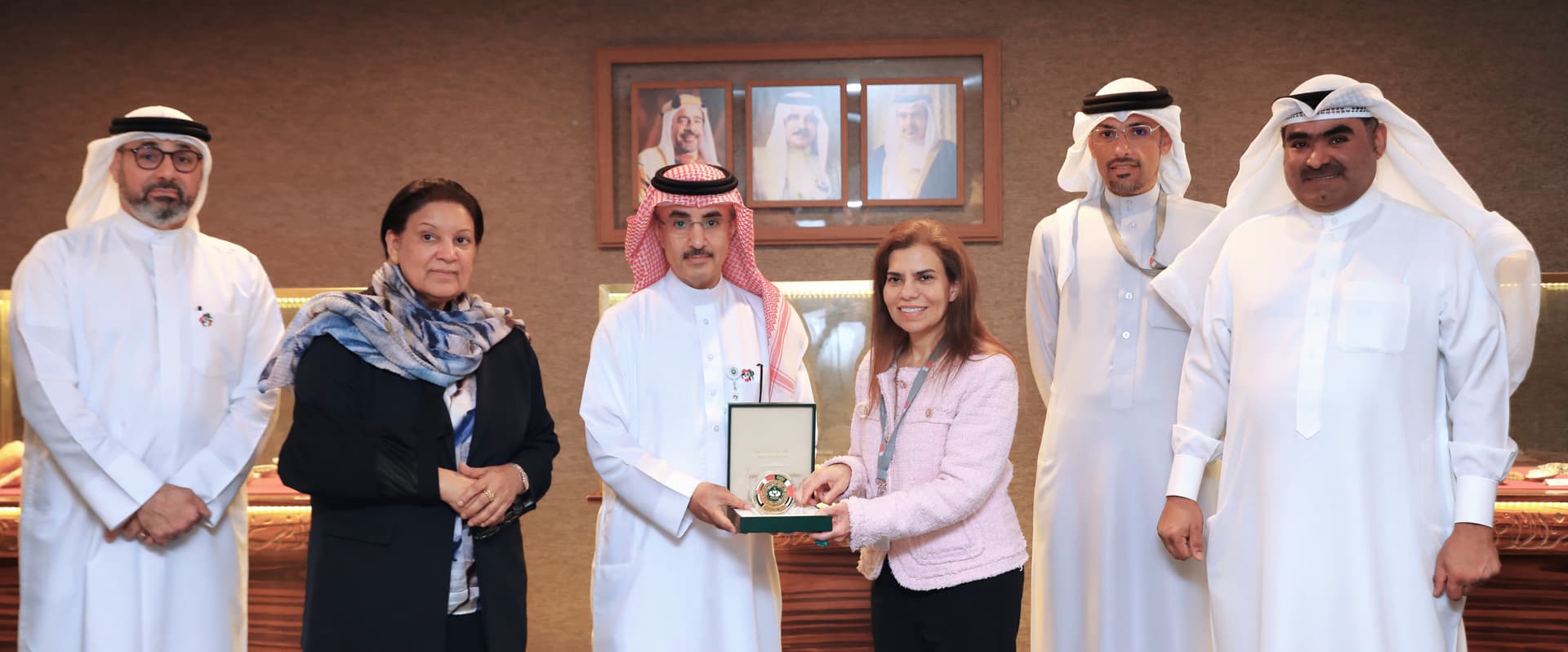
Blue carbon is starting to matter to pearls in a new way in Bahrain. At DANAT’s laboratory, a delegation from Arabian Gulf University reviewed work that measures the carbon-sequestration capacity of pearl-oyster habitats and seagrass meadows, while natural pearl testing was already underway in the same labs. For a category that depends on provenance as much as beauty, the study pushes Bahraini pearls beyond ornament and into measurable marine science.
Dr. Saad bin Saud Al-Fuhaid, president of AGU, led the delegation, and Noora Jamsheer, DANAT’s chief executive, received the group. The visit underscored a continuing collaboration between the two institutions on how climate change is affecting pearl oysters and seagrass in Bahrain. AGU said the project sits under the strategic framework of the Academic Chair of His Highness Shaikh Hamad bin Khalifa Al Thani in Geographic Information Systems, and that research work had been scheduled to begin in February when the project was first announced.
The study goes well beyond a simple habitat survey. DANAT said it includes calculating blue carbon stocks in pearl-oyster beds, including oyster shells and tissues, while also assessing natural pearls as a renewable marine resource. It examines the density and structure of benthic and planktonic communities, and measures how climate change affects oyster growth and long-term resilience. AGU said the project also aims to isolate and store marine organisms and build a modern environmental baseline that can support marine-resource sustainability and strengthen the global standing of Bahraini pearls.
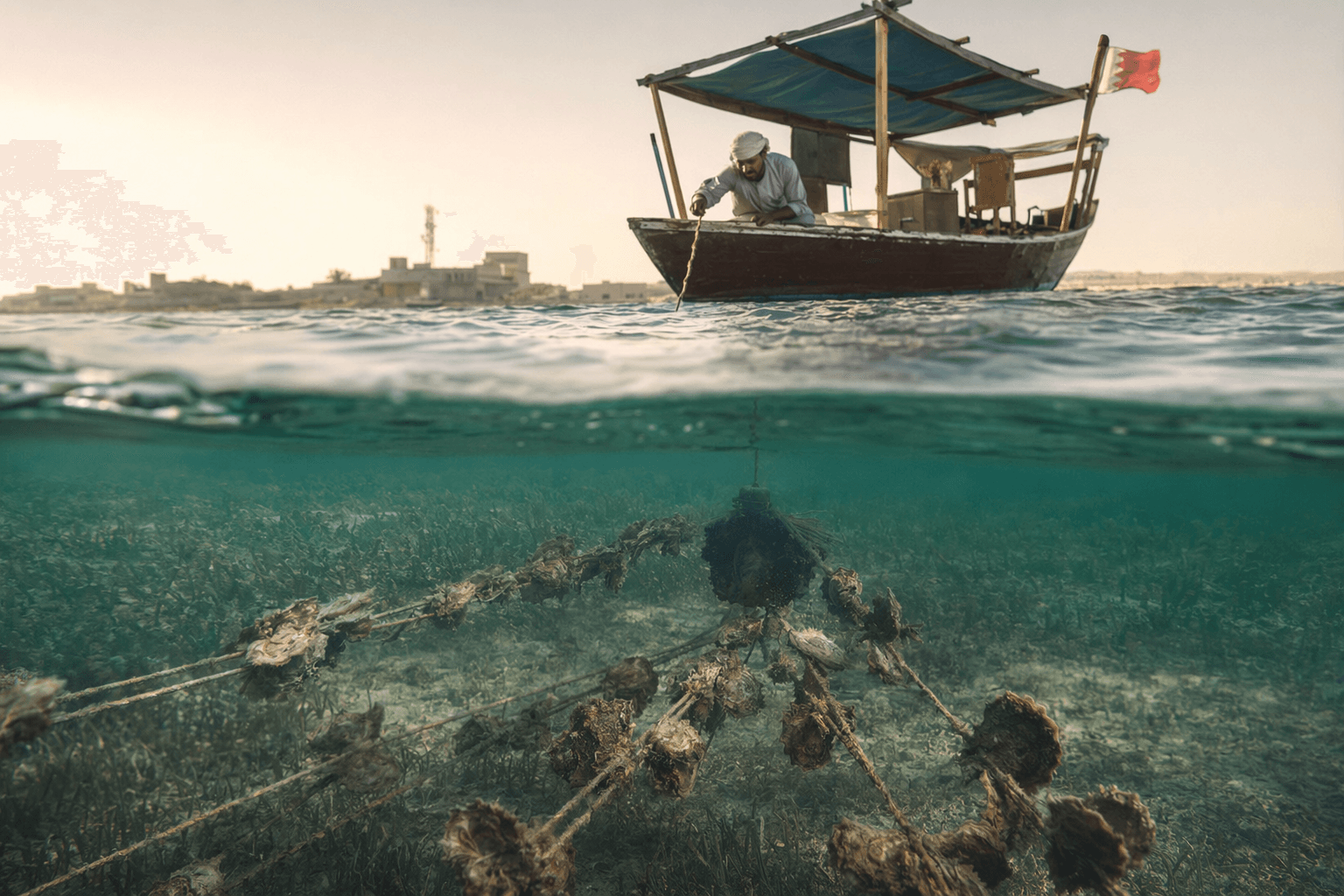
That matters because DANAT has spent years building the scientific scaffolding around Bahrain’s pearling sector. In 2022, DANAT and Bahrain’s Supreme Council for Environment completed the first phase of a study on the state of Bahrain’s pearl oyster beds, work that followed the 2017 National Plan to Revitalize the Pearl Sector. AGU and DANAT first launched climate-focused research in 2024 on the distribution and abundance of pearl oysters and seaweed in Bahrain, and the new blue carbon project extends that agenda from species mapping into carbon accounting.
DANAT, established in 2017, describes itself as the global reference laboratory for natural pearl certification. That claim carries more weight when paired with research that can document the ecosystems behind the gems themselves. If blue carbon accounting becomes part of how pearl-producing regions are evaluated, Bahrain’s natural pearls could be judged not only by lustre and origin, but by the health of the waters that formed them.
This article was produced by Prism’s automated news system from verified source data, official records, and press releases, then run through automated quality and moderation checks before publishing. The system is built and supervised by the people who set the standards it runs under. Read our full AI policy.
Did this article answer your question?