GIA Updates Pearl Grading, FTC Highlights Value and Disclosure Rules
Pearl prices turn on seven value factors, and the real luxury test is luster, nacre, and disclosure, not marketing gloss.
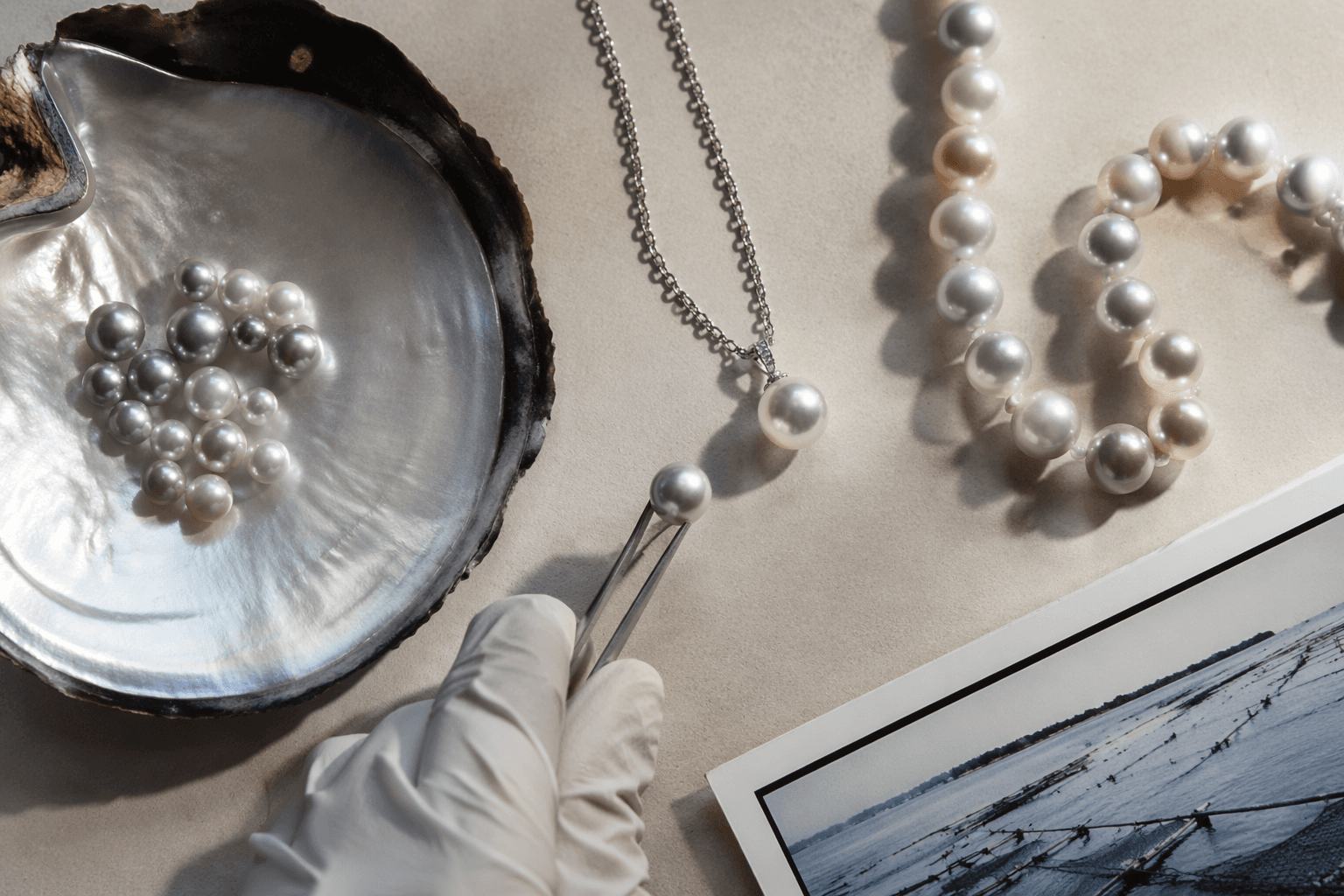
Pearls can look deceptively simple until you start comparing two strands side by side. GIA’s framework makes the difference plain: size, shape, color, luster, surface quality, nacre quality, and, when there are two or more pearls, matching are what separate an ordinary piece from one that justifies a higher price.
Why grading matters before you buy
That matters because pearls are not priced like a single gemstone with one dominant trait. Their value is layered, and the trade has long understood that a brilliant sheen or a beautifully matched strand can carry more weight than a larger pearl with uneven finish or weak light return. GIA has been a leader in identifying and classifying natural and cultured pearls since 1949, and its pearl guidance gives shoppers something more useful than romance language: a way to judge quality with discipline.
GIA’s Cultured Pearl Classification Report is designed for unmodified cultured pearls, whether they are loose, mounted, or strung. It classifies them using the GIA 7 Pearl Value Factors and includes a digital image of the submitted item or items, which is especially valuable when you are comparing a purchase online with what arrives in the box. That combination of grading and imaging gives buyers a clearer reference point when the seller’s language is vague and the price is doing most of the talking.
The seven factors, translated into real shopping terms
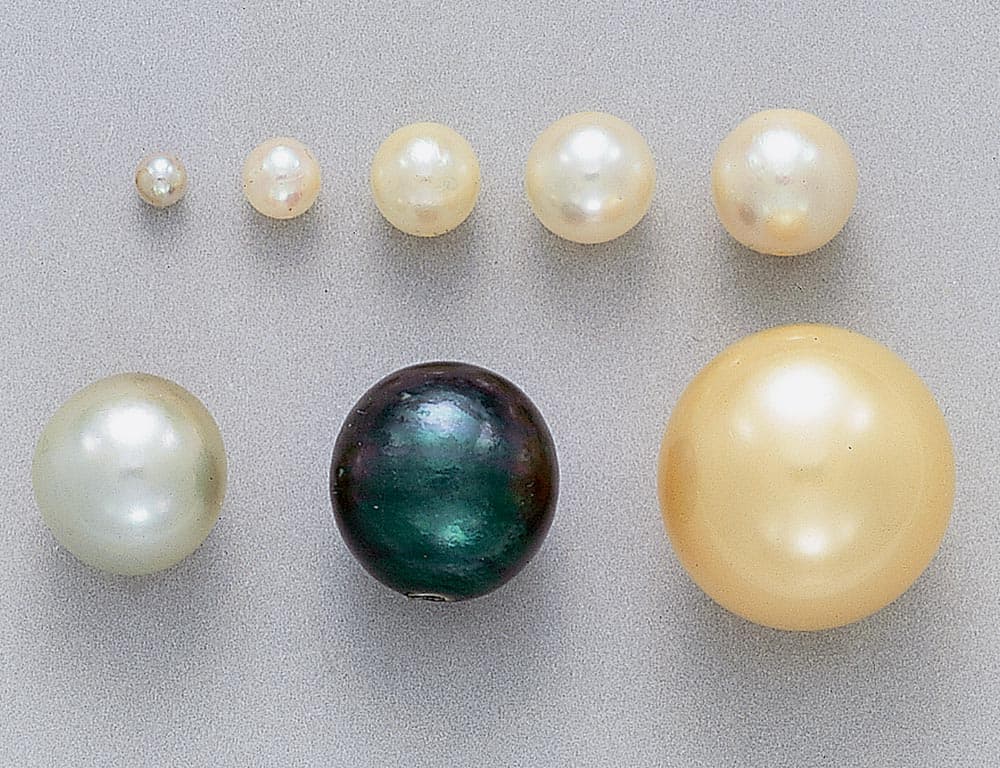
Size is the easiest factor to understand and often the first one to catch the eye, but bigger is not automatically better. A pearl that is large but dull, scarred, or poorly matched can feel less luxurious than a smaller one that glows from the skin upward.
Shape is equally important. Perfectly round pearls tend to command premium prices because they are harder to produce and easier to match, but baroque or semi-round pearls can be more compelling when the design is intentional and the surface quality is high. In other words, shape should be judged in context, not by a blanket rule that only round means valuable.
Color is where marketing language often gets slippery. Overtones, bodycolor, and names meant to suggest rarity can make ordinary pearls seem more special than they are, but color alone never tells the whole story. Luster is the trait that often gives a pearl its emotional pull, that crisp, reflective life that makes it look lit from within rather than merely polished on top.
Surface quality is the easiest place to spot compromise. Clean surfaces usually read as more refined and more durable-looking, while pits, bumps, and abrasions can quickly lower the impression of quality. Matching becomes decisive in strands, earrings, and multi-pearl designs, because even beautiful individual pearls can look uneven when their size, color, luster, or shape does not harmonize.
The nacre update that matters more than it sounds
GIA recently expanded its nacre classification on pearl reports into five ranges: Excellent, Very good, Good, Fair, and Poor. That sounds technical, but the practical meaning is straightforward: nacre thickness and continuity affect durability, and they also influence size, shape, luster, and surface quality.
That makes nacre one of the most important places to spend attention, especially if you are choosing a pearl you plan to wear often. Thin or uneven nacre can weaken the pearl’s visual depth and shorten its useful life, while better nacre supports the look buyers usually pay for in the first place, a fuller body, better glow, and a more convincing sense of quality. If a salesperson leans heavily on color or size but avoids discussing nacre, that is a signal to slow down.
What the FTC wants shoppers to know
The Federal Trade Commission gives the buying conversation a different but equally important frame: protection from confusion. Its guidance says natural pearls are very rare, most pearl jewelry contains cultured or imitation pearls, and cultured pearls are generally more valuable than imitation pearls. That distinction is essential, because a pearl that looks attractive in a display case may still belong in a very different price bracket depending on how it was formed.
The FTC also says a cultured pearl’s value generally depends on its size and the quality of its nacre coating, which gives it luster. That lines up neatly with GIA’s focus on nacre and light performance, and it reinforces a smart shopping rule: do not let a pretty sales pitch outrun the material facts. Sellers should also truthfully disclose treatments such as bleaching, dyeing, or irradiation when relevant, and the FTC’s Jewelry Guides were revised after a public process that included proposed changes, a national roundtable, and public comments. For buyers, that means disclosure is not optional window dressing, it is part of the product.
How to shop like a trained eye
If you are buying pearls in person, ask to see them in neutral light and compare several side by side. The best pearls usually reveal themselves quickly: the luster looks vivid rather than flat, the surfaces are relatively clean, and the strand or pair feels balanced rather than patched together.
If you are buying online, insist on specifics. Look for the pearl type, whether the piece is cultured or imitation, any treatment disclosure, and whether a grading report is available for unmodified cultured pearls. When a seller provides a GIA report with a digital image, you gain a valuable check against photography that has been softened, filtered, or simply chosen to flatter the product.
- Pay more for strong luster, convincing nacre, and careful matching.
- Be cautious when a listing emphasizes size but says little about surface quality or treatments.
- Treat vague terms like “premium,” “luxury,” or “heirloom quality” as marketing unless they are backed by reportable details.
Why Mikimoto still sits at the center of the pearl story
Pearls carry a special kind of cultural weight, and GIA describes them as prized across cultures and often called “The Queen of Gems.” Their modern luxury status is also tied to Kokichi Mikimoto, whom the Mikimoto company credits with successfully creating the world’s first cultured pearls in 1893. That breakthrough changed the market forever, turning a rarity once reserved for the few into a category that could be studied, graded, and bought with much greater clarity.
That history is exactly why today’s grading standards matter. When the market contains natural pearls, cultured pearls, and imitation pearls, the difference between paying for beauty and paying for a story comes down to documentation, nacre, luster, and the honesty of the seller. The smartest pearl purchase is not the one with the most poetic description, but the one whose value can be seen, measured, and defended under a loupe.
This article was produced by Prism’s automated news system from verified source data, official records, and press releases, then run through automated quality and moderation checks before publishing. The system is built and supervised by the people who set the standards it runs under. Read our full AI policy.
Did this article answer your question?