Modern Pearls Return, Styled With Sculptural Metals and Personality
Pearls are back as personality pieces, not polish-only classics. The smartest buys mix sculptural metal, easy layering, and everyday wearability that outlasts a single season.
The new pearl mood
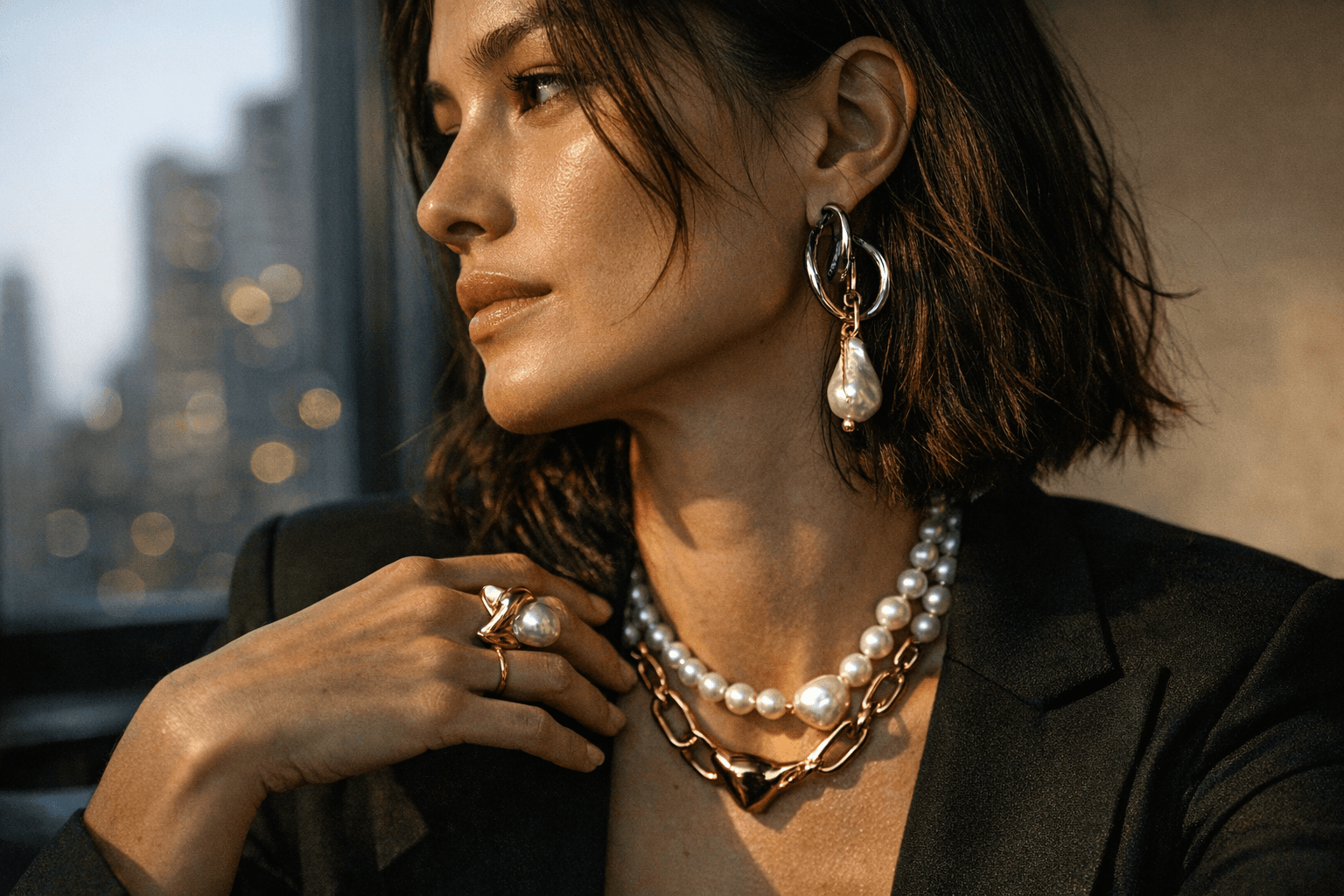
Pearls are no longer dressing like the guest of honor at a formal dinner. The strongest looks now place them beside hard metal, sharp silhouettes, and clothes you already own, which is why the category suddenly feels younger, freer, and easier to wear. JCK described the modern pearl look as “the juxtaposition of hard-edged metal with organic, lustrous pearls,” and that contrast explains almost everything that matters about the trend right now.
That shift showed up clearly in spring 2026 jewelry coverage from Paris, where WWD highlighted “not-your-grandma’s pearls” as part of a broader push toward self-expression. Charlotte Chesnais’s Les Perles line captures the mood well: asymmetrical pearl necklaces, gold closures treated as ornamental details, and a sense that the clasp is no longer hidden but part of the design. Pearls are being styled less like a uniform and more like a point of view.
What is worth buying now
The pearl pieces worth buying now are the ones that can leave the jewelry box without needing a special occasion. Constance Polamalu told JCK that Gen Z helped revive the Tin Cup pearl necklace, and she noted that women are layering multiple pearl strands, wearing pearls with jeans and T-shirts, and pairing them with chunky gold chains. That is the clearest buying signal in the category: if a pearl jewel can move between a blazer, denim, and evening wear, it has staying power.
Look first at mixed-material designs, asymmetrical strands, and anything with visible metal work. These pieces feel modern because they solve a wardrobe problem, they make pearls less precious without making them less elegant. They also fit the larger appetite for personalized, low-maintenance accessories, which is why they read as more than a passing styling trick.
What to skip as a microtrend
Skip pearls that lean so hard into formality that they only make sense with a bridal dress or black-tie gown. A single strand can still be beautiful, but the least future-proof versions are the ones that feel sealed off from real life, with no tension, no movement, and no way to style them casually. The current market favors pearls that look lived-in, not locked away.
Also be wary of pieces that depend entirely on novelty rather than construction. If the only thing making a pearl necklace feel current is a gimmick, it will date quickly once the styling cycle moves on. The stronger buys are built around proportion, metal contrast, and thoughtful spacing, the kind of design logic that still works after the trend label fades.
Before shopping: what separates them
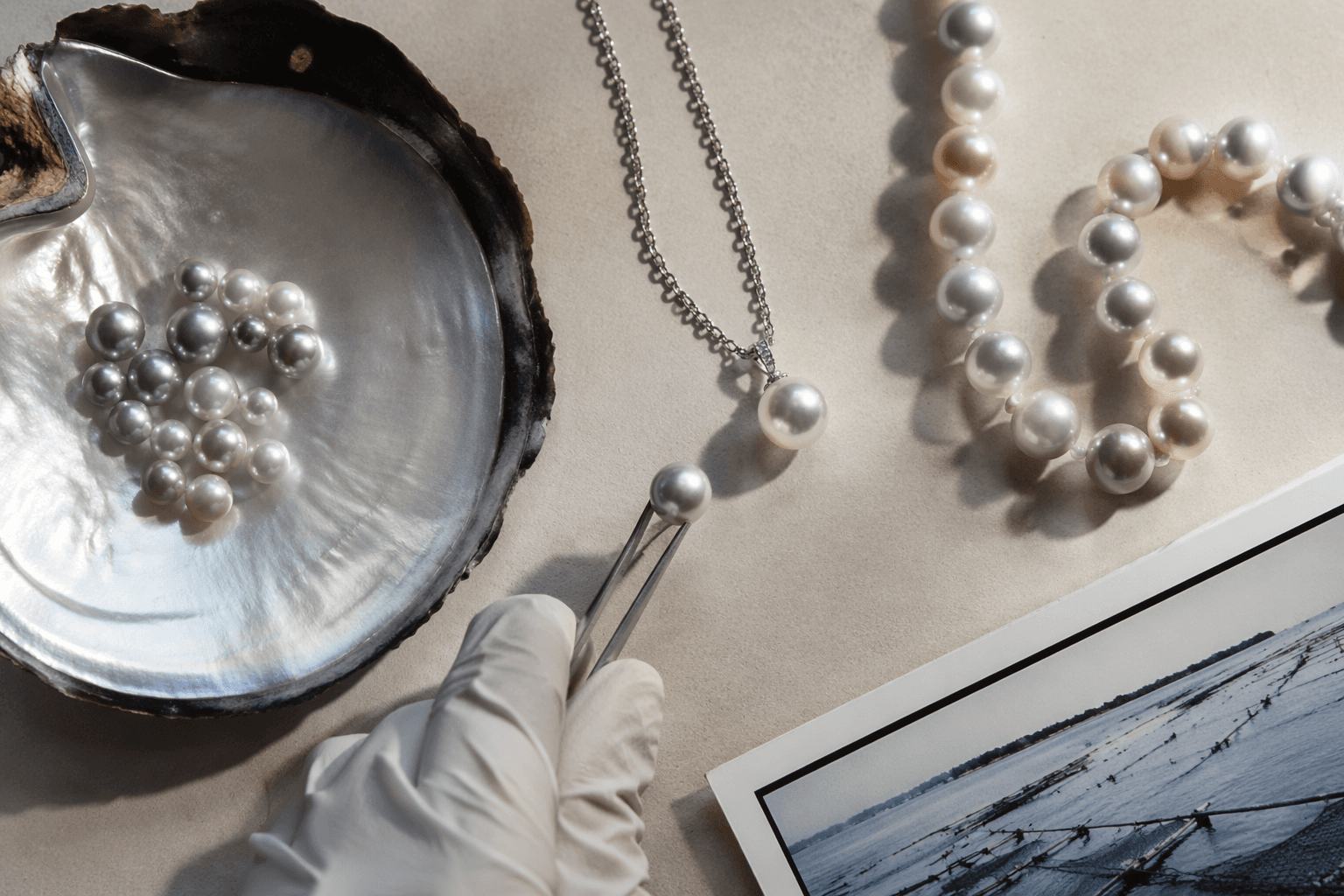
Pearls deserve a different eye from diamonds or sapphires because they are organic, and that means the details matter. Before you buy, judge them on a simple seven-part lens: luster, surface, shape, size, color, matching, and setting. A pearl with beautiful glow can still be let down by poor mounting, while a strong setting can make even a modest strand feel architectural.
Price matters here too, and the market has already signaled that pearl supply is not unlimited. Mikimoto said U.S. demand was rising, availability was more limited because of a pearl shortage, and prices were increased by 30% on August 1, 2023. For readers, that is a useful reminder that pearls are not a bargain category by default, especially when the market is rewarding scarcity and better design.
That same pressure is part of why established names remain important. Mikimoto marked its 130th anniversary in 2023, a milestone that underlines how long pearls have been moving through cycles of fashion and value. The company traces its roots to 1893, when Kokichi Mikimoto successfully cultured pearls, a breakthrough that still shapes the modern category. Mikimoto also says it was founded in 1893 and was built on the vision of adorning women around the world with pearls.
How to wear modern pearls every day
The easiest way to wear the new pearl look is to treat it like a structural accessory, not a formal one. A pearl strand with a white T-shirt and a tailored coat feels current because the contrast is clean, and a tin cup necklace over denim has the easy irregularity that makes pearls less ceremonial. Add chunky gold chains or another metal texture and the pearls stop reading as nostalgic; they start reading as intentional.
For work, look for pieces that sit close to the neck or fall in a way that layers well under collars and lapels. A necklace with spaced pearls and visible gold closures can function almost like a line drawing on the body, which gives it more range than a perfectly matched strand. That is the point of the current pearl story: it is not about one ideal occasion, but about how a jewel behaves across a week.
Why this trend has staying power
Pearls keep returning because they are unusually good at changing their character without losing their identity. JCK has noted that the pearl trade has repeatedly seen the category fade and rebound, and that cycle now looks less like fad behavior and more like a permanent reset. The new version is less rigid, more gender-neutral, and more willing to live beside sculptural metal than apart from it.
That is why the best pearl purchases in 2026 are not the most traditional ones, but the most adaptable. Buy the piece that feels like it could belong to different wardrobes, different ages, and different moods, because that is where pearls look most modern. The market is rewarding individuality now, and the pearls most likely to last are the ones that look personal before they look precious.
This article was produced by Prism’s automated news system from verified source data, official records, and press releases, then run through automated quality and moderation checks before publishing. The system is built and supervised by the people who set the standards it runs under. Read our full AI policy.
Did this article answer your question?