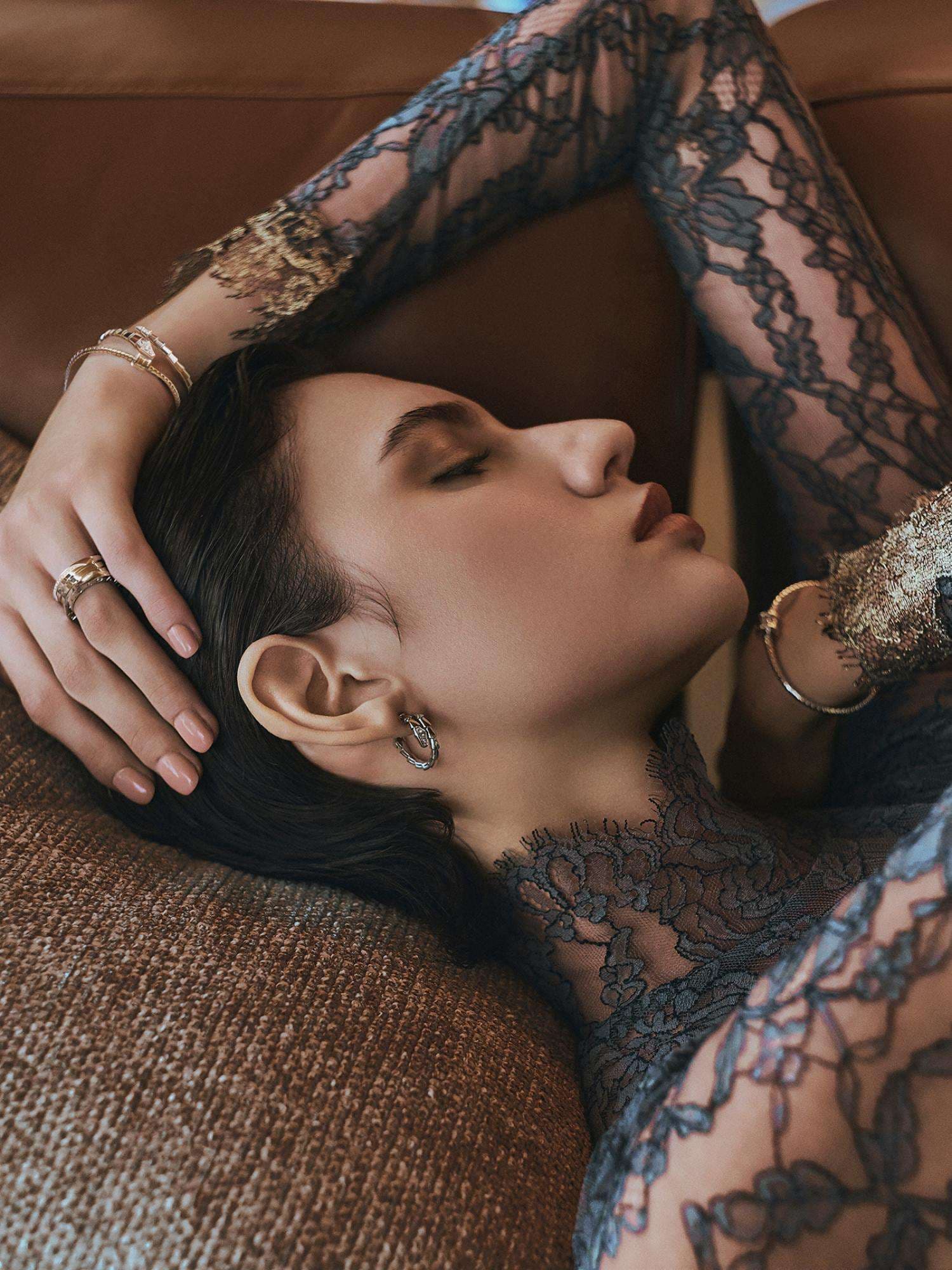
Pearls go casual, gaining momentum as everyday summer staples
Pearls are slipping into denim, blazers and tees, with the right length and metal mix turning a classic into the season’s easiest everyday polish.

Pearls have left the formal room
Pearls are doing what the best jewelry always does: adapting to the life actually being lived. Worn with denim, blazers and simple tees, they now read as part of the outfit rather than a departure from it, which is exactly why they feel so right for summer.
That shift has history behind it. GIA traces pearl fashion from antiquity, through Cleopatra lore, Roman ornament and Renaissance Spain, to the modern moment when cultured pearls began changing the market in the early 20th century. Once Kokichi Mikimoto and Japanese pioneers made whole cultured pearls commercially viable in the 1920s, pearls stopped being the province of rare, irregular finds and became a luxury with reach.
Why pearls feel different from other jewelry
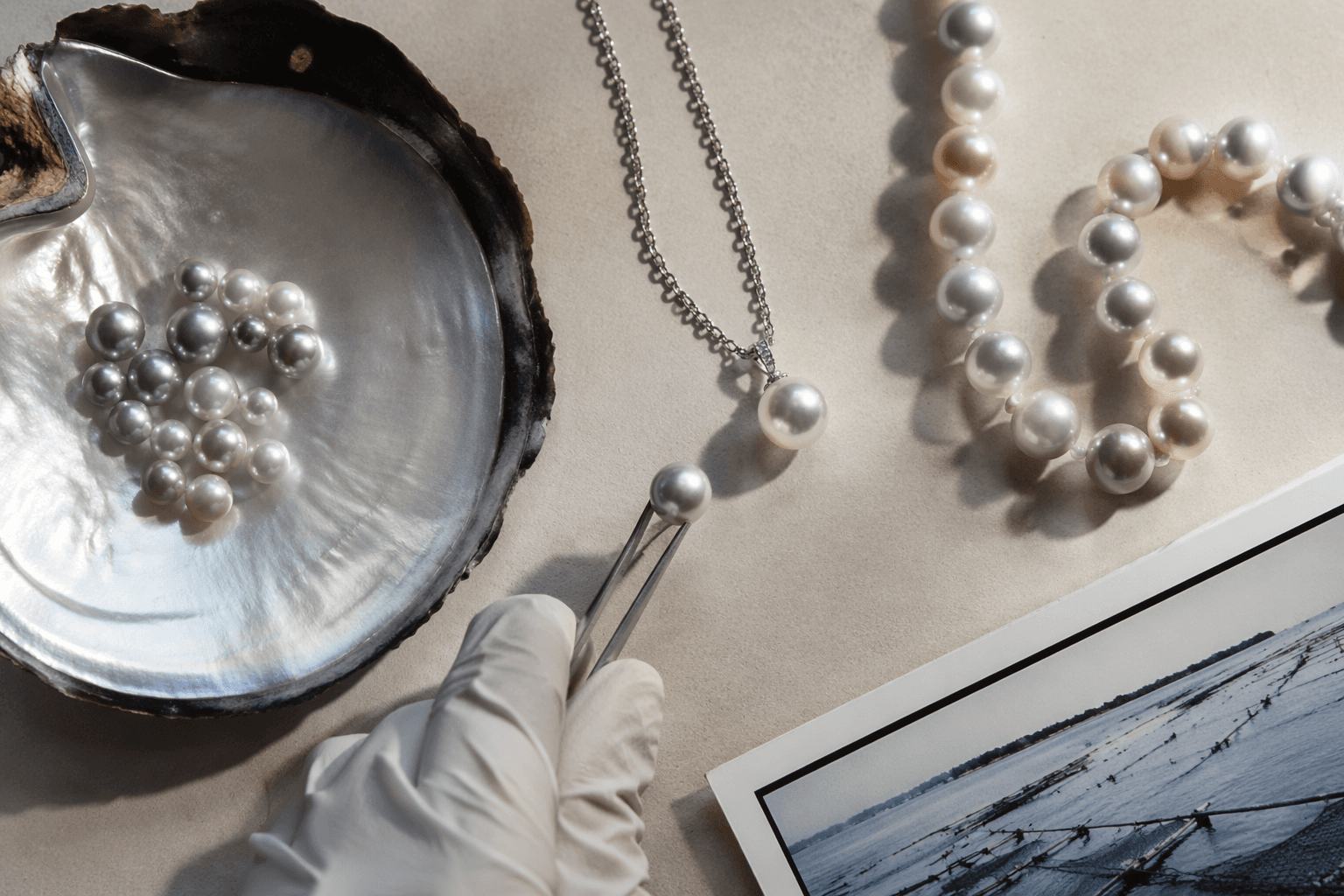
Pearls are organic, not carved from rock or cut from crystal. GIA notes that cultured pearls form when a bead or tissue is deliberately inserted into a mollusk, which then coats the nucleus with nacre. That layered nacre is part of what gives pearls their glow, but it also explains why they need a lighter hand than diamonds or gold.
Their softness is why styling matters. A pearl strand can look undone in the best way, but it can also look severe if paired too literally with eveningwear, or too precious if worn alone with no counterbalance. The smartest summer looks use metallic accents to break up that formality, then let the pearls do what they do best, which is soften sharp tailoring and add luminosity to simple clothes.
The market is following that shift. IMARC Group estimates the global pearl jewelry market at USD 14.6 billion in 2025 and projects USD 36.2 billion by 2034. That kind of growth suggests a category in expansion, not a nostalgia play, especially as a JNA panel for Jewellery & Gem ASIA Hong Kong, titled “For the Love of Pearls: A Millennial and Gen Z Affair,” was built around younger buyers. Pearls are not aging out. They are being rewritten.
Know the four pearl types before you buy
The quickest way to avoid overpaying is to know what kind of pearl is actually on the necklace. Cultured pearls dominate the market, and one retailer puts them at more than 99 percent of pearl jewelry sales, so the word “cultured” should be understood as the norm, not a downgrade.
- Freshwater pearls are the most flexible for everyday wear. They often offer strong value, come in a wide range of shapes, and can read casual or artistic, especially in baroque forms.
- Akoya pearls are the classic round strand pearls many people picture first. Their crisp luster and neat shape make them ideal when you want polish without fuss.
- Tahitian pearls bring a darker, moodier palette, often with silver, peacock or charcoal overtones. They feel especially current when paired with white gold or brushed silver.
- South Sea pearls are prized for size and a satiny, expansive glow. They tend to read more sculptural than delicate, which is why they work so well as a single focal point.
The point is not to memorize a taxonomy. It is to match the pearl to the role you want it to play. A perfectly round Akoya strand has a different energy from a baroque freshwater pendant, and that difference should shape both price expectations and styling.
Three ways to wear pearls this summer
The easiest way to make pearls feel modern is to think in outfits, not occasions.
Daytime casual
For denim, crisp cotton or a linen shirt, choose a shorter strand or a single pendant that sits close to the collarbone. A 16 to 18 inch necklace is the sweet spot here because it works with crewnecks, open collars and relaxed button-downs without drifting into evening territory.
Look for freshwater pearls, small seed pearls or slightly irregular baroque shapes. Their unevenness keeps the look from becoming too precious. Pair them with a slim gold chain, a paperclip link or a small hoop in the same metal family, then stop there. The goal is contrast, not accumulation.
This is where pearls feel most contemporary, because the metal does half the styling work. A bright white tee, vintage denim and one pearl pendant with a thin gold chain is enough to suggest intention without overcorrecting into formality.
Office polish
For the office, the most reliable move is a classic round strand in Akoya pearls or a very clean freshwater strand, ideally on silk so the necklace drapes neatly. An 18 inch princess length sits just below the throat and flatters a blazer, sheath dress or buttoned shirt without competing with lapels.
This is also where the setting matters. A pearl stud with a neat gold mount feels sharper than an oversized decorative backing, while a slim bezel around a single drop gives the pearl a more architectural line. Keep metallic accents restrained, perhaps a gold watch, a simple cuff or small hoop earrings, so the pearls do not fight with the rest of the look.
Think of Jackie Kennedy Onassis or Audrey Hepburn, but loosened for now. The reference point is elegance, not stiffness. Pearls in the office should look like a decision, not a costume.
Evening styling
At night, pearls can grow sculptural. A longer 28 to 36 inch opera-length strand can be worn once, doubled or knotted, which gives it movement and helps it sit beautifully over a slip dress or sharp column gown. This is the moment for South Sea or Tahitian pearls, or for baroque shapes set against polished gold or white gold.
If you want drama, choose one statement piece and let the metal frame it. A pearl drop with a bezel-set diamond accent, a chunky gold cuff alongside a single long strand, or a layered necklace that mixes one pearl line with one chain is enough. Anything more begins to look overstyled, and pearls lose their modern ease when every surface is competing for attention.
Coco Chanel understood that pearls were strongest when they were layered, not isolated. The same idea applies now, but with a cleaner edit and a lighter hand.
Why the classics still feel current
The Metropolitan Museum’s late-19th-century seed-pearl necklace, built from hundreds of tiny pearls, is a reminder that the gem has always been about labor, precision and surface effect. MoMA places the pearl necklace among historically significant fashion items that still hold currency, which explains why the strand never fully disappears from the style conversation.
That longevity is the real story. Pearls have survived because they can be ceremonial or casual, old-world or newly graphic, all depending on what they are paired with. This summer, the winning formula is clear: choose the length that suits your neckline, keep the metal accents clean, and let the pearl’s own quiet shine do the rest.
This article was produced by Prism’s automated news system from verified source data, official records, and press releases, then run through automated quality and moderation checks before publishing. The system is built and supervised by the people who set the standards it runs under. Read our full AI policy.
Did this article answer your question?