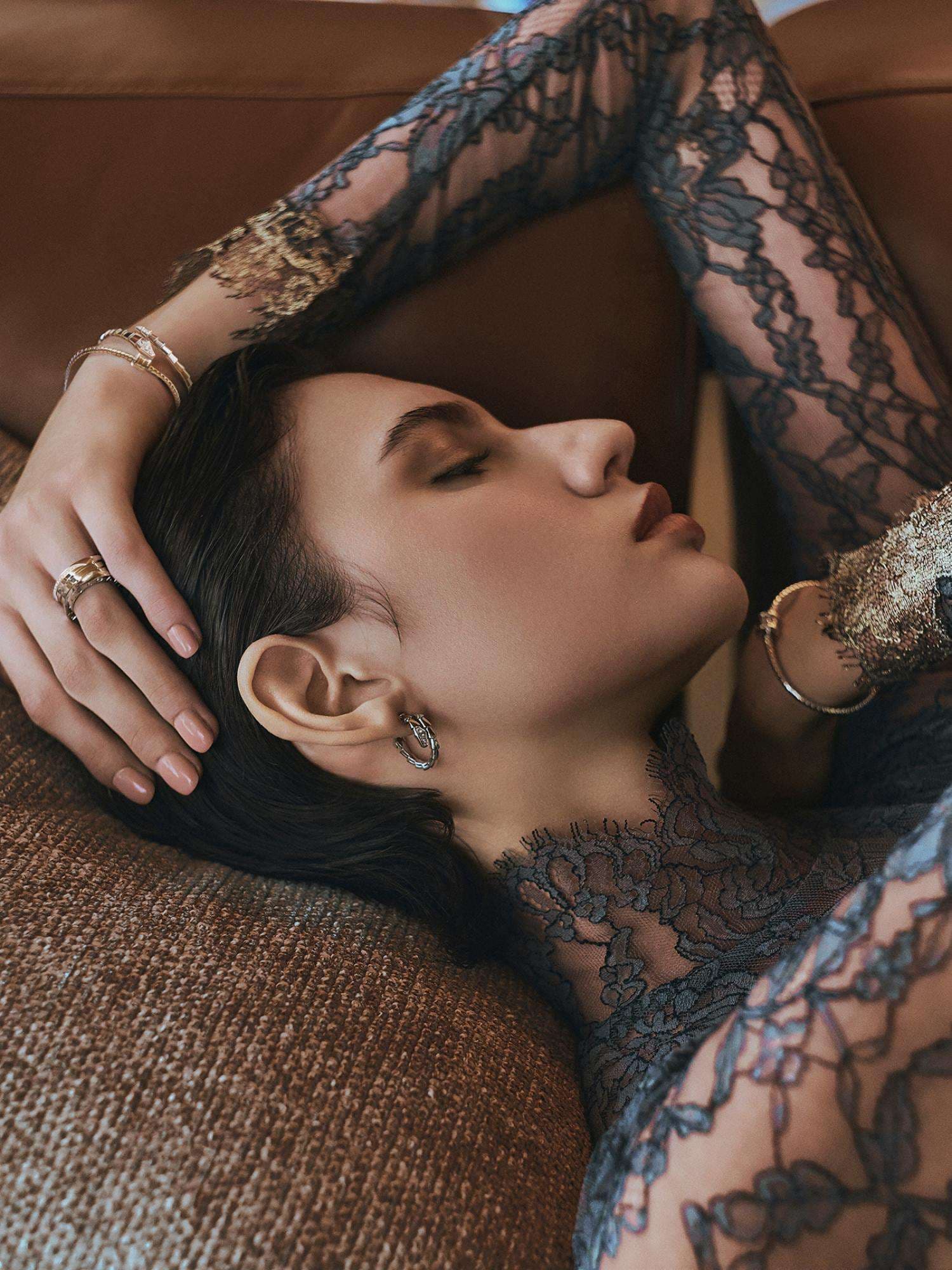
Pearls Move Beyond Formalwear as Spring Trends Embrace Everyday Style
Baroque pearls are the spring buy with real range: sculptural enough for trend pieces, but rooted in a market that spans 8,000 years and over $10 billion.
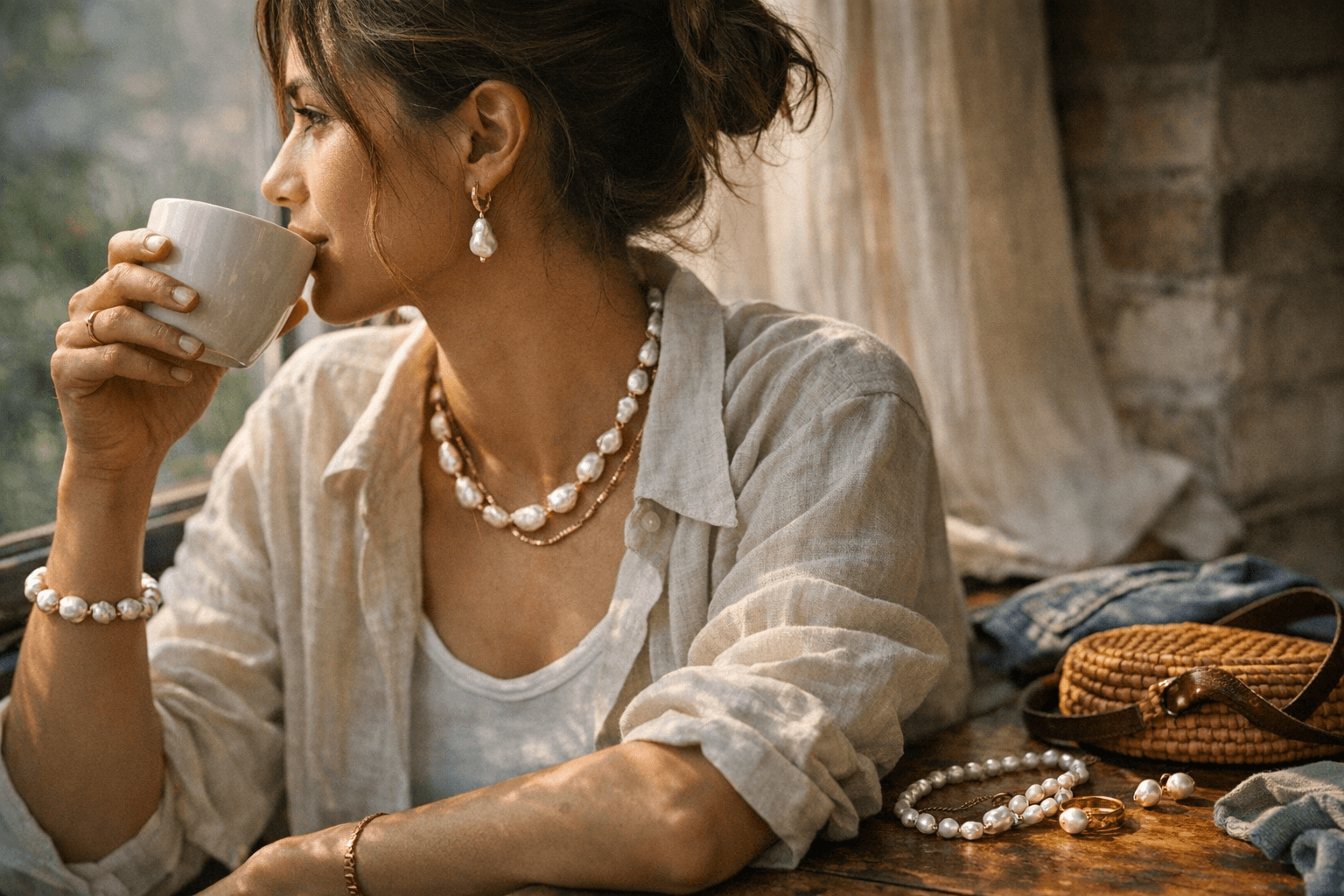
Pearls are having a different kind of fashion moment because they do not need to prove they are precious. Baroque shapes, with their uneven curves and soft asymmetry, slip into warm-weather dressing more easily than novelty jewelry because they look intentional next to a tank top, a crisp shirt, or a stack of chunky rings. That matters in a market the size of a small luxury category, too: the global pearl trade is valued at just over $10 billion, and the oldest known pearl dates back about 8,000 years to the Neolithic period off the coast of Abu Dhabi.
Why baroque pearls are the spring piece with staying power
The strongest pearl stories right now are not about formality. They are about wearability, and baroque pearls lead that shift because their irregular surfaces make them feel more like design objects than occasion-only heirlooms. A round strand can read prim and ceremonial; a baroque pearl on a chain or nestled into sculptural metal feels current without trying too hard.
That is why they hold up beside the season’s louder accessories, from toe rings to statement pieces. The shape does some of the styling work for you. It catches light differently, softens hard edges in a look, and pairs well with the kinds of clothes people actually wear in spring and summer, like open collars, jersey dresses, linen button-downs, and bare skin.
A quick pearl guide before you spend
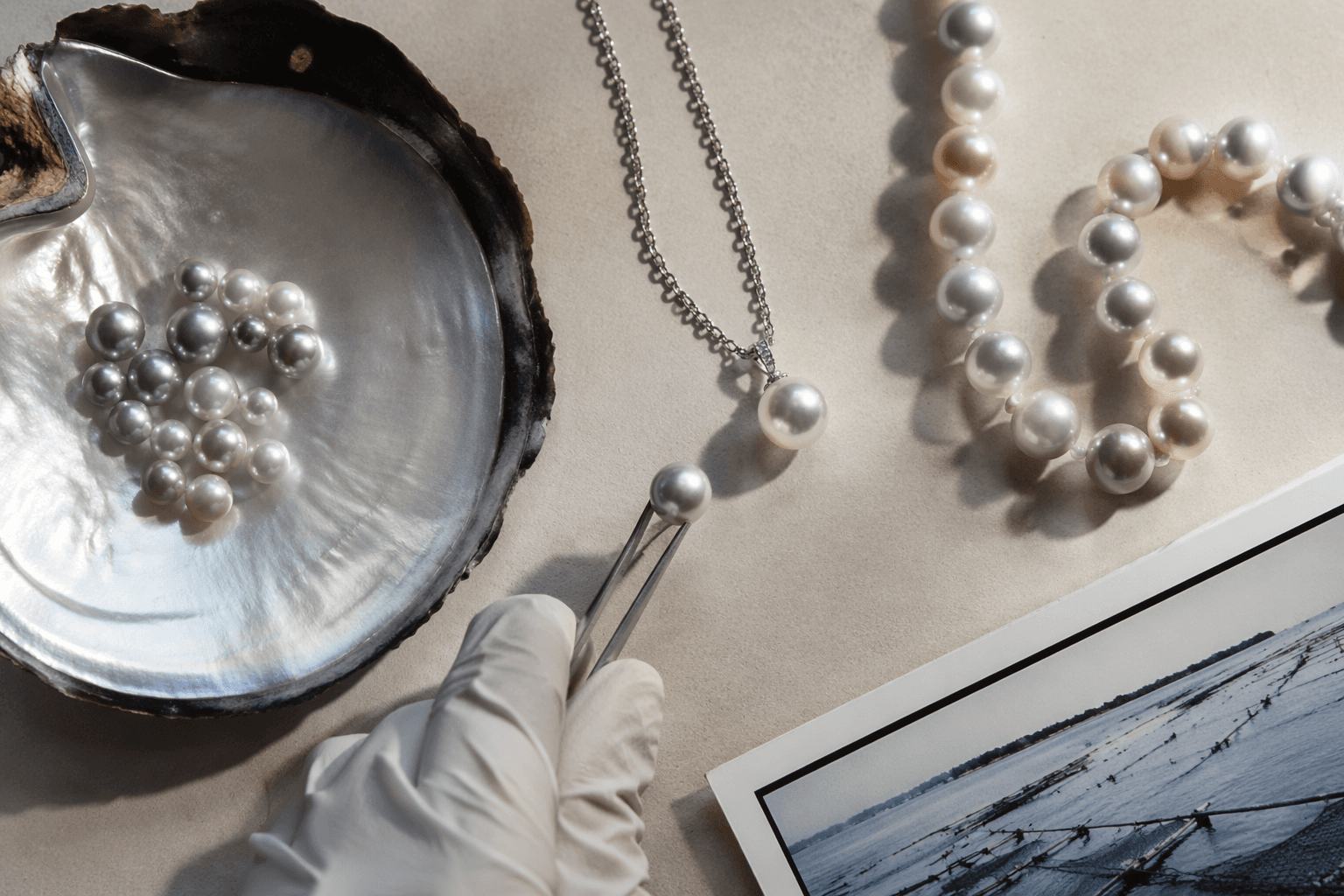
Pearls are not one category, and knowing the difference keeps you from overpaying for the wrong thing. The four names most buyers should know are Akoya, freshwater, Tahitian, and South Sea. Akoya pearls are usually prized for their roundness and classic white or cream look, freshwater pearls offer more variety in shape and color, Tahitian pearls are known for darker tones, and South Sea pearls are the large, luminous ones that often carry the highest price tags.
That context matters because baroque is a shape description, not a pearl type. A baroque freshwater pearl can be much more approachable than a perfectly round South Sea strand, and a designer setting can add value without the stone itself being rare. Once you know the type, size, and nacre quality, you can judge whether the price reflects the pearl or just the packaging around it.
What makes a baroque pearl feel modern instead of novelty-driven
The best contemporary pearl jewelry borrows from Mikimoto’s playbook. The Japanese house, founded in 1893 and credited with creating the first cultured pearls, has pushed pearls into sharper territory by pairing them with chains and geometric metals. Its chief executive, Yasuhiko Hashimoto, has said the goal is to keep pearl jewelry relevant regardless of age and gender, and the brand has backed that up with imagery featuring a skater, a boxer, a chef, and a BMX biker.
That approach works because it changes the frame around the pearl. A baroque pearl suspended from a clean link chain feels less like a formal relic and more like a piece of sculpture. Look for designs that balance the pearl with slim gold, brushed silver, or angular settings, rather than burying it under fuss. The more the metal looks deliberate, the less the pearl needs trend language to justify itself.
How to choose one for warm-weather wear
For spring and summer, the smartest baroque pearl pieces are the ones that can live outside evening looks. A short pendant, a single drop earring, a petite hoop with a pearl charm, or a bracelet that mixes pearls with plain metal all work harder than a heavy, dressy strand. Irregular shapes are especially useful here because they sit comfortably beside statement rings, layered chains, and sculptural cuffs without competing for perfect symmetry.
- Nacre thickness and surface luster, which affect how alive the pearl looks in daylight.
- The setting, because sleek, well-made metal can turn a pearl into a daily piece.
- Scale, since oversized baroque pearls can be dramatic but may skew more editorial than practical.
- Closures and links, which should feel substantial enough for repeated wear.
When you are comparing options, pay attention to these details:
If a piece looks exciting only because it is oversized, heavily branded, or oddly embellished, that is trend-chasing. If it still feels elegant when paired with a cotton shirt or a plain dress, it has range.
How to style baroque pearls casually
The easiest way to wear baroque pearls is to treat them like architecture, not etiquette. Pair a pearl pendant with a white tank and linen blazer, or let a single irregular drop earring offset a slick bun and a relaxed knit. Their asymmetry makes them a natural partner for the very pieces that dominate current jewelry styling, including sculptural metals, cuffs, and stacks that feel collected rather than matched.
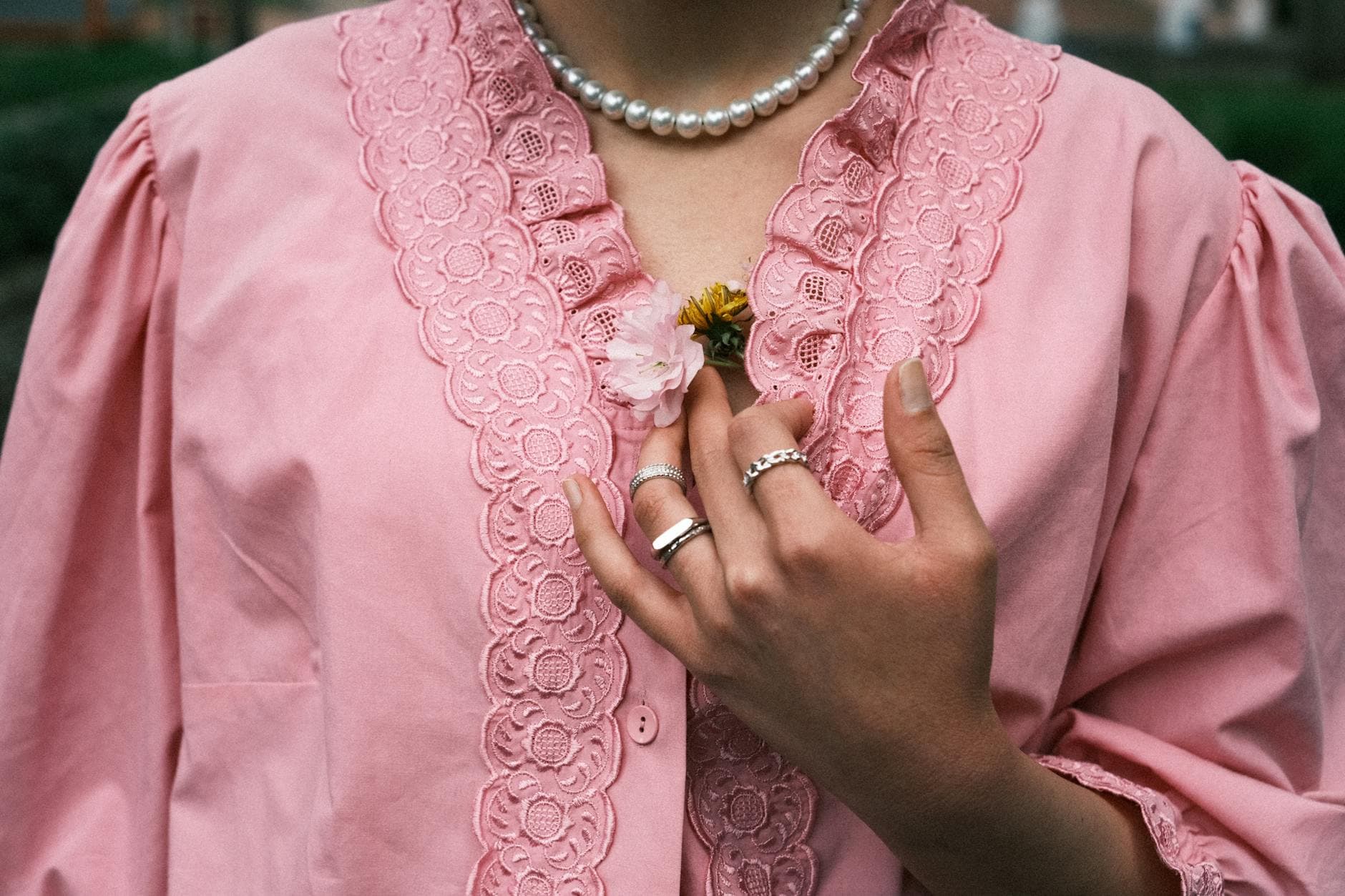
They also work especially well with simple warm-weather fabrics. Pearls against cotton poplin, linen, denim, and jersey create a useful tension, polished but not precious. That contrast is part of the appeal: the pearl stays luxurious, but the outfit stays easy.
Why the market momentum matters to buyers
Pearls are not suddenly relevant because fashion editors decided to nostalgic-post them back into circulation. The category has real market weight behind it, and that gives the trend more durability than a flash-in-the-pan accessory cycle. Forbes described the pearl market as in a post-pandemic renaissance, and National Jeweler noted that pearl styling remained part of the broader 2024 jewelry conversation as editors and trend forecasters revisited vintage jewelry and new ways to wear pearls.
That matters because the best trends are the ones with enough depth to survive changes in silhouette and styling. Pearls have history, but they are also being actively reinterpreted, which is why they are showing up alongside more playful spring accessories rather than being locked away in formalwear.
What to value if you are buying for the long term
A good baroque pearl piece should feel like a decision, not a costume. Favor clean workmanship, honest materials, and settings that let the pearl’s shape do the talking. If the design leans on novelty, the appeal will fade fast; if it uses strong metal, thoughtful proportion, and a pearl with real luster, it will keep making sense long after the season passes.
That is the quiet advantage of baroque pearls. They carry the romance of a gem with thousands of years of history, the market momentum of a modern luxury category, and the flexibility to sit easily with the way people dress now. In a spring full of short-lived accessories, that is the rare piece that feels both timely and lasting.
This article was produced by Prism’s automated news system from verified source data, official records, and press releases, then run through automated quality and moderation checks before publishing. The system is built and supervised by the people who set the standards it runs under. Read our full AI policy.
Did this article answer your question?