Pearls Move Beyond Formalwear, Styled With Denim, Gold Chains
Pearls are shedding special-occasion rules and landing on denim, white tees, and gold chains. Constance Polamalu sees the modern strand as layered, mixed, and made for daily wear.
The new pearl mood
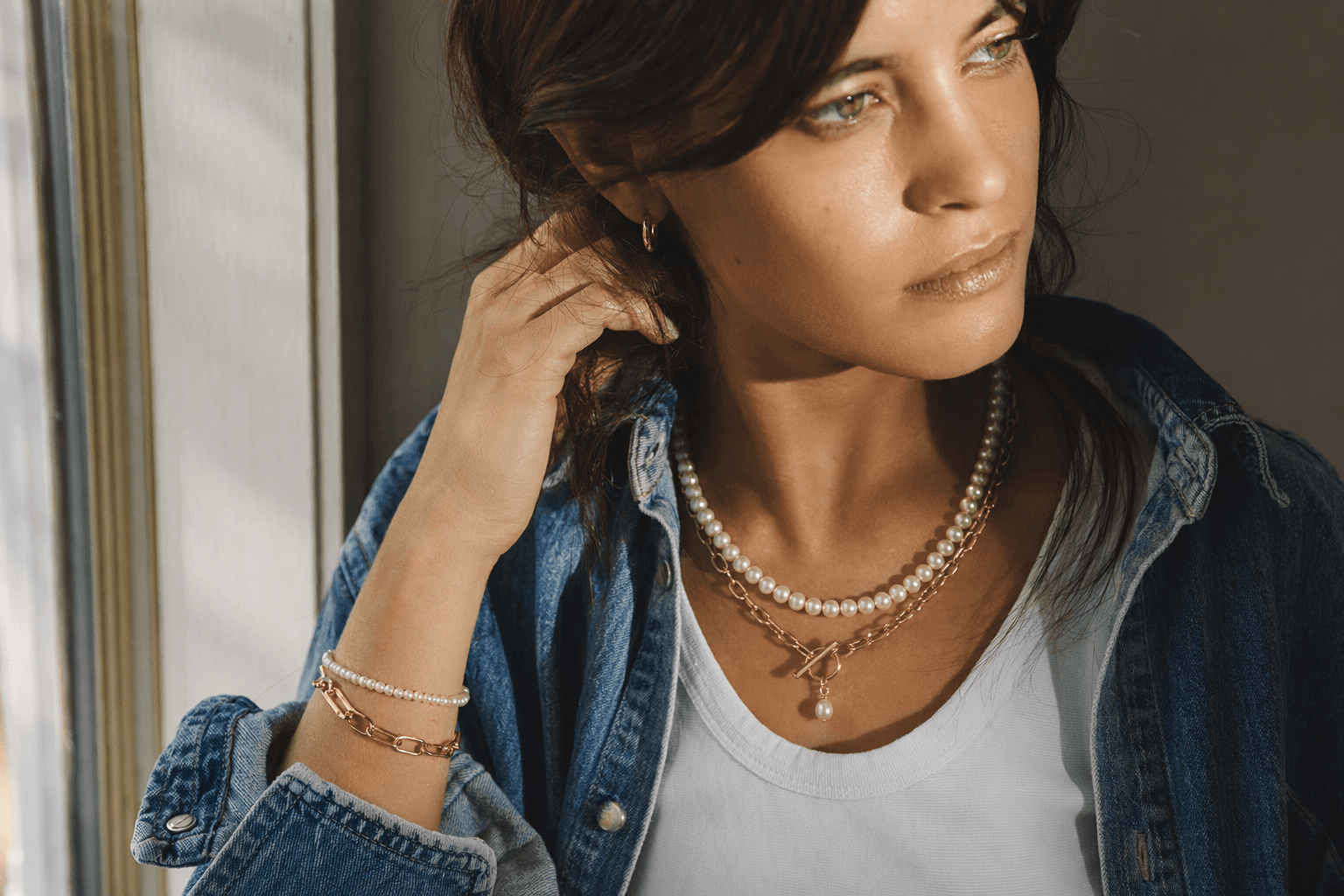
Pearls have moved out of the black-dress box and into the everyday uniform. Constance Polamalu, designer of Birthright Foundry and chief operating officer of Zachary’s Jewelers in Annapolis, Md., says she is seeing them worn over jeans and a T-shirt, stacked with chunky gold chains, and layered in more than one length at once. That shift matters because it makes pearls feel less ceremonial and more like the piece you build an outfit around, not the piece you save for one.
Polamalu’s eye is especially useful because she reads trend not as novelty, but as movement across generations. She points to the Tin Cup necklace, the stationed-pearl style made famous by the 1996 film, as a revival piece driven by Gen Z, and she notes that the classic 16-inch strand is now something she sees on men, worn close to the collar in a way that feels crisp rather than precious. Her point is not that pearls have changed identity so much as that they have escaped a single dress code.
Three outfit formulas that make pearls feel current
Jeans, a T-shirt, and one hard-metal accent
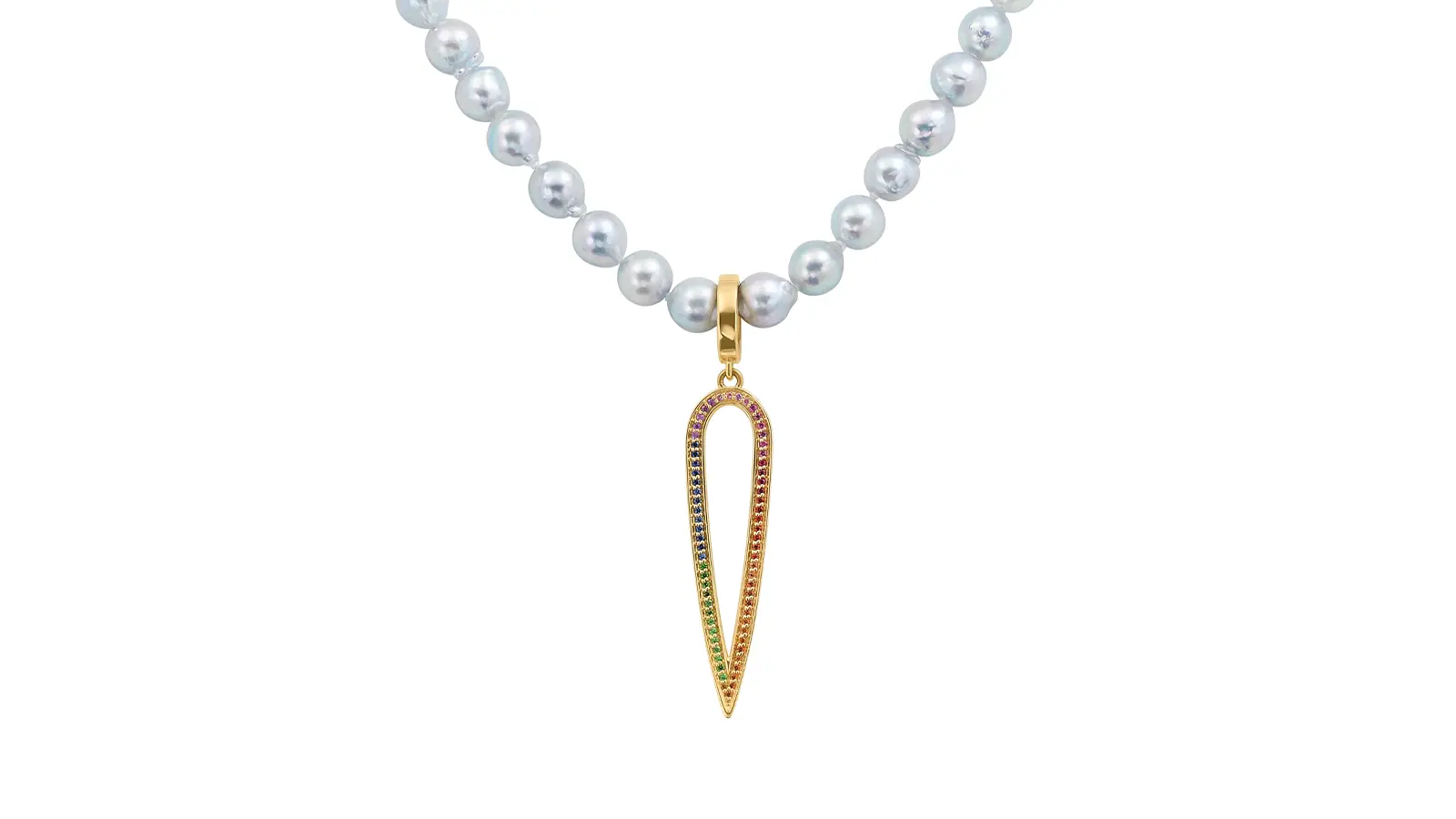
The cleanest way to wear pearls now is also the least fussy: a white tee, straight-leg denim, and one strand or pendant that meets the shirt with a little tension. Polamalu’s language is instructive here, because she keeps returning to the contrast of hard and soft, the exact reason chunky gold chains make pearls feel sharper instead of sweeter. Birthright Foundry’s engravable Nifo pendant in 18k gold, priced at $5,250, sits in that same lane, substantial enough to anchor a necklace stack without turning the look formal.
Layered lengths, not just one strand
If one strand reads classic, two or three strands read intentional. Polamalu says she is seeing women wear a 15-inch strand, a 16-inch strand, an 18-inch strand, and even a 20-inch strand doubled, which is a strong clue that proportion now matters more than restraint. The trick is to keep the stack edited enough that the pearls look collected over time, then let one gold chain or pendant break up the softness.
Office to evening, without changing the pearls
The easiest desk-to-dinner formula is a mid-length strand with a buttoned shirt or tailored knit by day, then a second piece added at night. That might mean doubling a longer strand, or slipping a chain into the mix so the pearls stop reading as conservative and start reading as styled. Polamalu’s framing makes the logic clear: pearls no longer belong only with evening wear, so the same necklace can move from blazer to bare skin without looking out of place.
Collar-close pearls for men, and for anyone who wants the line to look sharper
One of the most revealing details in Polamalu’s interview is that the most classic 16-inch strand is not what she sees women wearing most often, but what she sees men wearing. Worn right at the collar, the strand has a cleaner, almost tailored effect, and it gives pearls a new kind of authority, less decorative, more architectural. That is part of why the category feels broader now: pearls are not being feminized or formalized so much as worn with more discipline.
What to look for when you buy pearls
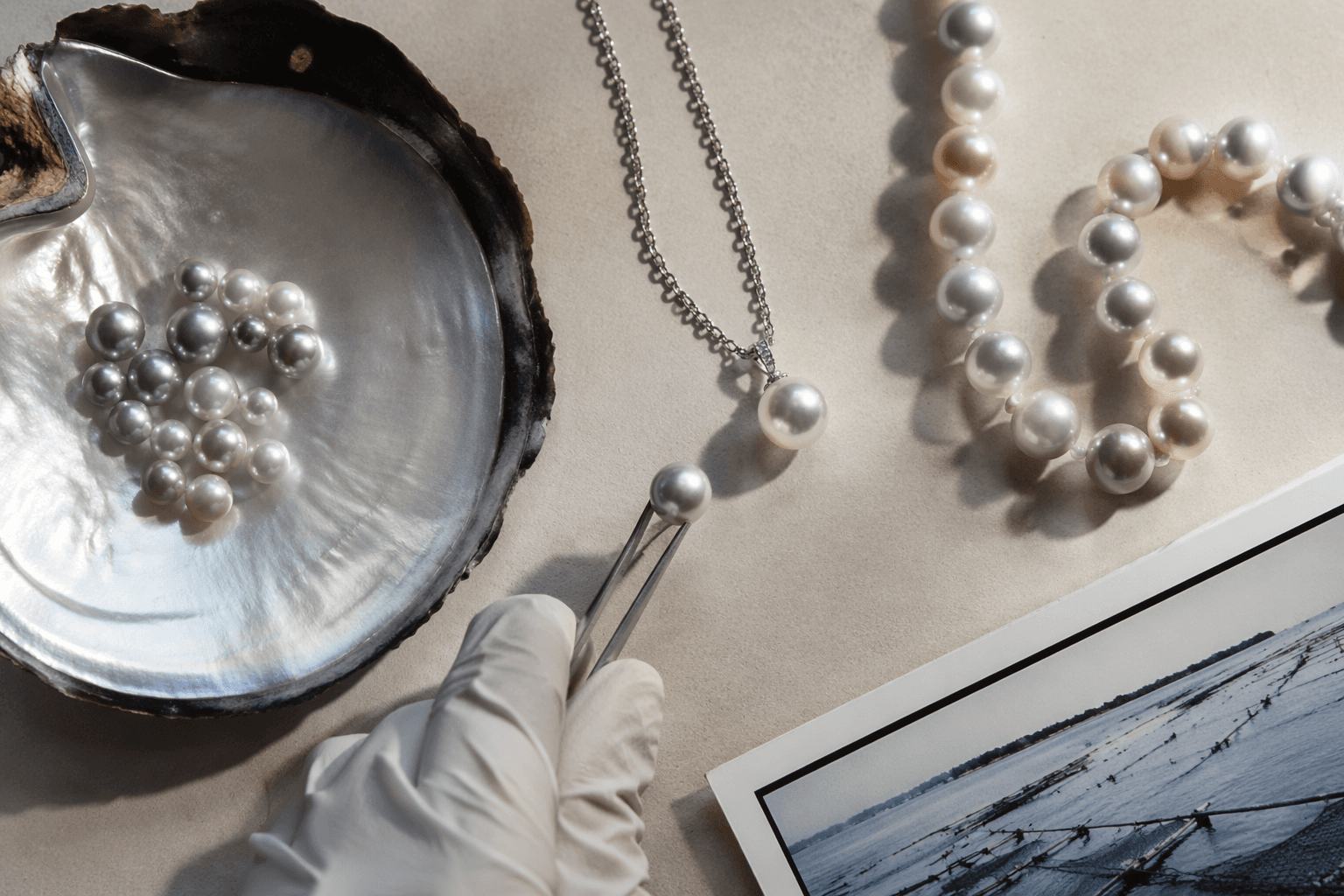
If you want a pearl piece that feels worth the money, start with the gemology, not the romance. GIA’s value factors are size, shape, color, luster, surface, nacre thickness, and matching, and those details matter because a strand with strong luster and clean matching will usually look far more refined than one that is simply large. GIA also notes that pearls come in a wide range of colors, with white and cream the most familiar, which is why a cooler hue like blue akoya can feel especially modern without abandoning the classic pearl family.
Ethical buying also depends on clarity. GIA emphasizes treatment disclosure for gemstones, and that matters with pearls too, because a seller should be able to tell you what kind of pearl you are buying, whether the color is natural or treated, and what the strand is actually made of. Polamalu’s mention of supplier names such as Eliko Pearl and Royal Pearl is a reminder that confidence begins with sellers who can speak specifically, not vaguely, about what they source.
How to keep pearls looking good
Pearls are organic gemstones, which means they need a gentler routine than diamonds or gold. GIA recommends wiping cultured pearls with a very soft, clean cloth after each wearing and using warm, soapy water only for occasional thorough cleaning, while never using an ultrasonic or steam cleaner; Mikimoto adds that pearls should be kept away from perfume, hair spray, cosmetics, and excess humidity, and that strung pearls should be completely dry before they are worn again. Store them separately so they do not rub against harder stones, and treat them as finishing pieces only after you are done with makeup and hair.
The larger point is simple: pearls are no longer waiting for a dress code to justify themselves. Worn with denim, layered with gold, or placed high at the throat, they now carry the kind of quiet authority that makes them look less like occasion jewelry and more like part of the modern wardrobe.
This article was produced by Prism’s automated news system from verified source data, official records, and press releases, then run through automated quality and moderation checks before publishing. The system is built and supervised by the people who set the standards it runs under. Read our full AI policy.
Did this article answer your question?