AI can support luxury jewelry, if human judgment stays central
Luxury personalization works when AI speeds the process but leaves the emotional decisions to human hands, from the first sketch to the final stone.

The new luxury contract
Personalized jewelry is no longer being sold as a novelty. It is being sold as a test of trust: can a brand use AI to make custom work faster, clearer, and more precise without sanding off the intimacy that makes a ring, pendant, or bracelet feel singular? In luxury, that line matters because the buyer is not only purchasing materials, but judgment, restraint, and the sense that a human hand made the decisive calls.
That is why the strongest argument for AI in jewelry is not creativity on demand. It is precision in the repeatable parts of the process, so the emotional parts can stay human. Rapaport has framed the industry this way, noting that AI is already being used in design, grading, retail, sourcing, and custom design, while also stirring concerns about ethics and creative quality. The point is not whether technology enters the workshop. It already has. The question is which tasks can be automated without making the finished piece feel emotionally thinner.
The commercial stakes help explain the rush. McKinsey has estimated that generative AI could add $150 billion to $275 billion in operating profits across apparel, fashion, and luxury over the next three to five years. Statista placed the global luxury jewelry market at about 31 billion euros in 2024. In a category this valuable, brands are not adopting AI because it is fashionable. They are adopting it because luxury houses now see it as infrastructure.
Where machine efficiency belongs
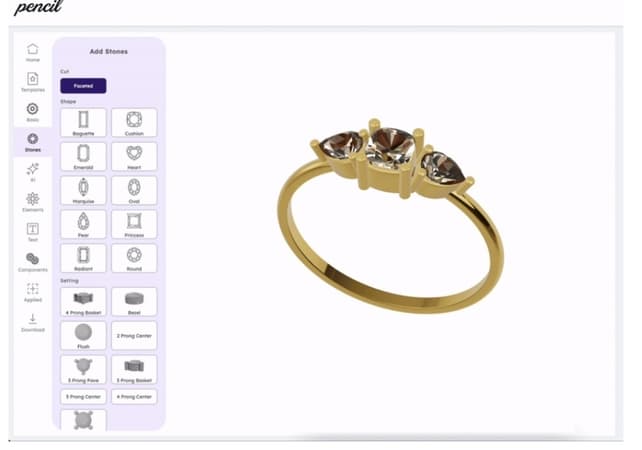
The safest and most persuasive use of AI in personalized jewelry begins before a stone is ever set. Real-time rendering, instant pricing, and production-ready custom design are already being marketed by jewelry tech vendors, and those tools can remove friction from the earliest stages of a commission. A client can see proportion changes, try different stone shapes, compare setting profiles, and understand how a bezel will read differently from prongs without waiting days for a revised sketch.
That kind of automation is useful because it handles what is measurable. It can speed the back-and-forth on dimensions, metal color, finger size, stone availability, and pricing scenarios. It can also help teams track inventory, flag sourcing options, and support grading workflows, all of which are labor-intensive when handled manually. When AI is used this way, it behaves like an unusually efficient studio assistant rather than a designer.
The best luxury brands will treat AI as a tool for compression, not substitution. It should shorten the path to clarity, not decide the final aesthetic. A client can be shown how a three-stone ring reads in platinum versus yellow gold, or how a low-profile basket affects wearability, while the house still reserves human judgment for whether the design feels balanced, elegant, and worth making.
The human work that cannot be automated away
The most vulnerable part of personalized jewelry is not the technical build. It is the translation of feeling into form. A design consultation is where a client explains a wedding story, a milestone, an inheritance, or a wish to honor someone in a way that is private but visible. AI can organize that input, but it cannot understand why one silhouette feels too literal, why a concealed detail matters more than a bold inscription, or why a hand-feel should be slightly softer so the ring disappears into daily life.
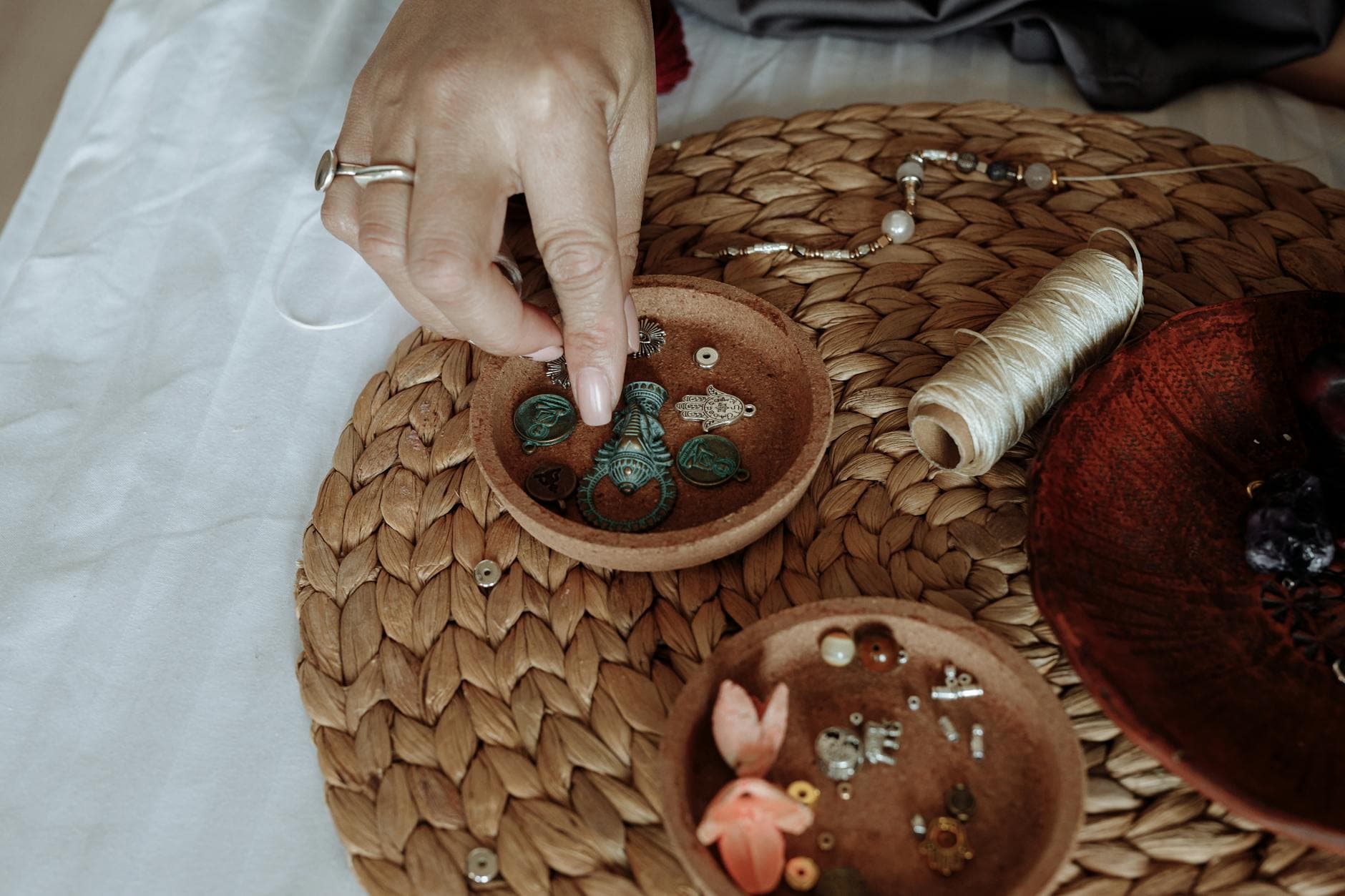
This is where bespoke brands continue to sell the value of human authorship even as they adopt digital tools. The Clear Cut, for example, describes its work as bespoke, handcrafted natural diamond engagement rings and fine jewelry made in New York City. That phrasing matters because it reminds buyers that custom luxury is still grounded in human workmanship, not just visual customization. The digital layer may help the client explore options, but the workshop still has to execute the piece, finish the surfaces, and make the setting look inevitable rather than engineered.
Craftsmanship is where AI should remain invisible. It can help estimate tolerances, assist with layout, and reduce errors in fabrication planning. It cannot replace the eye that knows when a cathedral shank is too heavy, when a halo overwhelms a center stone, or when a pavé edge needs more air between rows. In fine jewelry, the difference between adequate and exquisite is usually decided in fractions of a millimeter and in the discipline of knowing when to stop.
Why trust is the real luxury material
Personalization has become more persuasive because younger buyers are not just asking for uniqueness. They are asking for proof. De Beers, founded in 1888, says it now produces around a third of the global rough diamond supply, which is exactly why origin, traceability, and brand trust carry so much weight in diamond jewelry. In its 2022 Diamond Insight Report, De Beers said younger consumers are influenced by ethical assurances, branded offerings, phygital retail strategies, and Web3 experiences. That mix says a great deal about the modern client: she wants transparency, but she also wants the experience to feel contemporary.
AI can support that expectation if it improves traceability, records product data cleanly, and makes sourcing easier to explain. It can also help a brand document the path from stone selection to final setting, which matters in a market where provenance is part of the emotional value. But the more intimate the commission becomes, the more the brand must prove that the technology is serving the story rather than replacing it.
That is why the conversation happening inside luxury houses is so important. In May 2026, senior leaders from Bottega Veneta, Harrods, Bvlgari, Selfridges, Manolo Blahnik, and Tiffany & Co. gathered in London to discuss AI integration across fashion and beauty. The message was unmistakable: this is no longer a speculative conversation at the edges of the business. It is a strategic question at the center of luxury, where every efficiency gain has to be weighed against the risk of flattening taste.
What the best personalized jewelry experience should feel like
The strongest custom experience will divide labor with almost surgical clarity. AI should handle the repeatable and measurable work, including image rendering, pricing scenarios, inventory coordination, and technical prep. Human experts should lead the consultation, shape the narrative, choose the stones, approve the proportions, and inspect the finished piece before it reaches the client.
That split preserves what matters most in luxury jewelry: the sense that a piece was made for one person, for one reason, by a team that understood the difference between efficiency and intimacy. In the end, the most convincing use of AI is not the one that makes custom jewelry feel automated. It is the one that makes the human judgment behind it more visible, more precise, and more worth paying for.
Know something we missed? Have a correction or additional information?
Submit a Tip