Personalized jewelry becomes a must-have as tech streamlines custom design
Custom jewelry is no longer a special request. Brands are using CAD, AI, and 3D printing to quote faster, approve designs cleanly, and deliver bespoke pieces at scale.
The custom ring has moved from exception to expectation
Personalized jewelry is no longer the slow, special-order lane at the back of the store. Customers now expect a made-for-me selling point, especially for bridal pieces, and the pressure on jewelers is to make customization feel immediate without sanding off the human touch that gives it value. The smartest brands are not chasing novelty for its own sake. They are rebuilding the workflow so a custom order can move from idea to approval to bench work without the usual bottlenecks.
That shift matters because customization has always lived in jewelry, but for years the most intricate versions were reserved for high-end work. What has changed is not the desire for personal meaning. It is the expectation that a retailer can deliver it smoothly, online or in store, with the same consistency a shopper gets from a stock item.
Why personalization keeps winning
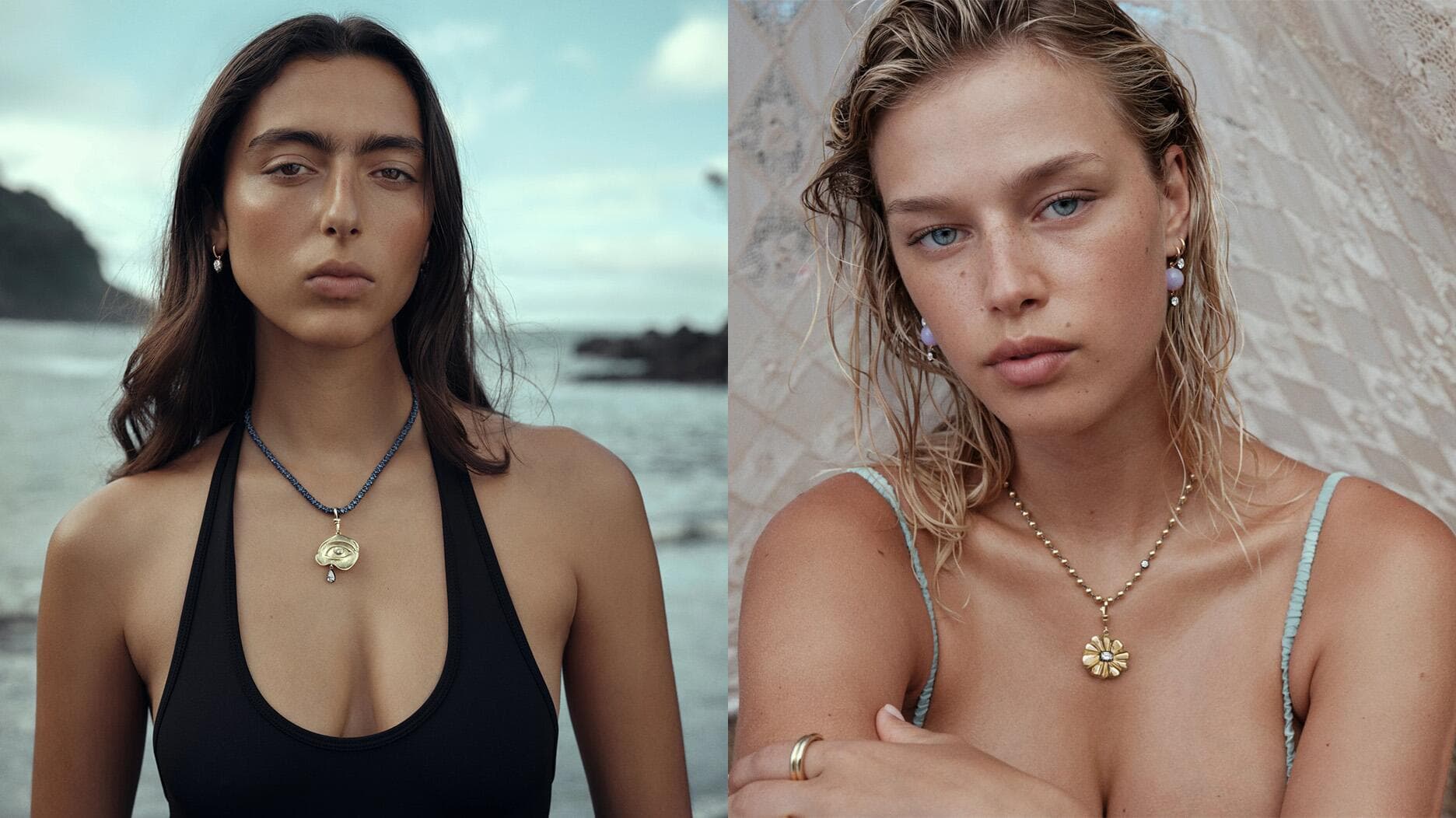
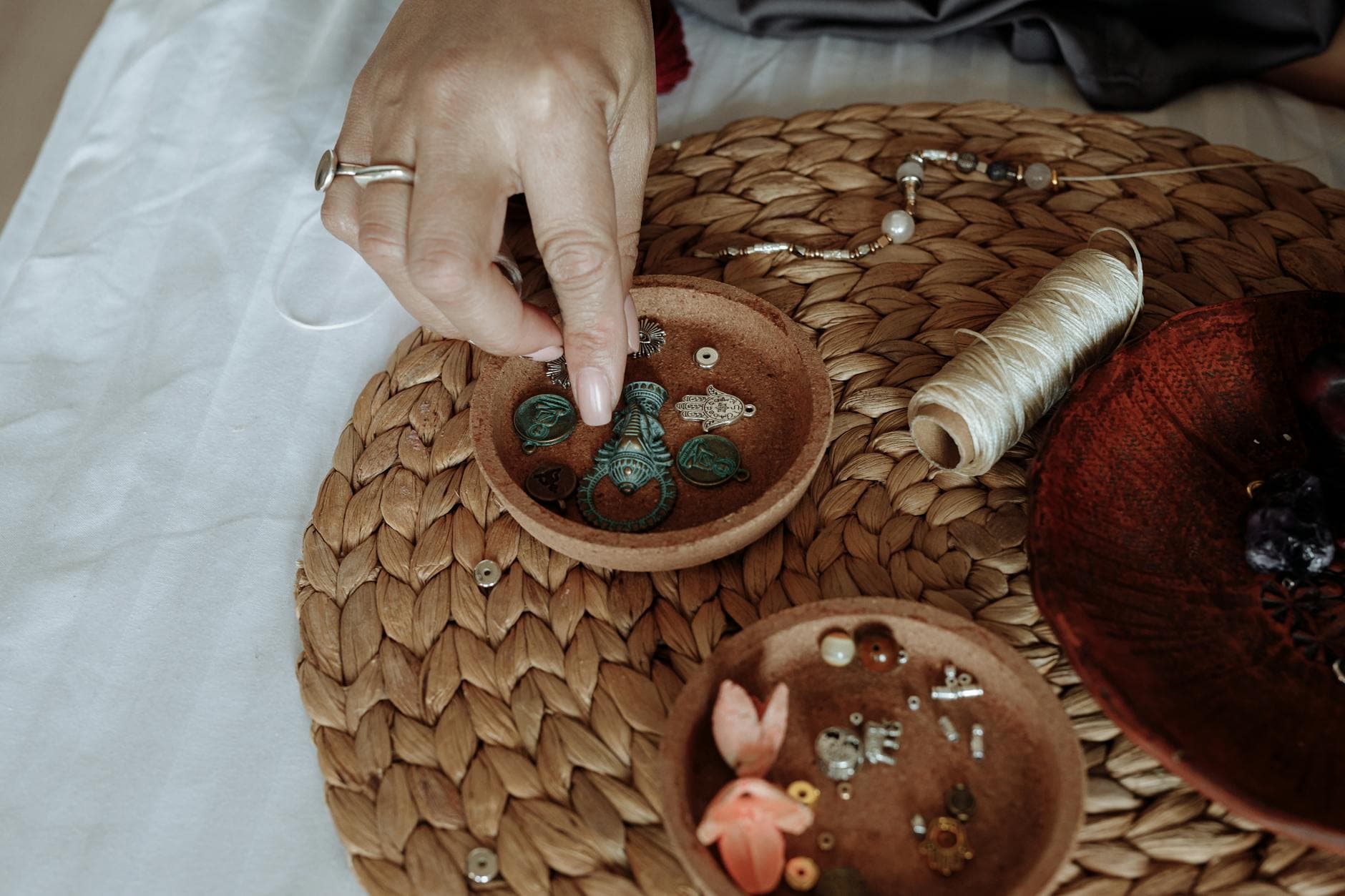
The appetite for jewelry with a story attached has only deepened. Bridal shoppers have long been at the center of this demand, but the pull now reaches beyond engagement rings into layered necklaces, stackable bands, and pieces that read like a personal archive. JCK has described “storyteller” jewelry as a spring trend, and that language fits the market: buyers want pieces that carry names, dates, symbols, stone choices, or setting details that reflect a relationship or milestone.
This is where the online jewelry market becomes more than a sales channel. National Jeweler has pointed out the core challenge clearly: retailers must deliver bespoke jewelry at scale while preserving quality and turnaround times. That is the real business test. It is not enough to offer customization as a marketing line if the quote takes days, the render is hard to understand, or the finished piece arrives late and underwhelming.
Where custom orders usually stall
The friction points are familiar to anyone who has handled made-to-order jewelry. Quoting can drag because every design choice changes labor, materials, and stone sourcing. Design approvals can stall when clients cannot visualize proportions, prong style, or metal color clearly enough to sign off with confidence. Production capacity becomes the next squeeze, especially if every order still requires too much hand intervention before the bench can even start. Delivery timing is the final stress test, because custom work lives or dies on whether the customer trusts the promised date.
That is why technology has become central to the custom conversation. The point is not to replace craftsmanship. It is to remove the back-office uncertainty that makes bespoke orders feel risky for both brand and buyer. When a retailer can compress the quoting and approval cycle, production stops being guesswork and becomes a controlled process.
The tools that are changing the workflow
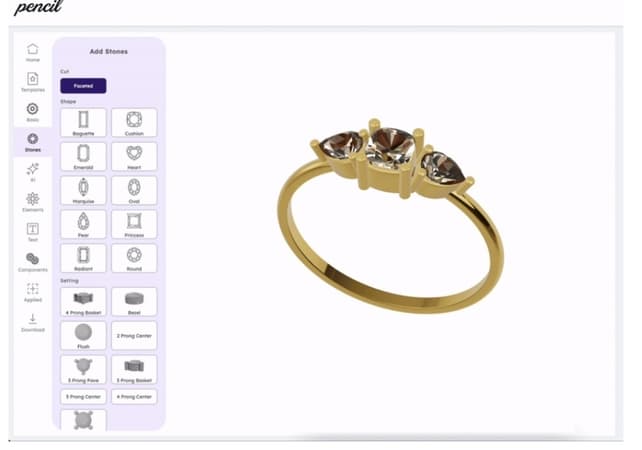
The most effective systems do one thing well: they turn a custom idea into a buildable file quickly enough that the sale does not cool off. CAD remains the foundation, because it gives designers precision and gives customers a clearer view of scale and setting. 3D printing adds a physical step before final production, letting teams check fit, proportion, and detail before committing precious metal. AI-assisted design is now entering the mix as a speed tool, especially when customers want to explore options online before speaking to a designer.
A practical version of the new workflow looks like this:
- A customer starts with an online design tool or an in-store consultant.
- The brand generates a visual mockup or digital file that translates the idea into something the customer can judge.
- The order moves into a tighter approval loop, reducing back-and-forth over stone size, prong shape, or band width.
- Digital files can then be routed into manufacturing machines, shortening the gap between design and production.
- Final assembly and finishing still rely on skilled hands, preserving the handcrafted character that customers are actually paying for.
That balance is the point. The best technology does not flatten the piece into something generic. It protects the details that make the piece feel personal.
What the newer players are proving
Gemist shows how serious the category has become. The jewelry technology company, founded in 2021, raised $6 million to scale what it calls a full-stack SaaS platform for the jewelry industry. Madeline Fraser was motivated by the unexpectedly complicated process of designing a custom engagement ring online, and that frustration became the business case. The message is straightforward: if custom feels hard to order, brands lose shoppers before the bench ever sees the work.
Other companies are pushing the same idea from different angles. Christian Tse has described a workflow in which customers design a ring online and the digital files go straight to manufacturing machines. Jared has launched Jared Foundry, an in-store custom design studio that uses technology including 3D printers so customers can work with store designers on bespoke pieces. These are not just showroom upgrades. They are attempts to make custom feel operationally normal rather than special-occasion complicated.
Scale does not have to erase craft
The strongest proof that personalization and volume can coexist comes from production, not marketing. Rapaport reported that Boltenstern supplied a Hong Kong retailer with 6,000 pieces, a useful reminder that scale is possible when the system is built for it. That kind of volume matters because it shows custom thinking can be translated into repeatable production without losing control over finish or consistency.
It also widens the business case. Business Wire reported that the rising popularity of customization expands the addressable market for personalized gold jewelry, which explains why more retailers are treating customization as core product strategy rather than a boutique side project. The opportunity is bigger than initials and birthstones. It includes the shoppers who want a ring tuned to their hand, a pendant tied to a memory, or a stack that feels composed instead of copied.
What to watch as the category matures
The winning custom programs are the ones that respect both timelines and emotion. If quoting is too slow, the sale slips. If design approvals are too vague, the customer loses confidence. If production is not built for repeatable precision, the handcrafted promise starts to look like a delay disguised as luxury.
The brands that will keep winning are the ones that use technology to make personalization feel more immediate, more legible, and more dependable. In jewelry, that is the real modern luxury: not just a piece that is yours, but a process that proves it can be made well, on time, and without losing the soul of the object.
Know something we missed? Have a correction or additional information?
Submit a Tip