Coded personalized jewelry turns hidden meanings into wearable secrets
Coded jewelry makes personalization feel private, not performative, turning diamonds, symbols, and tactile systems into secrets only the wearer fully reads.
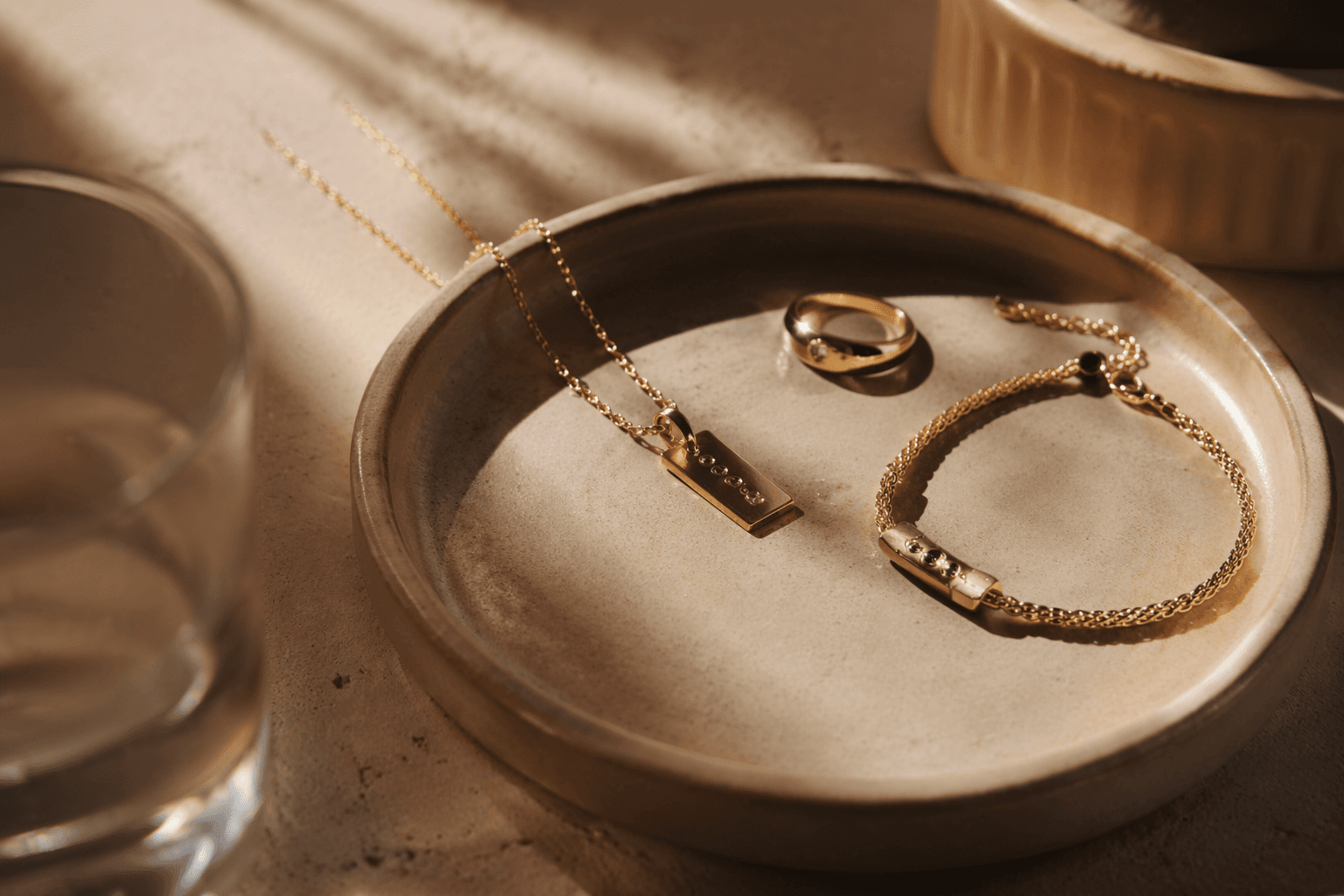
A name on a pendant tells the story outright. A code tells it sideways. That is why coded personalization has become such a compelling corner of fine jewelry: it lets a necklace, ring, or locket carry a birth date, a private phrase, or a lucky number without announcing the message to the room. The appeal is emotional first and aesthetic second, which is exactly why these pieces feel so current.
Why coded personalization feels different
Personalized jewelry has always had a strong place in the market, but the newest versions are less about spelling everything out. Engraving remains the oldest and most familiar path, yet the more intriguing designs now hide meaning inside symbols, dot patterns, and number systems. They create a second layer of intimacy: one person sees a polished diamond jewel, while the wearer sees a daughter’s initials, a wedding date, or a line only two people understand.
That balance between visibility and secrecy is what gives coded pieces their edge. They are personal enough to feel specific, but discreet enough to wear every day without turning the jewelry into a billboard. For gifts, that matters. A coded piece can feel deeply considered without becoming overly literal, which makes it especially effective for birthdays, anniversaries, and the kind of private milestones that rarely need to be broadcast.
The modern codebook: binary, Braille, and symbols
Binary turned into diamonds
R.Y.M Jewelry, the brand of Dubai-based designer Reem Mobassaleh, pushes this idea furthest with the Diamond Digit necklace. The design uses a unique secret binary code and individualized yellow-gold-and-diamond symbols, allowing the necklace to be personalized with numerical combinations that can represent birthdays, lucky numbers, or hidden messages. The piece is priced at £2,875, placing it firmly in the luxury personalization tier rather than the novelty category.
That matters because the necklace is not just an engraved record of a date. It is a visual system, and that gives it more subtlety than a straight nameplate. The language is abstract to most viewers, but precise to the wearer, which is exactly why binary-coded jewelry feels both contemporary and private.
Braille as ornament
Jessie V E London takes a different route with the Feel The Love ring, which uses three rows of brilliant-cut diamonds to spell six- or eight-character messages in Braille. The ring is listed at £4,000, and its appeal lies in the tension between delicacy and concealment. It reads like a diamond band at first glance, but the arrangement of stones carries a hidden message for anyone who knows how to read it.
Braille itself was invented by Louis Braille in 1824. It uses a six-dot cell system, and that structure gives the jewelry version a clear conceptual logic even when the ring is functioning as decoration rather than true tactile text. The result is one of the most conversation-worthy forms of coded personalization now available: it is immediately elegant, yet still invites closer looking.
Symbols that stand in for language
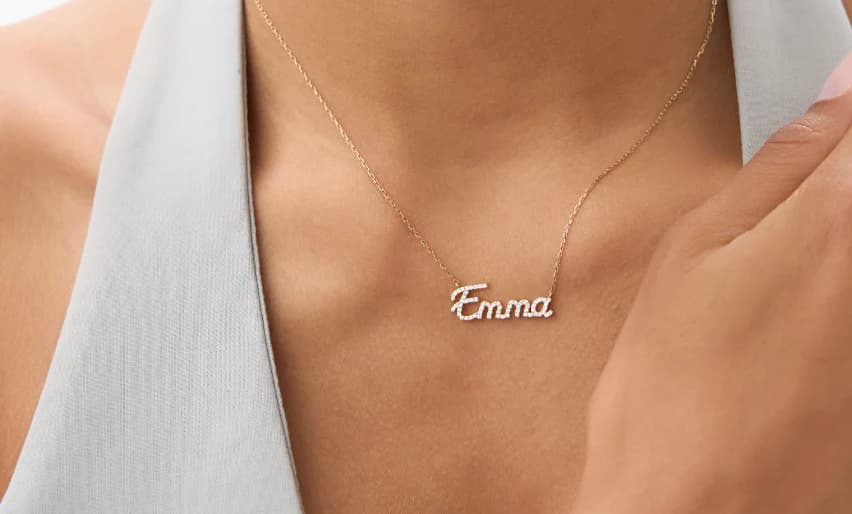
Not every private message needs a decoding system as elaborate as binary or Braille. The Jewellery Editor also highlights pieces such as Foundrae’s Mama bar necklace, which can be personalized with up to 10 letters in Gothic script, and Loquet London lockets, which can be built around chosen charms or even a customer-uploaded sketch transformed into a unique charm by the brand’s goldsmiths. Those designs sit closer to visible personalization, but they still belong in the same conversation because they preserve a sense of authorship and intimacy.
Jemma Wynne’s engraved-to-order gold and diamond bangles offer another point on the spectrum. They are more direct than coded jewels, yet their made-to-order nature keeps them in the same premium, highly personal territory. In other words, the category now stretches from plain-spoken engraving to full symbolic systems, and the buyer can decide exactly how much of the message to reveal.
A tradition with deep roots
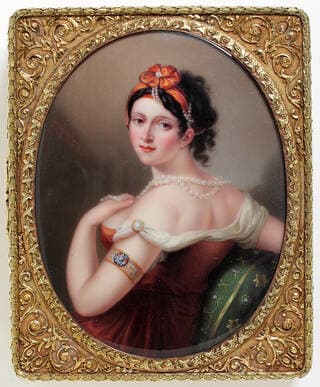
The current fascination with secret jewelry is not a new invention. Personalization in jewelry has long included engraving, which remains perhaps the most ancient method of making a jewel feel singular. The deeper lineage goes back to Victorian acrostic jewelry, where gemstones spelled out words, and even to Napoleonic-era pieces made by Chaumet for Empress Joséphine and Empress Marie-Louise, where stones were arranged to form messages.
That history explains why coded jewelry feels so natural even when it looks modern. The method has changed, but the urge has not. Jewelry has always been a private language for people who want sentiment without spectacle, and today’s binary and Braille designs are simply the latest, more abstract version of that instinct.
Where these pieces sit in the market
The pricing tells its own story. Alongside the £2,875 Diamond Digit necklace and the £4,000 Feel The Love ring, The Jewellery Editor’s 2016 roundup places Jemma Wynne engraved bangles at $3,360, Foundrae’s Mama necklace at $2,495, and Loquet London’s Rainbow Revolving Locket at £5,800 before charms. These figures show that coded and customized jewelry sits comfortably in the fine-jewelry bracket, not the impulse-buy tier.
That premium positioning also reflects the labor behind the pieces. Personalization often means extra design work, more careful production, and, in some cases, a wait of a few weeks before the finished jewel is ready. The delay is part of the value proposition: this is not jewelry pulled from a shelf, but a piece built around a specific name, number, or hidden phrase.
How to choose the right code
Best for discretion
Binary and symbol-based pieces are the most discreet. If you want a jewel that looks polished and elegant to everyone else while carrying a private meaning for you, R.Y.M Jewelry’s Diamond Digit necklace is the clearest example in the field. Its appeal lies in the fact that the code is not immediately legible, which makes it ideal for someone who likes the idea of a secret held in plain sight.
Best for a clearly cherished message
Braille-based jewelry is more readable in concept, even if the message stays hidden to most observers. Jessie V E London’s ring works best for short phrases, six or eight characters at a time, which keeps the design crisp and wearable. It is the most conversation-ready option when you want the piece to invite curiosity without losing its sense of restraint.
Best for a name or direct tribute
If the goal is clarity, not concealment, engraved or lettered pieces still do the job beautifully. Foundrae’s up-to-10-letter Gothic-script bar necklace and Jemma Wynne’s engraved bangles are the cleanest choices for names, initials, and dates. Loquet London offers the most expansive emotional range because a sketch can become a charm, which makes it especially strong for gifts tied to children, family symbols, or personal drawings.
The strongest coded jewelry succeeds because it understands that meaning does not have to be shouted to be felt. A diamond can carry a birthday, a ring can hold a sentence, and a charm can preserve a sketch, all while remaining elegant enough to wear without explanation. That is the quiet power of personalization now: it is no longer just about being known, but about being known privately.
This article was produced by Prism’s automated news system from verified source data, official records, and press releases, then run through automated quality and moderation checks before publishing. The system is built and supervised by the people who set the standards it runs under. Read our full AI policy.
Did this article answer your question?