How photo-engraved jewelry turns pictures into keepsakes
Photo engraving turns a face, pet, or memorial snapshot into the metal itself, so image quality decides whether the keepsake reads clearly or blurs at pendant size.
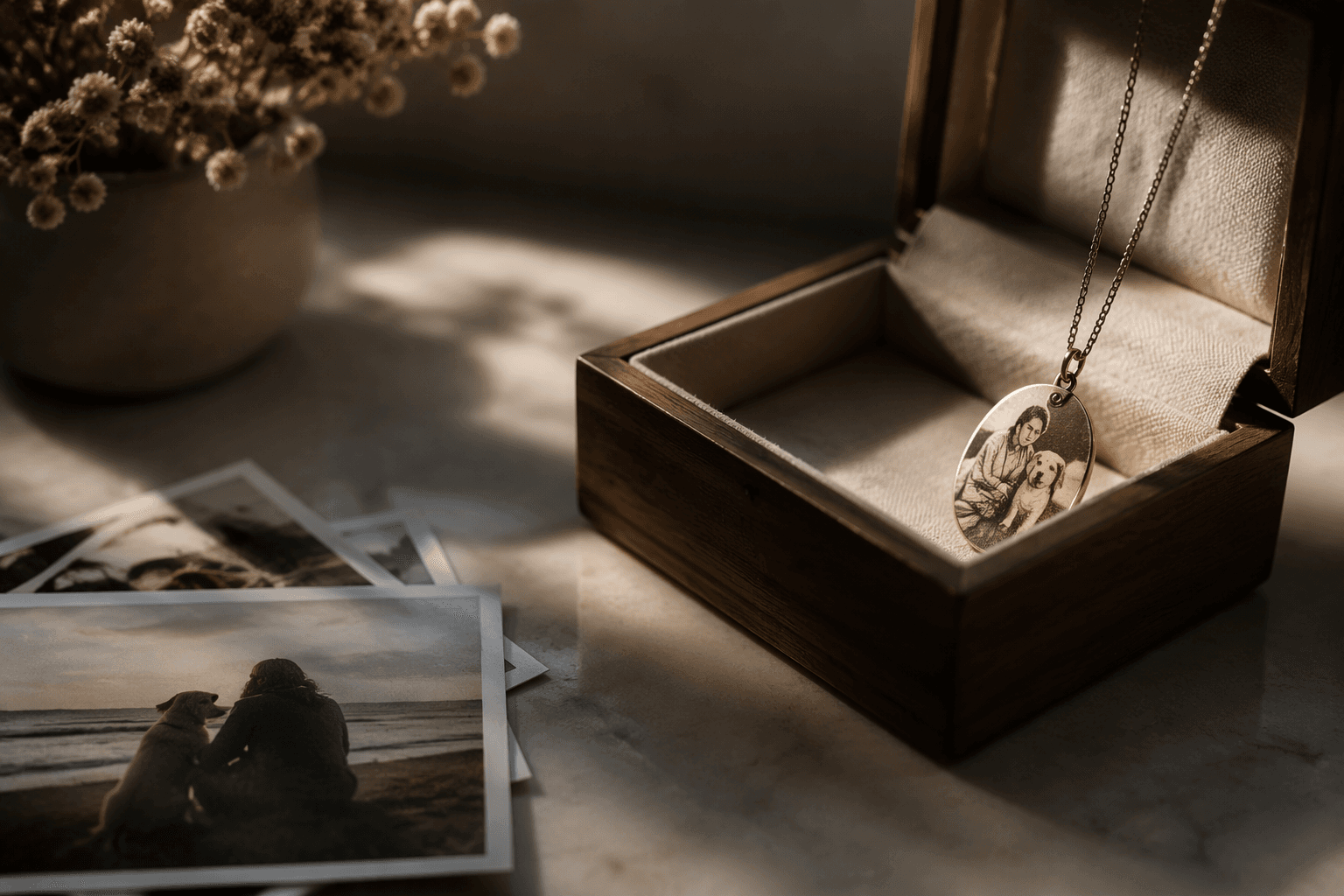
A photo-engraved pendant makes the memory visible at a glance, unlike a locket that hides a photo behind a clasp. The photograph has to survive being reduced to jewelry scale without losing the face, the silhouette, or the feeling that made it worth wearing.
What photo engraving really changes
The appeal starts with the image itself. Inscripture’s photo-engraving process starts with adapting the original photo for a metal surface, not merely printing it or tucking it into a frame. Once the picture becomes the design, every visual choice matters, from the strength of the light to the number of subjects competing for attention.
That is why the best photo-engraved pieces are usually built around one clear memory rather than a crowded scene. Portraits, couples’ photos, children, pets, and memorial images tend to translate well because the viewer can still recognize the person or animal when the image is miniaturized. Busy backgrounds, low-resolution files, harsh shadows, and overlapping figures all make the final engraving harder to read.
How to choose a photo that will engrave well
The safest starting point is contrast. A photo with clean light and dark areas gives the engraver something to work with, while a flat, washed-out image can vanish once it is compressed into a small pendant or charm. Clear facial detail matters just as much: eyes, a nose, and a strong outline usually survive the reduction better than soft-focus features or a picture taken too far away.
A useful rule is to crop tighter than you think you need to. The more you remove extra background, the more room the subject has to breathe, and the easier it is for the engraved image to remain legible after it is translated onto metal. In JewelryKeepsakes’ photo engraved jewelry FAQ and buying guide, the quality of the original image is the difference between a crisp keepsake and something that reads like a blur.
A good selection checklist looks like this:
- Choose one subject, or keep the composition very simple if there are two people.
- Favor front-lit or evenly lit images over photos with deep shadow across the face.
- Crop out clutter, scenery, and visual noise that does not help identify the moment.
- Use a high-resolution file whenever possible, since tiny engraved details disappear quickly.
- Pick a pose with a recognizable profile, smile, or gesture if the face is partly turned.
Size, shape, and the amount of detail you can keep
Format matters almost as much as the image. A larger pendant generally preserves more detail than a smaller charm, which gives the face more room to stay readable after the design is transferred. Bracelet plates, compact charms, and other small surfaces can still work beautifully, but they ask for simpler photographs with stronger contrast and fewer competing elements.
That is one reason photo engraving works best when the buyer thinks about the piece as both image and object. A wide pendant can hold a more nuanced portrait. A smaller charm asks for a cleaner composition, often one where the outline or expression matters more than background detail. The best results come from matching the photo to the size of the jewelry instead of hoping a detailed image will magically survive a tiny surface.
Why the form feels different from other keepsakes
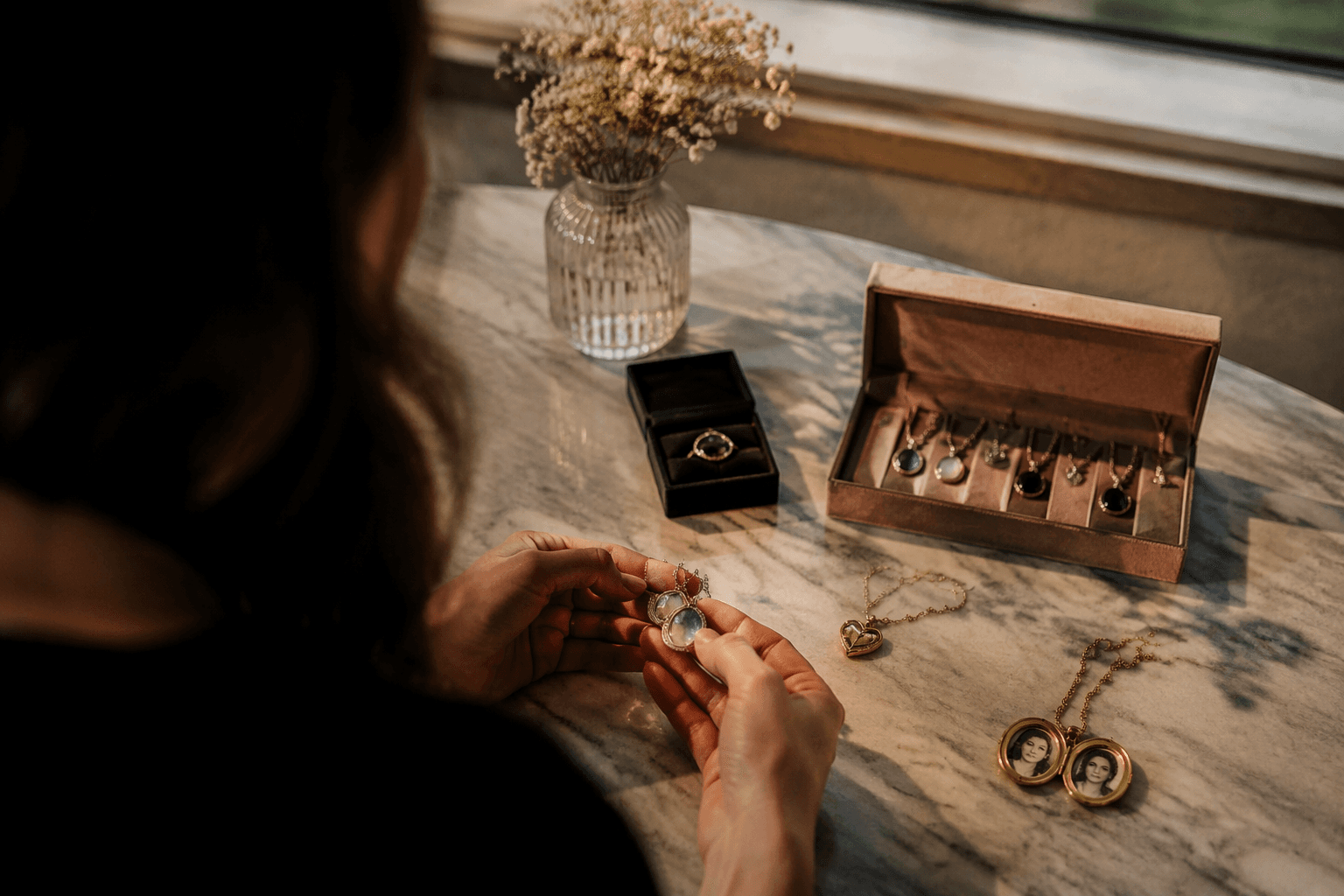
Photo engraving sits inside a larger keepsake-jewelry tradition that includes cremation jewelry, fingerprint jewelry, and handwriting jewelry. At Batesville, memorial jewelry is a wearable way to keep a loved one close, with pieces designed to hold a small amount of ashes in a secure, wearable form. Photo engraving belongs to the same emotional category, but it works differently: instead of hiding the memory inside the piece, it places the memory where it can be seen.
That visible quality gives photo-engraved jewelry a different kind of charge from a locket. Lockets have a long history as sentimental keepsakes, especially in mourning and remembrance traditions, and the format has always been tied to private ritual. Photo engraving updates that instinct for modern wearers who want the memory on the outside, where it becomes part of the design rather than a secret inside it.
Why the category keeps growing
The commercial interest around personalization helps explain why photo engraving keeps gaining ground. Technavio published a U.S. Personalized Gifts Market Analysis, Size, and Forecast 2025-2029 report in May 2025, and Business Research Insights listed a Personalized Jewelry Market report updated on July 6, 2026. Photo engraving fits a broader buying pattern: people want objects that carry identity, family, grief, celebration, and remembrance in one wearable form.
That trend is visible in the kinds of images buyers choose. Memorial portraits, pet photos, wedding snapshots, and childhood pictures all work because they carry emotional recognition before they carry decorative value.
This article was produced by Prism’s automated news system from verified source data, official records, and press releases, then run through automated quality and moderation checks before publishing. The system is built and supervised by the people who set the standards it runs under. Read our full AI policy.
Did this article answer your question?