Medical ID jewelry blends engraved style with QR-code health data
Medical ID jewelry has become a design category with real stakes: engraving handles the essentials, while QR codes carry a full health profile that updates in real time.
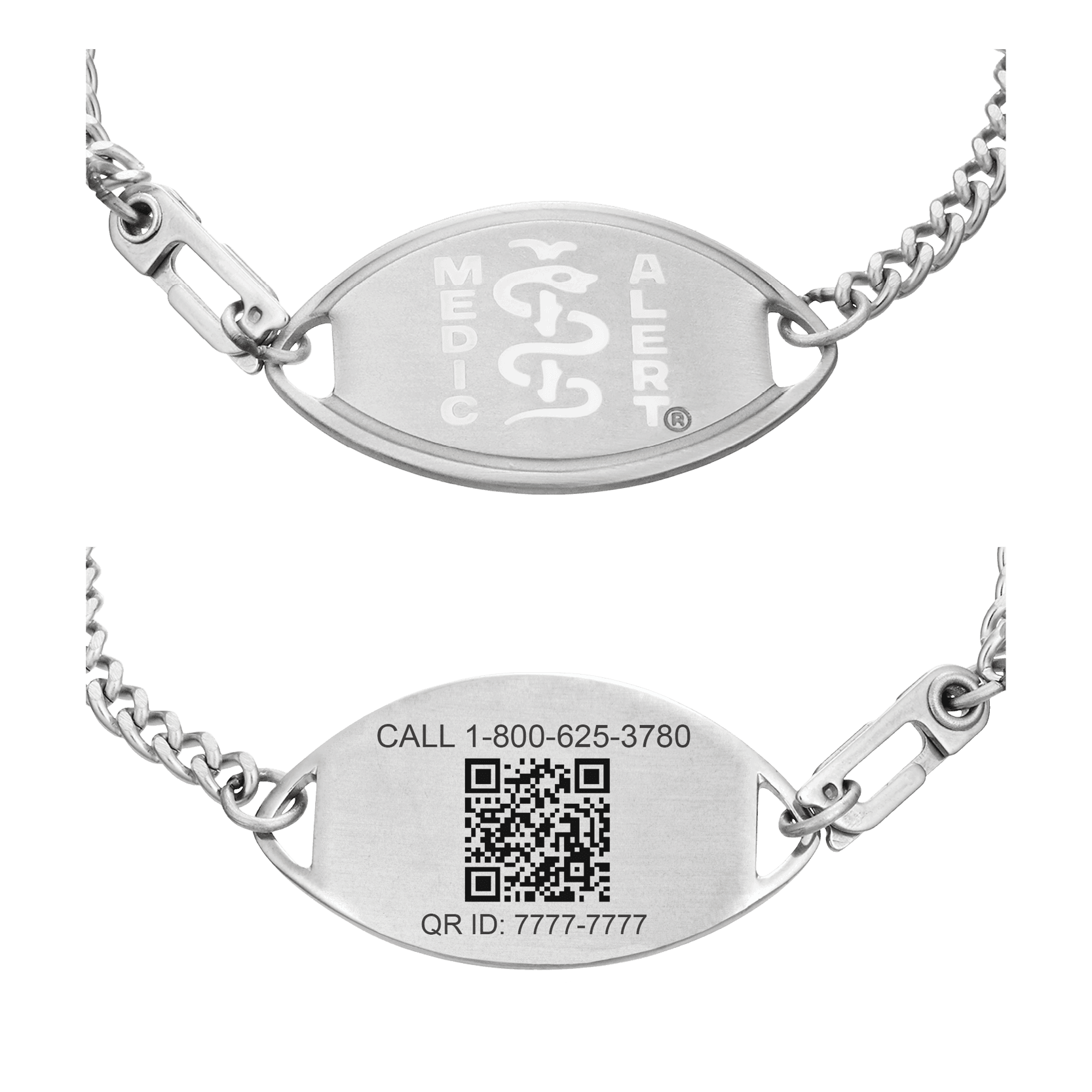
Medical ID jewelry is where personalization stops being decoration and starts becoming protection. The category began in 1956, when Dr. Marion Collins created the first MedicAlert bracelet after his daughter Linda had a near-fatal allergic reaction, and a San Francisco jeweler engraved her allergies on the back. That origin still shapes the best pieces today: they are meant to be worn every day, read fast in an emergency, and styled closely enough to ordinary fine jewelry that the wearer will actually keep them on.
The original personalization was medical, not sentimental
The first bracelets were built around immediacy. MedicAlert says the original ID was designed so Linda’s most urgent allergies could travel with her, and the organization now says it has helped save more than 4 million lives since 1956. It also describes itself as the original universal medical identification system, with 24/7 emergency support and a live US-based team behind its IDs. That history matters because it explains why this category has never been only about initials, dates, or family names. The personalization is about giving first responders the right information when the wearer cannot speak.
Engraving still does the fastest job
For many people, a traditional engraved ID is still the clearest option because the message is immediate and visible. MedicAlert says traditional IDs allow only 3 to 5 lines of engraving, so the hierarchy has to be ruthless: severe allergies first, then medications that affect treatment, then major conditions, implanted devices, and any special instructions. The organization also recommends common abbreviations such as HBP or HTN to compress meaning into a small surface, which is where the craft becomes editorial as much as medical. You are not just choosing what to say, you are choosing what emergency staff will see first.
That still leaves the question of placement, and here the old-school logic holds up. U.S. News notes that emergency responders are typically trained to look for medical identification, especially on the wrist or around the neck, which is why the bracelet and necklace formats remain dominant. If the piece is too ornate, too tiny, or too hidden to be recognized quickly, it fails at the one job that matters most.
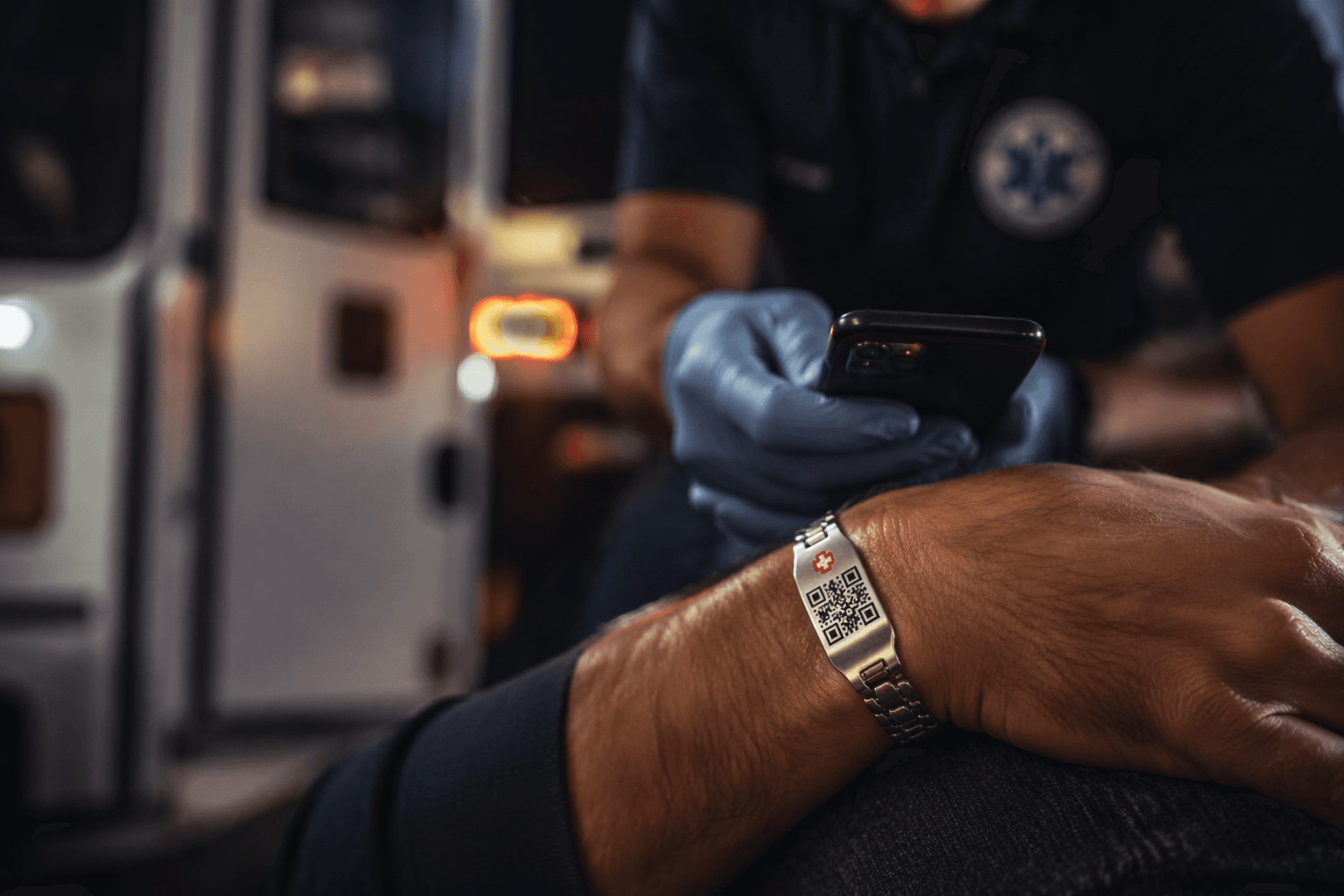
QR codes turn the ID into a living record
QR-code medical IDs change the category by moving information off the metal and into a linked profile. MedicAlert says a QR code can store medical history, medications, allergies, blood type, organ donor status, advanced directives, and emergency contact information. It also says updates appear in real time when the wearer changes the online profile, so a new bracelet is not needed every time a condition or prescription changes. For someone whose treatment is stable, engraving may be enough; for someone whose care changes often, the QR version is the more future-proof form of personalization.
That digital depth also changes privacy. MedicAlert frames QR-code IDs as discreet and accessible with a quick scan, which is a useful middle ground for wearers who do not want a full medical history visible on the surface of the jewelry. The tradeoff is simple: engraving gives instant readability, while QR codes give scope, privacy, and the ability to grow with the wearer’s health record.
The best pieces look like jewelry first
The strongest pieces in this category are the ones that behave like everyday jewelry without giving up emergency function. MedicAlert says stainless steel IDs are extremely durable, rustproof, and waterproof, which makes them a practical choice for daily wear, workouts, and showers. Its 14K gold line is 58.3% pure gold combined with alloys, while 10K gold-filled uses a thick layer of 10K gold bonded to a base metal such as brass. That split gives shoppers a clear material choice: higher-karat gold for a richer finish and greater durability, or gold-filled for a lower-priced look with a fine-jewelry feel.
The pricing tells the same story. MedicAlert’s own shop shows stainless steel bracelets in the $30 to $50 range, QR code silicone styles around $20 to $30, and 14K gold bracelets climbing from the thousands into luxury territory, including a Santa Rosa 14K gold bracelet priced at $2,560 and a Figaro Large 14K gold bracelet at $3,995. Those numbers make the category unusually broad: the same safety function can be delivered in a sporty silicone band, a polished steel chain, or a luxury gold bracelet that would not look out of place beside classic fine jewelry.
Who needs one, and why the wearability test matters
The public-health case is straightforward. MedlinePlus says people with diabetes, seizure disorders, or heart disease should always wear a medical alert bracelet or necklace that emergency workers can find, and the CDC advises people with diabetes to wear an ID bracelet or carry a card in a wallet during emergencies. MSD Manuals adds that alert jewelry can help identify the cause of coma or impaired consciousness, and it says people with a history of anaphylaxis or known insect-sting allergy should wear identification such as an alert bracelet. In other words, the right medical ID is not a niche accessory. It is a wearable record for moments when speech, memory, or consciousness may not be available.
That is why the category is moving beyond simple engraving. MedicAlert now sells bracelets, necklaces, QR-code IDs, watch accessories, location trackers, shoe tags, stickers, and other formats, which suggests the most wearable solution is often the one that fits the person’s daily routine. The design challenge is not just to make medical information legible. It is to make the wearer want to keep the piece on long enough for it to do its job.
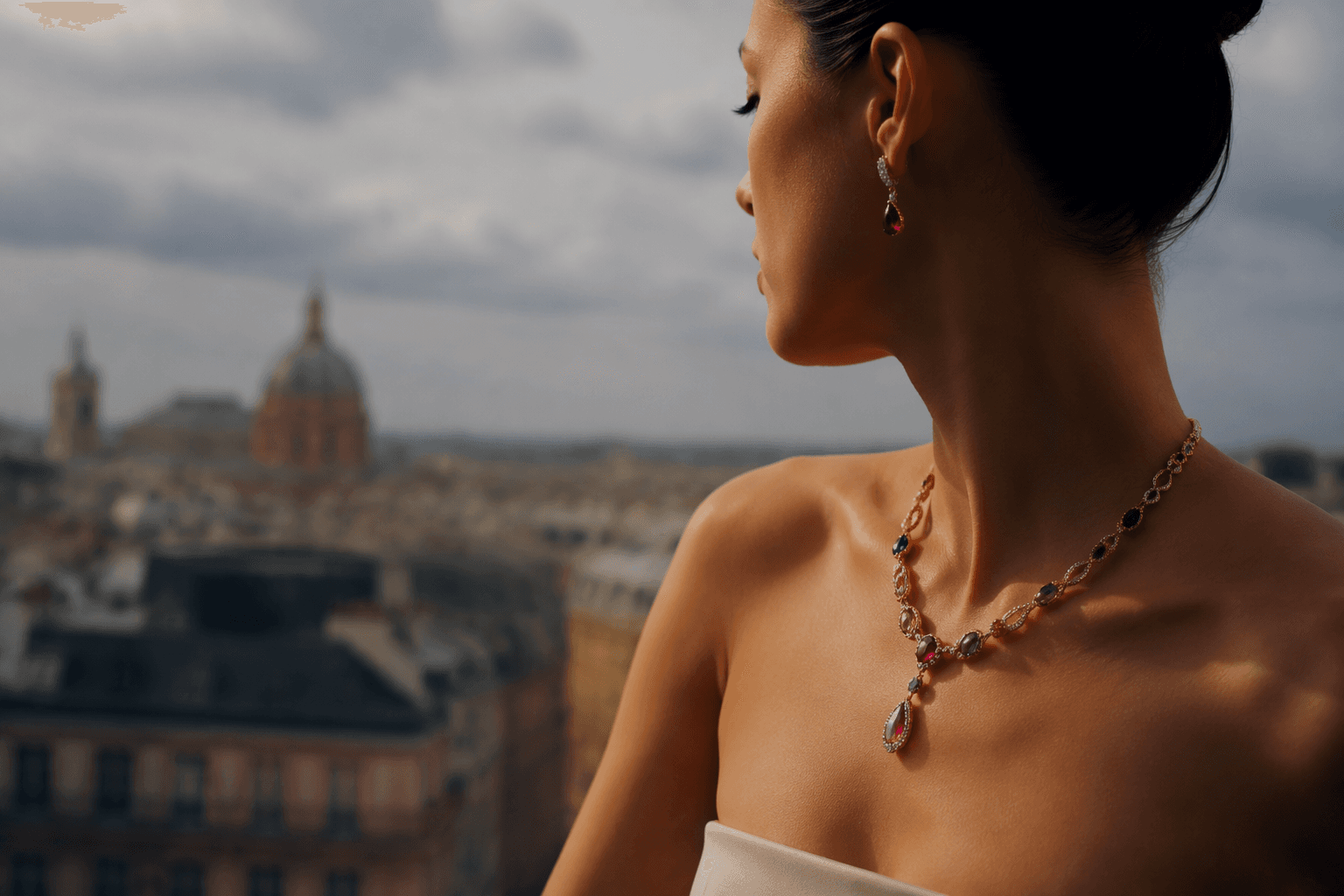
Medical ID jewelry has become one of the rare personalized categories where beauty and utility are inseparable. The best versions are not louder than the outfit; they are consistent enough to stay on the body, specific enough to be useful, and thoughtfully made enough to feel like real jewelry rather than a compromise.
This article was produced by Prism’s automated news system from verified source data, official records, and press releases, then run through automated quality and moderation checks before publishing. The system is built and supervised by the people who set the standards it runs under. Read our full AI policy.
Did this article answer your question?