Ultrahuman Ring PRO Opens U.S. Preorders With Subscription-Free Health Tracking
Ultrahuman's titanium Ring PRO cleared U.S. customs after a patent fight with Oura, opening preorders at $349 early-bird with no mandatory subscription fee.
After months of legal limbo, Ultrahuman's Ring PRO cleared U.S. Customs and Border Protection and opened American preorders on March 24, giving health-focused ring buyers their most specification-complete option yet in a category that Oura has long dominated.
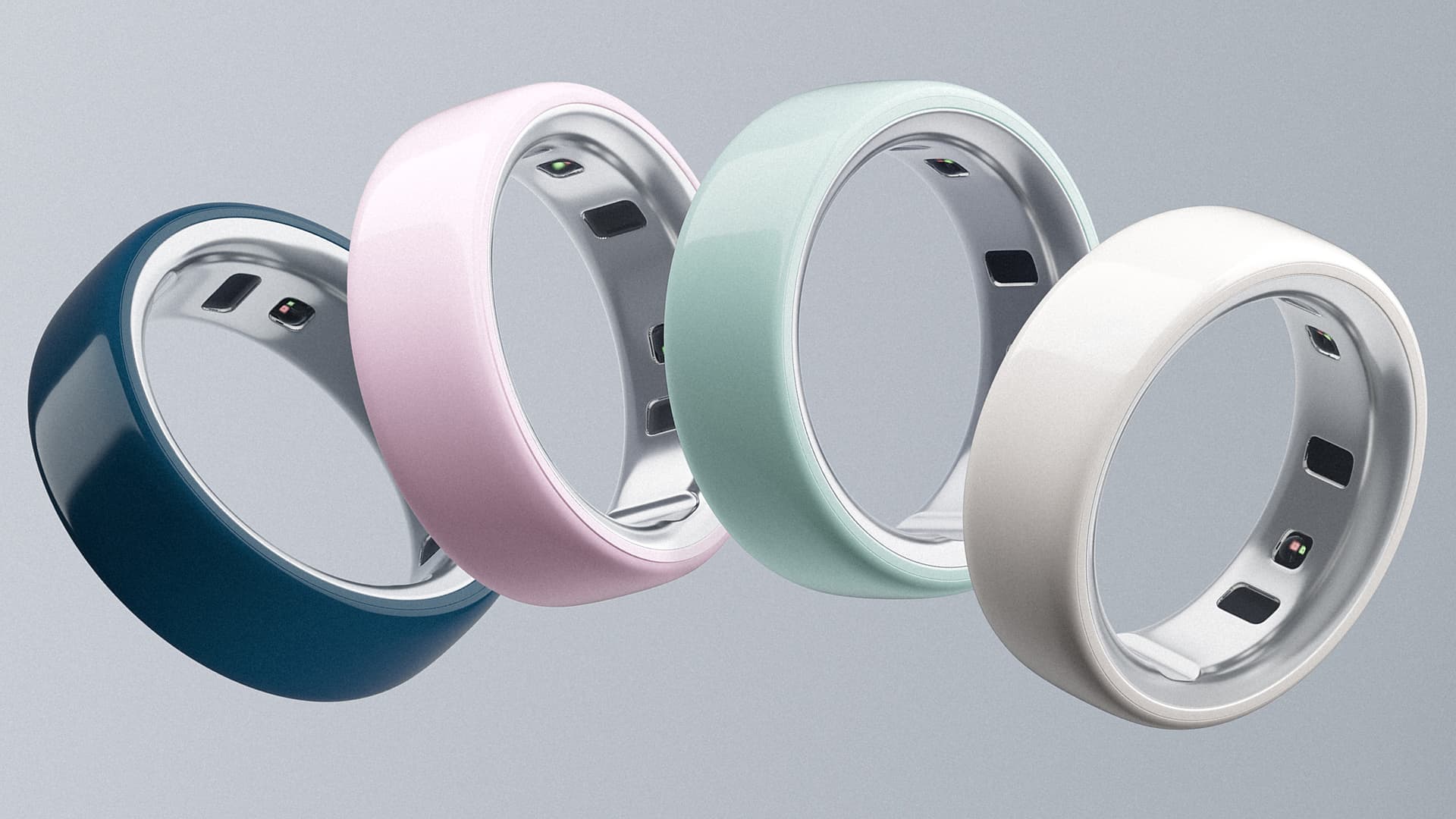
The ring that returned to the U.S. market is meaningfully upgraded from what Ultrahuman previously sold stateside. Ring PRO is the company's third-generation device, built on a titanium unibody architecture and offered in four finishes: Bionic Gold, Space Silver, Aster Black, and Raw Titanium, in sizes 5 through 14. Beneath the surface, a dual-core processor handles on-chip machine learning, and a redesigned heart-rate sensing system promises improved signal quality during sleep and recovery tracking. The ring stores 250 days of health data directly on the device, eliminating any dependency on cloud infrastructure.
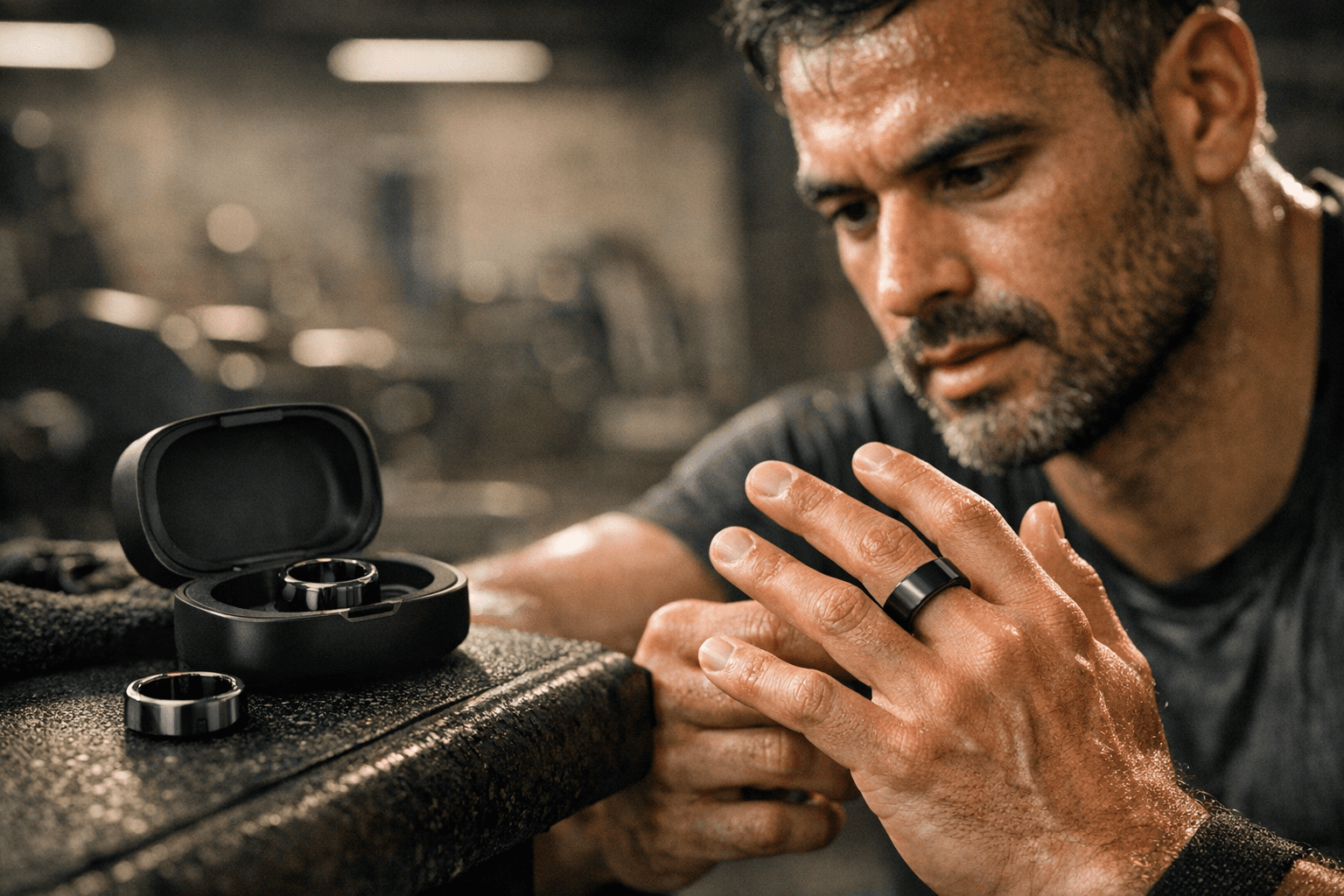
Battery performance is the specification Ultrahuman leaned on hardest at launch. Ring PRO delivers up to 15 days on a single charge. Paired with the new PRO Charging Case, that figure stretches to 45 days. The case itself is a considered piece of hardware: it incorporates magnetic UltraSnap charging, Find My-style location tracking via an integrated speaker and app-guided proximity sensing, Qi wireless charging, haptic confirmations, an LED battery indicator, and a direct firmware update pathway.
Pricing was structured to reward early commitment. The first 1,000 preorder customers received Ring PRO and the PRO Charging Case together for $349, a bundle carrying a standard retail value of $479. Subsequent early-bird tiers stepped the price upward incrementally. After the preorder window closes, Ring PRO will sell at $399 alongside the smaller Charger Mini, with the PRO Charging Case available separately for $100. Shipping is set to begin May 15.
The subscription model, or rather its absence, is Ultrahuman's sharpest competitive argument. Sleep, recovery, movement, stress, and circadian tracking all remain free with no expiration. Optional paid capabilities, sold under the PowerPlugs name, unlock medical-grade features including AFib detection (a claimed first for any smart ring), ovulation tracking at over 90 percent stated accuracy, snoring analysis, and GLP-1 medication monitoring.
The stakes of this re-entry are concrete: the U.S. market accounts for roughly 45 percent of Ultrahuman's approximately 700,000 daily active users. Oura responded to the CBP clearance by calling it "a narrow, initial customs determination" covering only one patent, noting it was evaluating potential appeals in the Eastern District of Texas. That litigation risk has not fully dissipated; it has simply shifted to the next arena.
A titanium ring that monitors your body around the clock, holds nearly a year of personal data on-board, and charges nothing monthly is a different category of personal object. Whether the hardware delivers on those claims is something 250 days of continuous data will settle definitively.
Know something we missed? Have a correction or additional information?
Submit a Tip