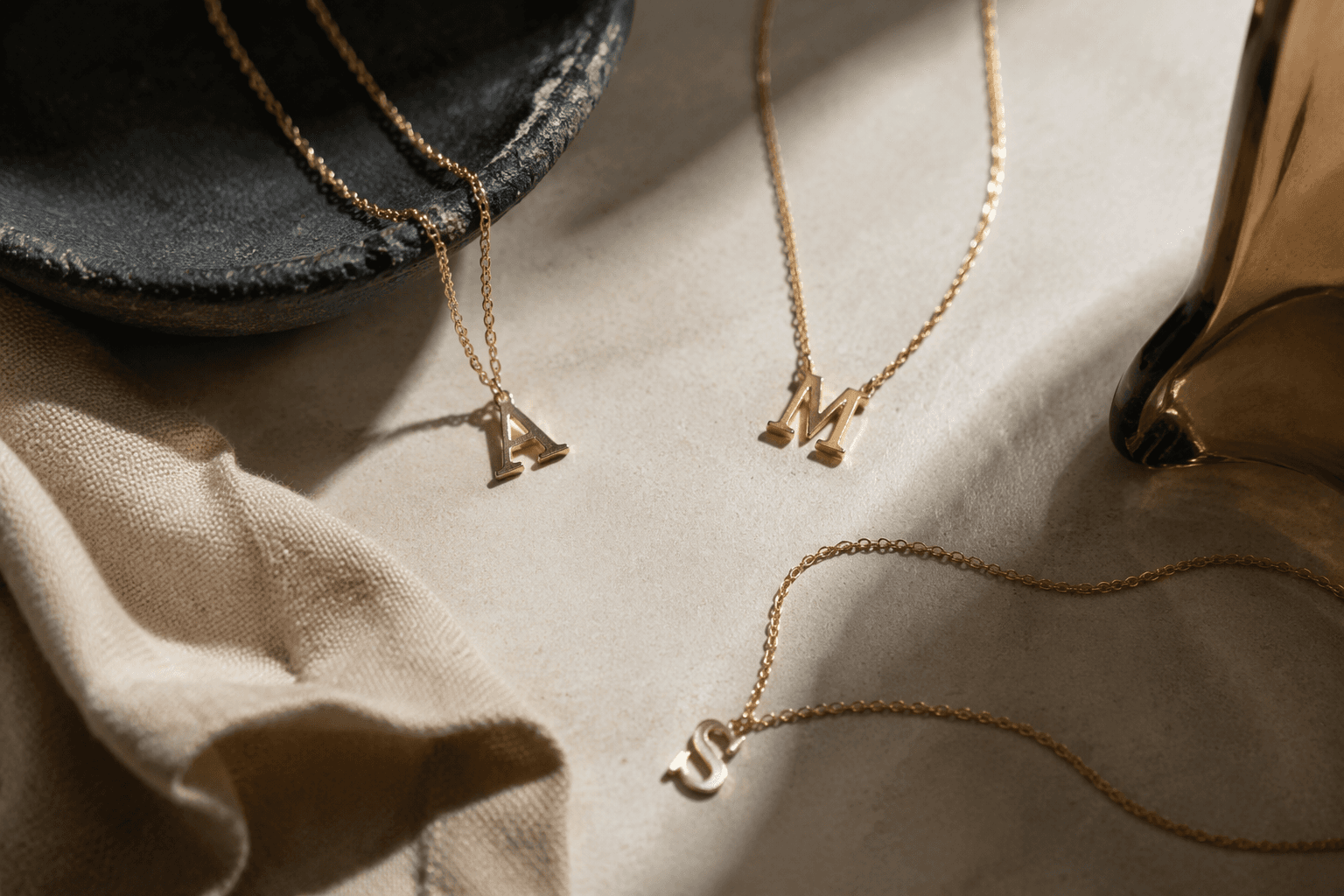
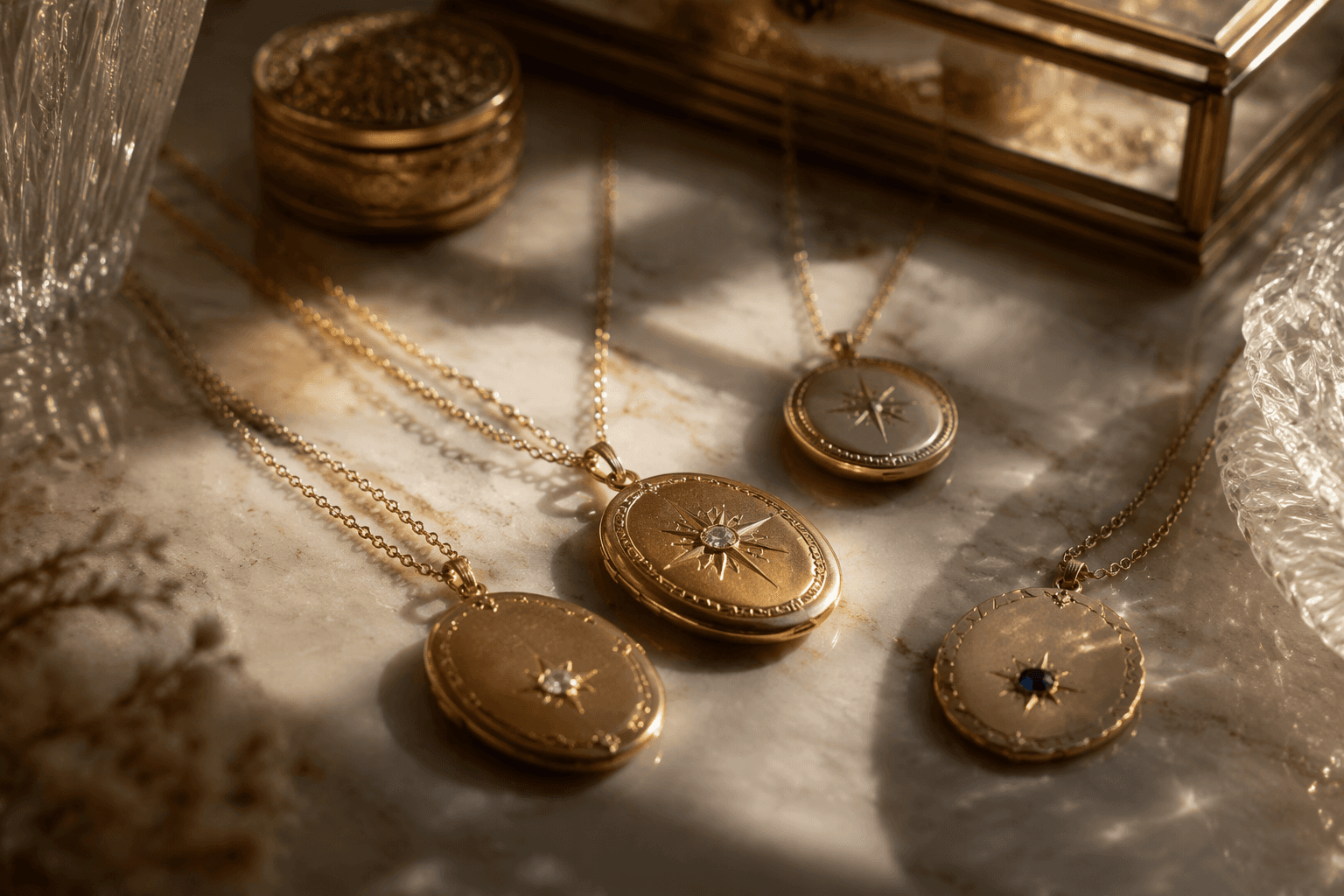
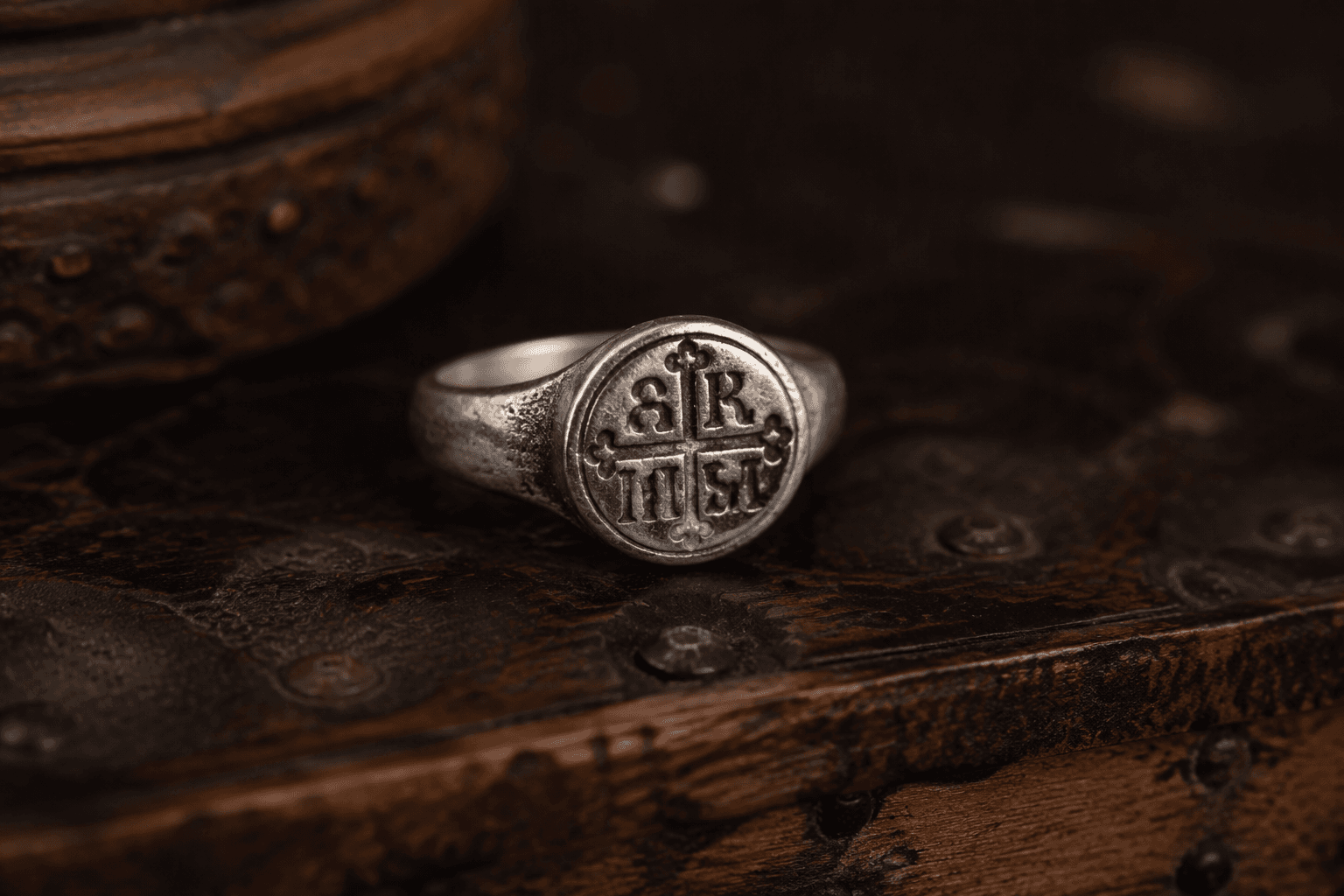
Why personalized jewelry feels more meaningful than generic pieces
Names, dates, birthstones, and handwriting turn jewelry into a memory you can wear, which is why personalized pieces often feel more valuable than louder, generic ones.
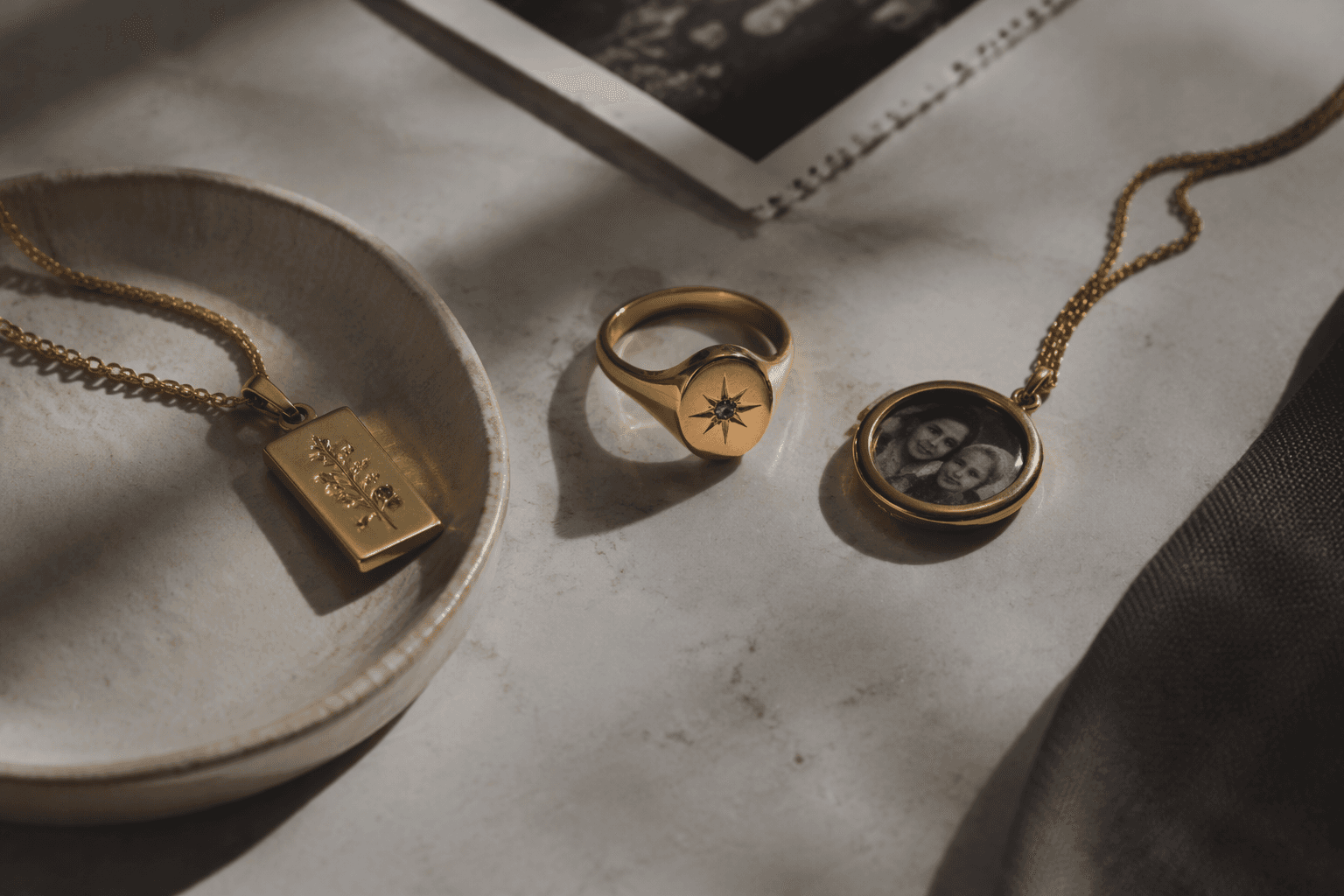
A necklace stamped with a daughter’s name, a ring engraved with a wedding date, or a bracelet set with a mother’s birthstone turns metal and stone into a private record of family, memory, and identity. Personalized jewelry keeps winning, even when the silhouette is simple and the price is not.
Why the personal reads instantly
Personalized jewelry works because it asks the wearer to see themselves in the piece. A pendant with initials or a date is not just a style choice, it is a wearable marker of self, relationship, or milestone. The effect is immediate: a small disc engraved with a name can feel more consequential than a larger but anonymous diamond charm because the design already belongs to someone’s story.
Research published in Psychology & Marketing showed that personalized gifts create lasting emotional connections, and recipients of personalized gifts felt more cherished and more confident in themselves.
What makes a custom piece feel truly personal
The strongest personalization is usually the kind that can be recognized in a single glance, or in one private glance only the owner understands. Names, initials, birthstones, dates, handwriting, symbolic charms, coordinates, fingerprints, zodiac signs, and even pet portraits all work because each one points to a specific life, not a generic aesthetic. The most effective pieces do not just add decoration, they add context.
- Initials and names give the piece a direct identity cue, especially on pendants, signet rings, and bar bracelets.
- Dates turn a jewel into a memory marker, whether that is a birthday, wedding date, graduation, or the day a child arrived.
- Birthstones introduce color and symbolism at once, which is why they are such a reliable choice for gifts across generations.
- Handwriting engraving feels especially intimate because it preserves the physical trace of a person’s script, not just their words.
- Symbolic charms, coordinates, fingerprints, and zodiac signs work best when the meaning is specific enough that the wearer can read it as a personal code.
Business Research Insights placed the personalized jewelry market at USD 42,512.2 million in 2024 and projected a 8.60 percent CAGR from 2024 to 2031. Arizton valued the U.S. jewelry market at USD 78.40 billion in 2024 and forecast it would reach USD 97.62 billion by 2030.
Why the brain holds on to it
A 2011 article on self-referencing and memory in the National Center for Biotechnology Information archive found that information linked to the self is remembered better than information that is not. Personalized jewelry uses that effect in a very tactile way: the exact spelling of a child’s name, the coordinates of a meaningful place, or the date on a wedding band becomes easier to remember because it is tied to the wearer’s own story.
*Personal Memories and Bodily-Cues Influence Our Sense of Self*, in the National Institutes of Health and PMC archive, links personal memories and bodily cues to a person’s sense of self. Jewelry sits directly on the body, which makes it especially effective as a memory cue. A fingerprint ring or a memorial pendant does not sit in a drawer as information, it moves with the wearer through the day, so the memory stays physically close.
Visible personalization and hidden meaning
Not every custom piece has to announce itself. Some of the most compelling jewelry is overt, with a nameplate necklace or a birthstone ring that can be read at a glance. Others are intentionally concealed, with an engraving inside a band, a message on the back of a pendant, or a charm that only the owner fully understands.
Why gifting feels safer when the piece is specific
Gift-giving is where personalization becomes especially persuasive. Giving the right gift is difficult because givers and receivers do not always agree on what makes a gift right. Personalization reduces that uncertainty by narrowing the field: a birthstone, a monogram, or a date signals attention to the recipient’s life rather than a one-size-fits-all idea of luxury.
That matters at anniversaries, new baby celebrations, memorials, and graduations, when the emotional brief is clearer than the fashion brief. A personalized bracelet can mark the birth of a child, while a memorial necklace or engraved remembrance piece can preserve the presence of someone lost. Memorial jewelry and mourning jewelry have long been used as keepsakes to honor loved ones and hold memory in a form that can be worn close to the skin.
Birthstones, craftsmanship, and why the setting matters
Birthstone jewelry carries its own long history, and it remains one of the easiest ways to make a jewel feel personal without making it loud. Modern marketing still leans on birthstones because they combine identity with symbolism, and they translate neatly across rings, pendants, and bracelets. A bezel setting often makes sense for a daily-wear birthstone because the metal rim protects the stone’s edges, while prongs can allow more light into a faceted gem but leave it more exposed. In personalized jewelry, that practical difference matters because the piece is often meant to be worn constantly, not saved for special occasions.
The same logic applies to engraving and format. A signet ring offers enough surface for initials or a crest-like symbol. A slim bar pendant reads cleanly when a date or coordinate is engraved in a restrained font. A charm bracelet can carry several smaller markers, which suits family stories that unfold over time.
This article was produced by Prism’s automated news system from verified source data, official records, and press releases, then run through automated quality and moderation checks before publishing. The system is built and supervised by the people who set the standards it runs under. Read our full AI policy.
Did this article answer your question?