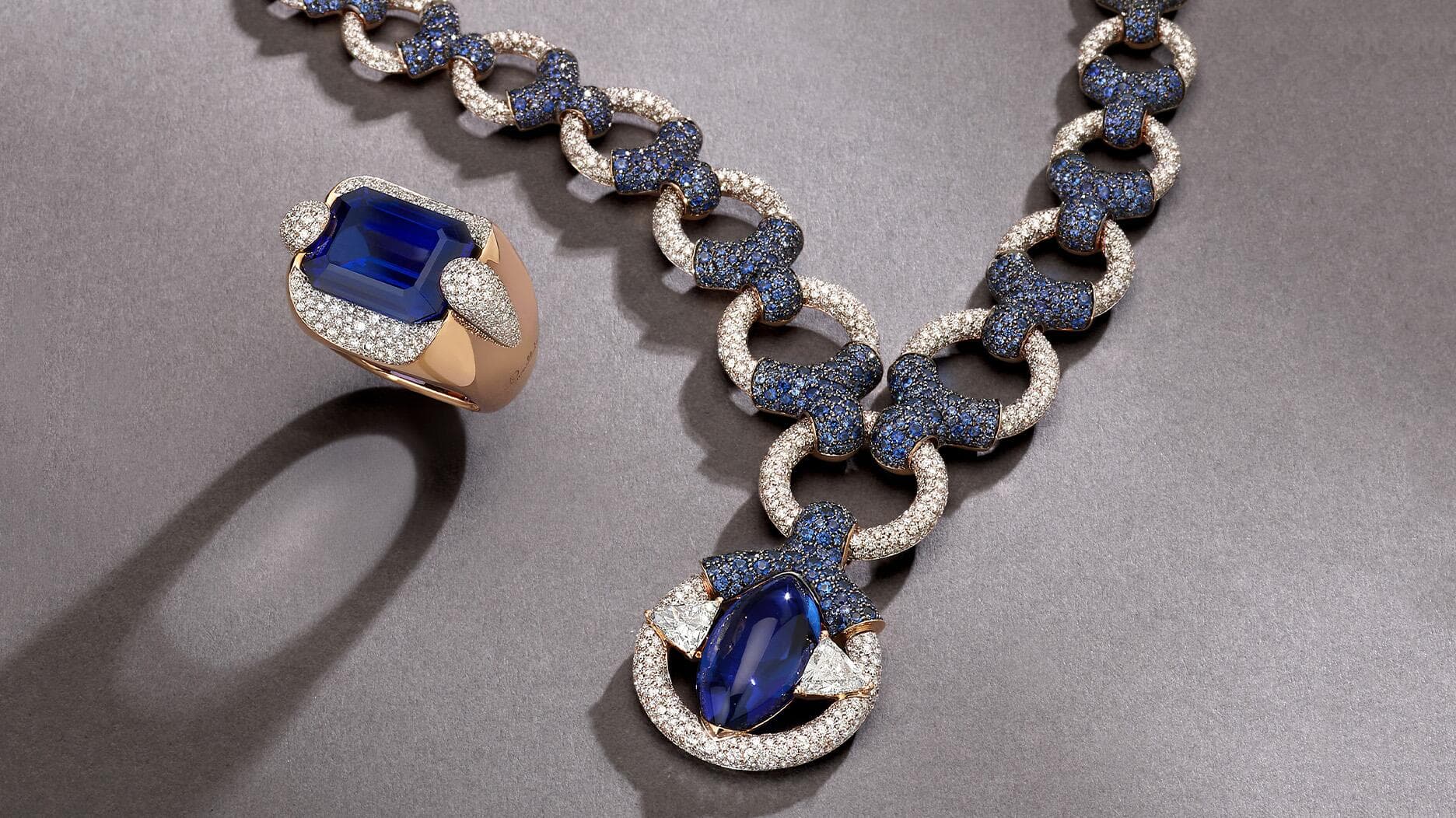
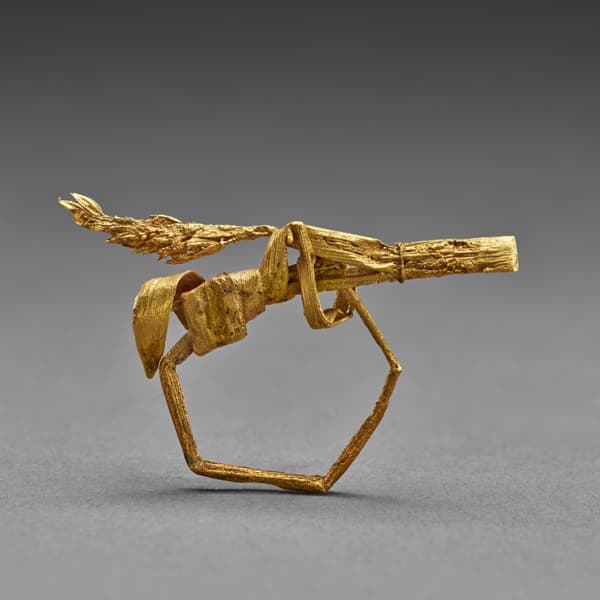
Antique gems shine again as vintage jewelry returns to luxury
Antique stones are back in luxury, but the sharpest buys are the ones with readable hallmarks, hand-cut character, and a remount that respects the past.
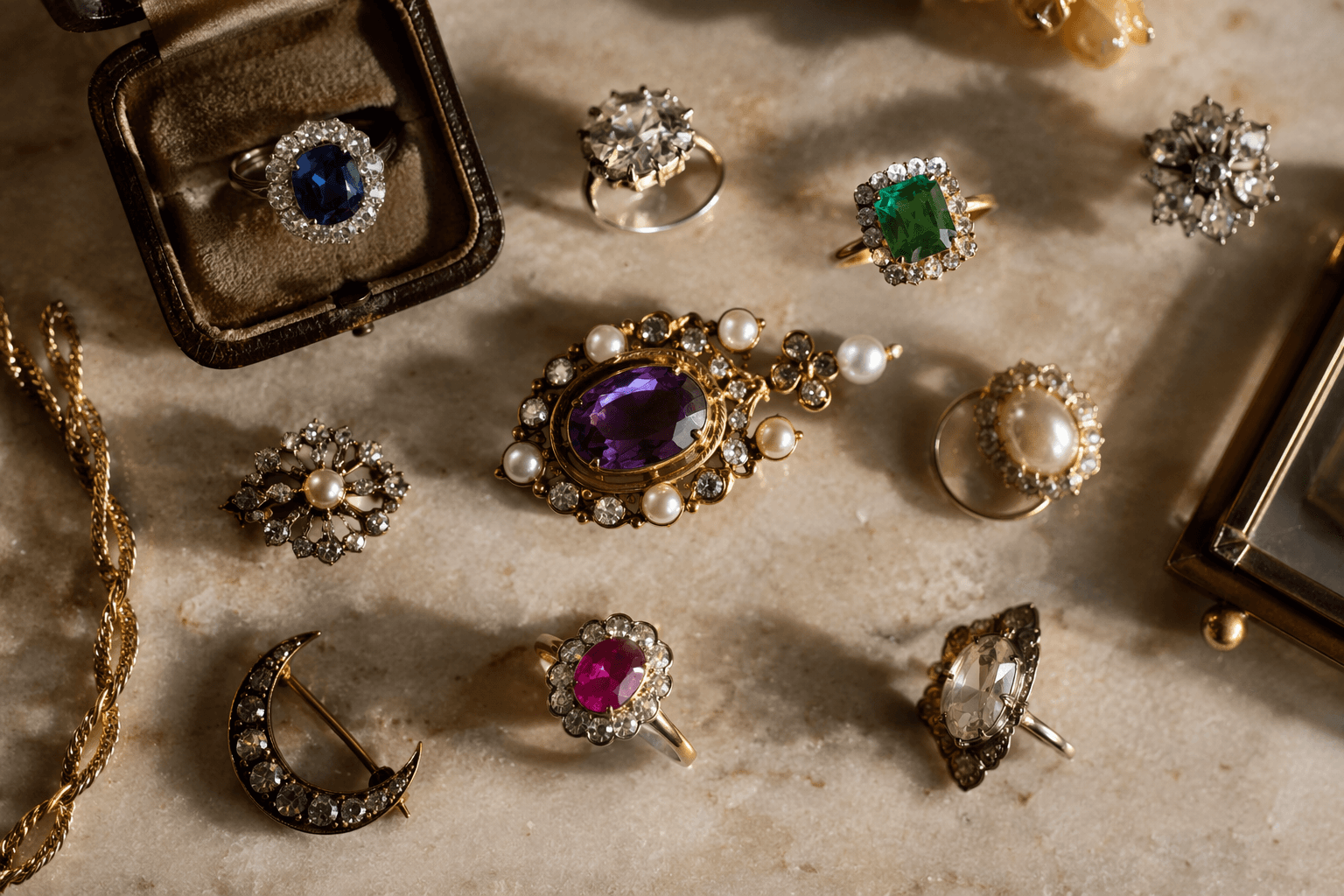
Old mine cuts and other old-cut diamonds are leading Spring/Summer 2026 jewelry, along with period settings that preserve their original silhouette and remounts that keep a stone’s history visible rather than burying it under novelty. Luxury jewelry is rewarding pieces that still show the touch of the hand.
What counts as antique now
In jewelry terms, antique means more than merely old. Pieces that are more than 100 years old, which places them before 1925, are generally classified as antique; later pieces fall into vintage or estate territory, even when they carry the same romance on the wrist or finger. That distinction matters because an Edwardian ring, a 1970s revival piece, and a newly made “vintage-inspired” design can look similar at a glance, but they do not belong to the same market or the same value conversation.
The eras collectors use as a map are equally important: Georgian, Victorian, Edwardian, Art Nouveau, Art Deco, Retro, and Mid-Century each left behind recognizable proportions, metal choices, and surface detail. Georgian jewels tend to read as handmade and romantic; Edwardian pieces often lean lacy and platinum-heavy; Art Deco favors geometry and contrast; Retro brings bolder gold.
The cuts designers are reaching for
The cut leading this return is the old mine cut, a vintage diamond style that recalls the era when stones were measured by eye and shaped entirely by hand, designed to sparkle beautifully in candlelight. It usually shows a soft, squarish outline, a smaller table, a larger culet, a higher crown, and short lower-half facets.
Early cutters followed the diamond crystal’s natural form, so dimensions varied from stone to stone, which means no two old mine cuts read exactly alike. A modern cushion brilliant may echo the shape, yet it will usually feel more uniform, more polished, and less historically specific than a true antique stone.
That is why the buying strategy for 2026 should begin with the stone, not the setting. If the diamond itself is genuinely antique, you want to keep its proportion, culet, and facet pattern intact. If a new stone is cut to look antique, it may deliver the silhouette, but it will not carry the same scarcity, nor the same value logic, because rarity in this category comes from age, workmanship, and survival as much as from carat weight.
Settings and remounts that make antique gems feel current
The most persuasive remounts are the quiet ones. A bezel setting, which wraps metal around the stone’s edge, can protect an old gem with a worn girdle or a softer outline, while also giving the jewel a sleek, contemporary profile. A prong setting shows more of the stone and can make an antique diamond feel lighter and more open; four-prong settings expose more of the gem, while six-prong settings have long been a staple of engagement-ring design.
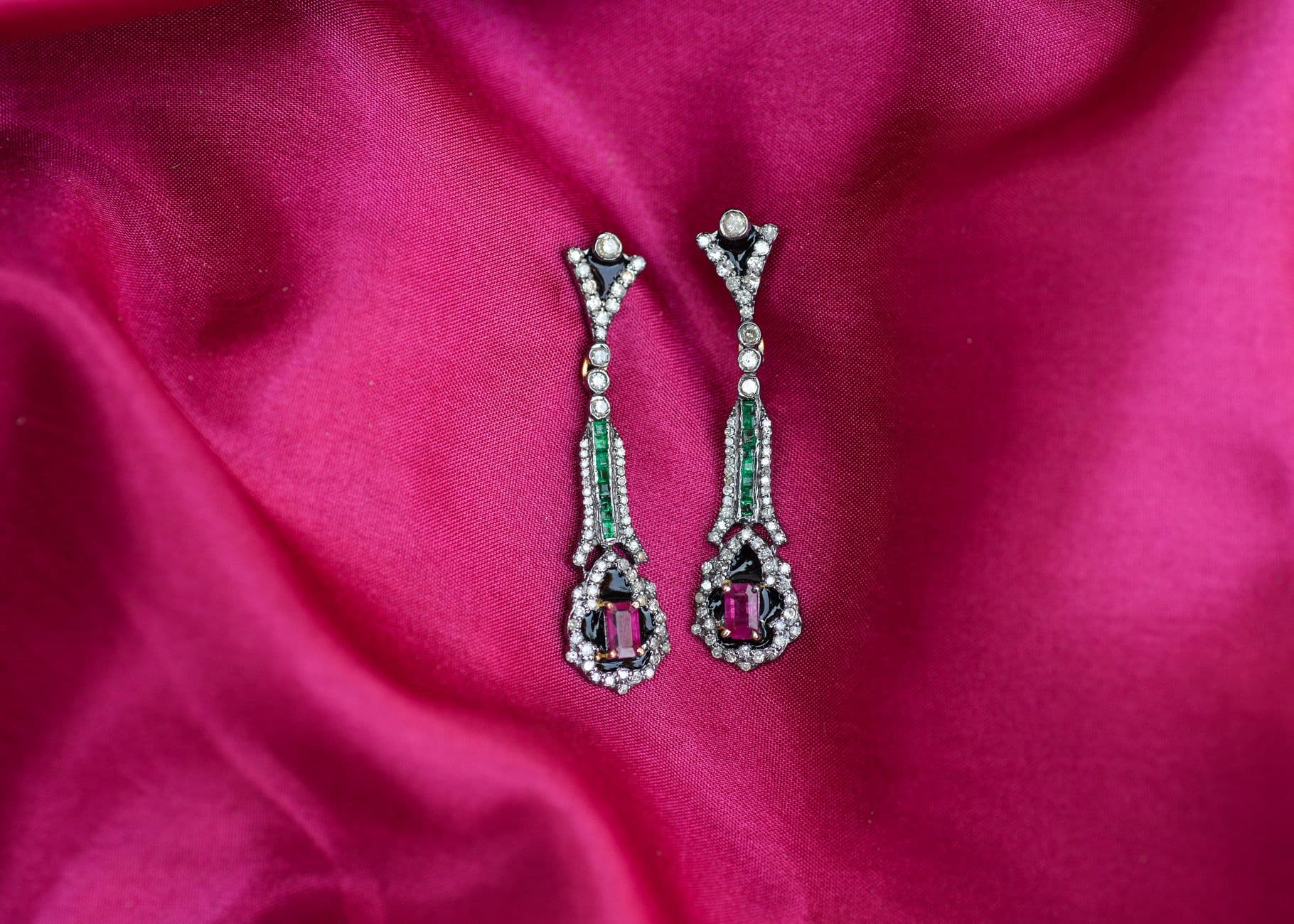
For Spring/Summer 2026, the smartest remounts are those that respect the era while updating the wear. Old mine cuts look especially strong in yellow gold, where the warmth flatters the stone’s softer flashes; Edwardian stones can stay airy in platinum; Art Deco bracelets and brooches benefit from crisp restoration that preserves their geometry rather than over-polishing away their edges. When the original mount is structurally sound, keep it. When it is not, preserve it separately and move the gem into a cleaner frame rather than forcing the antique to perform like a modern ring.
How to tell the real thing from a vintage-inspired remake
The quickest test is the surface language. A true antique old mine cut should show the softness and slight irregularity that come from hand finishing, while a modern reinterpretation often looks too even, too calibrated, or too obedient to a current template. Hallmarks help too: a maker’s mark can identify who submitted the piece, fineness marks tell you the metal purity, and date letters or assay marks can help place the jewel in time.
A jewel with a visible maker, a coherent period mount, and a traceable history is easier to price, insure, and resell than one that only imitates the look of age. Provenance does not rescue a weak jewel, but it can lift a strong one, especially when the piece comes from a recognizable retailer or a well-curated estate program.
That appetite is visible in the trade itself. In 2026, retailers, dealers, and shows leaned harder into estate and antique offerings, from Randi Molofsky’s For Future Reference Vintage to Greenwich St. Jewelers’ first estate capsule collection and KIL Promotions’ winter edition of the NYC Jewelry, Antique, & Object Show. Molofsky’s vintage brand first landed at Bergdorf Goodman, and by 2026 it had become part of the luxury retail conversation rather than a niche detour.
This article was produced by Prism’s automated news system from verified source data, official records, and press releases, then run through automated quality and moderation checks before publishing. The system is built and supervised by the people who set the standards it runs under. Read our full AI policy.
Did this article answer your question?