MFAH to present first U.S. Bernhard Schobinger retrospective
Bernhard Schobinger’s first U.S. retrospective will bring asphalt shards, salvaged glass and fishing lures to MFAH, reframing reuse as luxury’s rival.
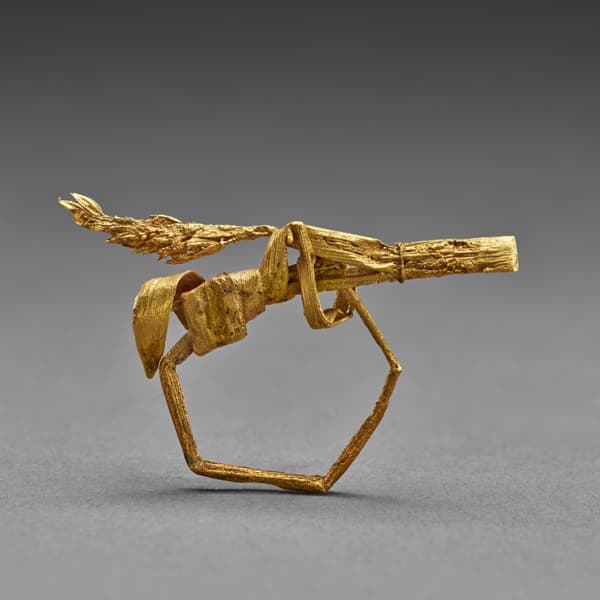
Bernhard Schobinger’s jewelry, built from asphalt shards, salvaged glass and fishing lures, is headed to Houston for the first U.S. retrospective devoted to his career. The Museum of Fine Arts, Houston will present Going Underground: The Jewels of Bernhard Schobinger from September 3, 2026, to January 3, 2027, in the Nancy and Rich Kinder Building on the museum’s main campus.
The exhibition will include 53 works spanning 1968 to the present, drawn from private collections and MFAH Collections. Necklaces, bracelets, rings and selected sculptures will be installed in dialogue with World War II, punk music and the political and cultural forces that shaped Schobinger’s life.
His aesthetic draws on Dadaism, Concrete Art and Japanese culture. The material list includes fishing lures, wedding rings recovered during decades of diving in Lake Zurich, metal and asphalt shards dug from a decrepit New York City street in the late 1970s, plus glass, nails and saw blades.
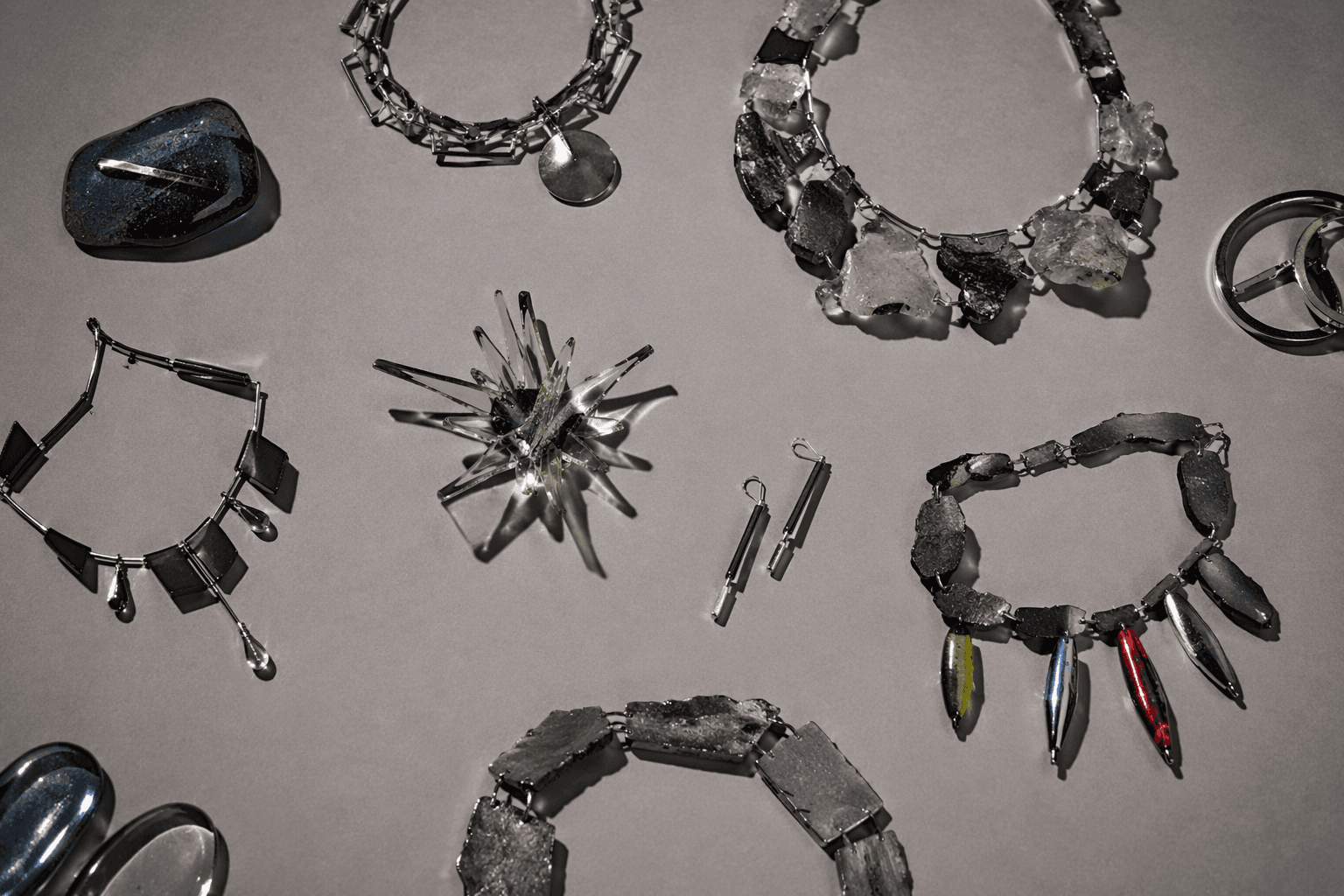
Born in Zurich on January 18, 1946, Schobinger studied at Kunstgewerbeschule Zürich from 1962 to 1963 and trained as a goldsmith at E. Kundig & Co. from 1963 to 1967 before maintaining an independent studio in Richterswil from 1968. His exhibition history includes major presentations in Europe and at institutions such as Stedelijk Museum ’s-Hertogenbosch and the Museum of Arts and Design.
MFAH has also scheduled a curator tour for December 3, 2026, and a Perspectives on Contemporary Jewelry symposium for September 26, staged in conjunction with the Schobinger show and an exhibition of German jeweler Dorothea Prühl’s work.
This article was produced by Prism’s automated news system from verified source data, official records, and press releases, then run through automated quality and moderation checks before publishing. The system is built and supervised by the people who set the standards it runs under. Read our full AI policy.
Did this article answer your question?