Archival Diamonds and Bold Gems Defined the 2026 Oscars Red Carpet
Archival diamonds and bold colored gems dominated the 98th Academy Awards red carpet, signaling a decisive shift in how Hollywood wears fine jewelry.

The 98th Academy Awards did not belong to any single film or filmmaker. On the red carpet, it belonged to the jewels: a procession of archival diamonds, unusually saturated colored gemstones, and statements bold enough to outlast the evening's speeches. Karen Dybis, writing for JCK, captured the mood precisely when she framed the night as a significant moment for celebrity jewelry, one where the pieces carried their own narrative weight independent of the gowns they accompanied.
What made this Oscars season distinct was not the volume of jewelry on display but the intentionality behind each choice. Celebrities and their stylists leaned into provenance, rarity, and chromatic daring in ways that felt less like accessorizing and more like curating. The result was a red carpet that rewarded close attention, where the closer you looked, the more there was to see.
Archival Diamonds Take Center Stage
The evening's most consistent thread was a return to archival diamond pieces, the kind of jewelry that arrives with a history attached. These were not newly commissioned showpieces dressed up to look old; they were genuinely storied objects, chosen because their origins matter as much as their appearance. For collectors and gemologists watching from home, this represented a meaningful signal: the industry's most visible showcase was validating the idea that a diamond's past is part of its value.
Archival pieces tend to carry hallmarks of their era in their settings as much as their stones. Milgrain edging, old European cuts, rose-cut diamonds set in platinum filigree, and hand-engraved bezels all communicate a kind of lapidary patience that modern production cannot replicate at scale. When these details appeared on the Oscars carpet, they read not as nostalgia but as connoisseurship.
Unusual Colored Gemstones Commanded Attention
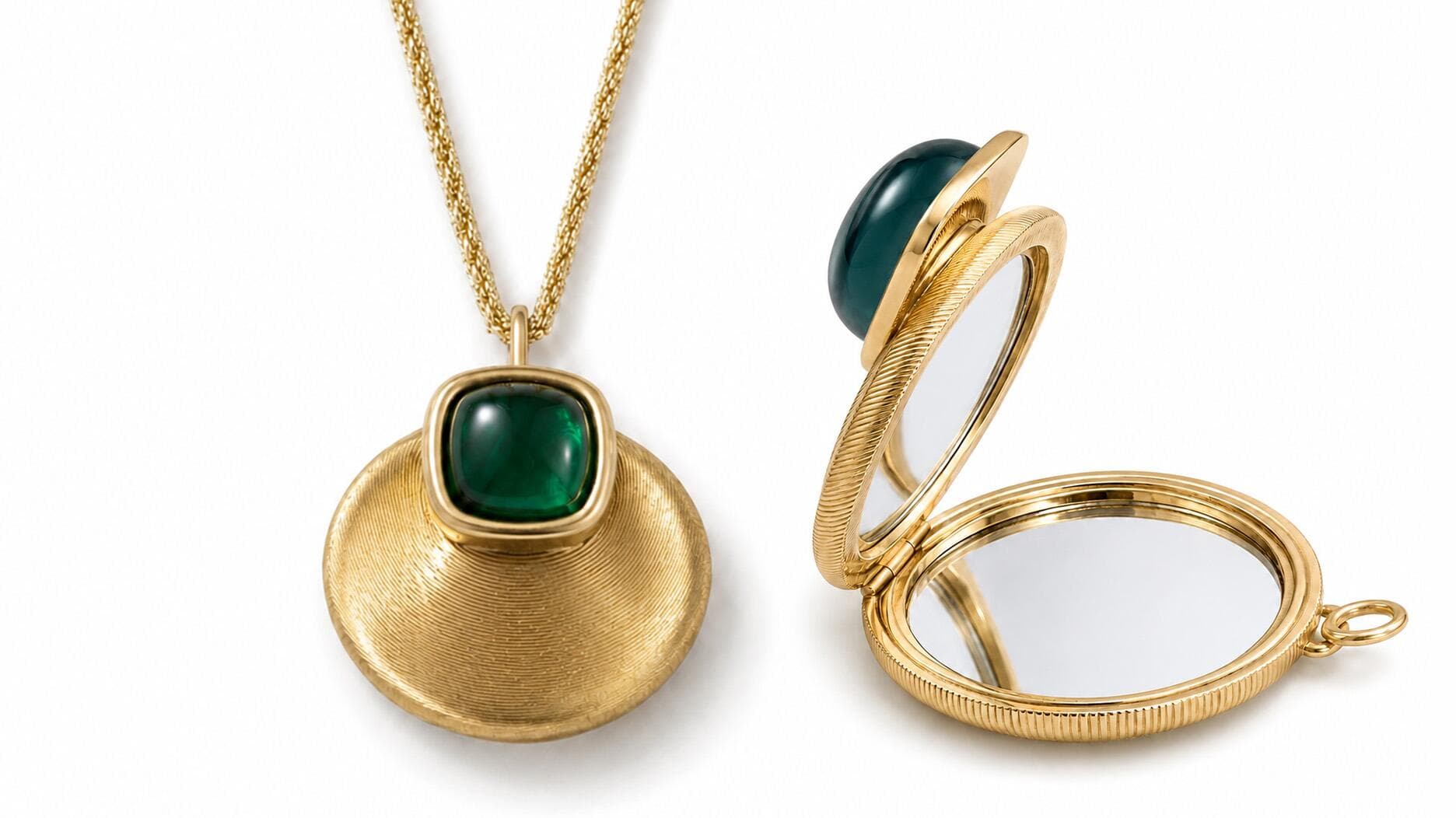
Alongside the diamonds, unusual colored gemstones made an emphatic case for themselves. These were not the predictable rubies and sapphires of awards seasons past; the palette ran toward rarer, more chromatic choices that required genuine gemological knowledge to source and set. Alexandrite, spessartite garnet, paraiba tourmaline, and similarly saturated stones have been climbing in collector interest for several years, and the Oscars carpet reflected that trajectory in real time.
The appeal of unusual colored gems is partly about rarity and partly about personality. A stone with a distinctive color story, a paraiba with its neon teal fluorescence or a padparadscha sapphire hovering between salmon and pink, communicates taste in a way that a commercially familiar stone cannot. Stylists who chose these pieces for the 98th Academy Awards were making a deliberate argument about what sophisticated jewelry looks like in 2026.
The Provenance Question
For readers who care about where jewelry comes from, the Oscars red carpet always raises a version of the same question: do the stones have documented origins? With archival pieces, the answer is genuinely complex. Diamonds mined and cut before modern certification frameworks, including the Kimberley Process, which was established in 2003, exist in a kind of ethical grey zone. Their provenance may be traceable through historical auction records, estate documentation, or maker's marks, but rarely through the chain-of-custody paperwork that contemporary responsible sourcing demands.
This is not a reason to dismiss archival jewelry outright. A piece that has circulated through reputable auction houses, been catalogued by major estates, and carried consistent documentation has a defensible history. But it is worth noting that "archival" and "ethical" are not synonyms, and the industry's growing appetite for vintage diamonds deserves scrutiny alongside celebration. Buyers inspired by what they saw on this carpet should ask specific questions: Is there auction provenance? Has the piece passed through a certified estate dealer? Are there maker's marks that can be cross-referenced?

Colored Gemstone Sourcing in 2026
For the unusual colored gems that dominated the other half of the conversation, contemporary sourcing standards are more applicable. Paraiba tourmalines from Brazil and Mozambique, for instance, can now be accompanied by country-of-origin reports from laboratories including the Gemological Institute of America and Gübelin Gem Lab. Alexandrite from Heirloom Russian deposits versus newer Sri Lankan or Brazilian sources carries measurable differences in both appearance and documentation.
The best colored gemstone jewelry shown at events like the Oscars increasingly comes accompanied by laboratory reports that specify not just quality grades but geographic origin, a detail that carries both aesthetic and ethical weight. A Burmese ruby versus a Mozambican ruby may be visually similar but carries entirely different geopolitical context for a buyer who cares about their stone's full story.
Settings as Storytelling
One of the underappreciated dimensions of the 2026 Oscars jewelry moment was the quality of the settings themselves. A stone's cut and color are only half the conversation; the metalwork that holds it communicates equally as much about a piece's era, origin, and ambition. The archival pieces on display demonstrated how differently skilled hands worked in platinum and gold across different decades, from the geometric precision of Art Deco mountings to the organic, nature-inspired forms of Edwardian and Belle Époque design.
For anyone studying these pieces closely, the setting is often the most reliable indicator of authenticity and period. A genuine Art Deco mounting will show hand-fabrication marks, slightly irregular milgrain work, and a weight and density in the metal that modern casting cannot fully mimic. These are the details that separate a piece worth preserving from a period-style reproduction.
What the 98th Academy Awards Said About Jewelry's Direction
The cumulative message of the 98th Academy Awards red carpet was that jewelry is being taken seriously again, not as an accessory to fashion but as a discipline with its own history, vocabulary, and standards. Archival diamonds and bold colored gemstones are not opposites; they are two expressions of the same underlying impulse, which is the desire for a piece that means something beyond its market value.
JCK's coverage of the evening, anchored by Karen Dybis, captured ten looks that exemplified this shift. The specifics of each look, the exact stones, the named houses, the documented carats, point toward a red carpet culture that is becoming more literate about what it wears. That literacy is the most encouraging development of the evening, and it suggests that the conversations happening in auction houses, gem labs, and collector circles are finally reaching the broadest possible audience.
The pieces that resonated most were those that rewarded knowledge: stones with documented origins, settings with period-accurate construction, and jewelry chosen because it had something to say. That standard, once the province of specialist collectors, is increasingly the expectation on the world's most watched red carpet.
This article was produced by Prism’s automated news system from verified source data, official records, and press releases, then run through automated quality and moderation checks before publishing. The system is built and supervised by the people who set the standards it runs under. Read our full AI policy.
Did this article answer your question?