Cartier devotee collection goes on display, provenance adds value
Cartier’s display turns provenance into a collector’s map: signed design, documented ownership and museum history can lift a jewel far beyond its metal and stones.
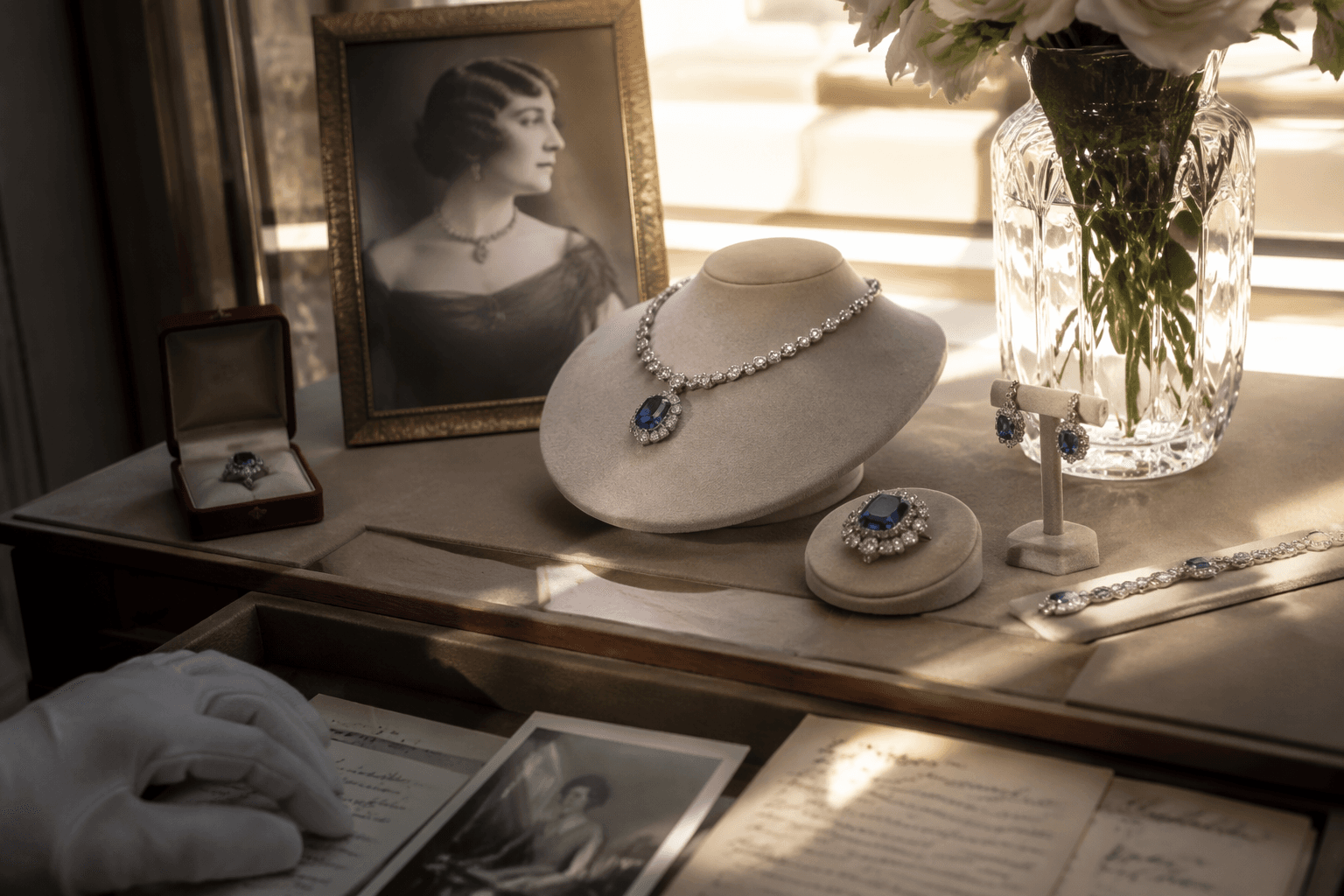
The Victoria and Albert Museum’s Cartier exhibition at V&A South Kensington ran from 12 April 2025 to 16 November 2025 and gathered more than 350 objects, including precious jewels, historic gemstones, iconic watches and clocks. Founded in Paris in 1847 by Louis-François Cartier, the house is still judged by the same clues collectors chase today: a recognizable design language, exacting construction and a paper trail that can move a jewel from desirable to exceptional.
How the museum case teaches Cartier
The show examined how Cartier became a force in jewelry and watchmaking, and how the maison’s style emerged with such force that it can still be identified across a room.
Cartier is rarely understood through one category alone. The brand’s legacy lives equally in necklaces, bracelets, clocks and wristwatches, and a museum display shows how motifs migrate across object types while keeping the same visual grammar. Exhibitions share the heritage collection and recount the house’s journey from 1847 to today.
The signatures that keep Cartier legible
Cartier has been synonymous with glamour for more than a century, and certain pieces remain in demand for clear reasons. Art Deco Cartier is prized for its crisp geometry, balanced symmetry and polished surfaces, a look that translates especially well in bracelets, long necklaces and watches where the line of the design can do most of the work. Panthère pieces are different in mood but just as recognizable, using feline forms and articulated construction to make the jewel feel animated rather than static.
Tutti Frutti is the most immediately visual of the house signatures, built on color, carving and a dense, almost painterly mix of materials. In collector terms, these motifs are not just decorative labels. They are period markers, and period markers help establish desirability because they place a jewel within a chapter of Cartier history that buyers can identify, compare and trust.
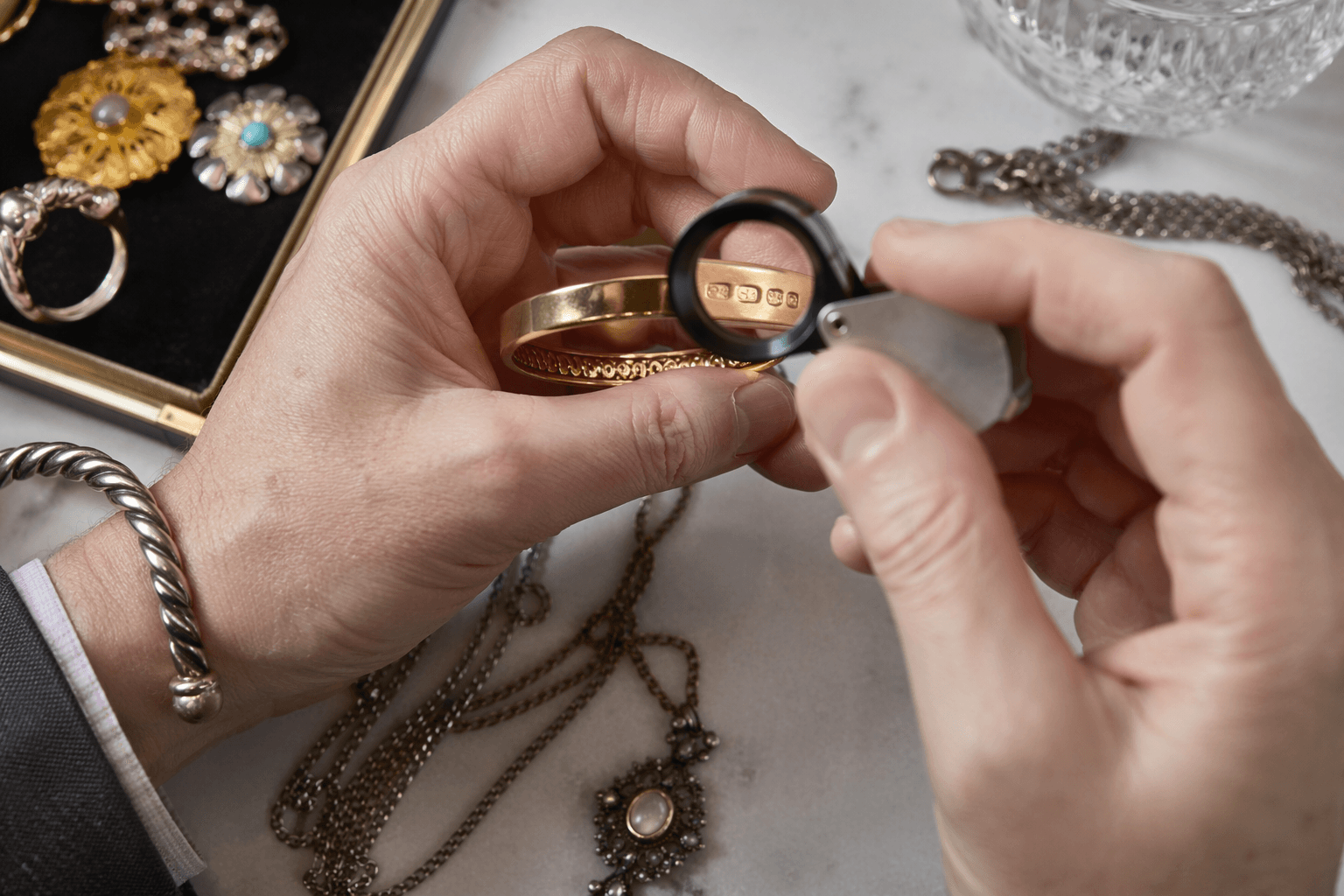
When you look at a Cartier piece outside a museum, the signature is often hiding in the engineering as much as in the headline motif. A strong Cartier jewel usually shows precise joins, clean symmetry and a mounting that supports the stones without visual clutter. The best examples look deliberate from every angle, with no part of the construction feeling like an afterthought.
Why provenance changes the price
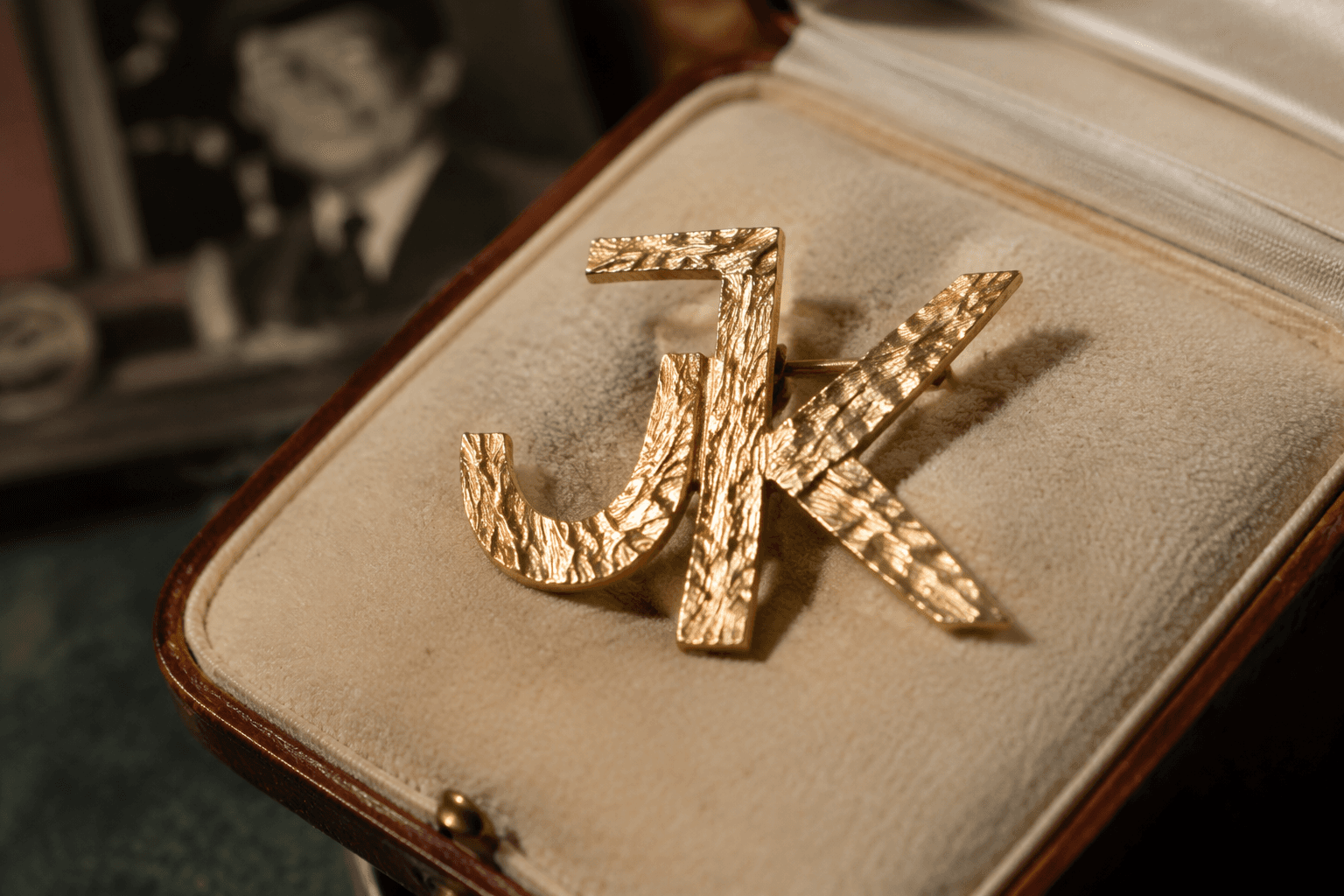
Provenance is where a beautiful Cartier becomes a documentable one. A signed Cartier clasp, a documented owner, an archive reference or an exhibition history can add weight to a jewel that would otherwise be valued mainly for design and materials. That is especially important in vintage jewelry, where the difference between a plausible period piece and a fully traced object can be thousands of dollars, and sometimes much more.
A jewel that can be tied to a known wearer feels like an inheritance with context, not just a luxury object passed down through time. The financial value is just as concrete, because a verified chain of ownership reduces uncertainty, and uncertainty is what drags down demand in the vintage market.

Caution matters here. A Cartier name alone is not the same as a complete provenance story, and a vague claim of “family ownership” is not enough to carry serious value. The strongest pieces combine the house signature, period-appropriate materials and a traceable history that can be read, not merely asserted.
What older Cartier exhibitions add to the picture
The Denver Art Museum mounted Brilliant: Cartier in the 20th Century in 2014, and the McClung Museum of Natural History & Culture presented Cartier: The Jeweler’s Art from 29 May 1999 to 22 August 1999 in Knoxville. Cartier has been treated for decades not just as a luxury brand, but as a serious subject for art history and collecting.
Documented Cartier pieces keep drawing scrutiny from dealers and buyers. Repeated museum interest provides external validation, especially when a piece carries original paperwork or a clear ownership history.
How to read a Cartier piece in the wild
- Look first for the house language. Art Deco geometry, Panthère forms and Tutti Frutti color work all point to very different Cartier moments, and each one carries its own collector audience.
- Study the construction. Cartier pieces are valued for precision, so the setting, clasp, articulation and symmetry should feel deliberate and well made.
- Separate the jewel from the story, then bring them back together. A signature alone is useful, but provenance, exhibition history and ownership records are what turn a good piece into a better one.
- Treat material quality as part of the argument. Historic gemstones, strong gold work and original fittings matter because they support both authenticity and value.
This article was produced by Prism’s automated news system from verified source data, official records, and press releases, then run through automated quality and moderation checks before publishing. The system is built and supervised by the people who set the standards it runs under. Read our full AI policy.
Did this article answer your question?