Vintage jewelry business wins buyers with history-rich storytelling
Vintage jewelry wins trust when the post teaches you how to read hallmarks, settings, and provenance. The most shareable stories turn family pieces into evidence.
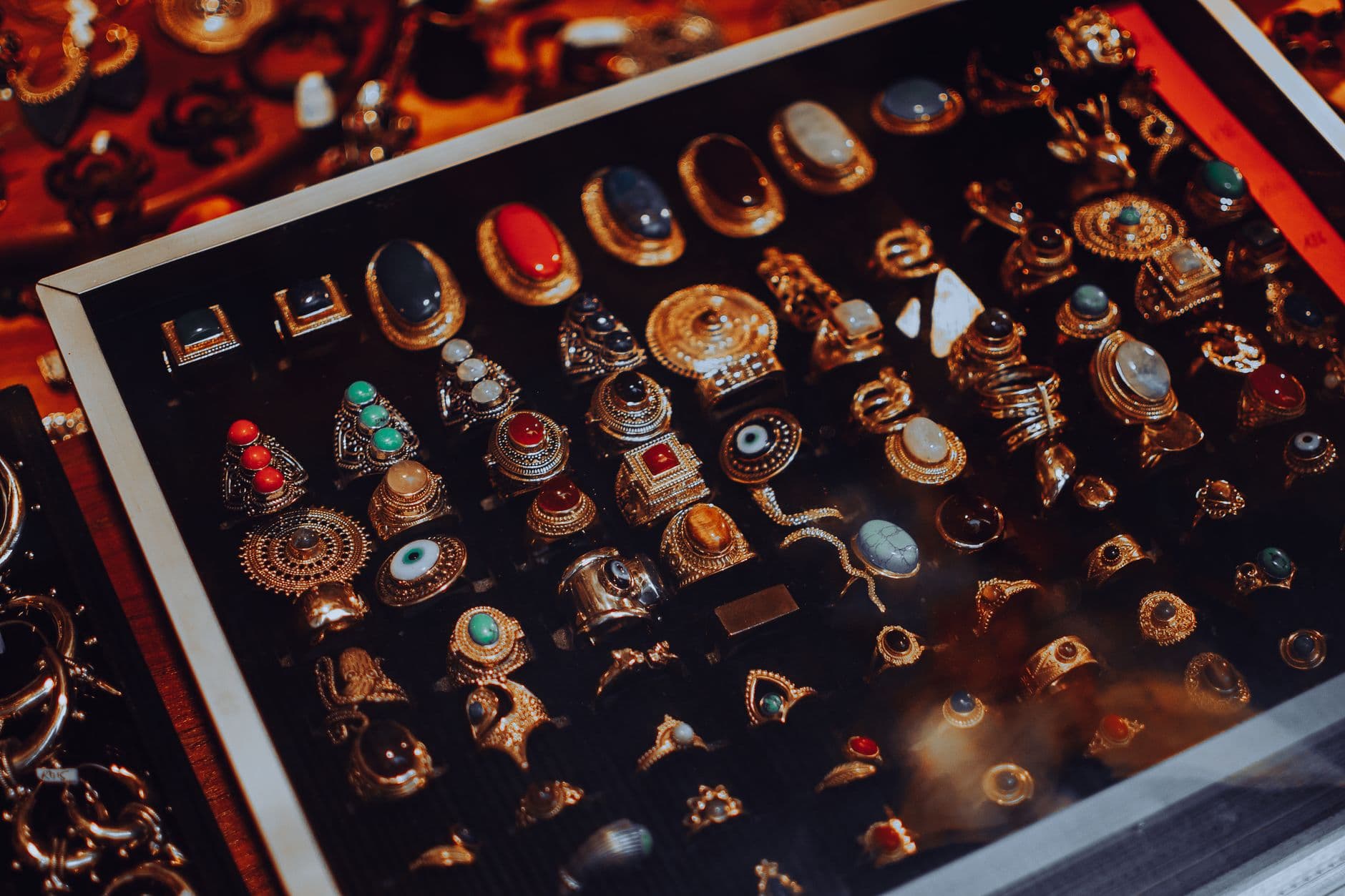
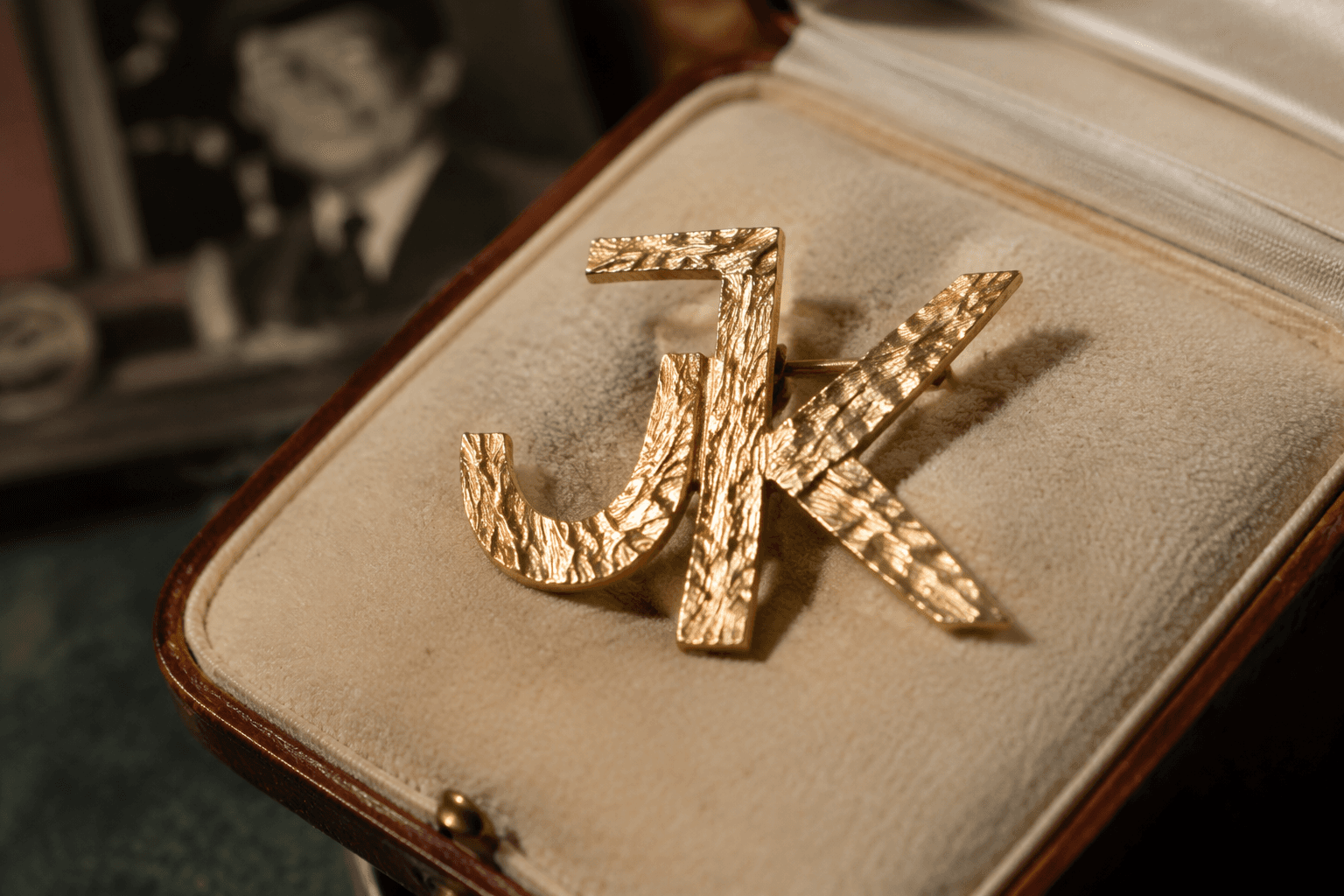
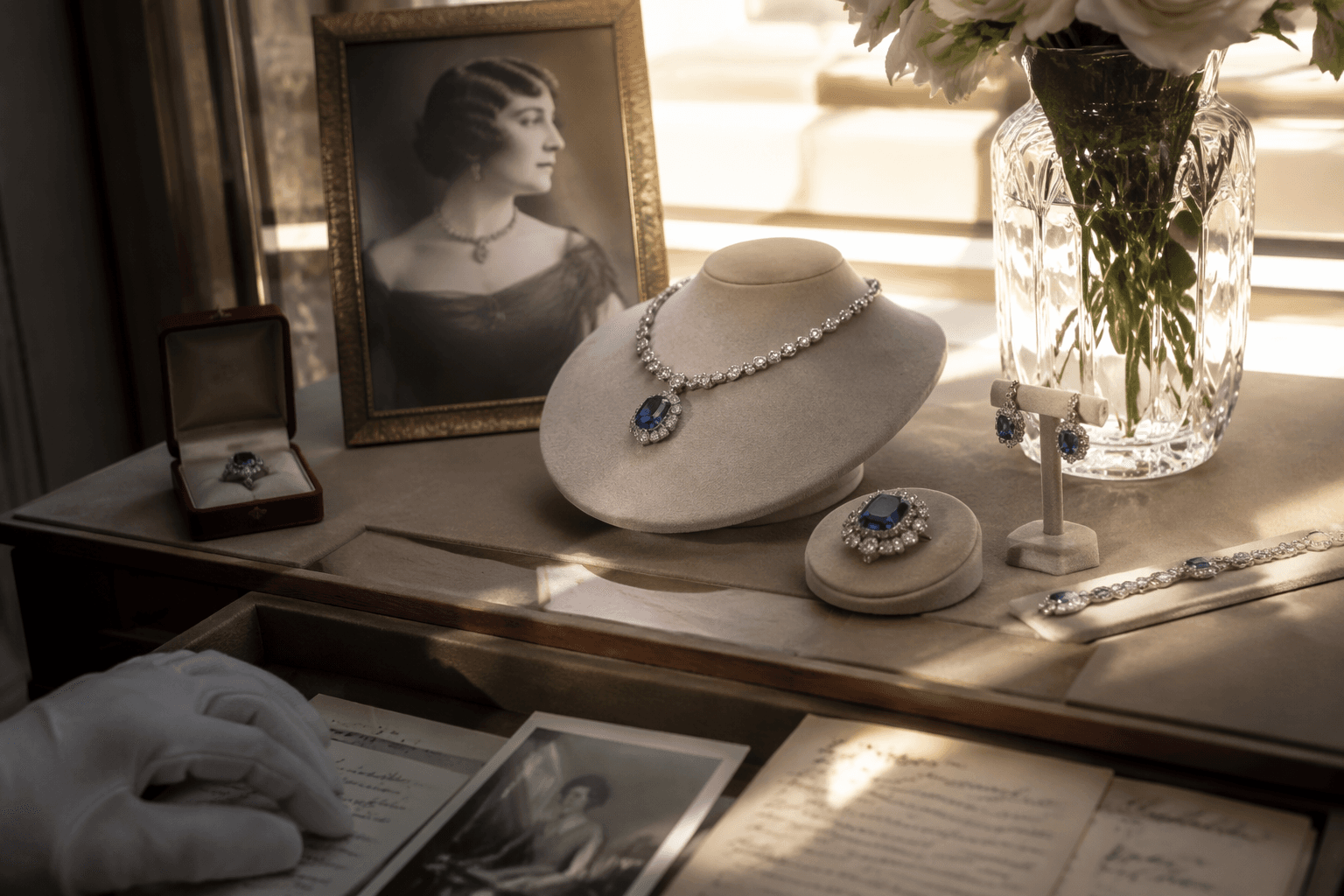
A ring pulled from a grandmother’s box sells vintage jewelry more convincingly than a catalog entry. The strongest posts begin with an estate-sale find with a hidden stamp, or a question about whether a stone has been reset, then answer it with marks, materials, and context.
Why history-rich posts outperform flat inventory
Boston Consulting Group forecast that secondhand hard luxury will grow an average of 8% every year, and vintage jewelry businesses now compete on knowledge as much as on stock. A seller who can explain an era, a maker, or a provenance trail gives buyers a reason to stop scrolling.
The best-performing stories in this corner of jewelry do not sound like product briefs. They frame a piece as something with a life before the sale, whether that means a family heirloom, an estate acquisition, or a signed jewel that can be placed in a specific design period. JCK published “For Sustainable Shoppers, Vintage Jewelry Offers Options Aplenty” on October 2, 2023.
What buyers learn when the post reads the piece
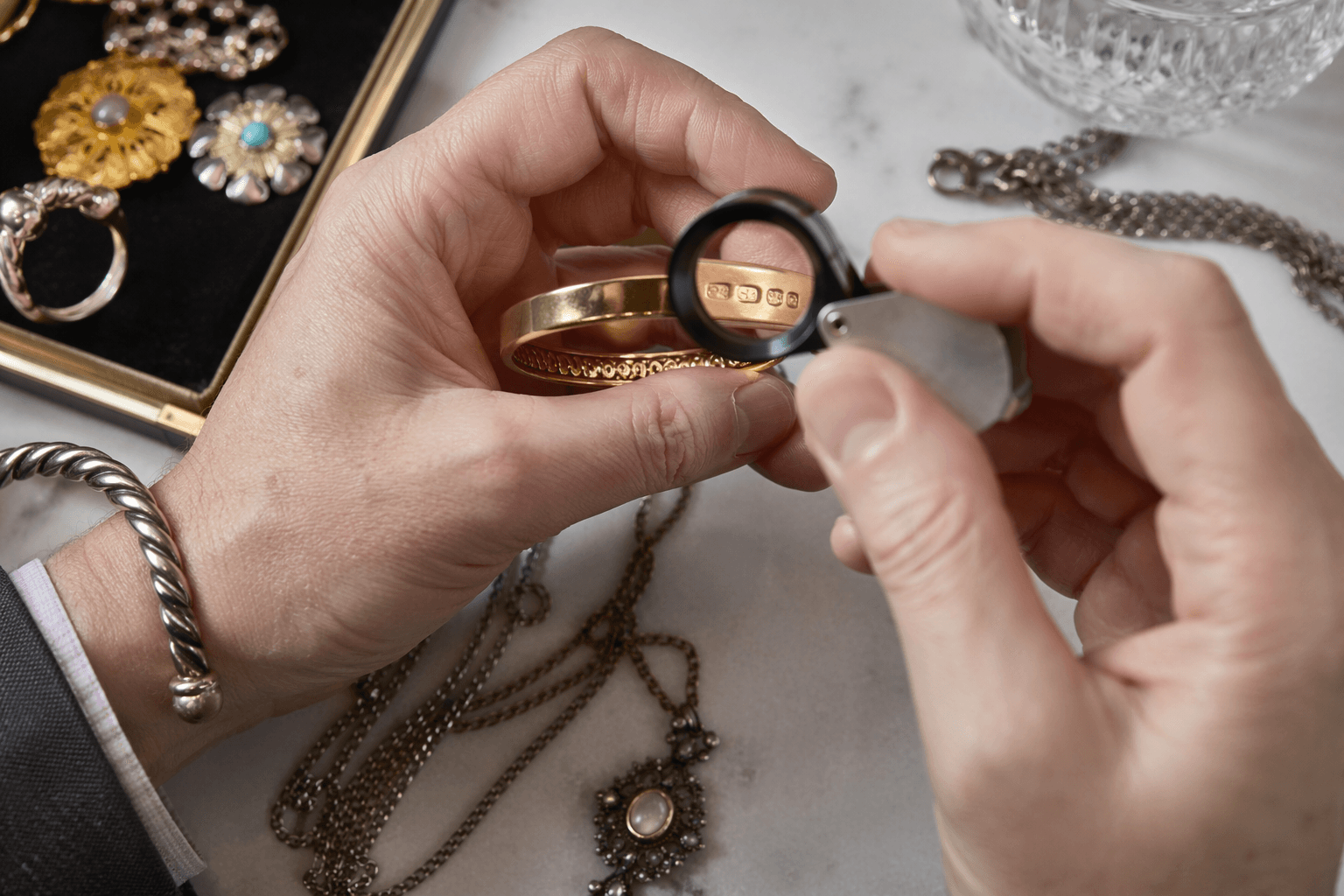
The most useful vintage content teaches you how to inspect what you cannot see at a glance. A maker’s mark can identify a house or workshop, while purity stamps and assay marks help place the metal and sometimes the country of origin. A bezel setting, where metal wraps around the stone in a continuous rim, often signals a different design language from a prong setting, which lifts the gem with claws and allows more light to enter. The distinction helps you date the piece, judge wear, and understand how securely a stone is held.
Condition can tell its own story, too. A straight shank, a softened engraving, an old resize, or a replaced clasp can all indicate that a jewel has lived with previous owners, and none of those details are flaws by default. A seller who points to a later solder line or a newly added safety chain is giving you a more honest map of the object than one who hides the repair under polished language.
The stories that make collectors lean in
The posts that travel farthest tend to solve a very specific problem early. They might answer whether an inherited ring is original to its mounting, whether a found pendant is Art Deco or merely Deco-inspired, or what a tiny stamp means on the inside of a band. They also use the emotional texture of inheritance and discovery without losing the object itself, which is why the strongest ledes often start with family archives, estate-sale trays, hidden marks, or a piece that became a lifelong signature after a single inherited stone.
In a feed where only 2.7% of articles get shared, a named object, a measurable clue, or a clear consequence gives the reader something to pass along. A ring with a legible maker’s mark, a pendant identified through a hallmark, or a brooch traced to a particular design era gives the audience a useful fact, not just a pretty image.
Why social platforms reward object literacy
JCK published “School of TikTok: What Jewelers Can Learn From the Video-Sharing App” on March 9, 2022, and “Your Jewelry Brand Went Viral-Now What?” on May 1, 2024. Platform-specific storytelling works when it shows process. For vintage jewelry, that means filming the underside of a ring, the edge of a setting, the hallmark inside a shank, or the before-and-after of a piece that was cleaned, documented, and dated.
Short-form video is especially effective because it lets a seller move from beauty to proof in seconds. A slow turn under the light can reveal engraving depth, wear on prongs, hand-finished details, or the difference between a true period piece and a later revival.
How to read a vintage listing like a professional
- Start with the marks. Maker’s marks, purity stamps, and assay symbols are the fastest route to identification.
- Study the setting. Bezel, prong, flush, and pavé settings each tell you something different about age, style, and stone security.
- Look for repairs. Resize seams, replaced hinges, and new clasps are part of the piece’s history and should be disclosed.
- Match the style to the era. Art Deco geometry, mid-century symmetry, and late-century massing are visual clues, not just adjectives.
- Ask for provenance when it exists. An inheritance note, an estate provenance, or a prior sales record can turn a guess into a confident purchase.
- Compare the story with the finish. Fresh polishing on a heavily worn ring, or a stone that looks newer than its mounting, may point to later work.
Independent grading vocabulary from the Gemological Institute of America or the American Gem Society can strengthen that reading when a seller has it.
This article was produced by Prism’s automated news system from verified source data, official records, and press releases, then run through automated quality and moderation checks before publishing. The system is built and supervised by the people who set the standards it runs under. Read our full AI policy.
Did this article answer your question?