DuMouchelles auctions Ceylon sapphire torsade necklace, diamond ring, estate jewelry
A 39.53-carat Ceylon sapphire torsade necklace led 23 jewelry lots, but the sharpest clues were a GIA diamond report, a signed ring, and metal grade.

The sharpest lesson in DuMouchelles’ May estate sale was not the glamour of the stones, but the paper trail behind them. Day One, the live session that opened the house’s three-day May 2026 schedule, packed 323 lots into a jewelry-led catalog, with 23 lots devoted to rings, necklaces, collars, pearls, rubies, sapphires, and high-karat gold. The auction opened May 14 at 11 a.m. EDT at the downtown Detroit gallery across from the Renaissance Center, after preview days on May 8, May 9, May 12, and May 13.
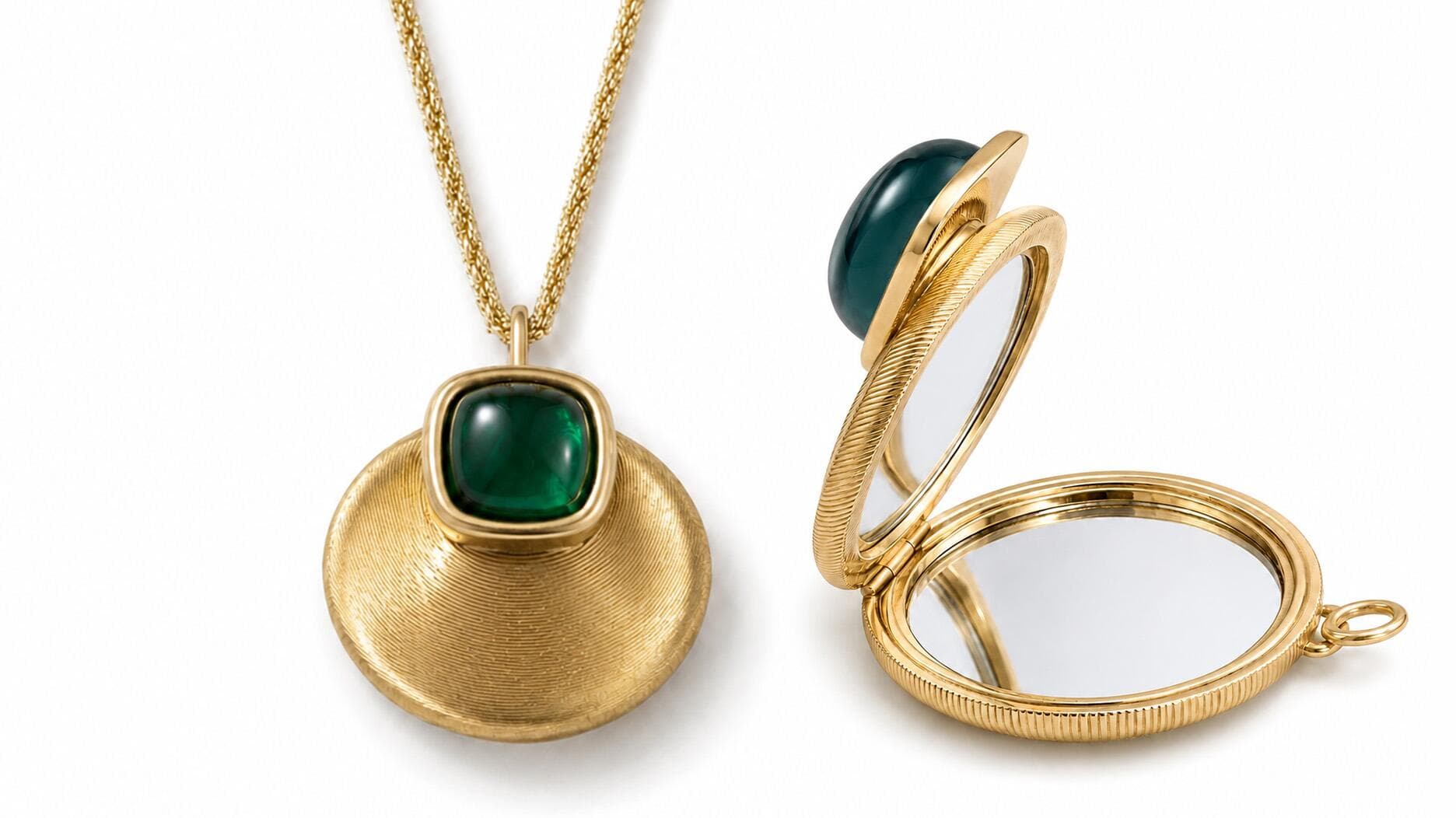
The lot that best teaches buyers how to read value is the 39.53-carat Ceylon sapphire torsade necklace. “Torsade” means a twisted multi-strand necklace or bracelet, a form that can make a single gemstone feel even more dramatic when the setting wraps and repeats around it. The Ceylon designation matters just as much as the weight: it points to Sri Lankan origin, a name long associated with sapphires prized for luminous color and clarity. In a crowded estate market, that combination of named origin, substantial carat weight, and a recognizable form gives collectors more to work with than a pretty blue center stone alone.

The 6.6-carat emerald-cut diamond platinum ring is the other headline lot that rewards careful bidding. Its GIA certification gives buyers a lab-backed baseline, which is exactly what estate buyers need when a stone is large enough to attract attention but not so rare that the mounting can be ignored. Platinum is a useful clue here too, because it usually signals a serious setting built to support a high-value diamond. A collector looking past the estimate would want the report, the cut, and the mounting to line up before treating the ring as a bargain.

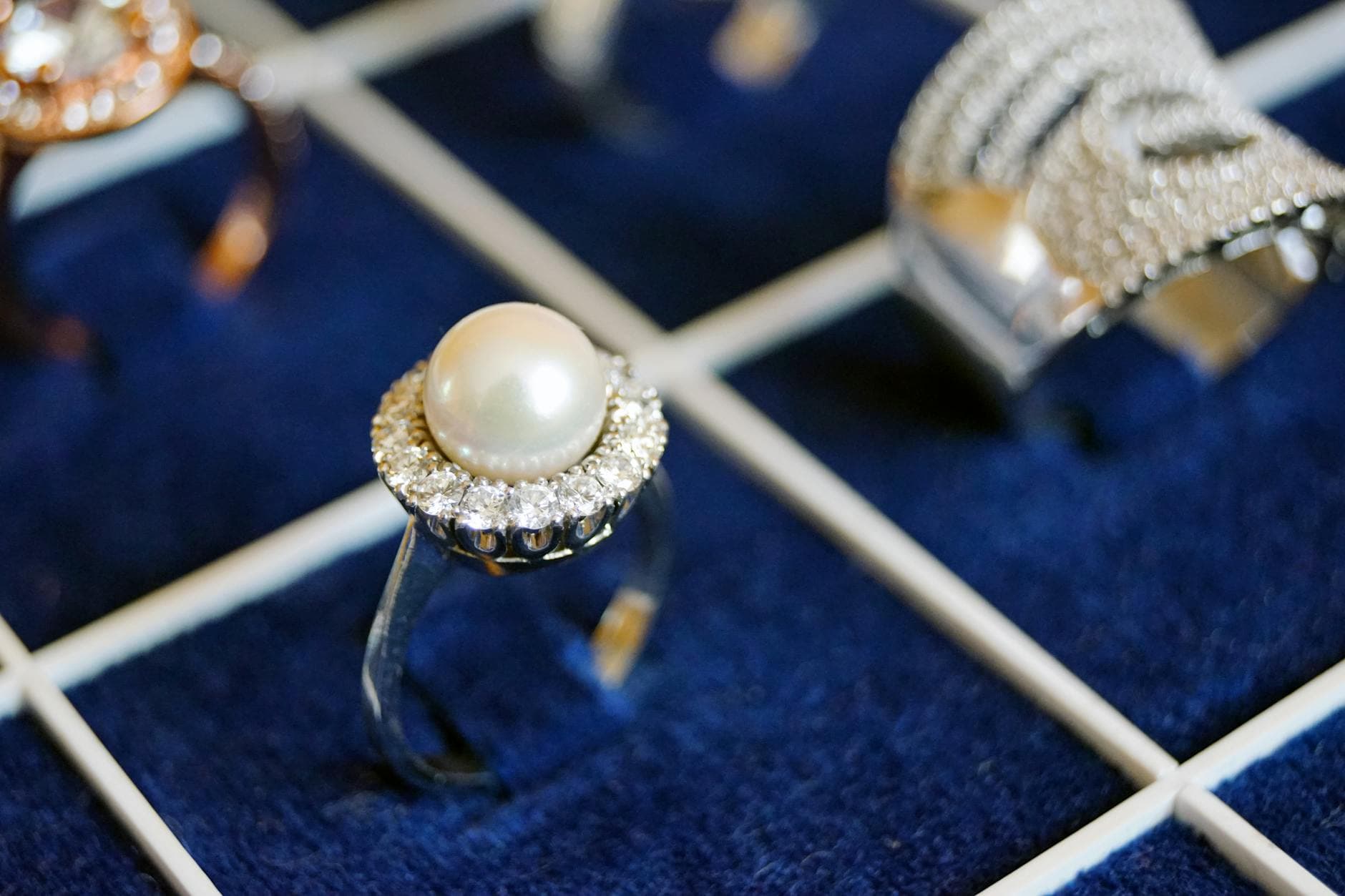
Signed and precisely described jewels round out the most useful section of the sale. A Taylor & Hart 1.70-carat marquise-cut diamond ring, graded D color and internally flawless, tells buyers how modern branded jewelry can compete with older estate pieces when the gem quality is exceptional. The 18k yellow gold heart-shaped ruby and diamond necklace, the Italian 18k gold pearl and diamond collar, and the catalog’s Art Deco, Victorian, and Mid-Century Modern tags all point to the same bidding test: style labels are only a starting point. The metal, the maker, the certification, and the construction decide whether the piece is truly scarce or just well dressed. For estate buyers, that is the difference between headline glamour and a sound lot.
This article was produced by Prism’s automated news system from verified source data, official records, and press releases, then run through automated quality and moderation checks before publishing. The system is built and supervised by the people who set the standards it runs under. Read our full AI policy.
Did this article answer your question?