Met Gala antique jewels span Georgian to Art Deco eras
Rihanna and Kate Moss turned the Met into a lesson in antique jewels, from Georgian sparkle to a 1930s Belperron ring, each clue pointing to era and value.
The clearest clue was not the dress, but the mount
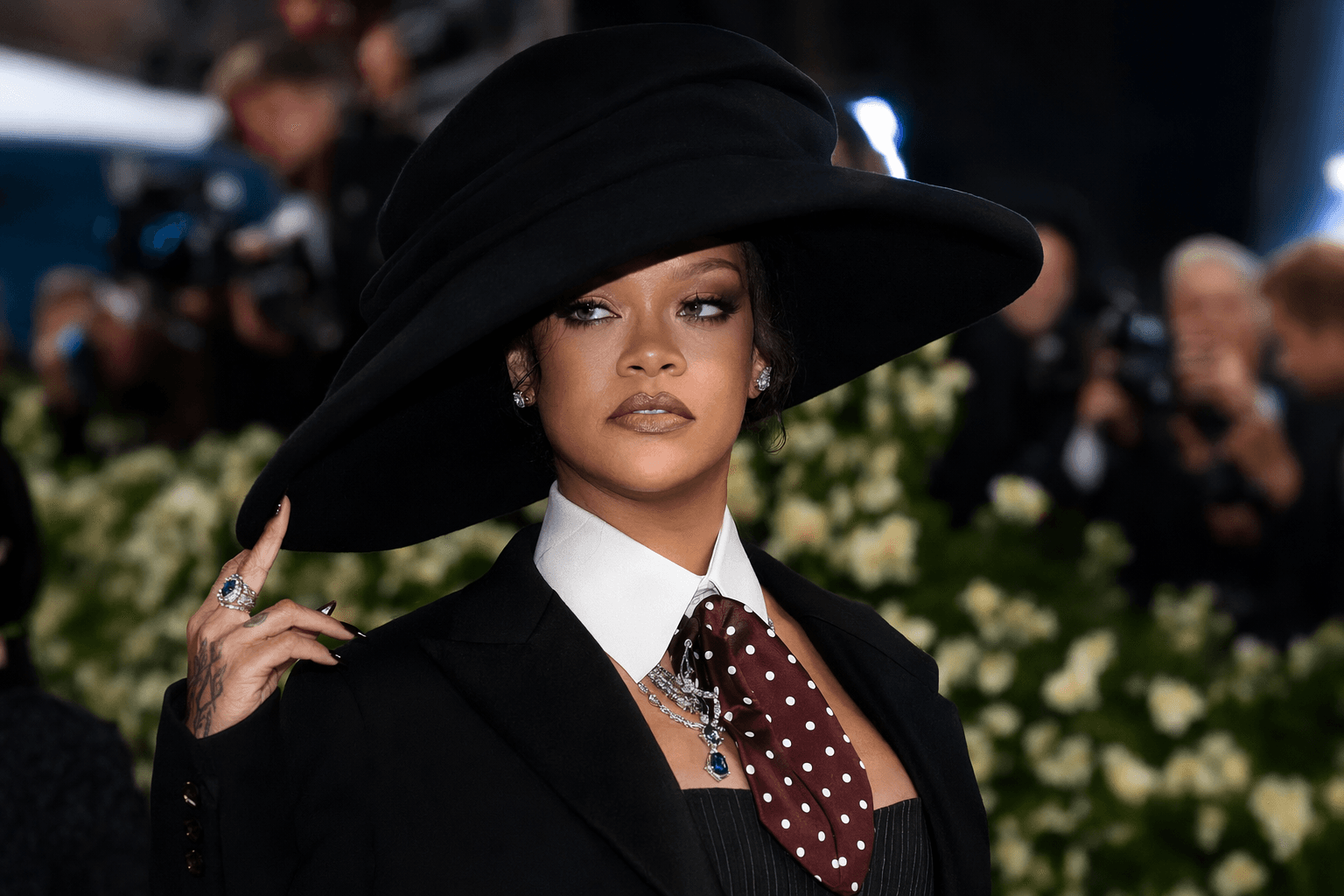
If you want to read the Met Gala like a collector, start with Rihanna and Kate Moss. Rihanna’s gilded Maison Margiela look by Glenn Martens, reportedly built from more than 115,000 crystal beads and layered with antique jewels and chains, was anchored by a 1930s Suzanne Belperron diamond ring with a 3-carat center stone from Fred Leighton and a Victorian rose-cut diamond bangle from Joseph Saidian and Sons. Kate Moss, meanwhile, wore Georgian drop earrings and a crown ring sourced from A La Vieille Russie, a pairing that felt less like accessory dressing than a quiet declaration of taste.
Beth Bernstein’s roundup works because it names the eras and the lenders, and those two details are the fastest way into the jewelry’s value. Once you know who supplied the pieces, and roughly when they were made, the red carpet becomes a usable reference point rather than a blur of sparkle. Rihanna, Kate Moss, Jisoo, and Chloe Malle each wore jewels that can be described, dated, and hunted for later, which is exactly why this night mattered to collectors.
Why this Met Gala felt like a jewelry lesson
The 2026 Met Gala was held on May 4, 2026, to mark the opening of the Costume Institute’s spring exhibition, Costume Art. The dress code was Fashion Is Art, and the show opens to the public on May 10 in the museum’s new Condé M. Nast Galleries. The Met describes the exhibition as pairing garments with artworks and exploring the dressed body across the collection, which makes antique jewelry feel especially apt: old jewels do not simply decorate clothing, they complete the historical sentence.
The Costume Institute Benefit is also the museum’s primary source of funding for exhibitions, publications, acquisitions, and operations. That context matters because the red carpet is not just theater, it is a preview of the museum’s priorities. This year, the strongest jewels did not merely echo the theme; they gave it age, texture, and documentary weight.
Georgian jewels: look for candlelight, not modern brilliance
Kate Moss’s Georgian earrings and crown ring are the kind of choices that collectors notice first and casual viewers may miss entirely. Georgian jewelry, broadly speaking, belongs to the era before machine-made uniformity, so you tend to see hand-cut stones, softer sparkle, and settings that feel crafted rather than standardized. If you are trying to recognize Georgian pieces on sight, look for a quieter glow, old mounts, and proportions that feel slightly irregular in the best possible way.
The crown ring is especially telling because rings from this period often read as intimate objects as much as ornaments. When a jewel is sourced from A La Vieille Russie, as Moss’s were, the dealer name adds another layer of confidence for collectors who care about provenance as much as silhouette. In a market where old jewelry is often remade or recast, a clear source can be as valuable as the stone itself.
Victorian jewelry: romance with structure
Rihanna’s Victorian rose-cut diamond bangle shows why the 19th century remains so collectible. Rose-cut diamonds have a domed top and a flat back, which gives them a softer, candlelit shimmer than modern brilliant cuts. On a bangle, that choice creates a romantic but disciplined surface, a balance that is very Victorian in spirit.
When you shop or authenticate a Victorian bracelet, the clues are in the construction as much as the stones. Hinges, clasps, and the feel of the metal should look period-correct, not over-restored or mechanically perfect. Joseph Saidian and Sons supplied Rihanna’s bangle, and that matters because a named specialist often signals that the jewel has already been vetted for era and quality before it ever reaches the carpet.
Belle Époque, circa 1905: platinum lace and archival authority
Jisoo wore the kind of jewel that makes history visible at a glance: a Cartier Collection archive choker dating to circa 1905. That places it at more than 120 years old, in the Belle Époque moment when platinum, diamonds, and airy openwork came together in jewels that looked almost drawn rather than built. The era is defined by delicacy and precision, with millegrain edges, garland-like curves, and a lace effect that lets the skin show through.
Cartier’s archive piece also illustrates a crucial collector lesson. When a jewel is preserved in a house collection, it carries documented design lineage, which can be more persuasive than style alone. Jisoo’s look reportedly took about four to five hours to complete, a reminder that antique jewelry often requires careful fitting, balancing, and fastening, especially when a historic choker is paired with Cartier ear clips from 1948.
Belperron and the late-Art Deco eye
Rihanna’s 1930s Suzanne Belperron diamond ring, with its 3-carat center stone from Fred Leighton, belongs to the same broad era as Art Deco even if Belperron herself is often discussed as a designer who moved beyond strict labels. The ring’s value lies in that tension: it carries the clean architecture and sculptural confidence that collectors associate with the 1930s, but it also has the individuality that makes Belperron so prized today.
If you are learning to spot late-Art Deco jewels, look for symmetry, bold volume, and a disciplined use of diamonds rather than excess ornament. Belperron is especially compelling because her work can feel geometric without becoming cold, which is why her rings and bracelets still read as modern on the hand. In collector terms, that makes them unusually wearable and unusually persistent in value.
Chloe Malle and the power of old diamonds
Chloe Malle, Vogue’s new head of editorial content, wore 19th-century diamond jewelry from Fred Leighton, extending the night’s theme beyond celebrity spectacle into fashion-insider authority. Nineteenth-century diamond pieces often bridge romance and restraint, which makes them a natural fit for someone whose role sits at the center of fashion’s own archive. A 19th-century diamond necklace, like the one she wore, usually signals hand-cut stones, older settings, and a profile that feels distinctly pre-modern.
That is the point of Bernstein’s framing. Rihanna, Kate Moss, Jisoo, and Malle did not simply wear old jewels, they made the eras legible. Georgian, Victorian, Belle Époque, and 1930s design all appeared in one room, and each piece carried the same essential collector lesson: the fastest way to authenticate antique jewelry is to read its period language in the cut, the setting, the clasp, and the name attached to it.
In a year when the Met’s theme asked fashion to behave like art, the jewels did something even more useful. They behaved like evidence.
This article was produced by Prism’s automated news system from verified source data, official records, and press releases, then run through automated quality and moderation checks before publishing. The system is built and supervised by the people who set the standards it runs under. Read our full AI policy.
Did this article answer your question?