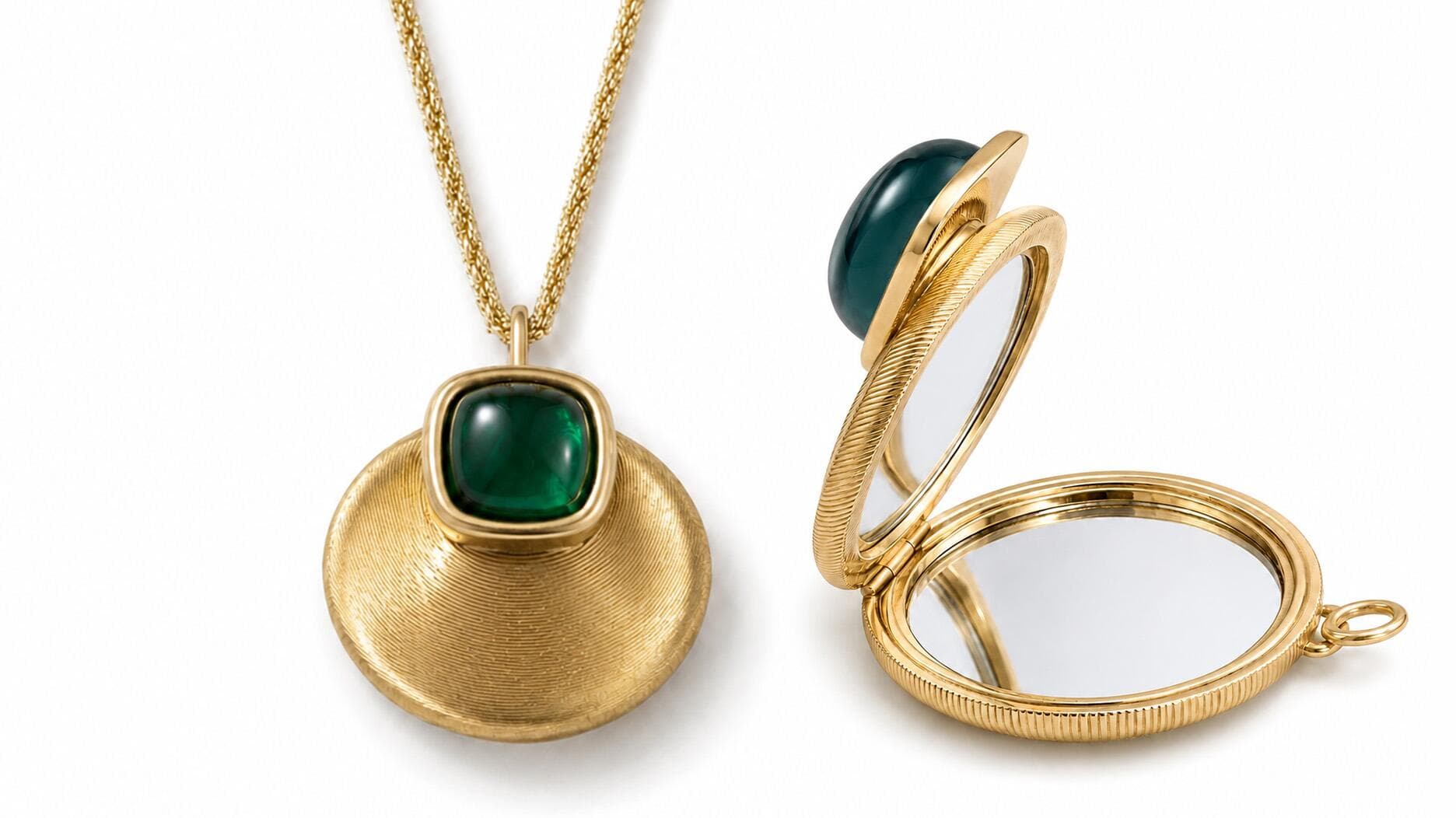
Forbes spotlights certified Portuguese filigree debut at Printemps New York
A new Portuguese filigree mark gives U.S. buyers a paper trail, a digital trail, and a way to separate handwork from lookalikes.

A lattice of 19.2-karat gold is easy to admire and hard to authenticate by eye, which is why Portugal’s filigree certification matters now. At Printemps New York, the Art of Filigree exhibition opens May 18 and runs through May 24, 2026, with live artisan demonstrations and certified pieces presented by The Value of Time Group and Joalharia do Carmo.
The new certification changes the trust equation for handmade metalwork that can otherwise be copied in appearance but not in method. Filigrana de Portugal was first presented in 2018 by Gondomar and Póvoa de Lanhoso, the two main production centers for Portuguese filigree, and since March 2024 the Portuguese Assay Office, Contrastaria Portuguesa, has been the exclusive body applying the mark. Portuguese authorities say the system was built to help consumers distinguish authentic handmade filigree from industrial imitations, and they recognize the craft as Intangible Cultural Heritage of Portugal, a status it received in 2023.
For U.S. buyers, that matters because filigree often sells on silhouette alone: lace-like scrolls, airy openwork, and delicate wires that can look convincing in a vitrine even when they are not made by hand. The certification answers the questions that appearance cannot. It verifies provenance, technique, hallmarking, and digital traceability, giving a buyer a route from the finished jewel back to the workshop, the assay office, and the specific piece.
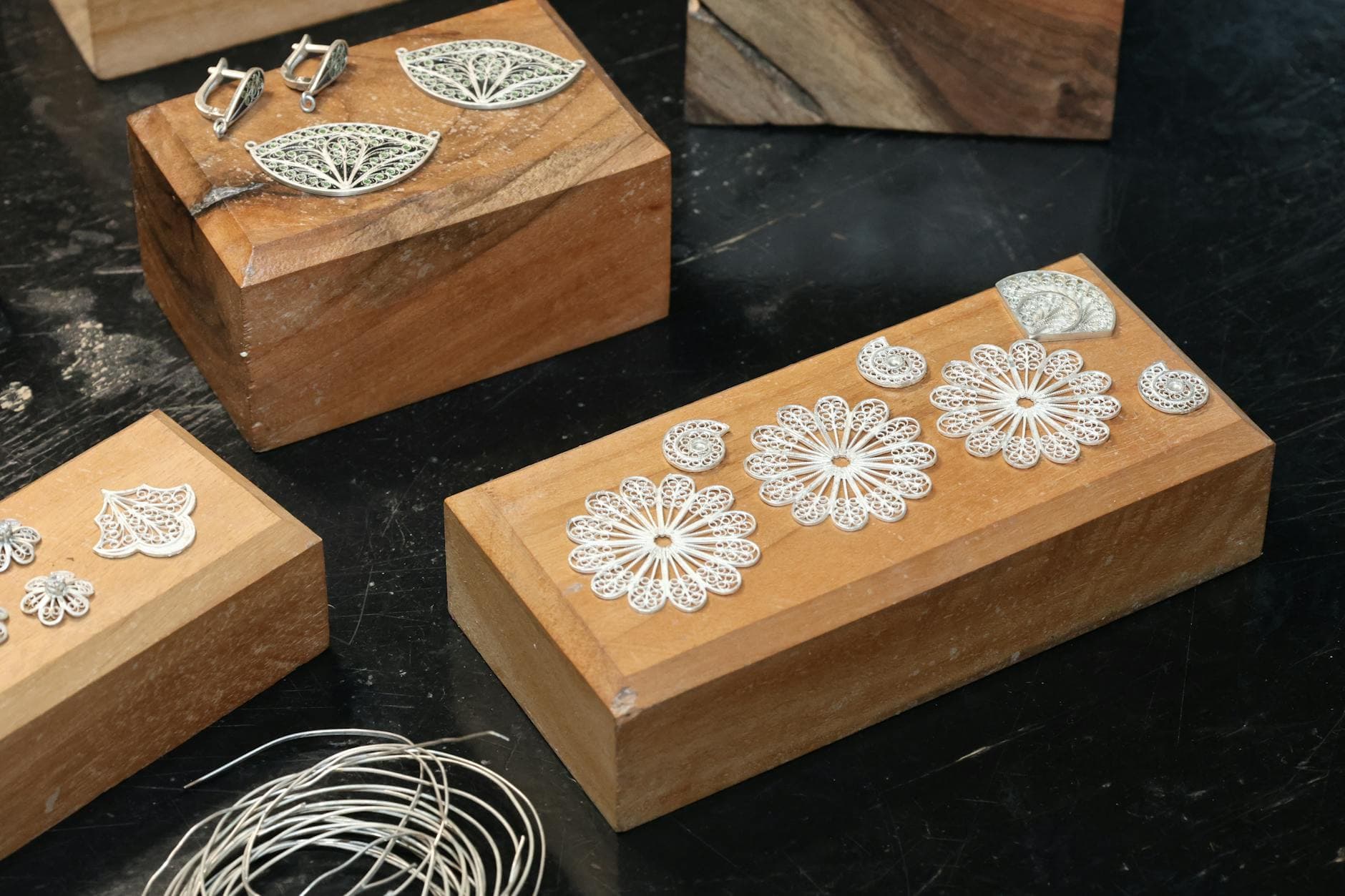
Joalharia do Carmo says it was among the first to implement the UniqueMark® Digital Certificate through Imprensa Nacional-Casa da Moeda, and the official Contrastaria app provides product-level details from laboratory testing to hallmarking. That combination of a certification mark and a digital record is the practical shift here. It gives shoppers something to check beyond a sales pitch: where the filigree was made, whether it was genuinely hand-shaped, and whether the hallmark trail matches the object in hand.
The craft itself remains labor-intensive. Printemps describes Portuguese filigree as a centuries-old technique that turns 19.2-karat gold into extremely fine threads, shaped entirely by hand. That is exactly the kind of workmanship that benefits from authentication. A genuine piece should not just look intricate; it should carry a traceable identity that separates workshop craft from mass-produced imitation. For collectors and first-time buyers alike, that record is now part of the jewel’s value.
This article was produced by Prism’s automated news system from verified source data, official records, and press releases, then run through automated quality and moderation checks before publishing. The system is built and supervised by the people who set the standards it runs under. Read our full AI policy.
Did this article answer your question?