How to Clean Vintage Jewelry While Preserving Patina and Structural Integrity
Flip jewelry upside down for 15 minutes after washing to protect settings; material matters, never soak pearls or porous stones, and avoid ultrasonic or steam cleaners.
1. Inspect and document before you touch the piece
Begin every clean by inspecting the item with a loupe or magnifying glass as LongsJewelers recommends; unseen dust or grit can scratch a surface if you start with liquid. RoyalDubaiJewellers advises photographing and documenting hallmarks and condition before any work so you can track changes and support appraisals later, a point Jerry’s Antiques underscores by noting clean pieces make appraisals more accurate and attract higher bids during estate sales.
2. Gather the right tools and know what to avoid
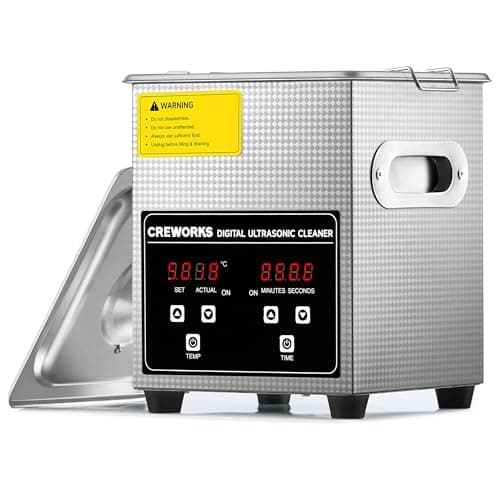
Collect soft brushes, a baby or soft‑bristle toothbrush, microfiber and lint‑free cloths, soft Q‑tips, a loupe, mild dish soap (Elizabeth Doyle cites Ivory), and a shallow bowl for controlled soaks when appropriate. At the same time, follow RoyalDubaiJewellers’ warning that “ultrasonic cleaners and steam machines should be avoided” and heed Jerry’s Antiques’ advice to avoid harsh chemicals such as ammonia, bleach, and abrasive household products including toothpaste.
3. Pearls and organic or porous gems: never soak
For pearls, coral, opals, turquoise and other porous or organic gems, do not submerge, Jerry’s Antiques is explicit: “Don’t submerge antique pearls. … Never soak them. Wipe pearls gently with a soft, slightly damp cloth.” Vogue’s Elizabeth Doyle adds that alcohol in sanitizers can dry out these gems and cause “surface damage or cracking,” so cleaning must be limited to gentle wiping and very light moisture.
4. Solid gold and gold‑plated: gentle washing, watch the plating
Solid gold is forgiving, Vogue notes that “solid gold is durable and won’t tarnish”, so a soak in warm water with a few drops of mild dish soap (Doyle recommends Ivory) followed by a soft toothbrush for crevices is typically safe. For gold‑plated pieces, proceed cautiously: Vogue reminds readers plating “can chip,” so avoid prolonged soaks and vigorous brushing; treat plated items with a soft, just‑damp cloth as LongsJewelers prescribes and favor gentle rubbing over any abrasive action.
5. Platinum: mild soap, thorough rinse, lint‑free dry
When caring for platinum, Jerry’s Antiques recommends a mild soap and water solution, always rinsing thoroughly afterward and drying with a lint‑free cloth to prevent residue and water marks. This material responds well to straightforward, gentle cleaning, but the drying step is critical to preserve structural integrity and reveal true surface condition for any appraisal.
6. Silver: use silver‑specific care to avoid pitting
Silver requires special attention: Jerry’s Antiques advises using a special silver cloth or a mild silver‑specific cleaner “to avoid tarnishing or pitting.” While mild soap and a soft brush can remove surface grime, prefer a silver cloth for tarnish removal and avoid aggressive chemical polishes that can thin or pit antique surfaces and obscure hallmarks.
7. Costume and fashion jewelry: no soaks, protect glue and plastics
Costume pieces, often made from aluminium, brass, copper, glued settings or plastics, must not be soaked, Vogue warns, because water and detergents can dissolve glue or damage non‑metal components. Instead, use a microfiber cloth lightly dipped in warm soapy water to clean surfaces, then wipe with a clean, soapless cloth and let pieces air dry on a towel, preserving finishes and avoiding loss of decorative elements.
8. Delicate settings and fragile constructions: a feather‑touch approach
For Edwardian brooches, filigree work, and other fragile constructions, follow Jerry’s Antiques’ guidance: “Do use a gentle touch. … start with a soft‑bristle toothbrush and warm water. Avoid abrasive scrubbing at all costs.” RoyalDubaiJewellers’ conservation view reinforces this: avoid ultrasonic or steam treatments that can cause irreversible damage to fragile gemstones and settings and instead favor low‑impact mechanical cleaning and inspection.

9. A step‑by‑step cleaning routine you can follow at home
Start by prepping: use a loupe to inspect and a soft brush or toothbrush to clear dust and particles, as LongsJewelers instructs, because visible and invisible debris can scratch when wet. Next, select the method by material, apply jewelry cleaner sparingly to a soft cloth (LongsJewelers: cloth should be “just damp”) or use a few drops of mild dish soap in lukewarm water for non‑porous items; for crevices, deploy a soft Q‑tip or baby toothbrush to reach behind stones (Vogue: “Make sure to get behind your stones in the mountings where dirt and grime can accumulate”). Decide on soaking only when the piece is non‑porous and secure, LongsJewelers and Vogue allow short soaks for stubborn dirt but Jerry’s and others prohibit soaking pearls and porous stones. Rinse thoroughly when appropriate, then dry completely: LongsJewelers’ practical tip, “A good way to dry the piece after it has been washed is to flip it upside down for 15 minutes so that any leftover moisture will flow away from jewelry with gravity”, helps prevent trapped moisture in settings. Finally, gently polish with a soft cloth; for silver, use a silver‑specific cloth or cleaner to prevent pitting as Jerry’s recommends.
10. Rinse, dry and polish to preserve patina and integrity
Rinsing and complete drying are non‑negotiable for preserving patina and avoiding structural harm; multiple sources emphasize that retained moisture can wreak havoc on settings and metal. LongsJewelers’ flip‑upside‑down trick and Jerry’s advice to dry with a soft or lint‑free cloth guard against water sitting in mountings, while Dianne’s Jewelry and others urge gentle buffing only, avoid over‑polishing if you want to preserve original patina.
11. Storage, conservation and why paperwork matters
RoyalDubaiJewellers recommends storing pieces in a clean, dry environment away from direct sunlight and heat, inside soft cloths or boxes lined with acid‑free tissue paper, and always storing items separately to avoid scratching or tangling. They also stress regular inspections and keeping photos and written records to track condition and any restoration, documentation that Jerry’s Antiques notes can directly improve appraisal accuracy and sale outcomes for estate items.
12. When to stop and call a professional
If you find loose stones, weakened prongs, significant corrosion, or any porous/organic gems, take Dianne’s Jewelry’s pro tip to heart: “If in doubt, always have your antique jewelry professionally cleaned by a skilled jeweler who understands how to care for vintage pieces.” For estate or high‑value items, Jerry’s Antiques recommends professional appraisal and cleaning because cleaned pieces “typically yield higher bids and attract more attention at sales events,” underlining the financial as well as preservation rationale for expert care.
- Inspect with a loupe and photograph condition (RoyalDubaiJewellers/LongsJewelers).
- Remove dust with a soft brush before liquids (LongsJewelers; Jerry’s Antiques).
- Material first: never soak pearls or porous gems (Jerry’s Antiques; Vogue).
- Use mild soap (Ivory cited by Elizabeth Doyle) for many non‑porous pieces but avoid bleach, ammonia, toothpaste, and alcohol sanitizers (Jerry’s Antiques; Vogue).
- Avoid ultrasonic and steam cleaners for fragile items (RoyalDubaiJewellers).
- Dry completely, flip upside down for 15 minutes (LongsJewelers), then gently polish.
13. Quick checklist to save or share
Closing share prompt Have you cleaned or sold a vintage piece after restoring it, what did you do and what did it fetch? Tell us what you got; your experience helps others weigh DIY care versus professional conservation.
This article was produced by Prism’s automated news system from verified source data, official records, and press releases, then run through automated quality and moderation checks before publishing. The system is built and supervised by the people who set the standards it runs under. Read our full AI policy.
Did this article answer your question?