How to Evaluate Vintage Jewelry Investments: Authentication, Market, and Acquisition Checks
Vintage jewelry can be both wearable art and a strategic asset, evaluate era, maker, materials, provenance, condition, and market mechanics before you buy.
Vintage jewelry investment has emerged as a sophisticated alternative asset class that combines the emotional satisfaction of owning beautiful objects with the financial benefits of appreciating collectibles, Louismartin writes. To move from admiration to investment, you must translate connoisseurship into a checklist: verify era and maker, test material quality, interrogate provenance, and understand market drivers and transaction costs. Below are the practical checks that separate investment-grade pieces from attractive curiosities.
Definitions “Antique jewellery is officially classified as pieces that are at least 100 years old.” By contrast, Mozeris notes, “vintage jewellery . . . typically refers to pieces from 20–100 years old.” Keep these age bands in mind when you and your appraiser discuss attribution and comparables.
1. Era & Maker
Start by confirming era and maker attribution: pieces by recognized houses, Cartier, Van Cleef & Arpels, Tiffany, and well‑documented makers command clear premiums. Verify maker marks and stylistic signatures, and cross‑check construction methods against the period; Mozeris advises that expert evaluation should confirm “age, authenticity, and attribution.” A signed movement on a watch or a discreet maker’s punch inside a platinum mount can be worth a five‑figure swing in value.
2. Rarity & design
Rarity and exceptional design drive collector demand; as Hal Davis puts it, “Unique and Rare: Vintage pieces are often one‑of‑a‑kind, and their rarity increases their value over time.” Look beyond condition to assess whether a motif, cut, or technical feat, pavé milgrain from the Edwardian era, an early synthetical gem montage, a masterful Art Deco line, makes a piece singular. Note: an item in the original checklist was truncated, “Rarity & Design, exceptional design features, r”, so when a provenance file or auction record is thin, insist on comparative research to establish true rarity.
3. Material quality & hallmarking
Material fundamentals matter. For gold, Hal Davis recommends pieces “crafted from 24K gold or high‑quality 18K gold” for their durability and lasting intrinsic value. Examine hallmarks, assay marks, and metal testing results; Mozeris lists “materials” as a core element of professional appraisal. Be precise: 18K yellow gold has different wear and repair expectations than 24K, and platinum mounts change conservation and resale profiles.
4. Authentication & provenance
Authentication is not optional. Mozeris states, “Proper authentication is essential . . . [and] requires expert evaluation to confirm age, authenticity, and attribution.” Ask for documentation, old invoices, photographs, auction lots, and have an appraiser audit construction techniques, wear patterns, and stylistic elements. Louismartin underscores that smart vintage investment “requires understanding market dynamics, authentication standards, and strategic acquisition principles”, you will pay a premium for legally documented chain of ownership and verifiable exhibition or auction history.
- “Modern repairs using inappropriate materials or techniques”
- “Replacement stones that don't match the original period”
- “Altered settings or significant modifications”
- “Pieces marketed as antique but actually vintage or reproduction”
- “Lack of proper documentation or questionable provenance”
5. Condition & repairs (red flags)
Condition affects both aesthetics and resale. Mozeris’s red flags should be non‑negotiable:
A soldered shank or a restored enamel can be tasteful, but modern adhesives, plate‑over repairs, or mismatched stones often undermine the historical integrity that drives market value.
6. Market considerations & valuation drivers
Understand how the market prices vintage pieces: Mozeris explains that “prices are influenced by collector demand, auction results, and availability of comparable pieces.” Unlike new jewelry, “quality antique pieces often maintain or increase their value over time.” Track recent auction records for the era, house, and type you’re buying, and remember liquidity varies widely, an iconic signed brooch may attract multiple bidders; a regional maker’s pendant may not. Rising trends, Hal Davis notes “Rising Popularity” as a value driver, can amplify returns but also compress buying opportunities and spike prices quickly.
7. Professional guidance & services
Professional help is a competitive advantage. Louismartin’s conclusion is unambiguous: “Professional guidance remains essential for vintage jewelry investment success, as market expertise, authentication capabilities, and dealer relationships provide competitive advantages that individual investors cannot easily replicate.” Look for firms that offer appraisal reports, condition photography, and provenance research. Mozeris advertises “Expert Investment Guidance” and invites you to “Free Investment Evaluation Browse Investment Pieces Consult Our Experts,” a model you should expect from reputable dealers, transparent services, clear fees, and access to independent labs.
8. Types of pieces commonly sought for investment
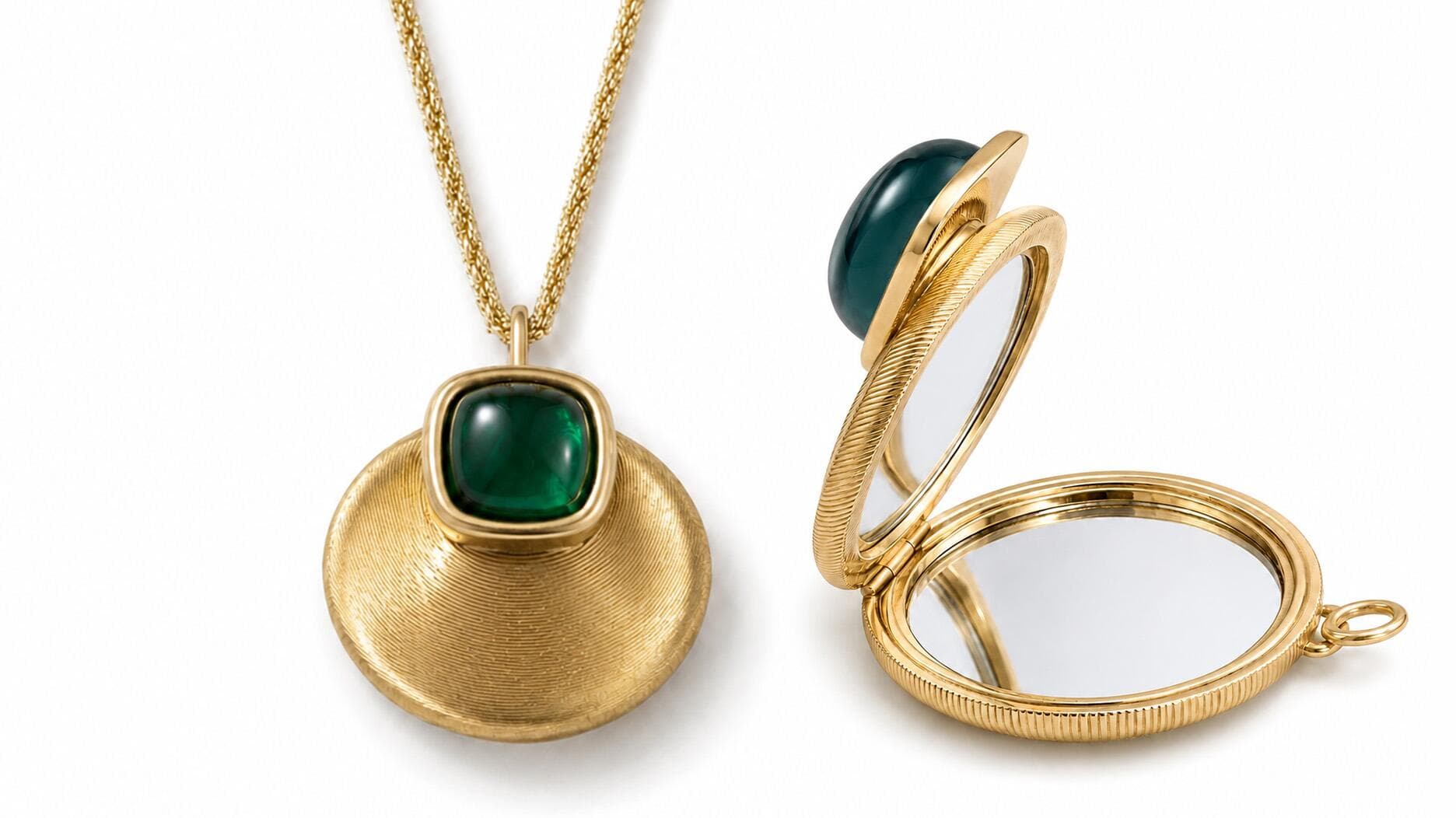
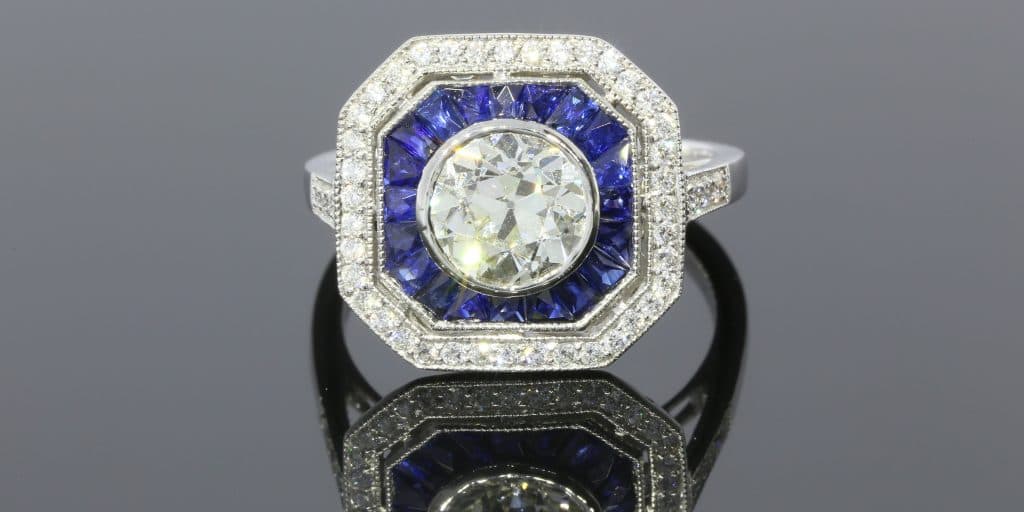
Certain categories are perennial favorites: vintage diamond rings, antique brooches, and retro necklaces, as Hal Davis lists. Mozeris’s imagery, an “Antique cameo pendant with Greek key border pattern” and an “Ornate antique gold cross pendant with multiple colored gemstones”, illustrates how design motifs and craftsmanship make particular pieces collectible. When assessing a candidate, compare it to recent sales of the same category, the condition grade, and the presence of maker attribution that drives demand.
9. Portfolio construction guidance
Treat vintage jewelry as part of a diversified alternative asset allocation. Louismartin recommends strategies ranging from focusing “on vintage estate rings from specific periods” to “building portfolios around rare vintage jewelry with exceptional provenance” or “concentrating on vintage gold jewelry with strong material value foundations.” There is no universal allocation or liquidity schedule in the available materials, use passion to guide selection but discipline to manage concentration risk. Assemble pieces that balance wearable enjoyment with the kinds of verifiable attributes (maker, material, documentation) that underwrite resale.
Final note Vintage jewelry investment combines financial opportunity with aesthetic enjoyment, providing portfolio diversification benefits while building wealth through carefully selected pieces with proven appreciation potential, Louismartin concludes. Your best protection is a rigorous checklist, era and maker, materials and hallmarks, provenance, condition, and an informed read of the market, supported by professional appraisal and transparent documentation. When those elements are in place, you own more than jewelry: you hold a portable archive of technique, taste, and history that can also perform financially.
This article was produced by Prism’s automated news system from verified source data, official records, and press releases, then run through automated quality and moderation checks before publishing. The system is built and supervised by the people who set the standards it runs under. Read our full AI policy.
Did this article answer your question?