How to inspect vintage jewelry before buying authentic pieces
A loupe, a flashlight, and a hard look at hallmarks can save you from a polished fake. In vintage jewelry, condition and construction often matter more than seller storytelling.
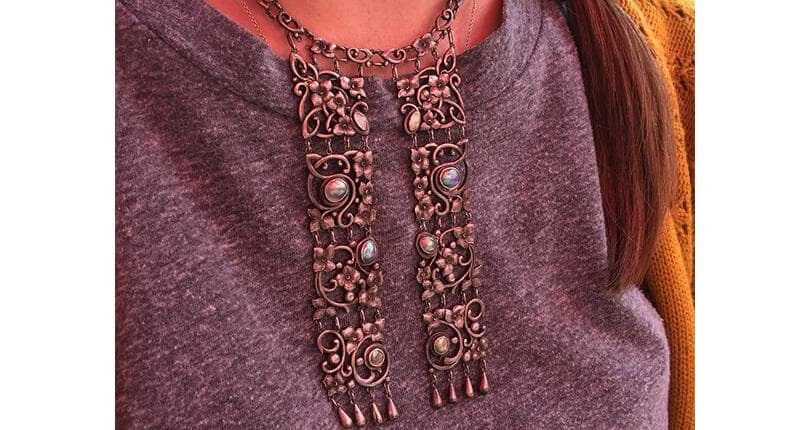
A convincing reproduction can borrow 19th- and 20th-century motifs, but the mounting, marks, prongs, and stone condition still tell a different story. Inspection is the real anti-regret skill: it separates true antiques, later repairs, and modern copies before the price tag becomes a problem.
Start with the whole object, not the romance
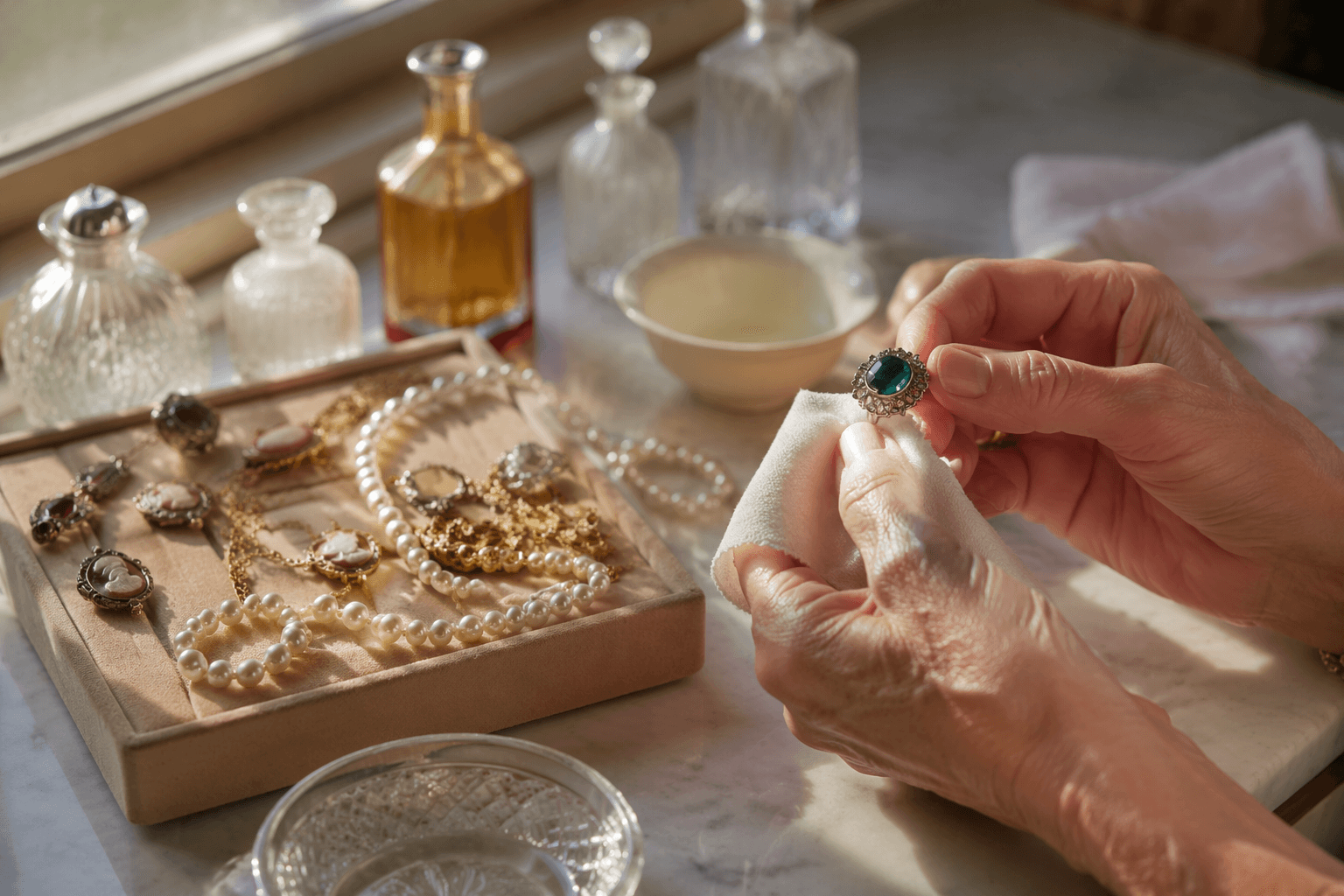
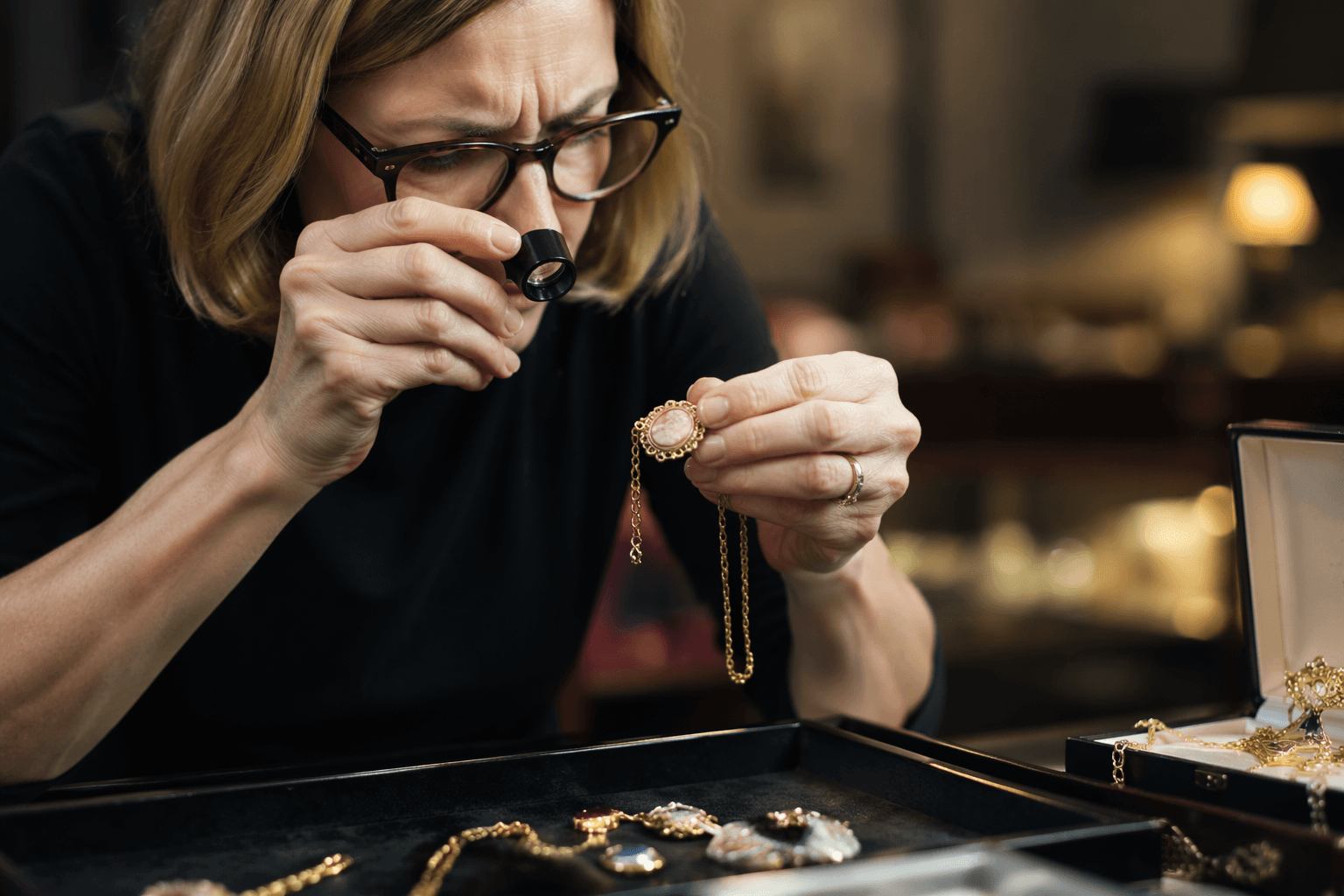
Pick up the piece and turn it in your hands before you start admiring the design. Jewelry is hard to evaluate outside a lab, which is why portable tools like a loupe, flashlight, and tweezers matter in the field. A full inspection from every angle helps you see what the seller’s description may skip: softened edges, solder joints, replaced stones, and wear patterns that reveal how the piece has lived.
Antique and vintage engagement-ring prices can run from less than $1,000 to more than $100,000, GIA says, a spread driven by rarity, condition, era, and materials. In practice, that means two rings that look equally charming under display lighting can belong in completely different price worlds once you examine the workmanship.
Read the marks before you read the story
Hallmarks and maker’s marks are some of the most useful clues on the object itself. Hallmarks are tiny symbols or words stamped on jewelry that can offer assurances about metal content, origin, and date of creation. Maker’s marks can identify the creator, and those same marks help collectors, appraisers, and historians date and classify a piece more accurately.
This is where a loupe earns its keep. Stamps on a shank, clasp, or back of a brooch can be partially worn, unevenly struck, or obscured by repair, and that wear is information, not inconvenience. If the marks are crisp but the rest of the piece looks artificially aged, that mismatch deserves attention.
Inspect the construction for period-correct details
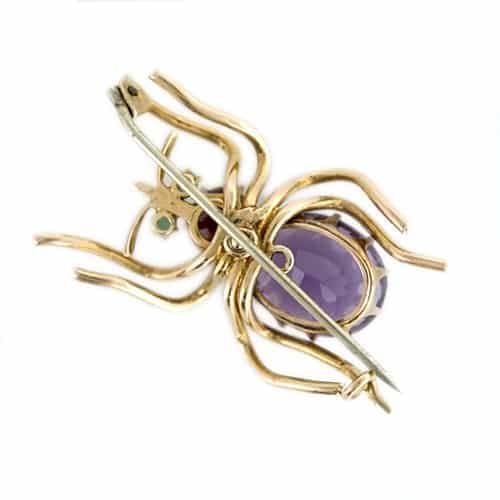
The easiest mistake is to focus on stones and ignore the setting. A vintage ring can carry the right motif while still having modern fabrication details that give away a later remake. Look at prongs, galleries, solder points, hinges, clasps, and the back of the mounting, because those parts often reveal whether a jewel was handmade, machine-finished, heavily repaired, or assembled from older components.
Jewelry grading is performed only to the extent that the mounting permits, which is a useful reminder that the setting can hide as much as it reveals. A stone may be attractive, but if the mounting is too closed to inspect properly, you are being asked to trust appearance over evidence. That is exactly the moment to use the flashlight and tweezers, then ask for a clearer look at the underside, the gallery, and any signs of replaced elements.
Study stones for chips, cracks, and repairs
A vintage jewel is only as persuasive as its condition. Chips, cracks, worn facet junctions, and abrasions matter because they affect both beauty and value, and they can turn a bargain into a repair bill. In a ring, inspect the culet, girdle, crown, and pavilion edges; in a brooch or pendant, look for stress points near pins, bails, and hooks where wear tends to gather first.
Repairs are not automatically disqualifying, but they change the conversation. A repaired hinge, replaced prong, or patched shank can reduce originality and resale appeal, especially if the work was done carelessly. What matters is whether the service was sympathetic and whether the result still matches the period and craft level the seller is pricing.
Treat reproductions as part of the market, not an afterthought
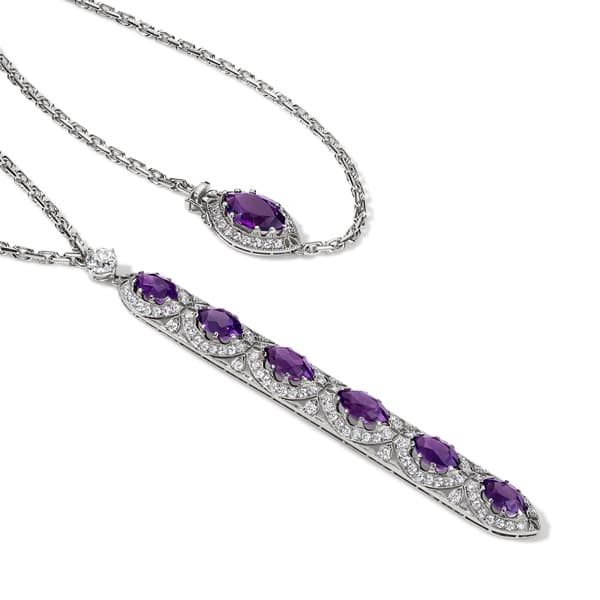
Today’s jewelry designs often echo gems, shapes, and motifs from the 19th and 20th centuries, which is why reproductions can look so convincing at a glance. That is part of the trap: a new piece can borrow an Edwardian silhouette, an Art Deco line, or a Victorian flourish and still have none of the age or handwork that justifies antique pricing. A collector looking only at style can mistake familiarity for authenticity.
The antidote is to compare style against construction. If the design feels period-correct but the finish is too uniform, the solder too clean, or the wear too even, the piece may be a later homage rather than an original survivor.
Use documentation as support, not as a substitute
Paperwork matters, but it should support what the object already tells you. In estate and antique buying, value, craftsmanship, and age overlap, which makes it easy for a polished sales narrative to outrun the physical facts. AGS has been making it easier and safer to buy jewelry since 1934, and that consumer-protection frame is the right one to bring to the counter: ask for the details that reduce risk, not just the ones that flatter the sale.
A strong file might include prior appraisals, repair records, or provenance notes, but documentation without object-level evidence is weak. If a seller points to a glamorous attribution while the hallmarks are inconsistent or the mounting shows modern intervention, the story is doing too much work.
Price the piece against evidence, not aspiration
Such a wide price spread is a warning against assuming that every old piece is rare. Rarity, condition, era, and materials all move the number, and the same is true in bracelets, brooches, and earrings. When the asking price is high, the burden of proof should be high too.
If the prongs are worn, the stones show chips, the hallmarks are partial, or the mounting has obvious repairs, those details are not minor. They are the basis for a lower offer, a request for specialist verification, or a decision to walk away before a seller’s storytelling becomes your loss.
This article was produced by Prism’s automated news system from verified source data, official records, and press releases, then run through automated quality and moderation checks before publishing. The system is built and supervised by the people who set the standards it runs under. Read our full AI policy.
Know something we missed? Have a correction or additional information?
Submit a Tip