How to Spot Authentic Antique Jewelry, Provenance, Hallmarks, and Value
A vintage jewel is a small archive: check the clasp, hallmarks, repairs, and period clues before you buy, especially at estate sales and fairs.
What to inspect first at an estate sale or fair
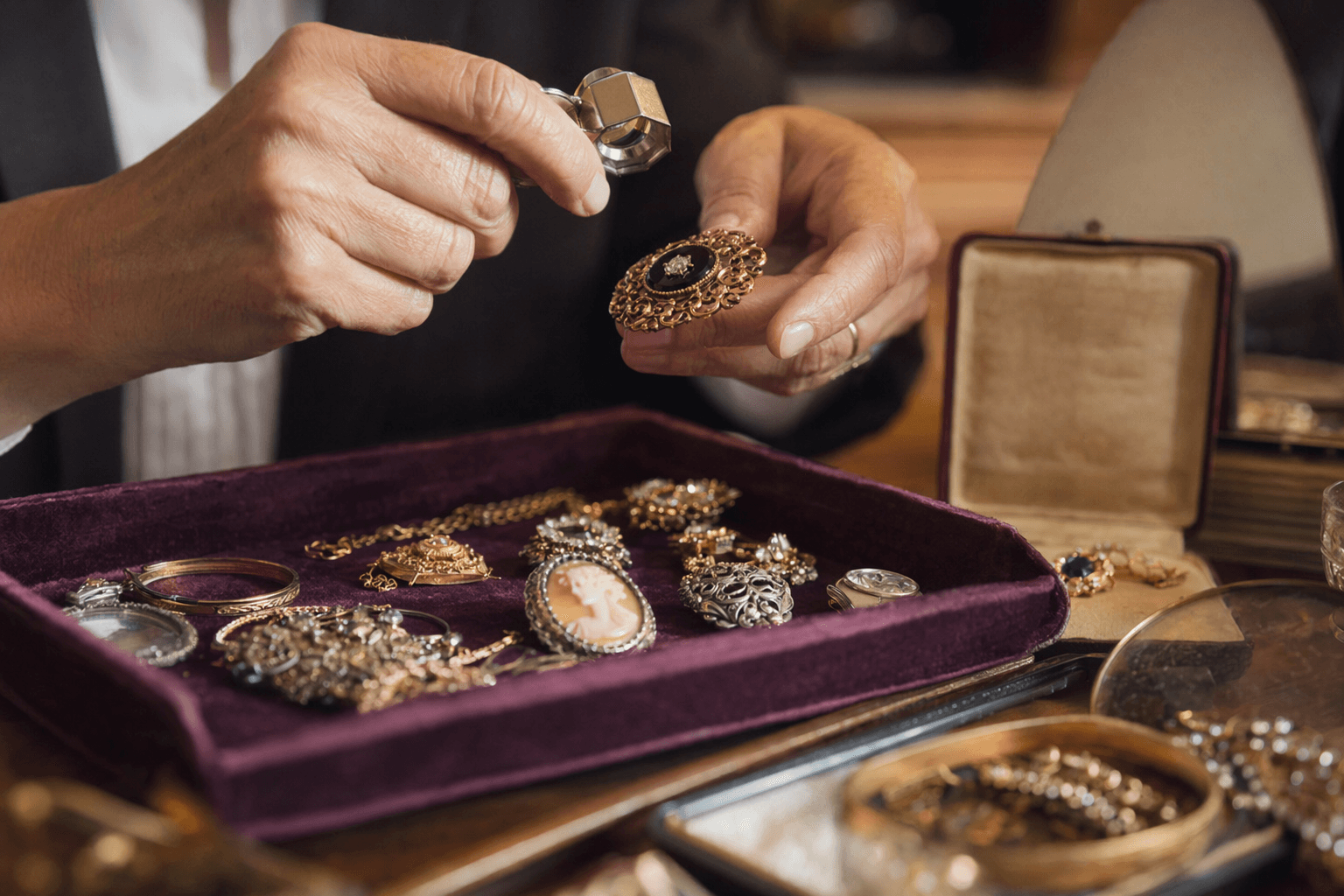
Every antique jewel is a small archive, and the first look should be practical, not dreamy. Start with the piece in your hand, not the tray it came from, and check whether the style, materials, and wear all speak the same language. A Victorian brooch with a modern safety catch, for example, is not automatically wrong, but it is a clue that the piece has a second life and should be priced accordingly.
1. Period consistency
Look at whether the design, stone cuts, and metalwork fit one era or several. A jewel that reads as one clean period piece usually carries more collector appeal than a later assembly of old parts, especially when you are paying for originality.
2. Hallmarks and signatures
Search the back, clasp, shank, and hidden surfaces for tiny stamps, maker’s marks, or a signature. A signature or brand can point to authenticity and provenance, yet unsigned pieces can still be valuable if the construction and style are right.
3. Construction details
Examine solder joints, hinge work, pin stems, gallery piercing, and clasp findings. Crisp, coherent craftsmanship matters because it helps separate a true period jewel from a later reproduction or a jewel that has been heavily rebuilt.
4. Repairs and alterations
Ask what has been changed: stones reset, prongs retipped, chains shortened, bails replaced, or brooches converted to pendants. Christie’s has noted that many 19th- and early-20th-century jewels seen at auction have been modified or refashioned, so alteration is common, but it should never be invisible to the price.
5. Condition
Check for chips, cracks, thinning shanks, bent pins, abraded engraving, and worn enamel. Condition is not only about beauty; it tells you how much of the original jewel still survives and how much conservation the piece may need after purchase.
6. Provenance
Any old receipt, family note, auction record, branded box, or documented ownership history adds confidence. Provenance does not guarantee quality, but it can anchor a jewel in a verifiable story and protect you from paying antique prices for something that is merely antique-looking.
Train your eye before you buy
The best collectors do not begin with price tags. JCK’s collecting advice starts with looking at as many jewelry books as possible, then browsing auctions and shows until your eye learns what is common, what is original, and what has been altered beyond easy recognition. That habit matters at estate sales, where labels are often thin and the object has to speak for itself.
Study the same categories repeatedly: rings, brooches, bracelets, pendants, and earrings from the same period. The more examples you see, the easier it becomes to spot a later stone reset into an old mount, a replacement clasp on an otherwise authentic chain, or a style that borrows from an era without truly belonging to it.
Hallmarks, signatures, and the small stamp that changes the story
Hallmarks are one of the most useful shortcuts in vintage buying because they can reveal metal purity, country of origin, and sometimes the maker. A tiny stamp may be tucked where a casual seller would not think to look, yet it can make the difference between an educated guess and a documented attribution. If a jewel is signed, that signature can strengthen both authenticity and provenance, especially when the name links the piece to a recognized maison.
Still, a missing signature does not automatically lower a jewel to second tier. Many unsigned jewels are worth serious attention if the craftsmanship, design, and materials are strong. The mistake is assuming that every good antique must advertise itself clearly; many of the best pieces are quieter, with the evidence hiding in the construction rather than the branding.
Why repairs matter more than most first-time buyers realize
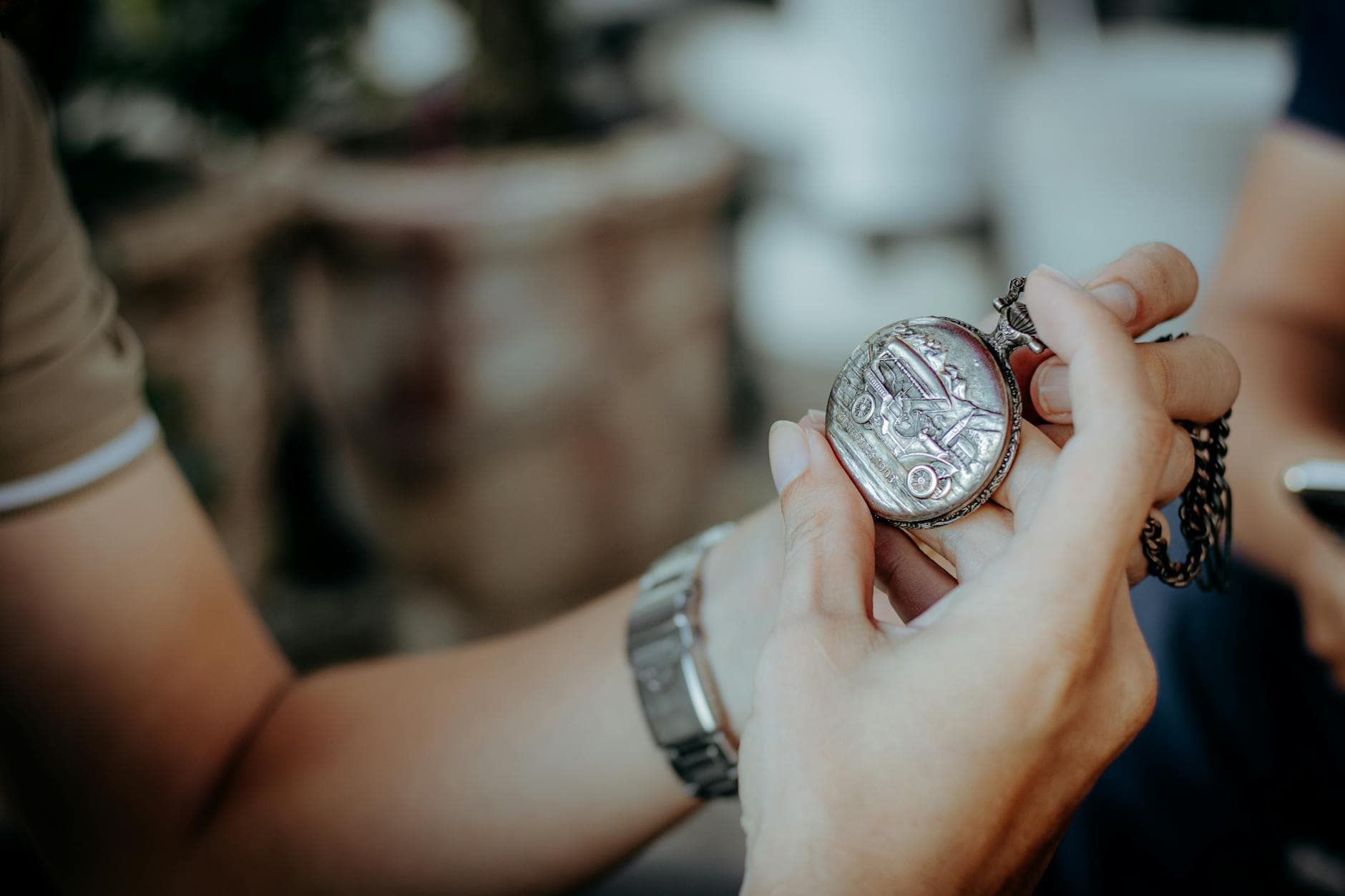
Repair history is where value can shift fast. An original clasp, unthinned shank, and untouched setting can make a jewel feel remarkably close to the day it left the workshop, while a series of later changes can turn it into a composite object that is still beautiful but less collectible. Christie’s observation about antique jewels being modified or refashioned is crucial here: alteration is part of the life of the category, not an exception.
That means you should inspect the piece for signs of compromise, not just age. A brooch pin that sits awkwardly, a necklace whose links do not match evenly, or a ring with fresh solder around the shoulders all suggest intervention. Some repairs are responsible and necessary, but the fewer surprises you find, the safer the purchase.
Provenance gives context, not just cachet
Provenance is more than a luxury word. It can connect a jewel to a family, a collector, a shop, or a sale history, and that paper trail helps distinguish a genuine period object from a later imitation. If a jewel has passed through a notable collection or appears in auction records, the story may reinforce the value, but the physical evidence still has to match the story.
That balance matters because collecting has become more document-driven even as it remains tactile. Sotheby’s continues to run specialist jewelry auctions and estimates, which shows how much expertise is still required to assign identity and value to a small object. Bonhams brings a similar seriousness to the field, with qualified gemologists, knowledgeable jewelry connoisseurs, and offices and representatives spanning 22 countries, a reminder that real appraisal still depends on trained eyes.
How to buy wisely in a market that lives both online and in person
The market is not confined to velvet trays anymore. IBISWorld’s most recent U.S. online jewelry and watch sales analysis was published in November 2025, and its online antiques-and-collectibles coverage reflects how often collectors now search through digital listings and previews before they ever see a piece face to face. That shift makes photographs, measurements, and close-ups of hallmarks and hinges more important than ever.
When buying online, ask for images of the front, back, clasp, inside of the shank, and any repair areas. In person, hold the piece under light and inspect the hidden surfaces first, because that is where the truth usually lives. A fair or estate sale can be thrilling, but the right question is never whether the jewel is old. It is whether it is original enough, documented enough, and honest enough to justify the price attached to it.
What value really comes from
Value in antique jewelry comes from the meeting point of originality, condition, hallmark evidence, provenance, and design. A signed jewel may command attention because the signature points to a house and a history, but an unsigned piece can still be significant if the workmanship is sharp and the period details are consistent. The most expensive mistake is paying for age alone.
The best first-time buy is not necessarily the flashiest piece in the case. It is the one that can explain itself through its clasp, its stamps, its repairs, and its wear, a small archive you can read before you decide to bring it home.
This article was produced by Prism’s automated news system from verified source data, official records, and press releases, then run through automated quality and moderation checks before publishing. The system is built and supervised by the people who set the standards it runs under. Read our full AI policy.
Did this article answer your question?