Inside TEFAF Maastricht’s Floral Teams, Lighting and Scent Shape Jewellery Displays
At TEFAF Maastricht, large floral installations reshaped sightlines and visitor flow, altering how jewellery cases were lit, staged, and handled at the fair.

At TEFAF Maastricht the show floor’s floral teams did more than dress the aisles: their large installations determined how dealers lit cases, where cabinets were set, and how staff handled vintage jewels during viewings. The behind-the-scenes work on March 5, 2026 recast display design as a technical collaboration between florists, lighting technicians and stand fitters.
On March 5, teams installing oversized bouquets and suspended garlands coordinated directly with exhibitors to adjust lighting angles and fixture intensity around jewellery cases. Those adjustments were not ornamental: the placement of florals changed sightlines so that recessed downlights and side-fill lamps required recalibration to avoid glare on glass-topped cases and to maintain accurate color rendition for diamonds and colored stones.
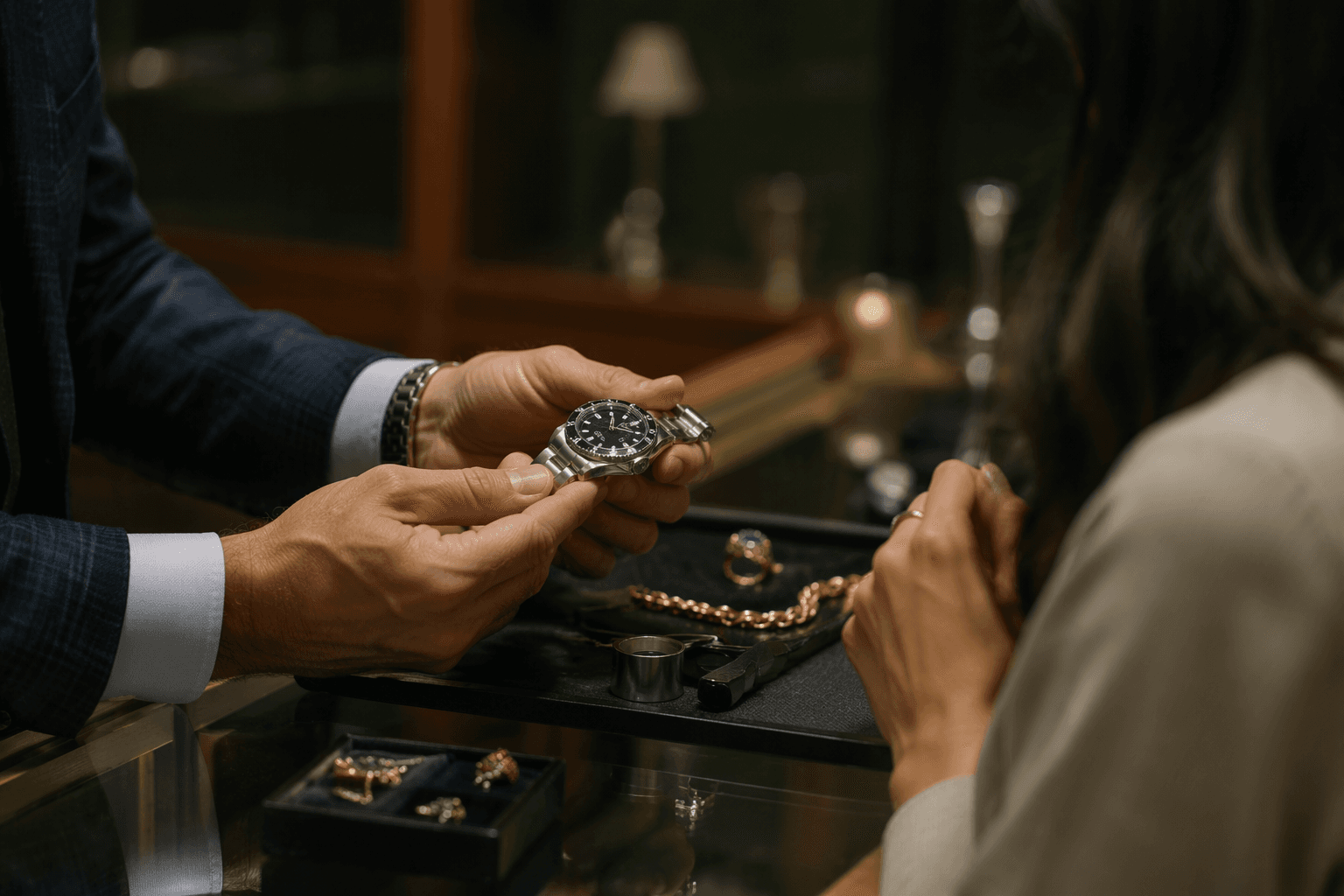
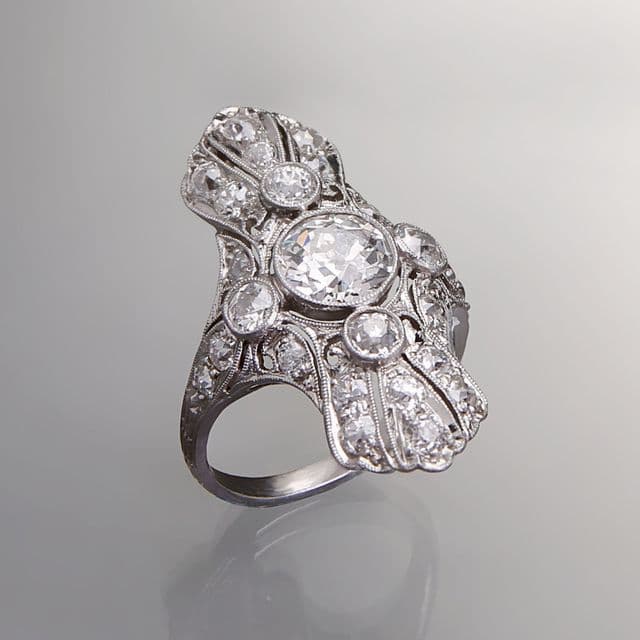
Lighting choices at the fair affected color perception and visibility of details that matter to collectors. Low-angle warm fill lighting made antique gold settings read richer but risked muting blue sapphires, while cooler top-down spots increased sparkle on old-cut diamonds but created reflections on curved case glass. Because several dealers repositioned lights in response to nearby floral structures, viewing protocols changed on the floor: cases that had relied on overhead ambient light were retrofitted with supplementary task lamps to preserve true gem tone under altered sightlines.
Staging decisions were equally tactical. Large center-aisle floral works required exhibitors to shift display cabinets back from the main flow, raising case heights in a handful of booths and narrowing sightlines in others. Those shifts altered handling routines: staff at affected stands moved secure boxes from behind counters into front cases to keep objects accessible without repeated removal, changing how and when vintage pieces were lifted from mounts for close inspection.

Scent selections were integrated into the design package and had practical consequences for handling protocols. Floral scents placed near entrances and major corridors guided visitor circulation away from fragile cabinets, while stronger bouquets close to some booths prompted dealers to re-locate delicate paperwork and original provenance documents farther from fragrant clusters. The net result on March 5 was a measurable change in traffic patterns around jewellery displays, which in turn influenced the frequency of case openings and direct handling of stones and settings.
For vintage-jewellery collectors the implications are concrete: display ecology at TEFAF Maastricht combined floral scale, lamp placement and olfactory design to shape condition risk and viewing accuracy. Buyers assessing patina, joinery and stone color encountered a show environment where curatorial floristry and technical lighting choices directly affected what could be seen and touched. Expect future fairs to plan floral, lighting and scent elements as part of conservation-aware staging rather than as mere decoration, because those decisions now determine both the viewing experience and the care vintage pieces receive.
This article was produced by Prism’s automated news system from verified source data, official records, and press releases, then run through automated quality and moderation checks before publishing. The system is built and supervised by the people who set the standards it runs under. Read our full AI policy.
Did this article answer your question?