Masked burglars steal millions in jewelry from Musée Lalique, France
Masked burglars escaped with 27 Lalique jewels worth about €4.5 million, putting one of France’s most fragile museum collections under the spotlight.
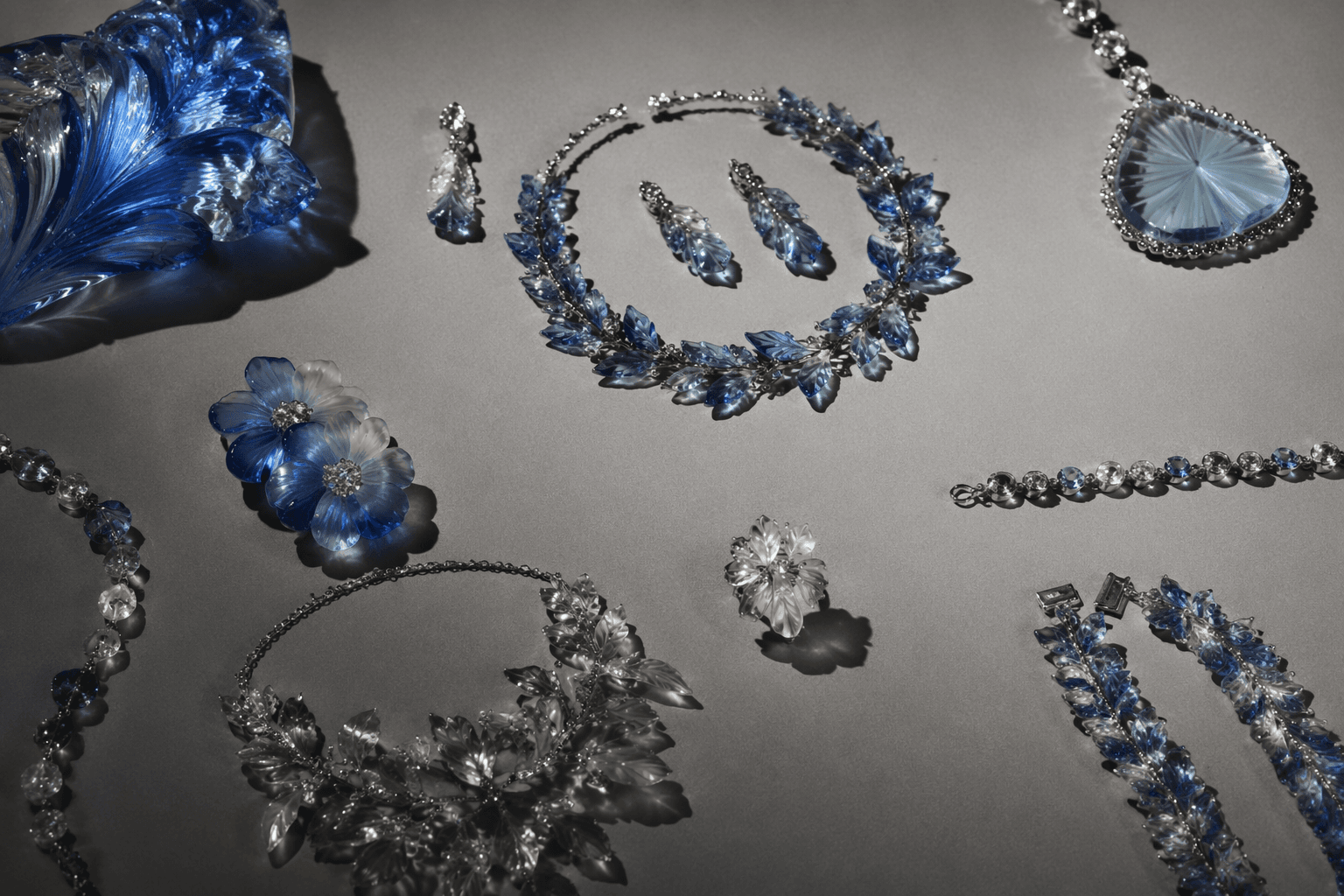
Masked burglars stole 27 pieces of jewelry valued at about €4.5 million ($5.1 million) from Musée Lalique in Wingen-sur-Moder, Bas-Rhin, in an early-morning raid that hit one of France’s most specialized jewelry collections. The break-in happened around 5:30 a.m., and the haul was later estimated by French prosecutors at millions of euros.
An alarm sounded before staff arrived, and a cleaning woman discovered the break-in and called police. The museum said it would remain closed for several days while its CCTV was reviewed and security measures were strengthened. In a field where a single display case can hold unique works tied to a designer’s hand, the speed of the raid matters as much as the value of what vanished.
Musée Lalique opened in 2011 near the company’s historic site and says its collection includes more than 650 pieces spanning Art Nouveau jewelry, Art Deco glassware and contemporary crystal. René Lalique, whom the museum describes as the inventor of modern jewelry, built a body of work that collectors prize not only for material and design, but for the documentation that proves where each object came from and how it survived. When pieces like these disappear, the loss runs through the market and the archive at once: exhibition history is interrupted, comparative study becomes harder, and the chain of provenance that supports valuation weakens.
The theft comes less than a year after the October 19, 2025 robbery at the Louvre Museum in Paris, where thieves stole nine items of jewelry in daylight. INTERPOL says eight of those objects remain missing and have been entered into its stolen-works database. The agency treats cultural-property trafficking as a low-risk, high-profit form of organized crime, which is why a museum jewelry heist in northeastern France now lands far beyond one gallery wall.
For Lalique, the damage is not only financial. Museum-held jewelry is rare because it sits at the intersection of craft, authorship and record-keeping, and once a distinctive piece is gone, scholarship loses a reference point that cannot be easily replaced.
This article was produced by Prism’s automated news system from verified source data, official records, and press releases, then run through automated quality and moderation checks before publishing. The system is built and supervised by the people who set the standards it runs under. Read our full AI policy.
Did this article answer your question?