SSEF flags possible new Ethiopian source of Paraíba tourmaline
SSEF has flagged a possible Ethiopian source of Paraíba tourmaline, raising the stakes for provenance on older Brazilian and Mozambican stones.
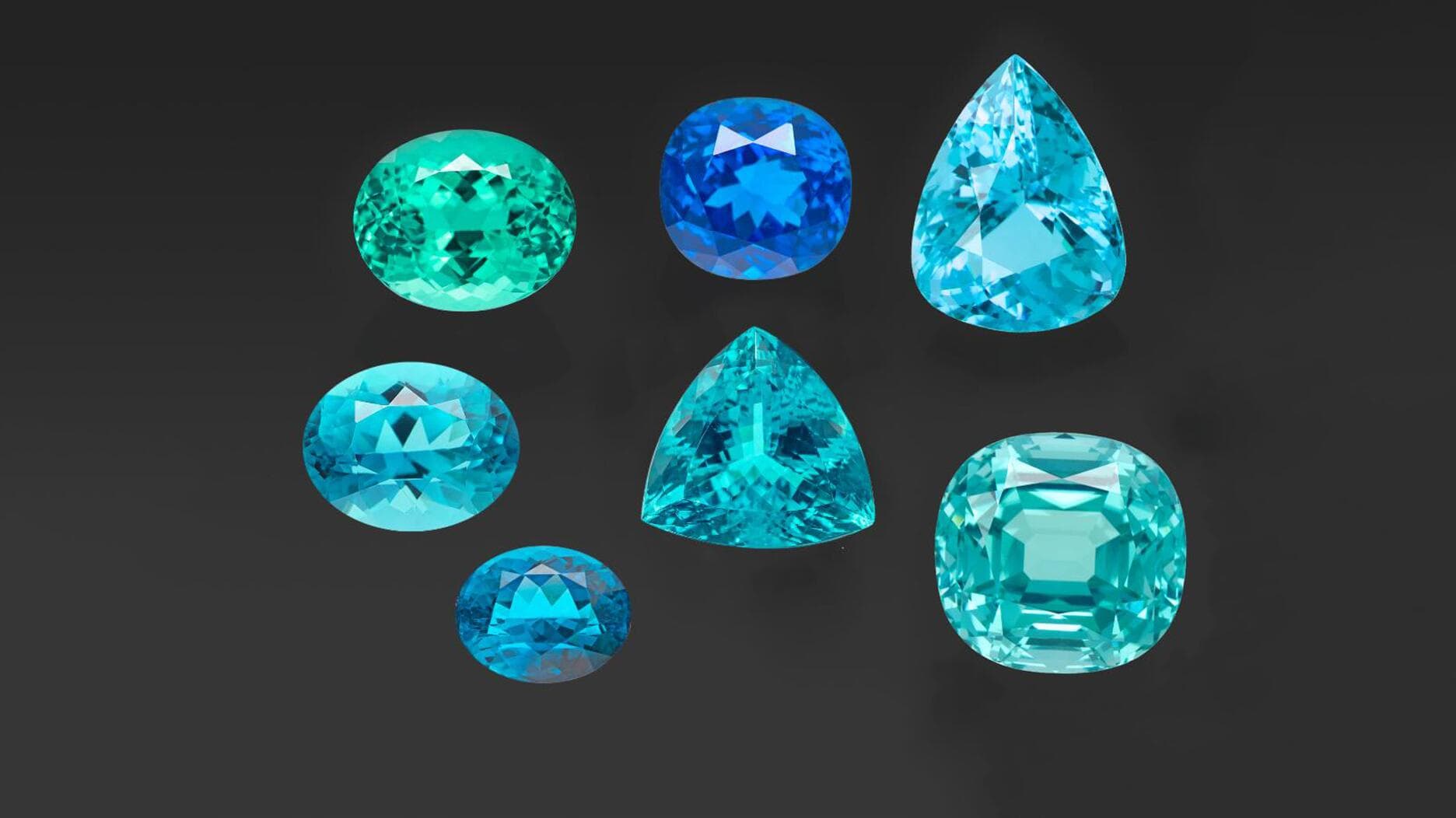
Swiss Gemmological Institute SSEF has flagged a possible new Ethiopian source of copper-bearing tourmaline after receiving credible trade reports and examining several Paraíba stones whose geographic origins were difficult, and in some cases inconclusive, to determine. Preliminary trace-element work showed considerable overlap with stones from known localities, especially Brazil, so the lab is treating Ethiopia as a working hypothesis while it continues to refine its separation methods.
That uncertainty matters because Paraíba has never been priced on color alone. Copper-bearing tourmalines entered the commercial gem market in the late 1980s, after Heitor Barbosa discovered the original material in a weathered pegmatite near São José da Batalha in Brazil’s Paraíba state. When additional sources appeared in Nigeria and Mozambique in the early 2000s, the trade welcomed the extra supply, and Mozambique in particular became a major producer of larger stones, including gems weighing several hundred carats. Even so, SSEF still calls Brazil the benchmark for top-color material.
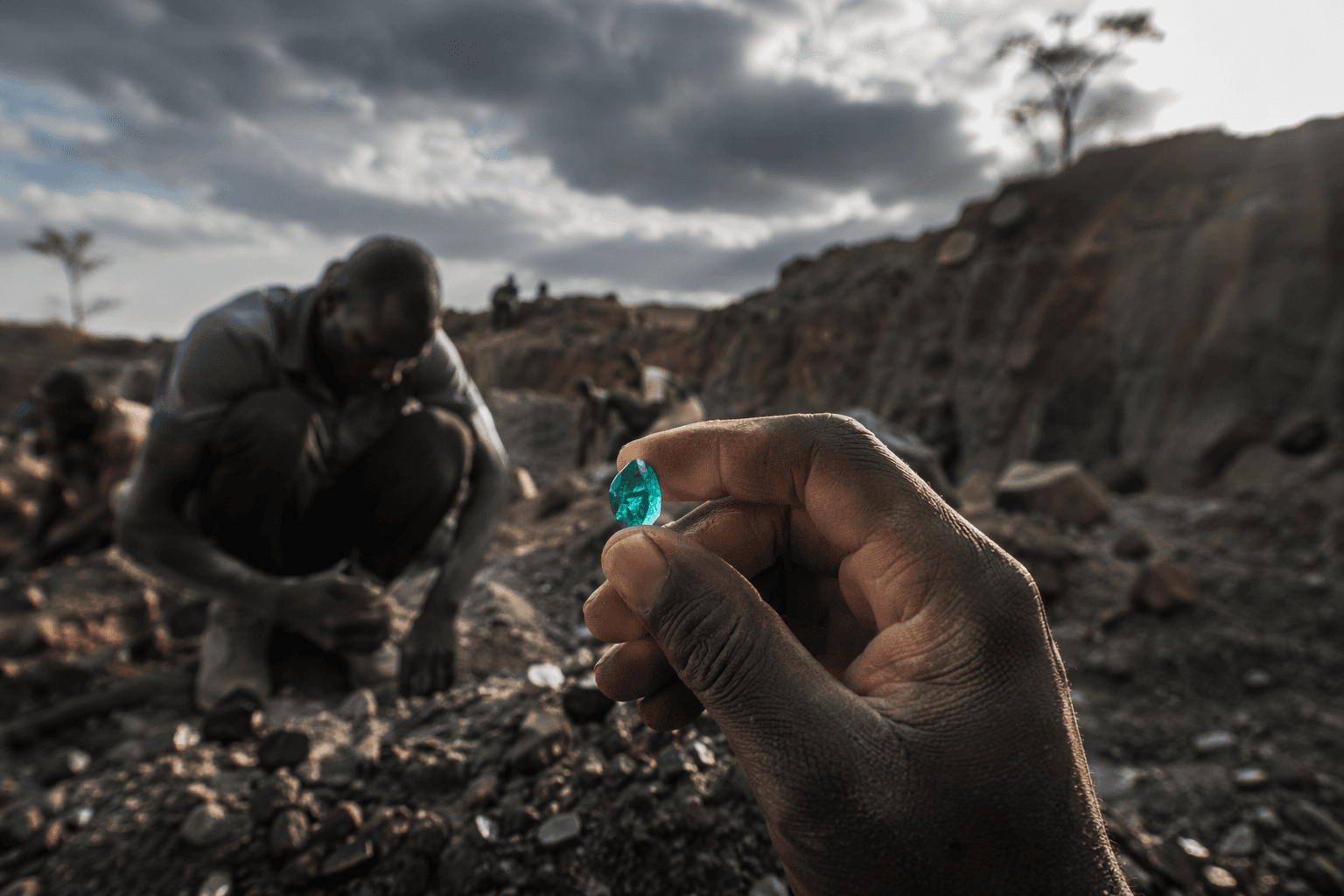
GIA’s position explains why a fresh source discovery can reshape vintage value so quickly. The institute says Paraíba tourmalines are recovered from Brazil, Nigeria and Mozambique, and that prices are based in part on geographic origin. It also says standard gemological testing and qualitative chemical analysis cannot establish provenance, which is why it developed quantitative LA-ICP-MS criteria using copper, zinc, gallium, strontium, tin and lead to determine origin. For dealers handling estate rings, brooches and necklaces, the practical lesson is clear: a stone needs more than a vivid blue-green glow. It needs a report that names origin with analytical backing.
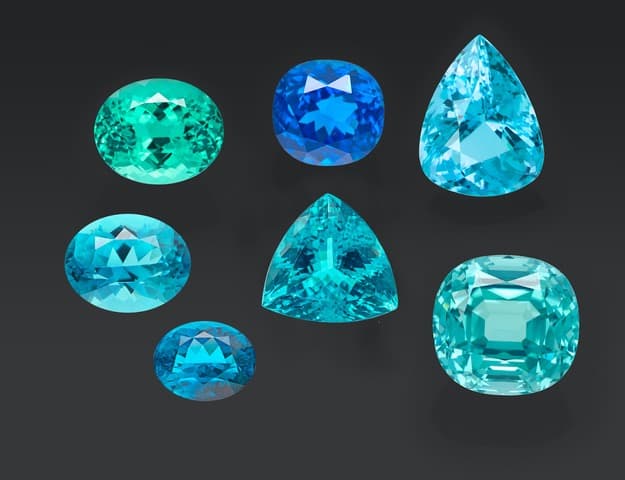
If Ethiopian material is confirmed, it could widen the price gap between pieces with documented origin and those that can only be called Paraíba by appearance. Older Brazilian stones with clean paperwork may gain another layer of rarity, while vintage Mozambique stones could face closer scrutiny if their records are vague or absent. The market has already shown how steep that premium can be. In December 2025, Christie’s sold a Tiffany & Co. Paraíba tourmaline necklace for $4.2 million, setting an auction record for the gem and a per-carat record of a little over $310,000. For collectors, the next important line will be the one that says exactly where the stone came from, and whether a lab is certain enough to stand behind it.
This article was produced by Prism’s automated news system from verified source data, official records, and press releases, then run through automated quality and moderation checks before publishing. The system is built and supervised by the people who set the standards it runs under. Read our full AI policy.
Know something we missed? Have a correction or additional information?
Submit a Tip