SSEF warns of emerald fraud involving refilled stones and old reports
SSEF said some emeralds were cleaned, refilled with artificial resin, and resold under old reports that no longer described the stone buyers saw.
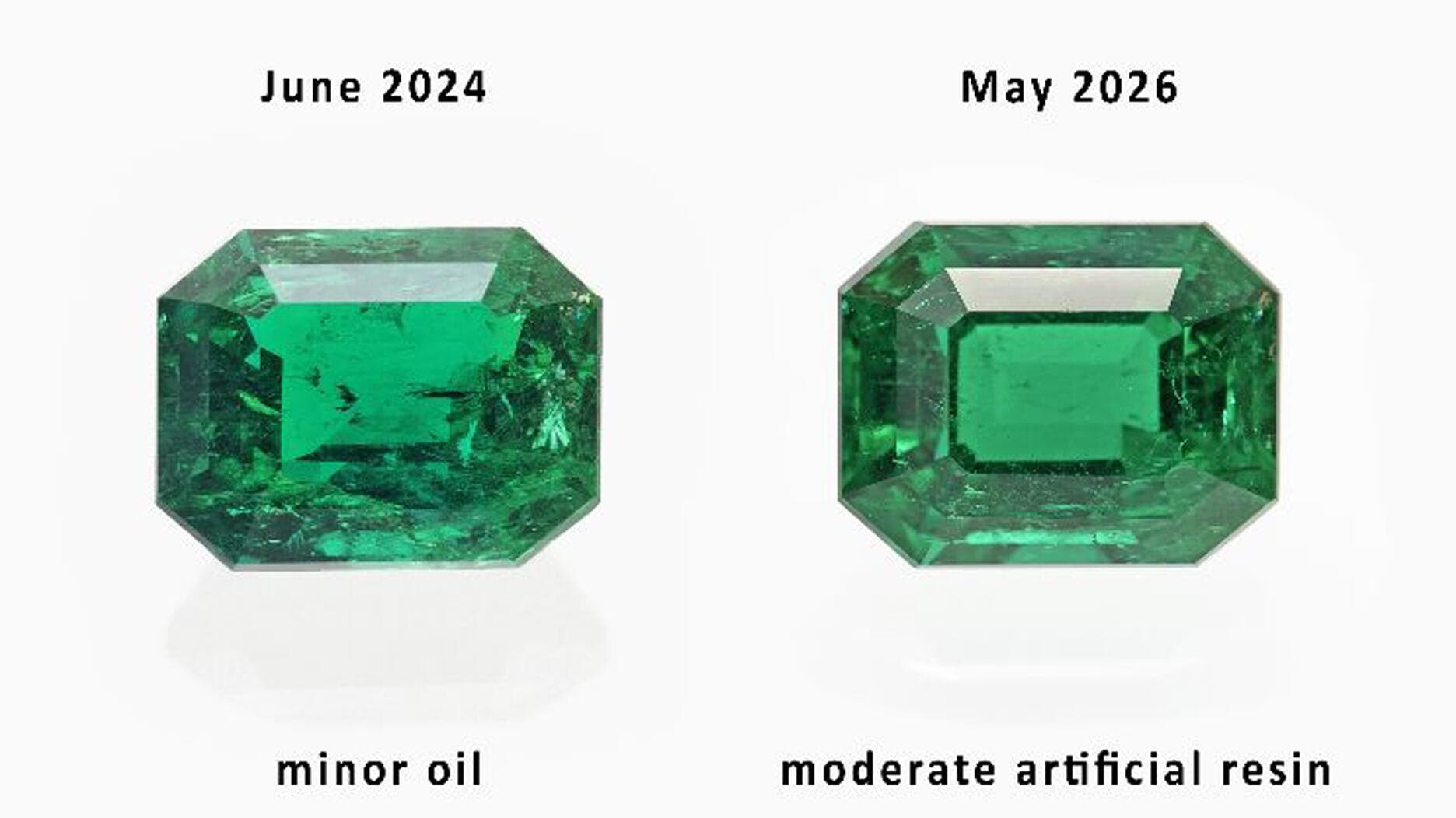
Old emerald paperwork can create a dangerous illusion of certainty. SSEF warned on June 15 that some stones have been tested, then cleaned and refilled with artificial resin after the lab work, and later sold with the earlier report as if nothing had changed.
The Swiss Gemmological Institute said the problem has resurfaced in the market in a string of recent cases. That is especially risky in the vintage and estate trade, where emeralds often circulate more than once and an old laboratory document can look like reassurance even when the stone itself has been altered since it was first examined.
SSEF said the practice is fraudulent when fissures are refilled after laboratory testing and the gem is then marketed with a report that said there was no clarity modification, or only minor modification, at the time of testing. Emeralds commonly contain fissures, and untreated high-quality stones without them are very rare. Fillers can include oil, wax, natural resin or artificial resin, and disclosure is mandatory under LMHC and CIBJO standards because the treatment affects value.
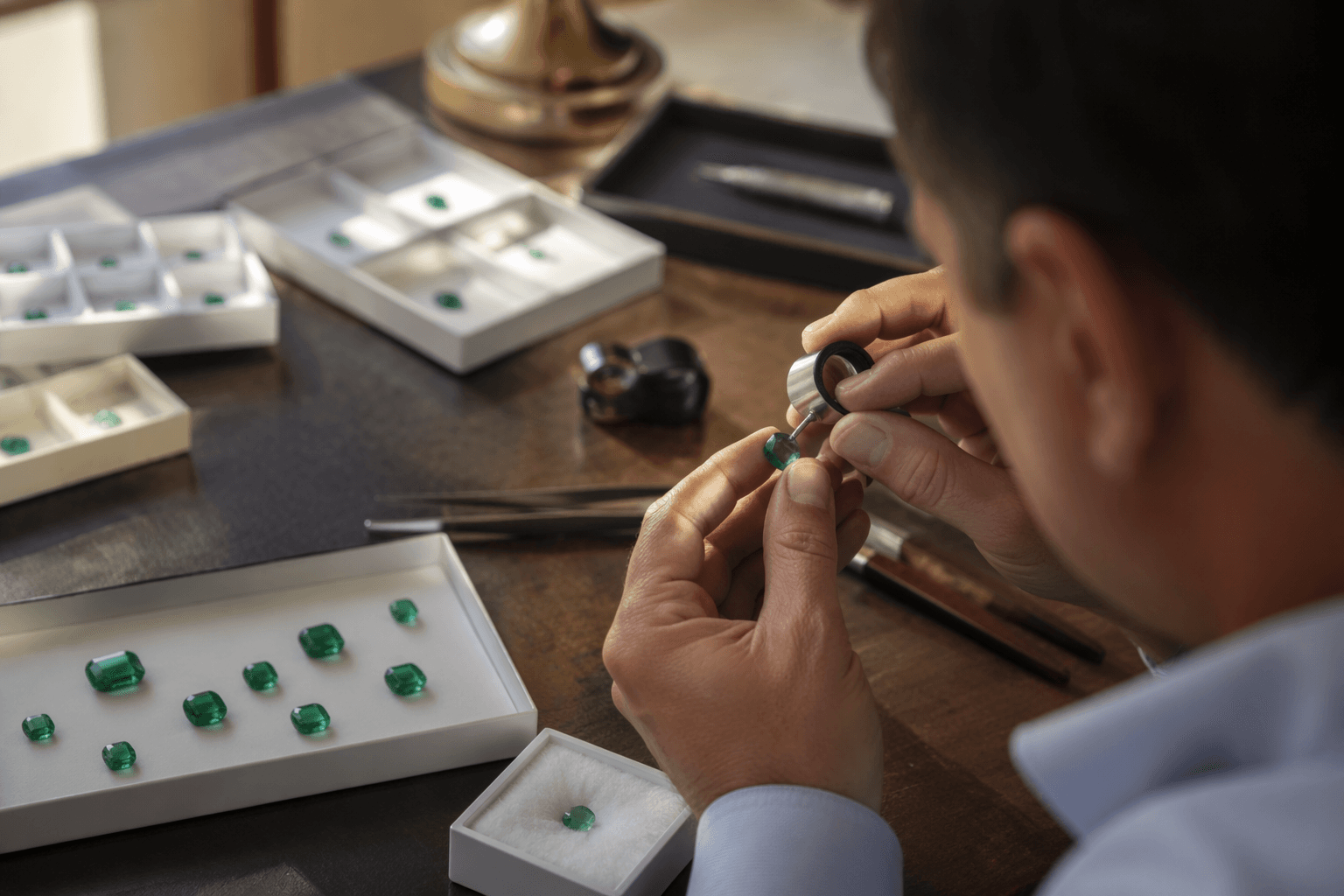
The institute said high-end buyers increasingly prefer emeralds with only minimal oil or no clarity modification, a shift that has encouraged a troubling workaround. Some previously resin-filled stones are chemically cleaned with strong solvents, retested, and then refilled again. SSEF said the filling itself can be done in a few minutes, which means a report can become misleading almost as soon as it is printed if the stone is changed afterward.
That is why SSEF changed the wording on its emerald reports in March 2016 to make clear that every statement refers only to the condition at the time of testing. Report numbers are unique to the submitted stone, and if a gem is resubmitted later for a recheck or update, it receives a new number. The institute also said report photos are representational and may not match the gem’s exact color, clarity or size.
SSEF urged buyers to verify every report through MySSEF, where reports issued after July 11, 2016 can be downloaded and authenticated. It also urged immediate retesting before any transaction if an emerald looks unusually clean for the visible fissures, or if the report is old. The warning carries extra weight for Colombian stones, which are especially vulnerable because they often contain small fissures, and for any emerald that has been exposed to strong acids, tumbling or ultrasonic cleaning, methods that can cause chipping or cracking.
This article was produced by Prism’s automated news system from verified source data, official records, and press releases, then run through automated quality and moderation checks before publishing. The system is built and supervised by the people who set the standards it runs under. Read our full AI policy.
Know something we missed? Have a correction or additional information?
Submit a Tip