Tiny charms return as nostalgia and gold prices reshape jewelry
Tiny charms are back because nostalgia and record gold prices favor pieces that are small, collectible and easy to layer. The revival is shrinking jewelry into something more personal, and often more affordable.
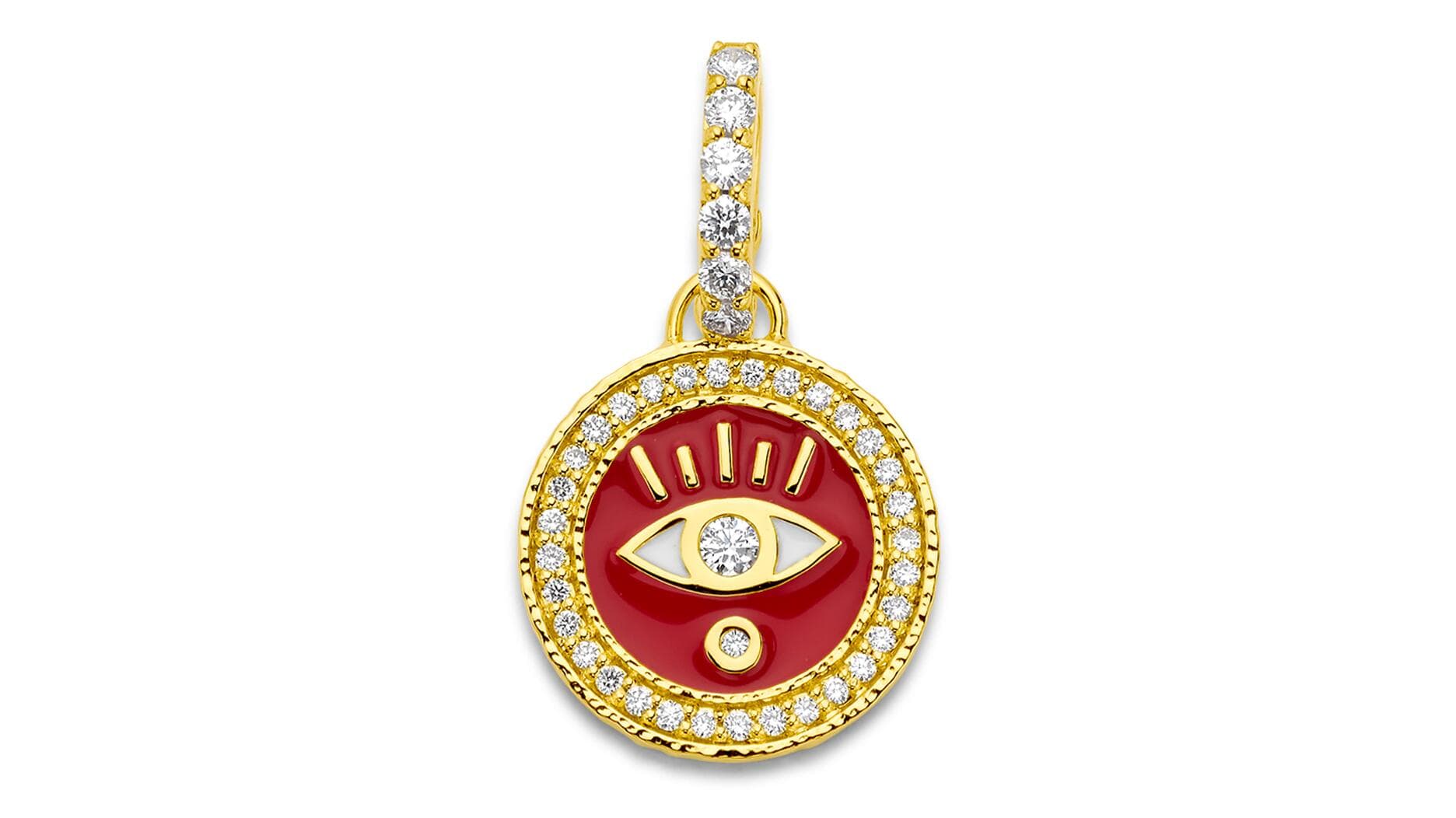
Tiny charms are back in a way that feels both sentimental and sharply practical. National Jeweler’s roundup of 13 charms and mini pendants, from Buddha Mama, Yvonne Léon, Harwell Godfrey and Marie Lichtenberg, shows how the category has been recast for a market that wants memory, layering and a lighter metal bill.
The charm comeback has a practical side
The appeal of these pieces is not just emotional. High gold prices have pushed buyers and makers toward smaller formats, and that pressure is reshaping what jewelry looks like at the counter and on the body. CNBC reported in 2025 that some companies focused on lower-price-point gold pieces were sounding the alarm about rising precious-metal costs, while the World Gold Council said jewelry demand volumes fell worldwide in 2025 even as the value of demand rose.
That is exactly the kind of market squeeze that makes a charm feel smart. A miniature pendant uses less metal, asks for less commitment and still delivers the personal charge that makes jewelry feel worth keeping.
The oldest jewelry story in the room
Stuller defines charms as small decorative items, often symbolic or meaningful, attached to bracelets, necklaces, anklets or even earrings. It also says they are meant to be collected, layered and worn together. That description sounds current, but the history reaches back to the Neolithic Era, when portable adornment already carried meaning beyond decoration.
That long arc explains why tiny charms read as familiar even when the styling is new. A charm has always been more than scale. It is a marker, a memory, a signal.
Victorian lockets still set the emotional tone
The modern charm revival owes a debt to Victorian lockets, which made jewelry feel private as well as decorative. Their appeal was not size alone, but the sense that a piece could hold a story close to the skin. Today’s small charms borrow that intimacy, even when they are cleaner and less ornate.
This is part of why the revival feels so natural on a chain or bracelet. The object may be tiny, but the idea behind it is expansive: a jewel can be a keepsake, a symbol and a daily uniform all at once.
Midcentury souvenir pendants taught jewelry to travel
Midcentury souvenir pendants helped turn jewelry into a record of places and experiences. They were collectable by nature, each piece standing in for a city, a trip or a moment that mattered enough to wear home. That same impulse survives in today’s charm culture, where a tiny pendant can function like a wearable postcard.
The difference is scale. The new versions are pared back, more refined and easier to stack, which makes them feel less like novelty and more like part of a permanent wardrobe.
The 1990s are still whispering in the background
Jewelers Mutual says today’s trend leans toward daintier, more delicate charms rather than the chunky, bold charms associated with the 1990s. That matters because the 1990s did not disappear from jewelry memory, they simply softened into a new silhouette. The nostalgia cycle is still feeding current style, but the proportions have changed.
Where a 1990s charm bracelet might have been loud and crowded, the current version prefers breathing room. The result is less nostalgic clutter and more curated sentiment.
Layering is the new styling rule
Stuller says charms are designed to be collected, layered and worn together, and National Jeweler’s trend coverage reinforces that point by noting the rise of smaller-scale design and spacers that keep charms and pendants from bunching too tightly. That detail sounds minor, but it changes how the jewelry reads on the body. Spacers create rhythm, prevent tangling and let each piece register on its own.
Layering also makes tiny charms look intentional rather than random. One charm can anchor a chain, but several pieces, spaced well, can turn a neckline or wrist into a visual timeline.
Why smaller pieces feel more collectible
National Jeweler frames the look as the ultimate collector’s item, and that description fits the economics as well as the emotion. Smaller pieces make collecting feel approachable, especially when gold prices are high and every gram matters. They also invite incremental buying, which suits a market built on layering rather than one dramatic purchase.
The charm format encourages accumulation without demanding uniformity. One piece can be a gift, another a travel memory, another a design object, and the whole thing still works.
The 13-piece roundup signals a broader shift
National Jeweler’s selection of 13 charms and mini pendants is telling because it spans names with distinct design languages, including Buddha Mama, Yvonne Léon, Harwell Godfrey and Marie Lichtenberg. That range suggests the category is not confined to one aesthetic, one price band or one kind of customer. It has become a shared language across fine jewelry.
The breadth matters. When a trend moves from novelty into a multi-brand category, it usually means the styling logic has outgrown the fad stage.
Authentic vintage charms still carry the strongest character
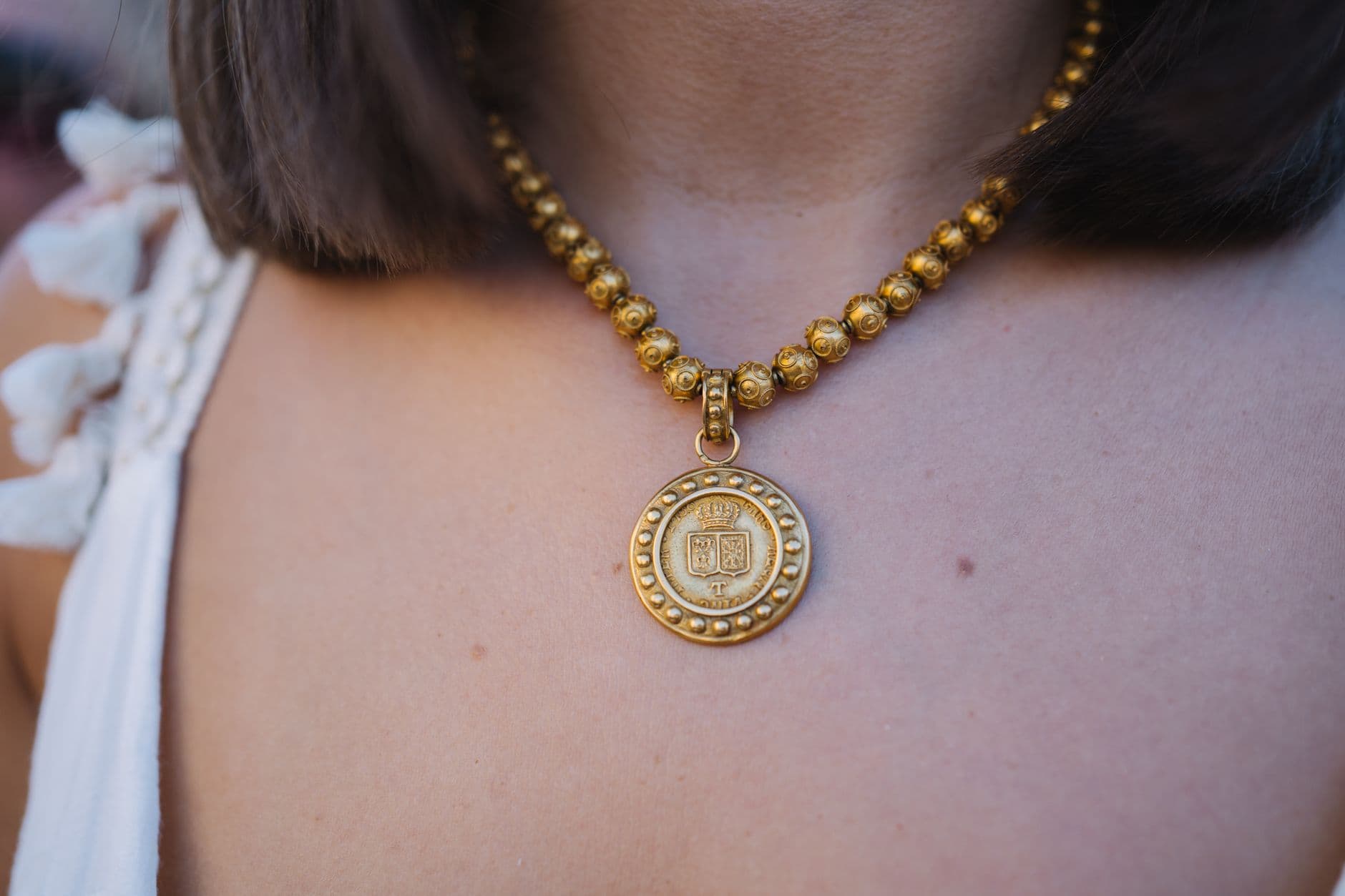
If you are mixing vintage and new, the vintage piece should do more than match a color palette. An authentic charm often has a softened edge, a little patina and the quiet irregularities that come from wear, not machine polish. Those traces matter because they keep the piece from looking overly coordinated.
The best vintage charms do not need to be perfect. Their surface history is part of the allure, and it gives newer pieces a sense of depth beside them.
Mixing old and new works best when the proportions are honest
A vintage charm and a modern mini pendant can sit together beautifully if the scale feels deliberate. A heavier antique chain can ground a smaller contemporary charm, while a sleeker new chain can modernize a charm with more old-world detail. The key is to keep the styling from becoming crowded.
- Keep one dominant metal tone, then introduce contrast sparingly.
- Vary scale so every charm does not compete for attention.
- Let one or two vintage motifs carry the story, then use newer pieces as punctuation.
A few practical rules make the mix feel collected, not chaotic:
That balance preserves character without making the jewelry look like a costume.
The motifs coming back are the ones with memory built in
The historic motifs resurfacing now are the ones that already knew how to carry meaning: lockets, medallions, hearts, coins and small travel talismans. These shapes survive because they are instantly legible, even when they are resized or reworked for a modern chain. They do not rely on trend language alone.
That is why the current charm revival feels sturdier than a passing whim. It is borrowing from forms that have already proven they can hold memory, status and sentiment in the smallest possible space.
Materials and craftsmanship matter more when the piece is tiny
When a charm is small, every detail shows. Secure jump rings, clean bales, thoughtful stone setting and honest metal disclosure become more important because there is less surface area to hide behind. A well-made miniature pendant should feel crisp at the edges, balanced in weight and clear about what it is made from.
That is also where vague sustainability claims deserve skepticism. If a brand talks about responsibility, look for plain answers about metal purity, stone origin and production practices. In a category built on intimacy and collecting, the most convincing luxury is clarity.
Why this cycle is likely to stay
Tiny charms fit the moment because they answer three pressures at once: nostalgia, layering and the cost of gold. They let jewelry wearers build a story piece by piece, and they let makers offer beauty without committing to a large amount of precious metal. That combination makes the category feel less like a seasonal spark and more like a durable shift in how jewelry is bought and worn.
The old charm bracelet never really disappeared. It simply returned in a smaller, sharper and more wearable form.
This article was produced by Prism’s automated news system from verified source data, official records, and press releases, then run through automated quality and moderation checks before publishing. The system is built and supervised by the people who set the standards it runs under. Read our full AI policy.
Know something we missed? Have a correction or additional information?
Submit a Tip