Sustainability and Individuality Drive Vintage Jewelry Market Resurgence in 2026
Sapphires, emeralds, and Art Deco bracelets are outselling mass-produced fine jewelry as buyers demand provenance, craft, and a lower environmental footprint.
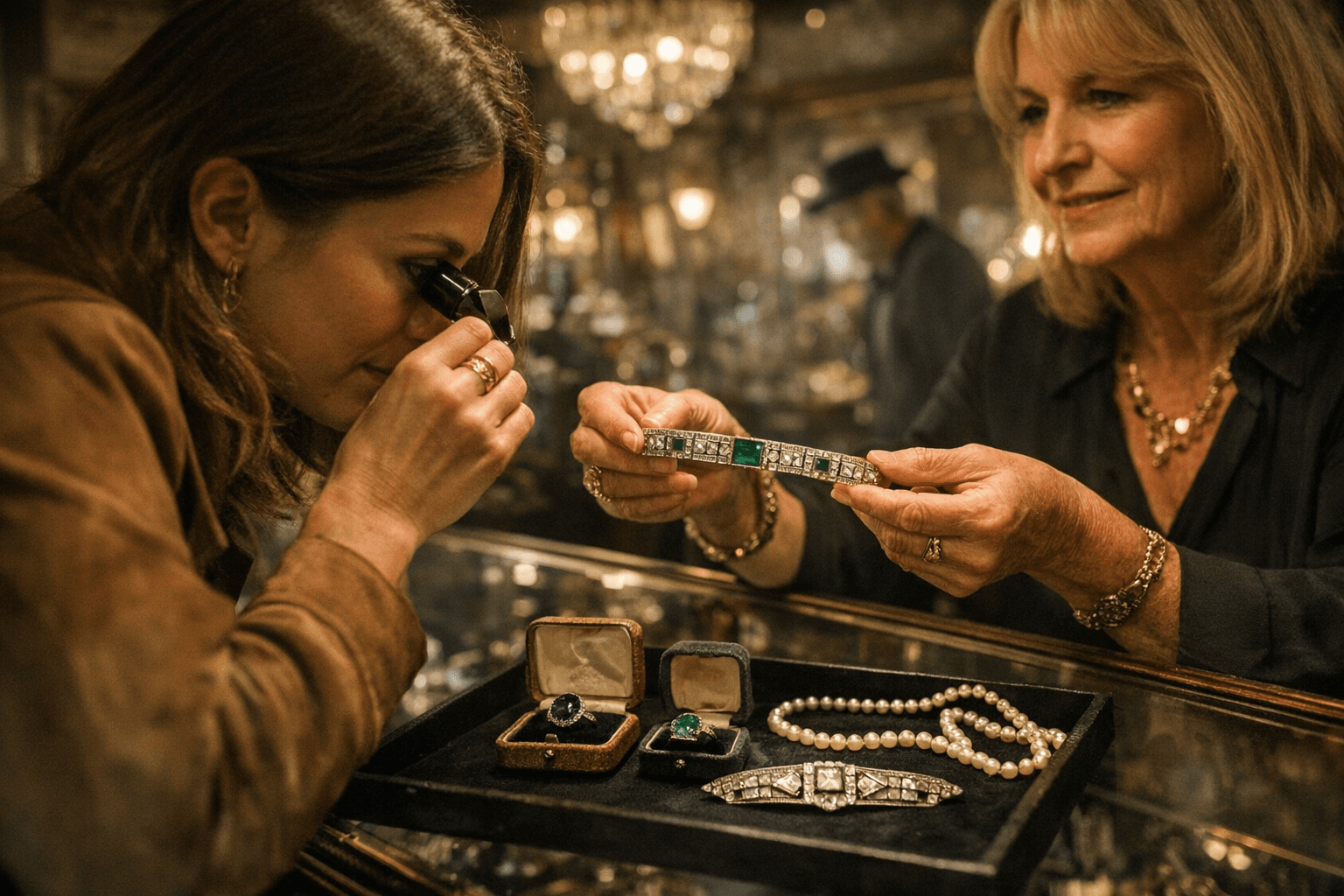
Pick up a geometric Art Deco bracelet at a Miami Beach estate sale and you are holding more than platinum and pavé diamonds. You are holding a supply chain that ended a century ago, a story no factory can replicate, and increasingly, a financial asset. The market for vintage and antique jewelry is experiencing a significant upswing in 2026, fueled by consumer demand for pieces with character, sustainability, and individuality.
Sell Us Your Jewelry, which identifies itself as a premier estate jewelry buyer in Miami Beach, reported a significant increase in inquiries for vintage pieces in a February 2026 market analysis. The firm specifically cited pieces from Cartier, Tiffany & Co., and Van Cleef & Arpels as driving particular interest. Art Deco and Victorian-era pieces were listed as especially in demand, their intricate designs drawing collectors and fashion buyers simultaneously. Notably, the firm's February 2026 piece referenced winter 2024 trends as still actively shaping the luxury jewelry landscape, a framing worth watching: it suggests the appetite for estate pieces has been building for at least two seasons before this year's acceleration.
The question of what buyers actually want cuts deeper than nostalgia. Anna Currell, writing for MJJ Brilliant, argues the appeal is structural: vintage jewelry, which she defines as any piece between 20 and 100 years old, was typically handcrafted rather than mass-produced, and the rise of factory manufacturing in modern decades created a quality gap that buyers are now actively correcting for. "From Victorian brooches adorned with intricate filigree to Art Deco rings featuring geometric patterns, vintage jewelry often represents a fusion of art and fashion," Currell writes. The one-of-a-kind nature of these pieces matters too. Owning something genuinely singular, she notes, allows individuals to express personal style while connecting to the aesthetics of a specific era and the person who may have worn the piece before them.
Ryan Blumenthal, writing for Clientbook in October 2024, tracked the same shift from the retailer's perspective. Modern shoppers, he observed, "want to stand out and have a one-of-a-kind accessory," and brands that cannot source authentic historical pieces can still enter the market by producing collections that borrow from past styles. That pathway matters for retailers who want to participate in the trend without competing for genuinely scarce inventory.
Scarcity is the category's core tension. Cognitive Market Research identifies limited supply and sourcing challenges as the primary restraint on vintage ring market growth, noting that unlike mass-produced jewelry, vintage pieces are unique or scarce, which complicates consistent sourcing for retailers. That restricted availability limits large-scale market expansion and strains inventory management for sellers trying to grow operations. It is also precisely what makes each piece valuable.
Social media has accelerated demand faster than supply can respond. Platforms including Instagram and Pinterest have highlighted vintage rings as fashionable, chic, and rich in narrative, and that digital influence is transforming consumer attitudes in ways that brick-and-mortar discovery never could. E-commerce has responded with digital platforms offering curated selections, certified appraisals, and clearer purchasing experiences, a development Cognitive Market Research links directly to younger consumers who prefer buying vintage from reliable online sources.
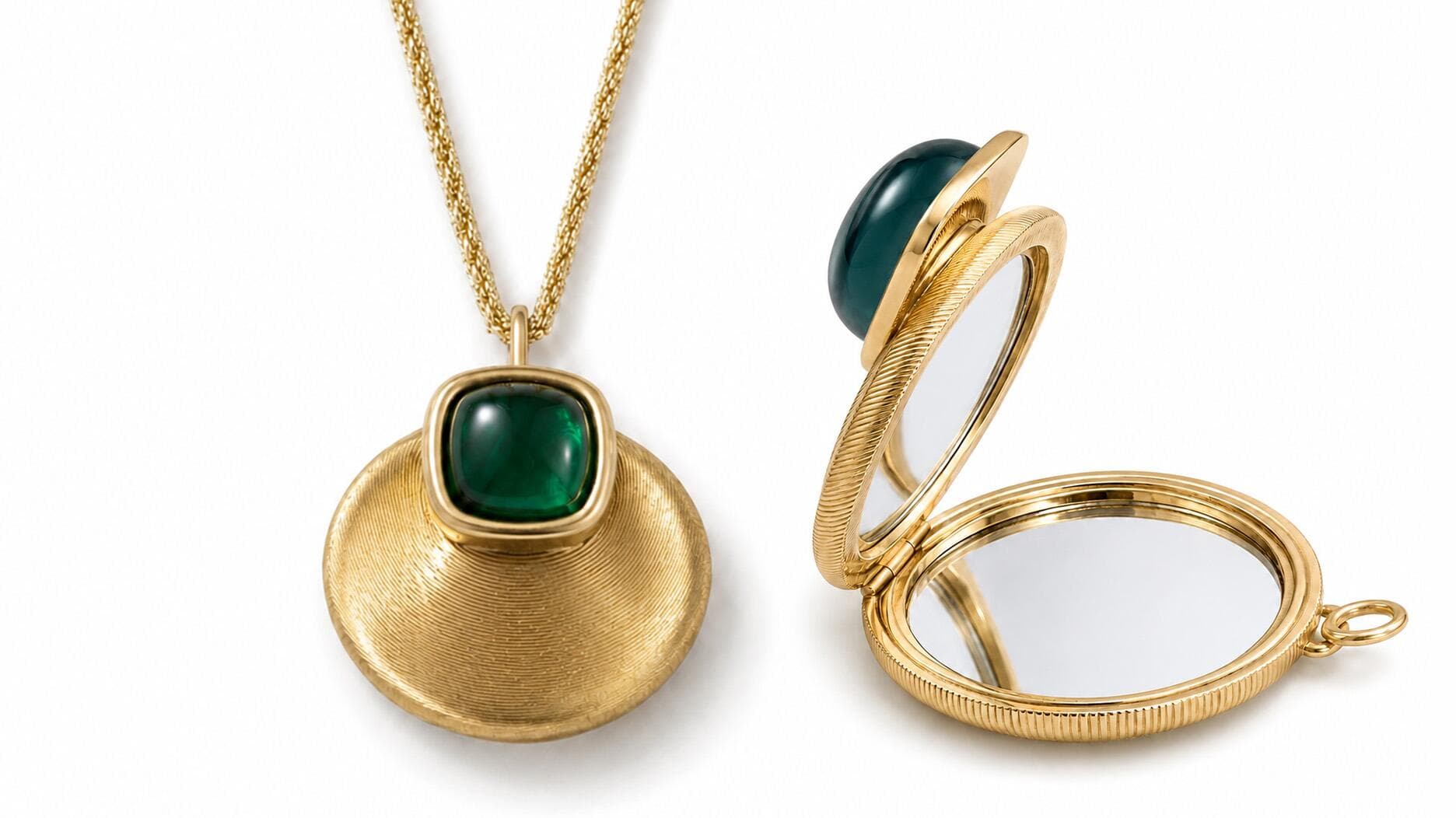
On stones, the picture has shifted meaningfully. While diamonds remain a staple, sapphires, emeralds, and rubies are stealing attention this season, according to Sell Us Your Jewelry. The colored gemstone interest aligns with broader estate jewelry aesthetics: Victorian and Edwardian pieces frequently featured ruby and sapphire clusters, and Art Deco designs favored calibré-cut colored stones set against geometric platinum frameworks.
Melanie Roake, writing for King Jewelers, ties the resurgence to a specific fashion moment. A bold, geometric Art Deco bracelet, she argues, adds vintage glamour to a modern velvet dress. A delicate Victorian locket brings a romantic note to a chunky knit sweater. A vibrant mid-century cocktail ring injects personality into a tailored autumnal suit. The styling logic is practical: estate jewelry's richness of material and color works with the deeper palettes and heavier textures that have dominated recent fashion.
What the research does not yet provide are the numbers to match the narrative. No published source in this market analysis supplies growth rates, average resale premiums, or market size figures for the vintage jewelry category. Cognitive Market Research points to rising disposable income and growing demand for luxury goods as macro drivers, but the quantitative picture remains incomplete. For buyers and sellers making decisions in 2026, the directional signal is clear; the magnitude is still being measured.
This article was produced by Prism’s automated news system from verified source data, official records, and press releases, then run through automated quality and moderation checks before publishing. The system is built and supervised by the people who set the standards it runs under. Read our full AI policy.
Did this article answer your question?