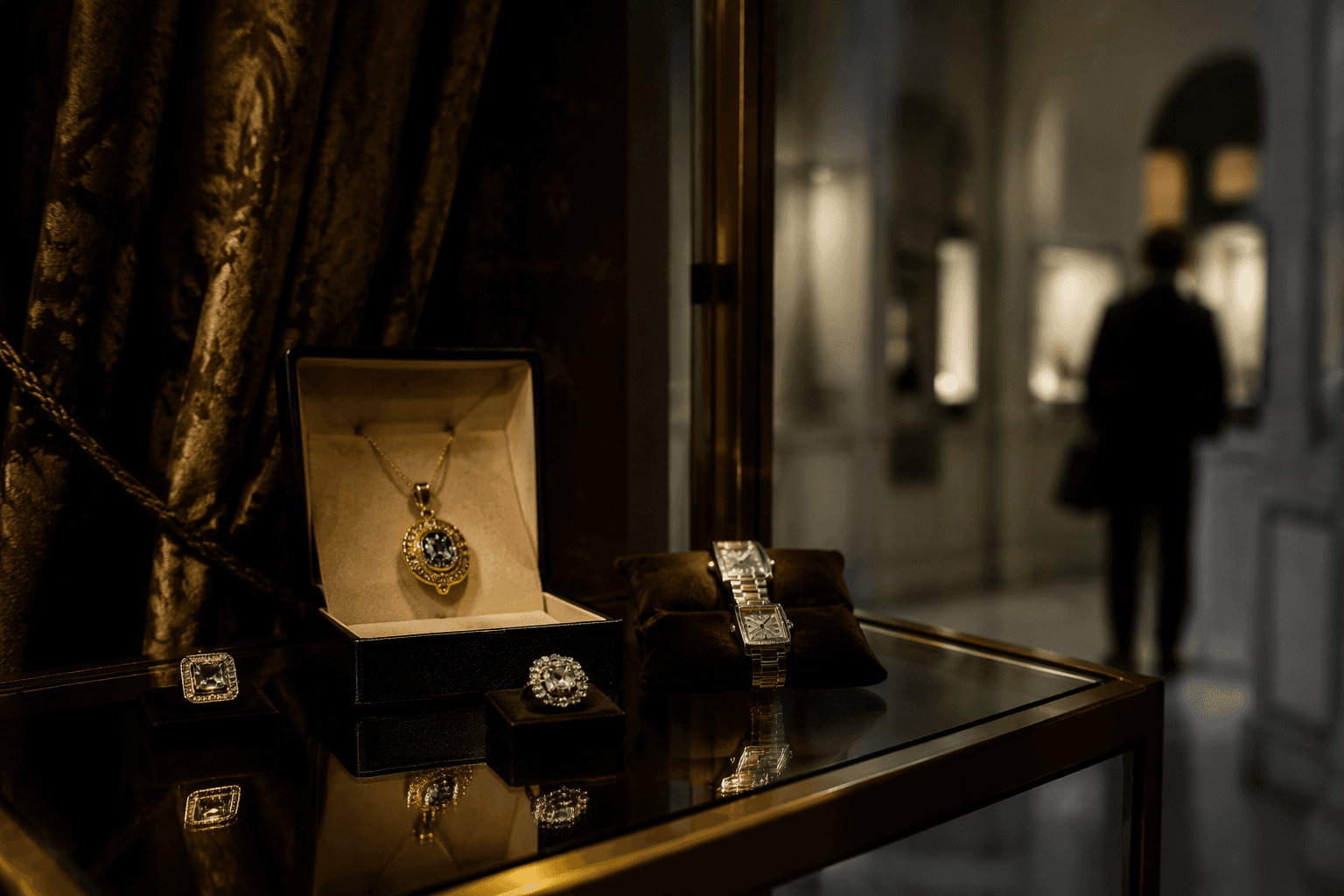
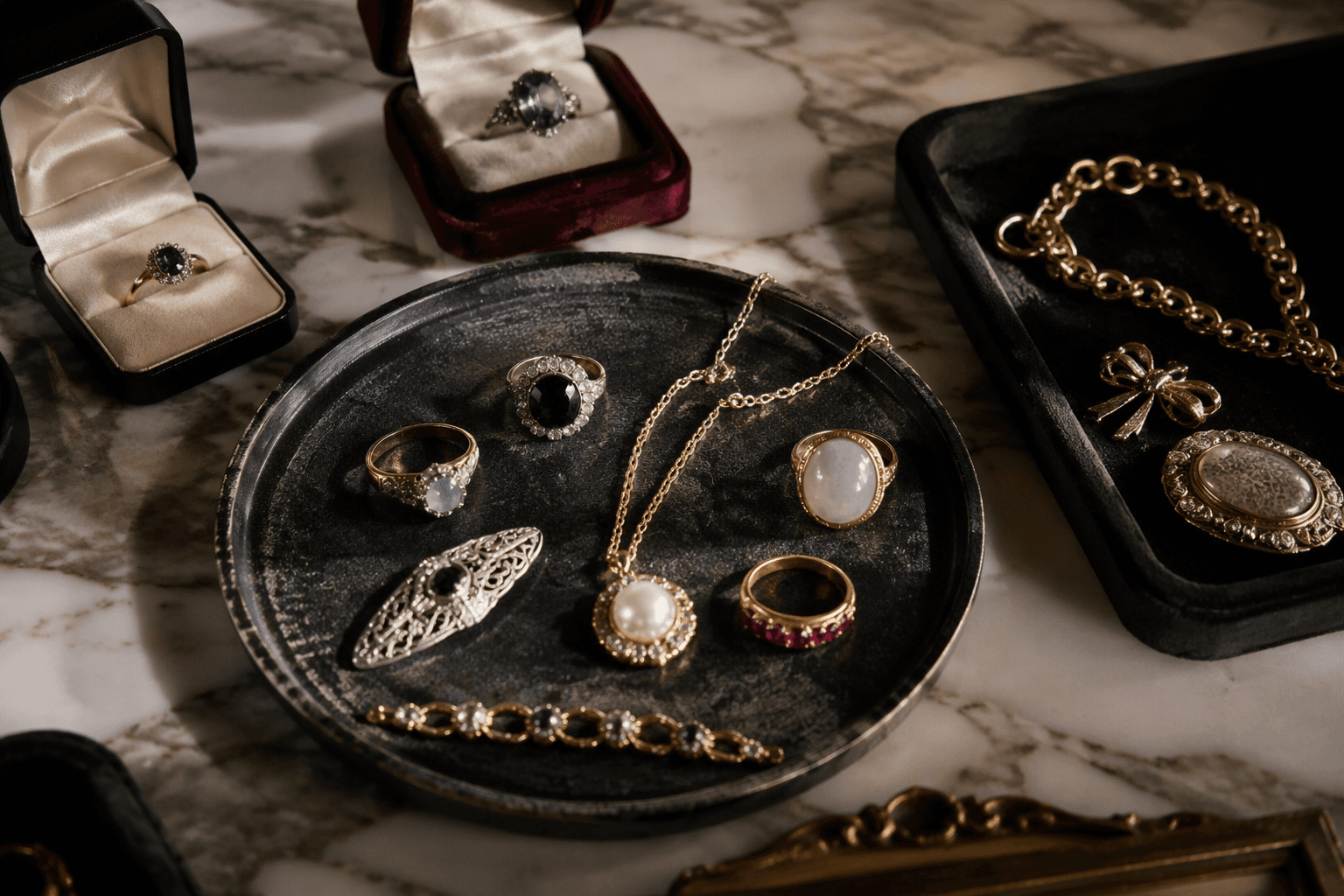
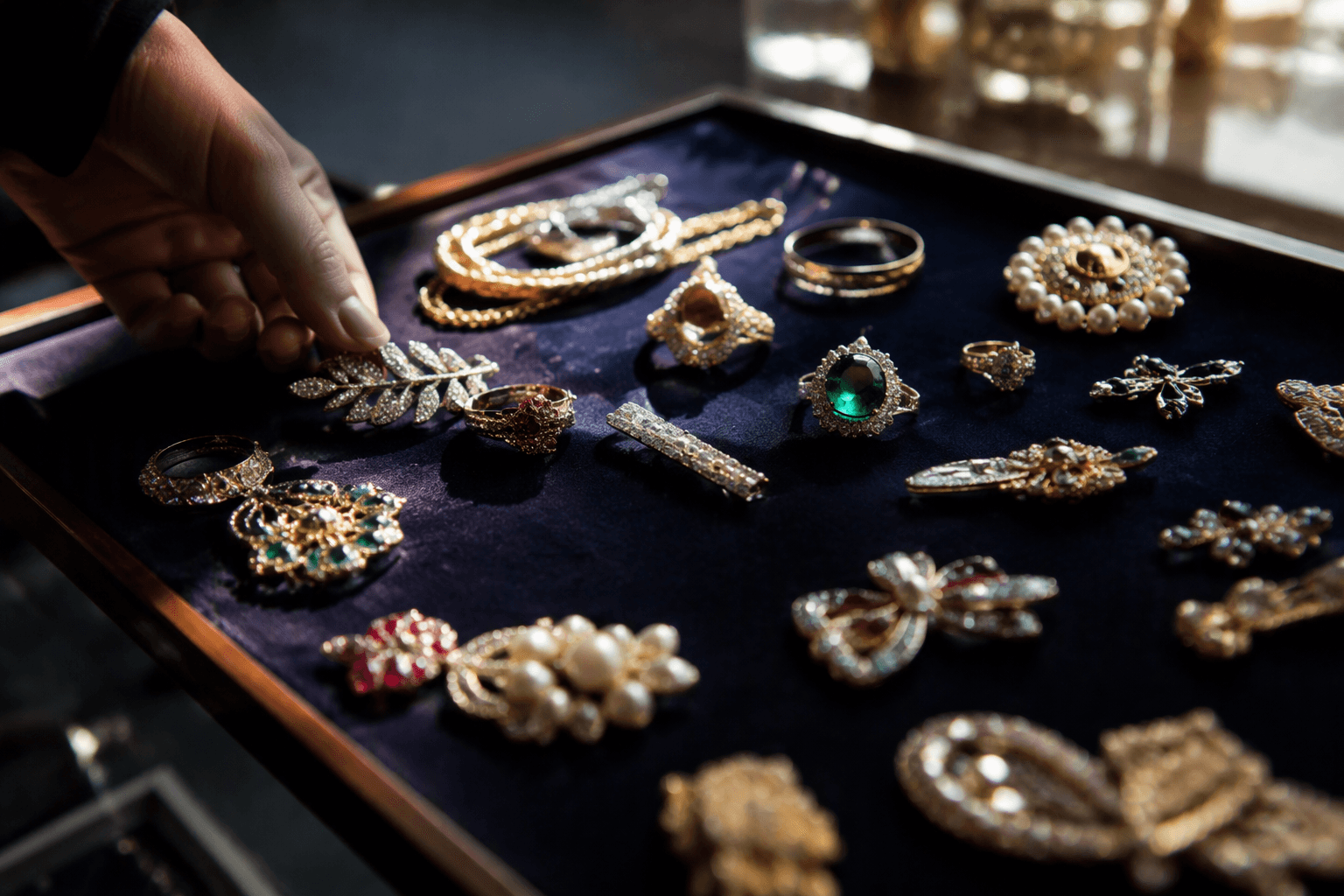
Vienna exhibition links Van Cleef & Arpels jewels to design history
Vienna’s MAK pairs Van Cleef & Arpels jewels with medieval textiles and Wiener Werkstätte works, sharpening the eye for original period design language.
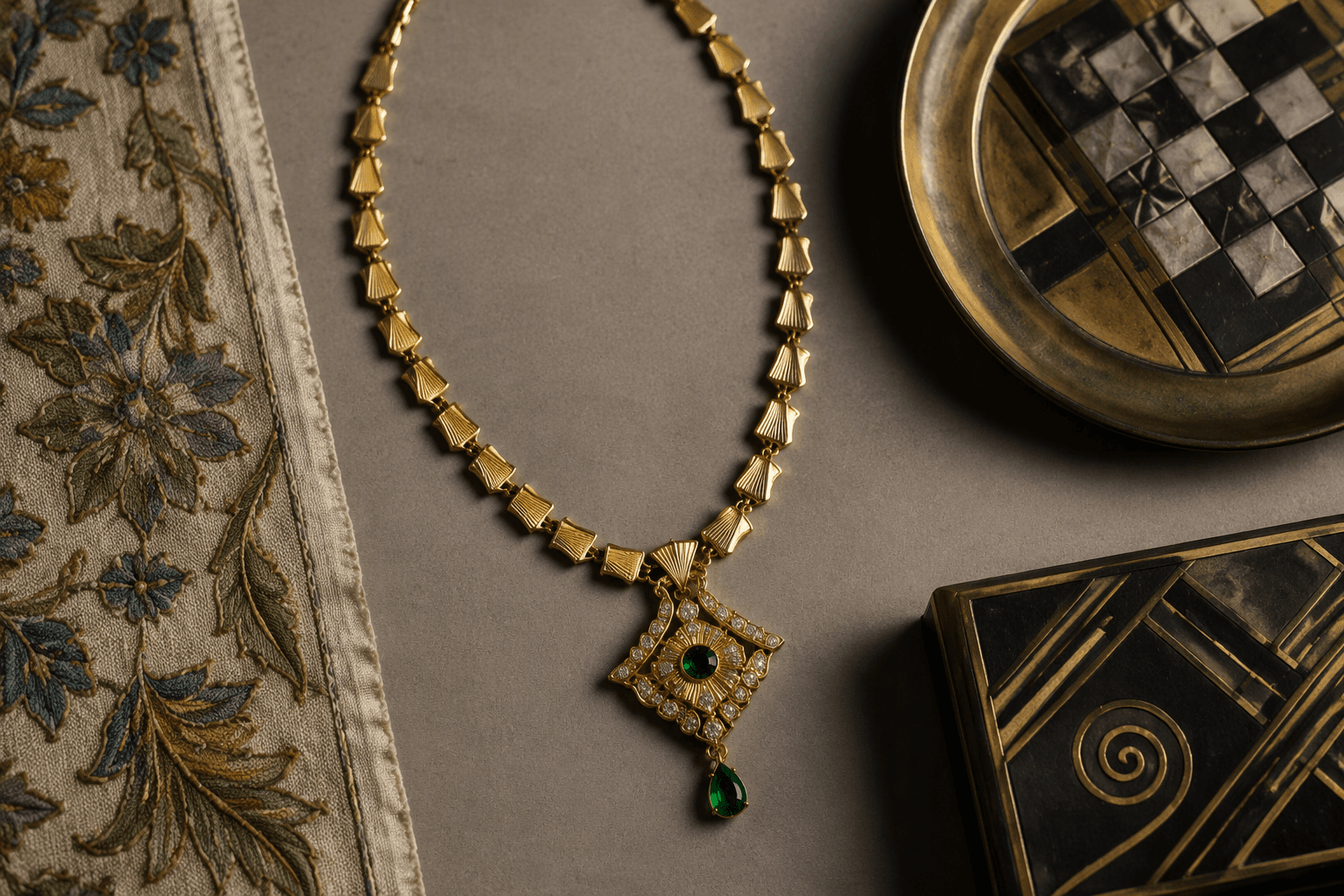
Vienna’s MAK Museum stages GLANZSTÜCKE: Van Cleef & Arpels High Jewelry × Masterpieces from the MAK Collection as a design comparison, reading historic jewels beside museum objects instead of leaving them to glitter on their own.
A show built as a design comparison
The exhibition runs from June 10, 2026 to September 27, 2026 at the MAK Exhibition Hall in Vienna, Austria. The Vienna Tourist Board lists more than 500 objects placed in dialogue through form, colour, materials, and shared sources of inspiration. That framing helps collectors look beyond carat weight and signatures to the structure of design itself.
Van Cleef & Arpels is not presented here as a brand isolated from the rest of decorative art. The MAK pairs its high jewelry with works from its own collection, including medieval textiles and objects from the Wiener Werkstätte, so the eye can travel from a jewel’s clasp, line, and surface treatment to the larger visual culture that shaped it.
What the ZIP pieces reveal
One of the clearest examples is the Van Cleef & Arpels ZIP necklace and bracelet shown alongside a Koloman Moser and Wiener Werkstätte paravent. The pairing reads a piece of high jewelry as an object of engineering as much as adornment, with movement and transformation as part of the ornament itself.
For anyone studying vintage jewelry, period authenticity often lives in construction as much as in style. The ZIP necklace is the sort of jewel that teaches you to pay attention to articulation, to how a clasp resolves, and to whether a design feels mechanically inevitable or merely decorative. Set beside Koloman Moser’s paravent, the jewel’s geometry and the screen’s disciplined structure pull focus to the same visual grammar of precision, rhythm, and a clear relationship between form and function.
Placing gemstones alongside more everyday designs brings out the artistry in both. The moment a jewel is shown against a textile, a screen, or another object of domestic design, its choices become legible: the scale of a motif, the restraint of a line, the way a surface is polished or left textured, and how closely the piece sits to the broader vocabulary of its era.
How to read a jewel like a curator
This Vienna exhibition offers a method for looking. A collector who studies these pairings starts to separate authentic period design language from later revival work, because the original pieces rarely feel like isolated luxuries. They echo what was happening in furniture, decorative arts, and textile design at the same time.
Look for these cues in the show, and later in the vintage market:
- Repeated visual logic across objects, such as the same lines, geometry, or rhythm appearing in both a jewel and a paravent or textile.
- Construction that supports the design, like transformable mechanisms or carefully resolved closures, rather than adding ornament after the fact.
- Material relationships that feel intentional, especially when colour and surface treatment are used to echo broader decorative arts rather than to overwhelm them.
- A sense of proportion that belongs to its period, which is often easier to recognize when a jewel is shown beside museum-held design objects rather than in a dealer tray.
Exhibition labels and curatorial pairings become unexpectedly practical. They help you see the difference between a jewel that belongs to a design movement and one that merely imitates its visual shorthand. If you inherit a brooch or encounter a vintage Van Cleef & Arpels piece in the market, the museum context offers a template for asking better questions about date, construction, and stylistic consistency.
The museum context around Van Cleef & Arpels
GLANZSTÜCKE fits into a wider pattern of museum partnerships that Van Cleef & Arpels has used to place high jewelry in art-historical context. That pattern includes Cosmic Splendor: Jewelry from the Collections of Van Cleef & Arpels in New York, and Timeless Art Deco, which opened at the Tokyo Metropolitan Teien Art Museum on September 27, 2025 and runs through January 18, 2026.
The brand uses museums as interpretive partners, not just backdrops. At the American Museum of Natural History in New York City, Cosmic Splendor framed jewelry in a way that connected stones to the larger world of natural history, while the Tokyo show extends the conversation into Art Deco design language. Vienna adds another register: a dialogue between high jewelry and the MAK’s historical holdings, with Vienna’s own design legacy, especially the Wiener Werkstätte, standing close at hand.
Why Vienna matters for collectors
The MAK has also scheduled an opening event for June 9, 2026, and guided tours listed in July and August 2026.
This article was produced by Prism’s automated news system from verified source data, official records, and press releases, then run through automated quality and moderation checks before publishing. The system is built and supervised by the people who set the standards it runs under. Read our full AI policy.
Did this article answer your question?