Vintage-inspired silhouettes shape luxury jewellery trends for 2026
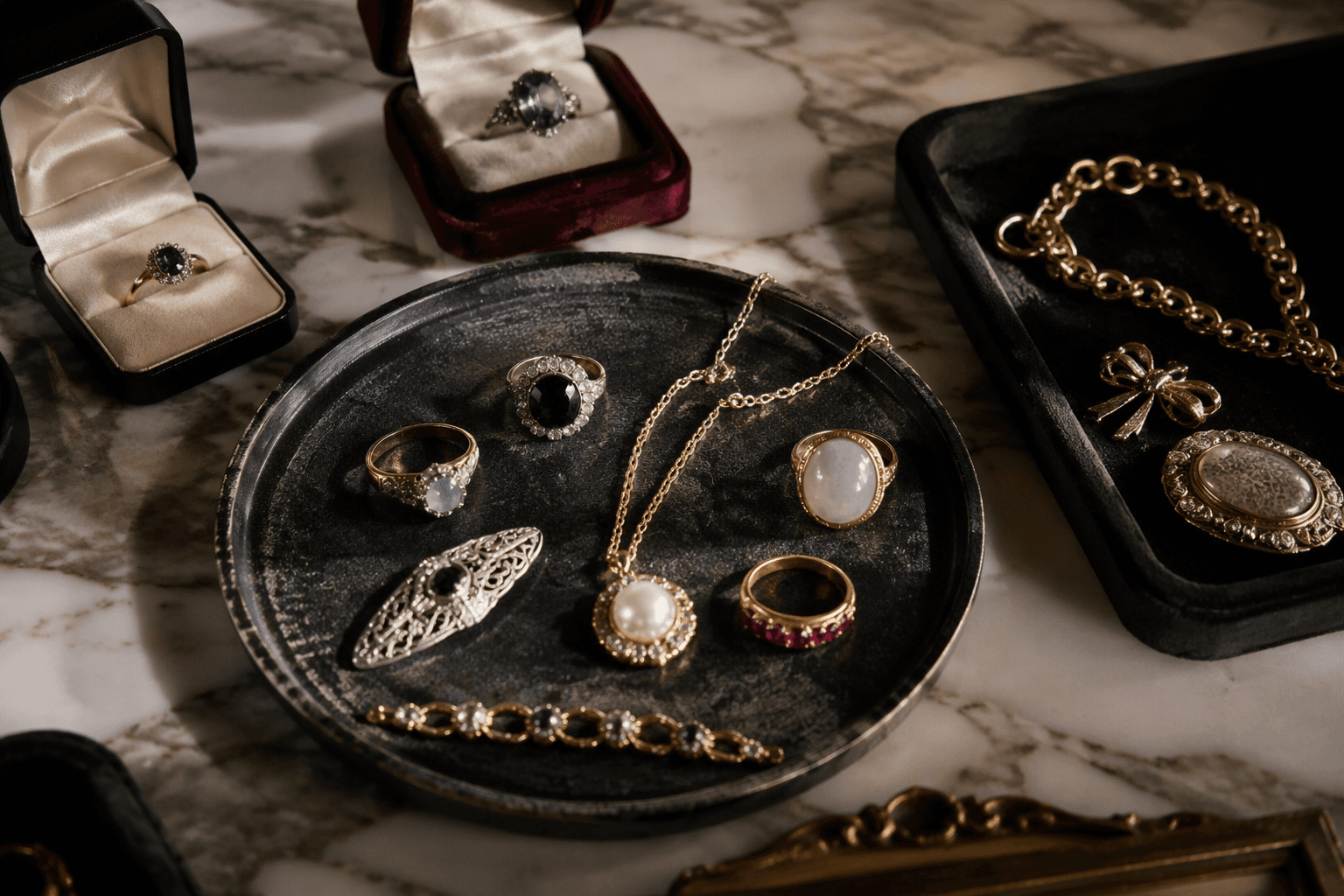
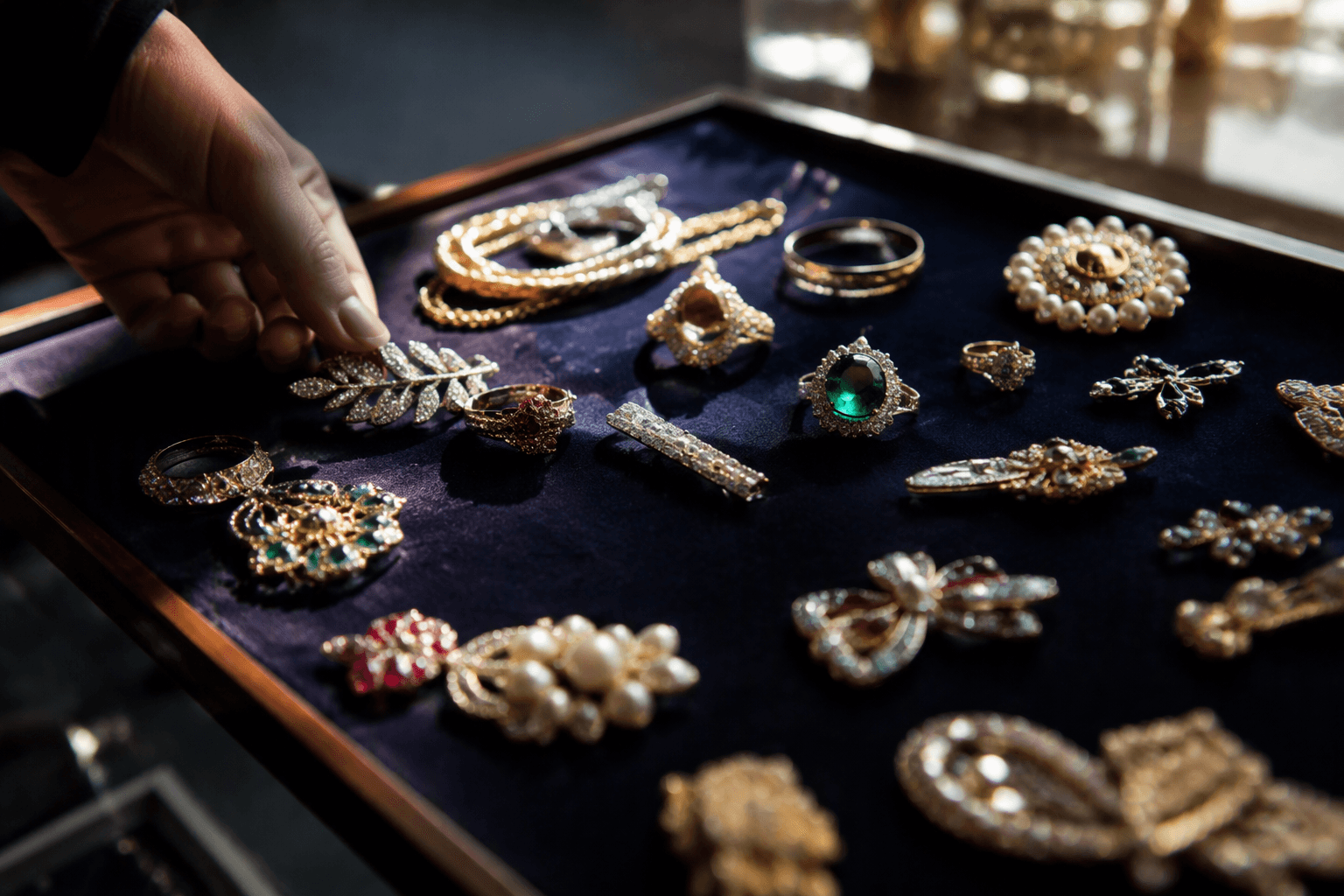
Luxury jewellery is looking back to pendant necklaces, cocktail watches and archival diamonds. The smartest versions for 2026 are the ones that still show their vintage workmanship.
On April 26, 2026, Elle Fanning wore Cartier's 1903 Wisteria necklace to the Oscars. In 2026, pieces once worn, inherited and repaired are setting the tone for contemporary high jewellery.
Pendant necklaces, the most legible return
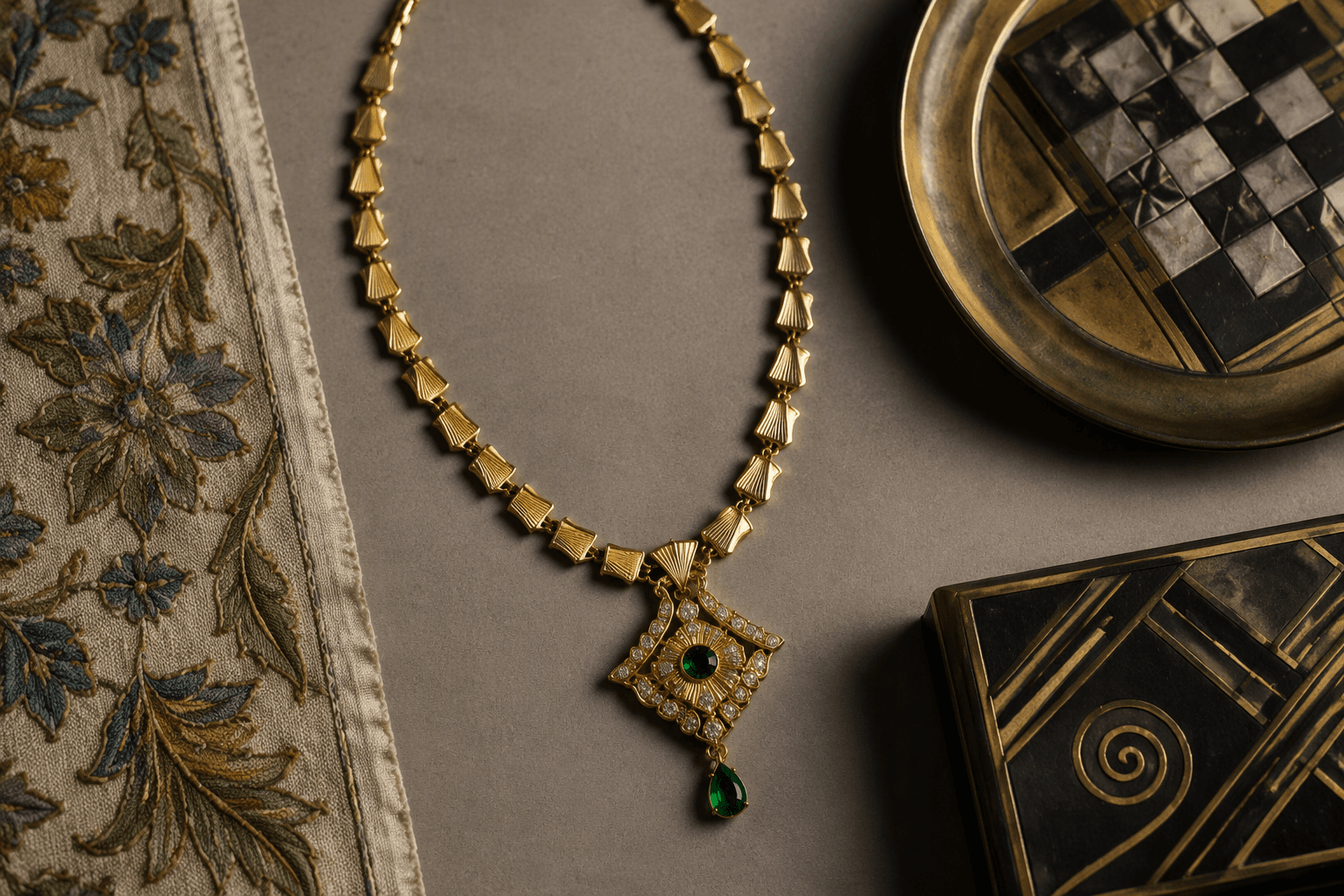
Pendant necklaces are the easiest silhouette to read as a revival because they have lived through several elegant lives. Victorian jewelers treated them as sentimental objects, Edwardian makers lightened them into airy platinum drops, and Art Deco houses turned them geometric and spare.
Who What Wear covered long pendant necklaces in 2025 before the broader 2026 jewellery wave hardened around them. Ava Gilchrist highlighted a silhouette that still feels fresh because it sits so neatly between heirloom and everyday wear.
The vintage versions are usually more interesting under a loupe. Edwardian pendants often rely on platinum with very little visible metal, millegrain edging, and old-cut diamonds that throw a softer light than modern brilliant cuts. Art Deco examples go more graphic, with rectangular settings, calibré-cut stones, onyx accents, and chains that feel slender enough to disappear against the skin.
- Fine hand engraving or pierced openwork, rather than flat cast texture
- Millegrain beading along the setting edges
- Old European, old mine or rose-cut stones instead of overly bright modern melee
- A chain that feels integrated with the drop, not added as an afterthought
- A clasp, bail or connector that matches the age of the pendant
What gives an original away:
A modern pendant inspired by those cues can be lovely, but the antique piece usually offers better proportion and more character for the money, especially when the workmanship is visible at the back as well as the front.
Cocktail watches are jewellery again
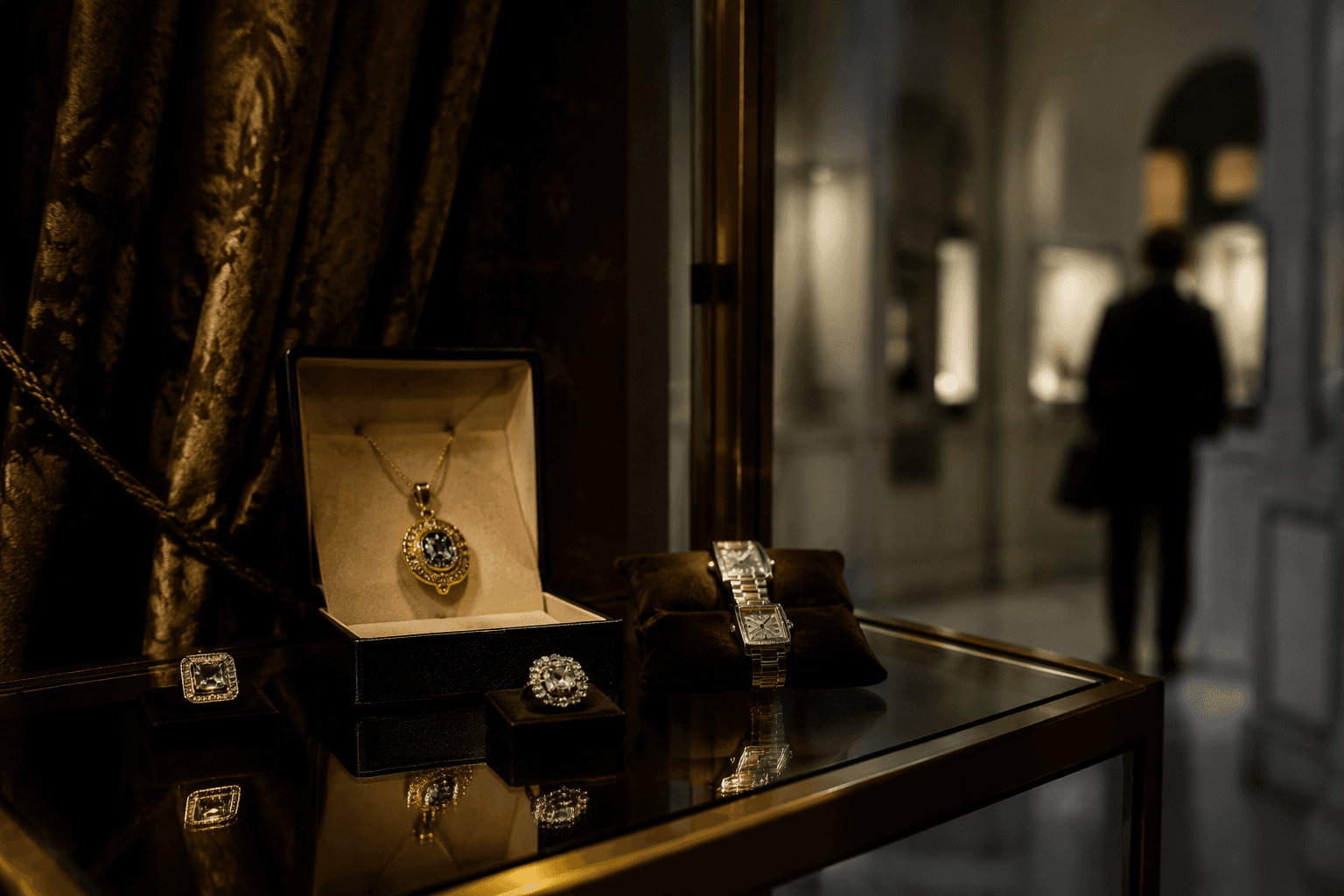
Cocktail watches, another silhouette highlighted by Gilchrist, belong most clearly to the 1920s and 1930s, when Art Deco gave luxury its sharpest geometry. These are not just watches with stones around them; the best ones were designed as bracelet jewels first and timekeepers second, often in platinum, set with diamonds, and built with low, rectangular dials that sat flat on the wrist.
That old form is returning because it solves a modern problem: it lets you wear a watch as a piece of dress jewellery without looking as if you have reached for a generic evening piece. The original cocktail watch is more interesting than a contemporary imitation because the proportions were engineered around the wrist and the dial.
Look for the Art Deco tells. The bracelet should feel integrated, not oversized. The dial is often rectangular or elongated, sometimes framed by diamond rows or geometric shoulders. Manual movements were common in the period, and many originals combine white metal with diamonds in a way that gives them a crisp, almost architectural profile.
The most persuasive vintage examples are not the loudest. They are the ones where the stones are set tightly, the bracelet tapers naturally, and the watch head does not sit like a plug-in ornament.
Mixed metals and sculptural diamonds are older ideas in new clothes
Pendant necklaces, mixed metal chains and sculptural diamonds are all part of the 2026 mix. Bucherer’s 2026 jewellery-trends page includes the same trio, showing this is not just one editorial mood. Mixed metals have long been part of the jewellery language, from Art Deco two-tone construction to later mid-century and modernist combinations that used contrast as a design tool rather than a compromise.
Sculptural diamonds have a similar back story. Their appeal lies in shape as much as carat weight, which is why they echo the bolder postwar and late-modern pieces that treated a diamond as an object in space, not only a symbol of status. In practice, that means curves, asymmetry, and settings that frame the stone rather than bury it.
A mixed-metal piece can also be smarter to buy in vintage form because it was built with versatility before the term became marketing copy. Gold and platinum combinations were not a branding exercise; they were a way to make the jewel wear with more than one wardrobe. That same logic is why old chains and sculptural diamond mounts still outlast many contemporary imitations.
The archive is setting the pace
Who What Wear and British Vogue each published 2026 jewellery-trend roundups.
Grand View Research estimates the global jewelry market was valued at $381.5 billion in 2025 and is projected to reach $397.7 billion in 2026.
How to buy the vintage version first
If a jewel claims vintage inspiration, ask what in it is actually vintage-minded. Hallmarks, maker’s marks, and assay marks matter. So do the back of the setting, the quality of the clasp, and the stone cuts, because those details reveal whether a piece was designed with old-world restraint or merely dressed up to look that way.
For pendant necklaces, check the chain and bail for age consistency, and make sure the drop sits properly when worn. For cocktail watches, ask about movement, service history, and whether the bracelet is original to the case. For sculptural diamonds and mixed-metal chains, judge the joinery and finish before the marketing language.
This article was produced by Prism’s automated news system from verified source data, official records, and press releases, then run through automated quality and moderation checks before publishing. The system is built and supervised by the people who set the standards it runs under. Read our full AI policy.
Did this article answer your question?