Vintage Jewelry Buyers Press for Proof Behind Sustainability Claims
Vintage diamonds are winning new scrutiny for the right reason: buyers want proof, not polish, and old mine cuts come with a traceable history that vague “green” claims rarely match.
The new vintage shopper wants receipts
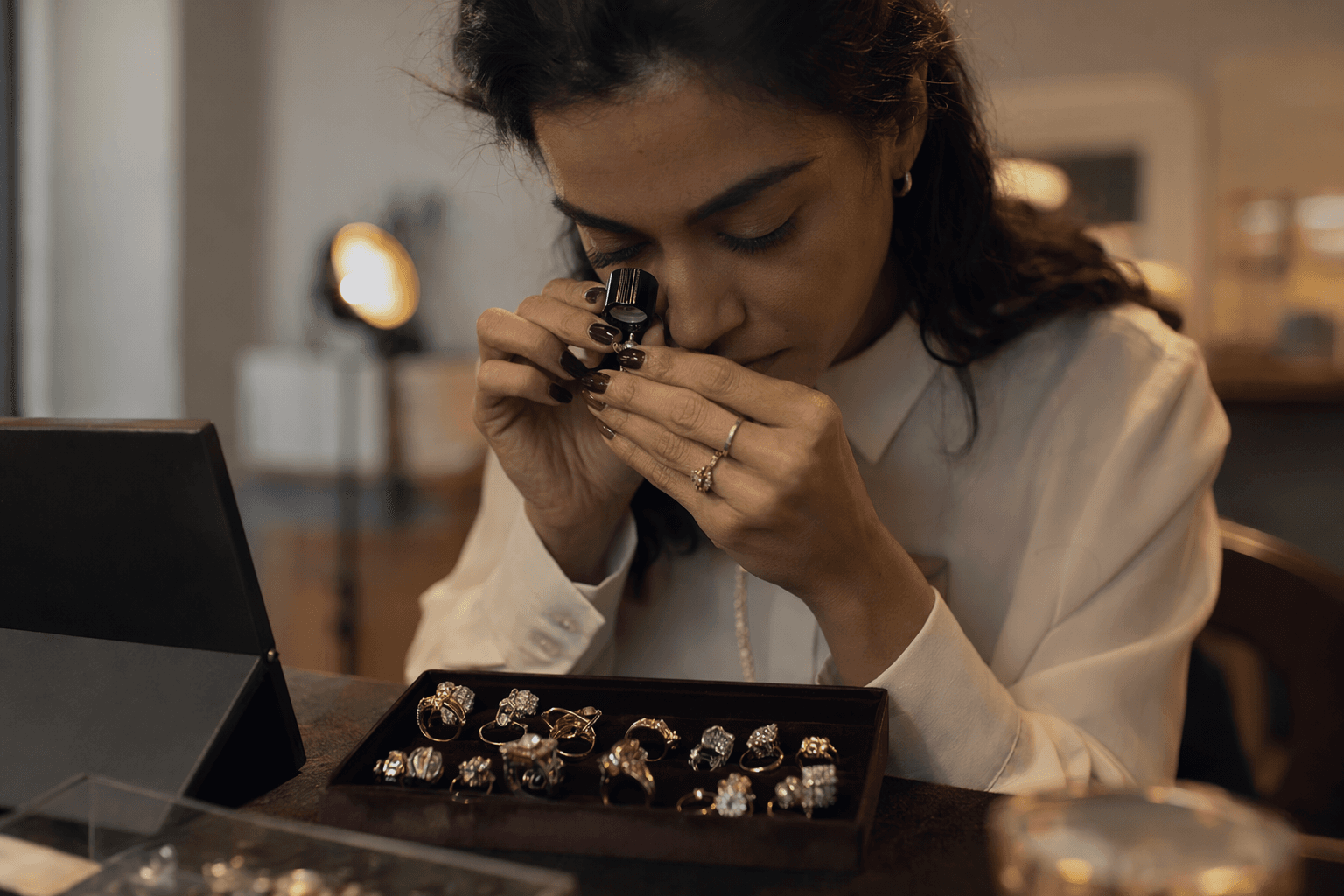
An old mine-cut ring may still look like romance, but buyers are reading it like evidence. Rebecca Selva of Fred Leighton says informed clients now ask unusually specific questions about antique diamonds, where the stones came from, and whether the original maker would have met ethical standards at the time.
That shift matters because vintage jewelry has become one of the clearest entry points into the sustainability conversation. A piece that already exists does not require a fresh excavation, which is why antique and estate jewels are often treated as lower-impact choices than newly mined stones. But the category is also under sharper scrutiny now, and the questions are getting more technical: provenance, authenticity, resets, recycled metals, and documentation all matter as much as sparkle.
Why “sustainable” needs definition
The Federal Trade Commission has made the rules around environmental language plain: marketers should not make broad, unqualified claims such as “green” or “eco-friendly” without substantiation. Its Green Guides apply to environmental claims in labeling, advertising, promotional materials, and other marketing, which means a vague sustainability pitch on a jewelry tag or sales page is not enough.
That pressure has also landed squarely in fine jewelry, where industry groups have urged regulators to clarify or restrict terms like “sustainable,” “recycled gold,” and “carbon neutral.” The reason is simple: buyers have learned that broad claims can hide very different realities. A vintage ring set in recycled gold is not the same thing as a newly made ring with a recycled setting, and neither one is automatically proof of responsible sourcing unless the seller can explain exactly what was reused and what was not.
Why old mine cuts matter in this conversation
Old mine-cut diamonds give this debate a concrete shape. GIA says the style dates back to the 1700s, was the most common diamond cut until the late 19th century, and reflects an era when stones were measured by eye and shaped entirely by hand. Their softer outlines and candlelight sparkle are part of the appeal, but so is the fact that they belong to an older material world, one built before today’s industrial mining systems.
GIA also notes that diamond trade in India may date as early as the fourth century BC, a reminder that the story of diamonds stretches far beyond modern branding language. That long history is exactly why vintage buyers are asking for context, not just a sales pitch. A stone’s age can support a lower-impact case, but only if the seller can speak clearly about where it has been, how it was mounted, and what has been altered since it first left the workshop.
What to ask a dealer before you buy
The smartest vintage purchase starts with a conversation, not a certificate. If a dealer is using sustainability language, ask for specifics in the same breath: What part of the piece is antique? What part, if any, is newly made? Was the ring reset, and if so, was the original stone removed from its first mounting or only remade into a new one?
Ask these questions directly:
- Is the diamond an old mine cut, and can you explain its estimated period?
- Do you know where the stone was first sourced or sold?
- Has the piece been reset, resized, or altered in any way?
- Which parts of the jewel are original, and which are later additions?
- Is the metal recycled, and if so, what documentation supports that claim?
- What paperwork comes with the piece, including appraisals, past invoices, workshop notes, or estate records?
- If the piece is described as sustainable, what exactly is that claim based on?
Those questions are not nitpicking. They are the difference between a romantic descriptor and a verifiable statement. A dealer who can answer in detail is offering a far more credible story than one relying on broad language and little else.
How provenance changes value
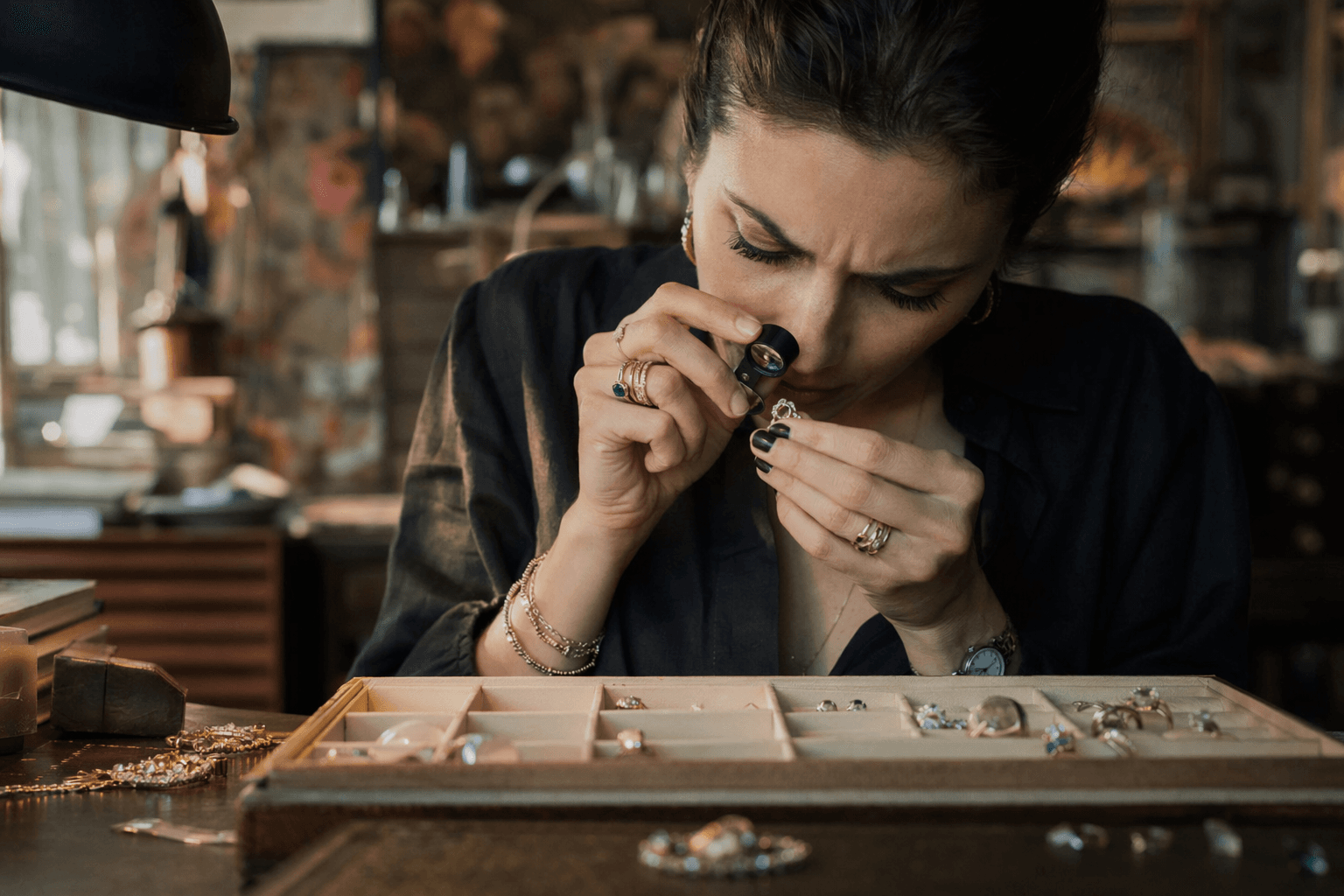
Vintage jewelry has always carried a hidden archive in its details. Hallmarks, shank wear, clasp construction, and old mountings can tell you when a piece was made, how it was worn, and whether its parts belong together. In this market, provenance is not only about glamour or resale value. It is a practical tool for separating an original antique from a modern reconstruction dressed up as one.
That is why many buyers now want documentation that goes beyond a pretty presentation box. Estate paperwork, maker’s marks, prior appraisals, and restoration records can all help establish whether a jewel is genuinely antique, later assembled, or simply styled to look old. In a category where sustainability claims are increasingly questioned, the paper trail has become part of the piece.
The Responsible Jewellery Council and the push for standards
The industry has not ignored this pressure. The Responsible Jewellery Council was founded in 2005 by 14 organizations, including De Beers, Tiffany & Co., and Cartier, and now says it unites more than 2,000 member companies across the global watch and jewellery supply chain. Its growth reflects how broad the accountability conversation has become, stretching from mining and manufacturing to retail display cases.
Still, membership is not the same thing as a full sustainability guarantee for any single jewel. For buyers of vintage and antique pieces, the more useful question is whether the seller can connect the jewel’s materials and history to a clear, documented story. In other words, the strongest claim is the one that can be traced.
The practical buying lens
If you are choosing between a newly mined diamond and a properly documented antique one, the vintage piece usually has the stronger sustainability case because it reuses already mined material. But the real test is not age alone. It is whether the seller can tell you what the stone is, what changed over time, and how the language on the tag maps to the facts in hand.
That is the lesson of this moment in vintage jewelry. Buyers are no longer satisfied with soft adjectives. They want to know whether a diamond is old mine cut, whether the setting has been reset, whether the gold is truly recycled, and whether the documentation matches the story. The pieces that hold up will be the ones that can answer those questions without hesitation.
Checklist before you buy
- Identify the cut and period, especially if the stone is described as old mine cut or antique.
- Ask whether the jewel is original, altered, reset, or assembled from multiple periods.
- Request every document available, from appraisals to workshop records to estate paperwork.
- Pin down any sustainability claim and ask what it specifically refers to.
- Clarify whether the metal is recycled and how that was verified.
- Compare the seller’s story with the physical clues: hallmarks, wear, mounts, shanks, and clasps.
- Buy the piece that can explain itself, because in vintage jewelry, the most persuasive proof is the object itself.
This article was produced by Prism’s automated news system from verified source data, official records, and press releases, then run through automated quality and moderation checks before publishing. The system is built and supervised by the people who set the standards it runs under. Read our full AI policy.
Did this article answer your question?