Why Vintage Costume Jewelry, Pearls and Brooches Still Feel Modern
A brooch, pearl strand, or signed cuff can still sharpen a modern outfit in seconds. The trick is reading the stamp, the clasp, and the story before you wear it.

Why the old box still opens to something useful
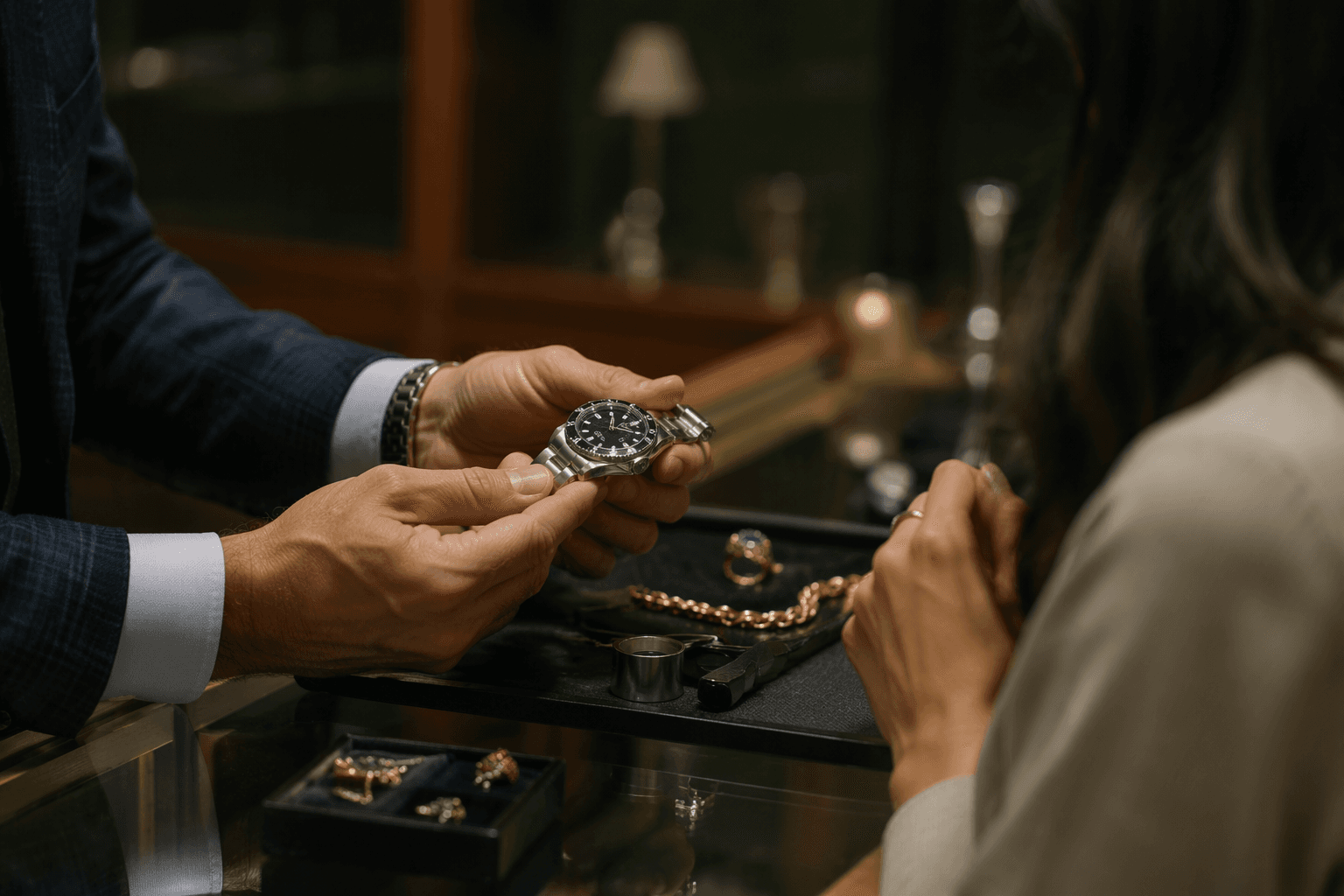
The fastest way to make inherited costume jewelry look current is not to treat it like nostalgia. It is to treat it like evidence. A small stamp on the back of a brooch, the curve of a clasp, the weight of a faux-pearl strand, even the wear on a ring shank can tell you whether you are holding a repurposable staple, a collector piece, or a repair waiting to happen.
That is why these pieces still work. Jewelry has always been more than decoration, serving as a marker of social rank and, at times, a talisman. Costume jewelry takes that same visual power and translates it through less-precious materials such as steel or plastic, which is part of its charm and part of its utility. You are not just wearing “grandma jewelry”; you are wearing design that was built to travel across generations, often with more personality than the trend pieces hanging in stores now.
What makes costume jewelry feel modern again
The modernity is baked into the history. Coco Chanel helped turn faux pearls, layered necklaces, brooches, and cuff bracelets into a fashion language in the 1920s and 1930s, not an imitation of fine jewelry but a deliberate style move. Sotheby’s points to her appetite for faux-pearl sautoirs, stacked brooches, and cuff bracelets, while Christie’s says vintage Chanel costume jewelry remains highly prized by collectors. That matters because signed pieces do more than decorate an outfit; they anchor it.
Pearls tell a similar story. GIA traces pearl fashion from antiquity through the modern era and notes that Japanese akoya cultured pearls were successfully commercialized in the 1930s, which is why pearl identification still matters. A strand can be classic, but the difference between a carefully made vintage strand and a later imitation changes how you should clean, store, and value it.
How to decide what is worth keeping, repairing, or restyling
Keep the pieces with signatures, strong construction, or unusual design. A Marcel Boucher brooch, a Trifari pin, or a Chanel necklace is worth preserving because the name, the workmanship, and the silhouette do part of the style work for you. Repair the pieces that still have structural life, especially brooches with working pins, necklaces with solid clasps, and bracelets with intact hinges. Restyle the sentimental unsigned pieces that still have good bones, because a well-made costume piece can do more for your closet than a brand-new accessory with no story.
A useful rule: if the clasp is secure, the surface is stable, and the design still looks fresh in daylight, it probably deserves a second life. If the piece is missing a signature, has obvious damage, or feels flimsy in the hand, think of it as a styling object first and a collectible second.
Brooches
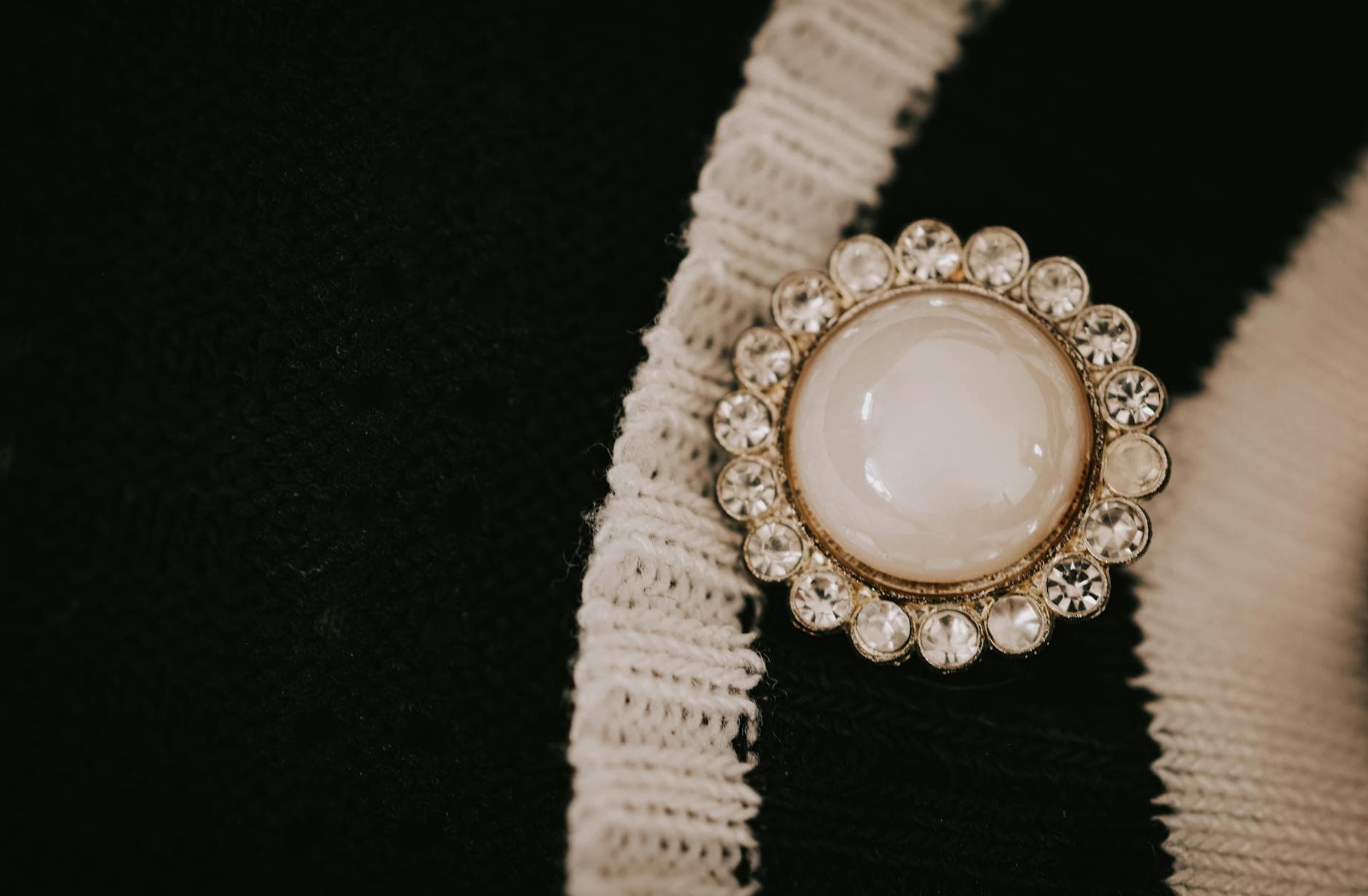
A brooch is the easiest inherited piece to modernize because it changes the line of an outfit instantly. Pin one to the lapel of a black blazer over a white T-shirt and straight-leg jeans, or fasten it on the shoulder of a slip dress with a cropped cardigan for evening. FASHION Magazine is right that brooches add character and old-school opulence, and the 2025 return of brooch styling has made them feel newly sharp rather than fussy.
Keep an eye out for Marcel Boucher and Trifari, especially if the pin has a hand-finished look or a playful motif. The collectible Jelly Belly pins from the 1940s are worth holding onto, and so are animal brooches, novelty shapes, and brooches with intact enamel. If the clasp is loose or the pin stem bends too easily, have it repaired before you wear it on delicate fabric.
Pearls
Pearls work now because they never really stopped working. Wear a short strand with a button-down shirt, a tailored trouser, and loafers for the cleanest read, or layer a longer strand over a knit tank and blazer for something looser and less formal. Pearls can move from daytime to evening without changing their language, which is why they still outclass most fashion jewelry when you want polish without effort.
Authenticity matters here more than sentiment. Look for consistent luster, knotting between beads, and wear where the strand meets the clasp, and treat any claim about origin or culturing with caution unless it is documented. If the strand feels dry, cloudy, or uneven, restrung pearls usually wear better than fragile originals, and a good restringing job is often the difference between a box piece and a regular rotation piece.
Charm bracelets
Charm bracelets are the most personal kind of costume jewelry because they already come with narrative built in. Wear one with a simple cashmere sweater and wide-leg denim, or stack it with a watch and a slim bangle so it reads as intentional rather than sentimental. They work because they add movement, sound, and memory all at once.
For collector utility, this is one of the easiest categories to sort. Keep the bracelet if the original clasp works, the chain links are sound, and the charms are complete rather than heavily replaced. If the bracelet is missing a few charms, do not dismiss it; an incomplete bracelet can still be beautiful if the remaining pieces are coherent and the metal finish has aged evenly.
Cameos
Cameos are one of the smartest inherited pieces to wear because they bring formality without stiffness. Pin a cameo brooch to a sharply tailored jacket, or wear a cameo pendant with a ribbed tank, black trousers, and a trench coat so the shape feels graphic instead of costume-like. The carved profile gives you a focal point without requiring a lot of extra styling.
When you handle one, look at the relief, the back, and the mounting. A shell or carved stone cameo usually carries a different presence than a molded plastic version, and both can be worth keeping if the design is strong. If the frame is loose, the safest move is repair before wear, because a good cameo is often the kind of piece that disappears into a drawer only because of one bad setting.
Right-hand rings and cocktail rings
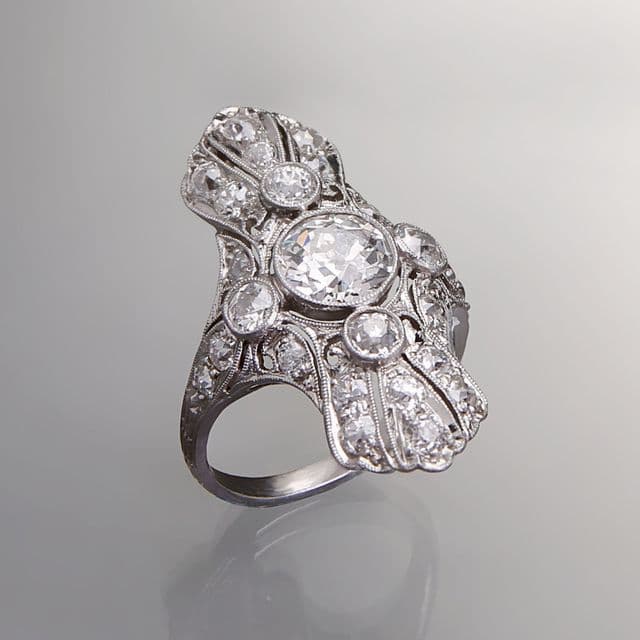
A glass amethyst right-hand ring, the kind of piece that travels through a family, is perfect with a crisp blazer, a tee, and tailored pants. It also works with a silk slip dress if you want one strong gesture instead of multiple accessories. The key is not whether it is “real” in the fine-jewelry sense, but whether the setting and the stone still carry visual authority.
Inspect the shank first. If it is thin, bent, or visibly worn at the base, that ring is telling you it needs help before it tells your outfit anything else. Rings with strong colored stones, heavy bezels, or sculptural settings are especially worth repairing because they anchor a hand in a way trend jewelry rarely does.
Earrings
Vintage earrings are the easiest way to make a plain look feel edited. Wear clip-ons with a blazer and turtleneck, or choose small studs with a column dress and swept-back hair so the jewelry reads cleanly. Their job is less about sparkle than proportion, especially when the rest of the outfit is simple.
Check the backs, the springs, and any screw mechanisms before wearing them for a full day. If a pair is signed or matches a necklace or brooch, keep the set together even if you do not wear it that way now. Matching sets are valuable because they give you built-in styling, which is exactly what makes inherited jewelry so practical.
Cuff bracelets and layered necklaces
Cuff bracelets and layered necklaces are the most Chanel-coded pieces in the box, and that is part of why they still feel modern. A cuff looks best with a sleeveless knit, a rolled shirtdress sleeve, or a jacket with the cuffs pushed back; layered faux pearls or mixed chains work over a crewneck tee, a turtleneck, or a simple black dress. These pieces create structure fast, which is why Chanel’s appetite for them still reads as fashion rather than period dressing.
For cuffs, check hinges, tension, and closure before you trust the piece on your wrist. For necklaces, inspect the clasp, the links, and any areas where plating has worn through. If the piece is signed Chanel, vintage Chanel costume jewelry remains especially collector-worthy, so repair it instead of replacing it.
The reason these pieces outperform so much trend jewelry is simple: they have design, history, and enough material honesty to survive repetition. A well-made brooch, pearl strand, or signed cuff does not just complete an outfit. It gives you one with a point of view.
This article was produced by Prism’s automated news system from verified source data, official records, and press releases, then run through automated quality and moderation checks before publishing. The system is built and supervised by the people who set the standards it runs under. Read our full AI policy.
Did this article answer your question?