Vintage Jewelry Gains Momentum for 2026 as Resale Demand Surges
Vintage jewelry is now a decoding exercise, with hallmarks, hand-cut stones, and signed brooches separating treasure from trend.
A market built on clues
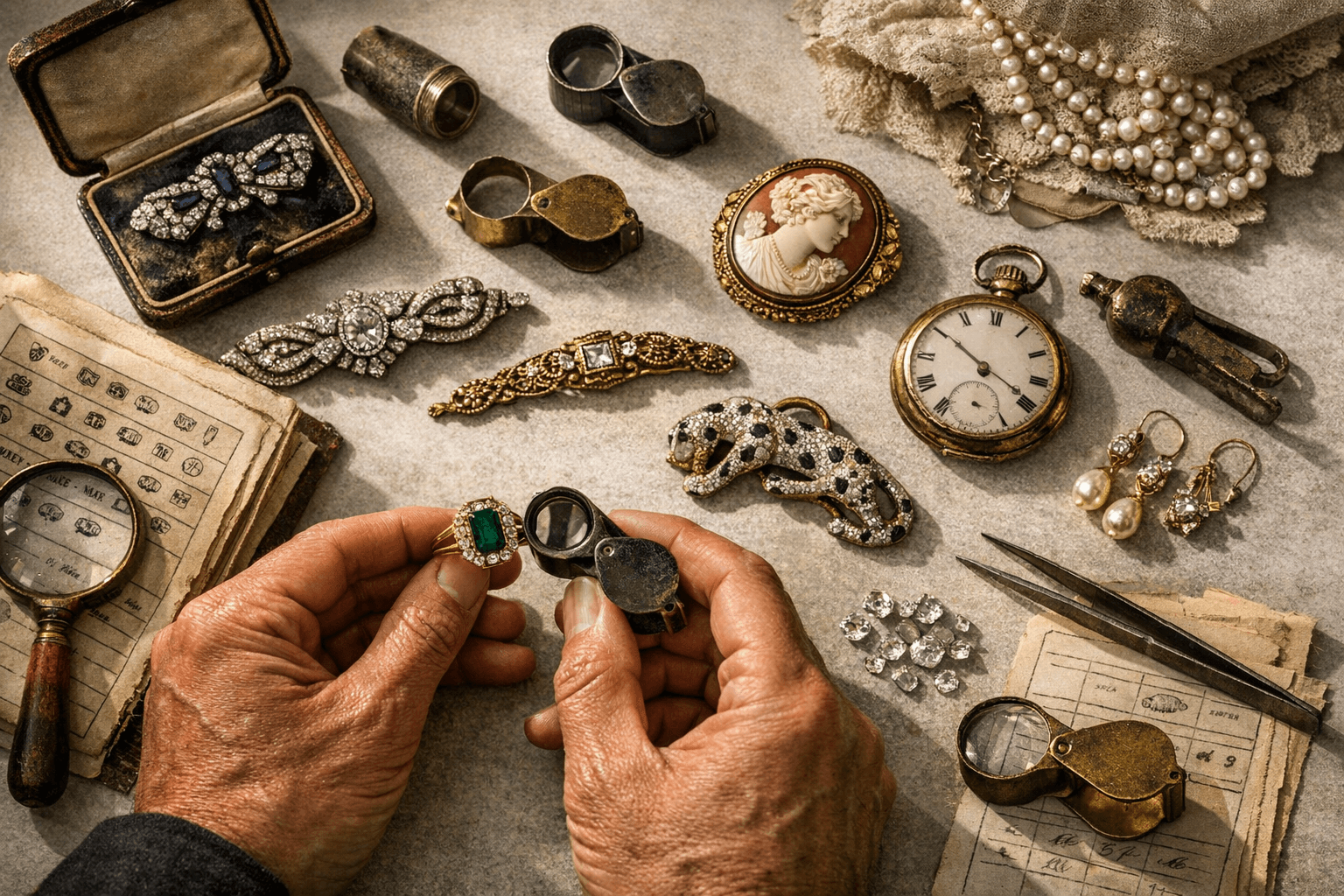
A velvet tray of estate jewelry can feel like a small archive: a brooch with a maker’s mark, a ring with a hand-cut stone, a chain that has already lived one life before yours. That is exactly why vintage jewelry is gaining force right now. The resale market is teaching shoppers to look closer, and the numbers are not subtle: The RealReal said nearly 30% more members searched for vintage in 2025 than the year before, while 47% of consumers now consider resale value before buying new.

That shift is larger than taste alone. The RealReal also said nearly one-third of clothing purchased in the United States last year was secondhand, and 58% of consumers now prefer the secondary market. Jewelry is riding the same behavior change. Rati Levesque, The RealReal’s CEO and president, said resale has moved from disruptor to "cornerstone" in the consumer journey, and that is the right word for a market where provenance, condition, and craftsmanship now carry as much emotional weight as sparkle.
What estate, antique, and vintage actually mean
These three words are not interchangeable, and the distinction matters when you are weighing price, age, and authenticity. Estate usually means pre-owned jewelry that came from a previous owner’s collection. It may be old, modern, or anything in between. Vintage generally refers to jewelry from a clearly identifiable earlier period, often prized because its design language is instantly readable: Art Deco geometry, midcentury restraint, or the bolder shapes of the 1970s.
Antique is the oldest category, and in practice it signals a piece that is at least a century old. That age often shows in the object itself, in hand-fabricated settings, softer metal edges, and stones cut before modern precision became the norm. The label matters because the older the piece, the more its value depends on originality, rarity, and surviving condition. A true antique ring with its original setting and period-correct stone will usually tell a richer story than a later reworked piece sold under a vague "estate" description.
Why the market is rewarding the older look
Vintage jewelry is moving because the broader luxury shopper has become more value-conscious without becoming less style-driven. Rebag’s 2025 Clair Report said rising global tariffs pushed more shoppers toward resale, reinforcing confidence in iconic, investment-worthy luxury. That economic pressure meets a style moment in which buyers want pieces that feel rarer, more personal, and less mass-produced than the newest display-case arrivals.
JCK’s read on the market matches what shoppers are already seeing in the case and on the runway: brooches, pearl necklaces, old mine cuts, and 1970s-style gold are all carrying momentum. This is not a narrow collector’s niche anymore. It is a shopping habit shaped by the desire to wear something with history, while also having a reasonable expectation that the piece can retain value if chosen well.
How to read the object in front of you
The best vintage buys usually announce themselves through construction. Look for hallmarks, purity stamps, and maker’s signatures where they are most likely to hide: on clasps, inside rings, on the underside of brooches, or near a pendant bail. Signed pieces matter because they can connect a jewel to a known house or workshop, which often strengthens both desirability and resale confidence.
Stones deserve the same attention. The Gemological Institute of America says old mine cut diamonds are a vintage style associated with hand shaping and candlelight-era sparkle. In the flesh, that means a softer, less uniform outline than a modern brilliant and a glow that looks especially alive in low light. If a seller calls a diamond old mine cut but the shape is overly precise and the faceting too machine-perfect, pause and look again.
For pearls, examine whether the strand feels newly strung, whether the pearls match closely in luster and size, and whether the clasp looks original to the piece. For gold from the 1970s, check for bold links, weight, and a finish that feels intentional rather than merely bulky. The best examples have presence without sloppiness.
The pieces to learn first
Brooches are the easiest category to overlook and one of the most useful to master. Spring 2026 runway coverage has made them feel newly relevant, but the smartest vintage brooches are more than a trend revival. They often show the clearest evidence of craft, from engraved metalwork to pavé settings and enamel accents, and they can transform a plain jacket or knit into something sharply specific.
Old mine cuts are another category worth training your eye on. They are romantic, irregular in the best way, and distinctly different from the crisp symmetry of modern stones. Because they were shaped by hand, they can look slightly warmer and more intimate, which is part of their appeal. If you want a diamond that reads as collected rather than newly manufactured, this is one of the first cuts to learn.
Pearl necklaces and 1970s-style gold complete the picture. Pearls have shed their formal-only reputation and now read as versatile, from buttoned-up tailoring to worn-in denim. Gold from the 1970s, especially chunky chains and sculptural forms, satisfies the current appetite for substance over delicacy. Together, they show why the market is not just chasing age, but a specific kind of visible personality.
A practical buying eye for estate capsules and thrifted luxury
When you are browsing an estate capsule or a thrifted luxury case, the strongest pieces usually offer more than one clue at once. A signed brooch with intact pin hardware, a ring with a clearly readable hallmark, or a necklace whose clasp and links match the stated era deserves a longer look. Vague descriptions do not. If the listing says "vintage-inspired" rather than vintage, or "estate" without any age, metal, or maker detail, treat it as a style description, not a provenance claim.
- Identify the era by design first, then confirm with marks and construction.
- Look for maker’s signatures, purity stamps, and any serial or workshop marks.
- Check whether stones, clasps, and settings appear original to the piece.
- Compare condition against age, because honest wear can be acceptable, while heavy alteration can flatten value.
- Trust specificity. The more exact the description, the more likely the piece has been properly examined.
A useful mental checklist looks like this:
The current momentum around vintage jewelry is not just nostalgia dressed up as commerce. It is a market response to shoppers who want proof, personality, and a better story than a brand-new box can always provide. In a resale culture where nearly 58% of consumers prefer the secondary market, the most rewarding jewelry buys are the ones that can still explain themselves under a loupe.
This article was produced by Prism’s automated news system from verified source data, official records, and press releases, then run through automated quality and moderation checks before publishing. The system is built and supervised by the people who set the standards it runs under. Read our full AI policy.
Did this article answer your question?