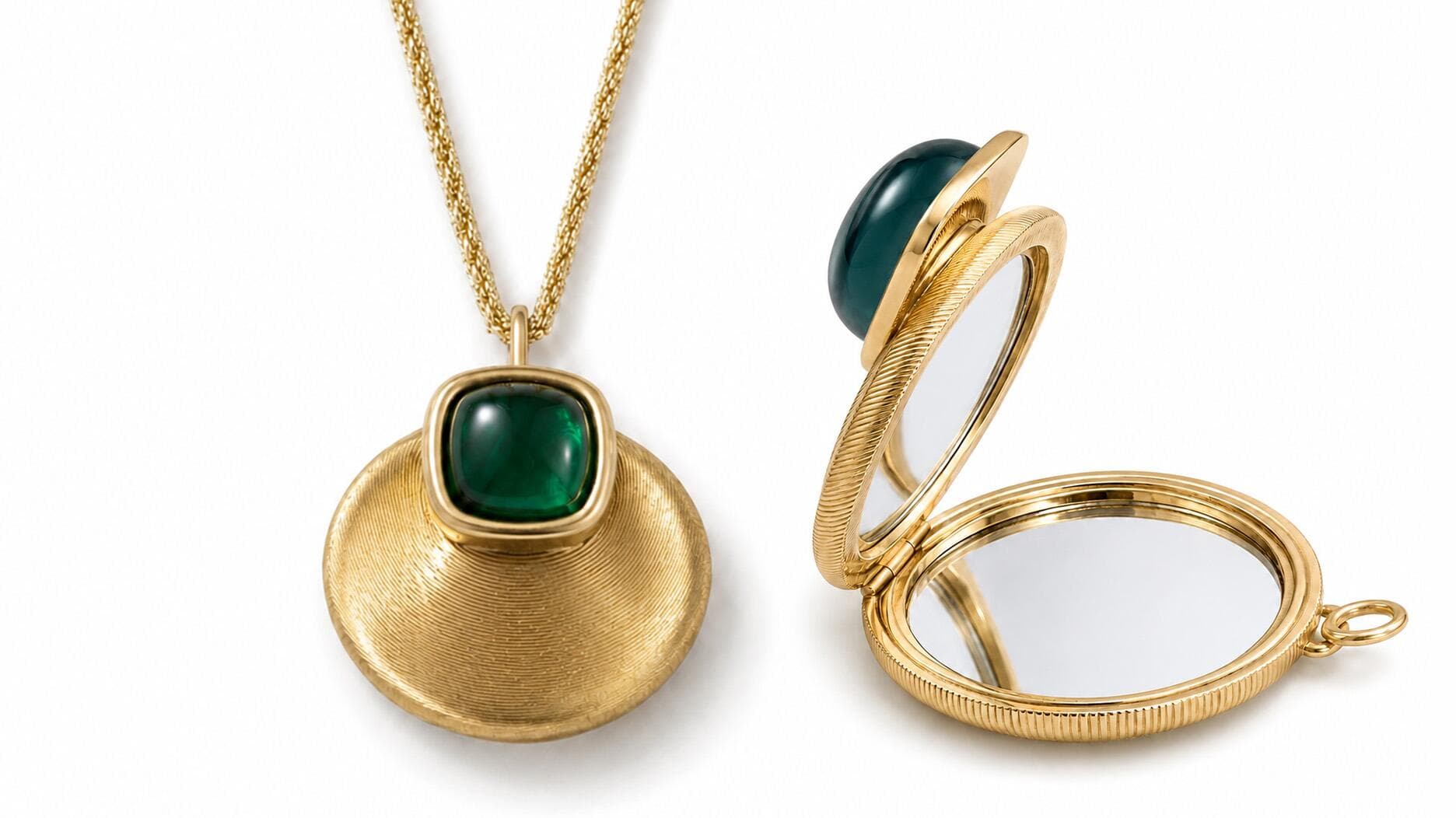
Vintage Jewelry Surges as Collected, Statement Styles Take Center Stage
Hidden stamps, old clasps, and one-of-a-kind silhouettes are drawing buyers back to estate cases, where Art Deco lines and vintage tassels feel newly current.
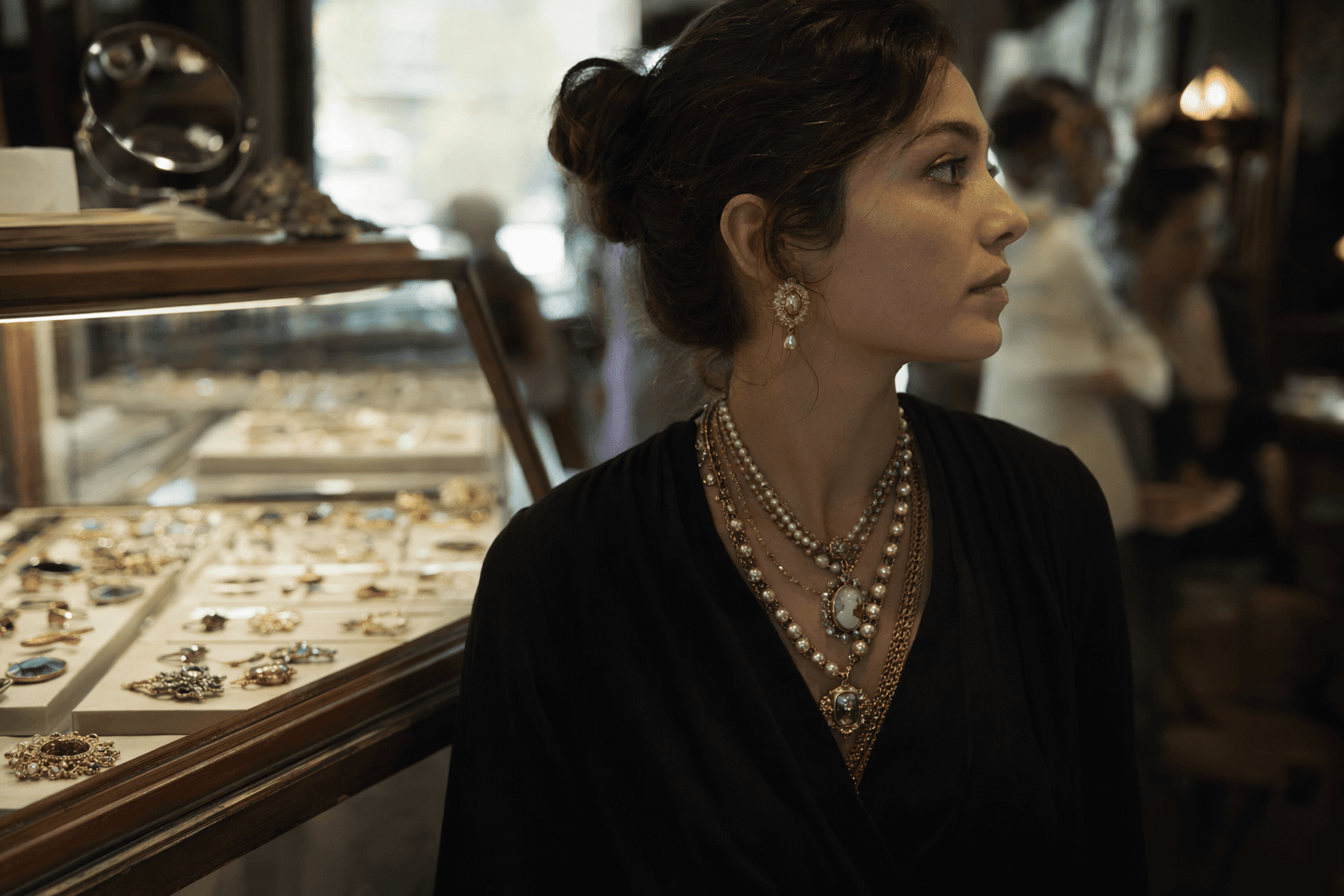
The pieces worth hunting now
The strongest pull in vintage right now is not a single jewel, but the feeling that a piece has already lived a life. Estate jewelry, Art Deco-inspired tassels, and even the pillbox hat comeback all point to the same shift: shoppers want objects with a past, visible construction, and enough personality to look collected rather than assembled from a trend shelf.
Of the three looks surfacing across style coverage, estate jewelry is the clearest secondhand buy, followed closely by authentic Art Deco pieces and true period tassels. Pillbox hats are more of an adjacent accessory story, but they matter because they reinforce the broader appetite for archival silhouettes, especially when the details feel patinated, tailored, and slightly rare.
Why the market is rewarding the hunt
The resale case is not just romantic, it is getting bigger. ThredUp’s latest resale report projects the global secondhand market will reach $393 billion by 2030, growing about twice as fast as overall apparel retail, with 71% of market growth expected to come from Gen Z and Millennials. That matters for jewelry because younger buyers are increasingly comfortable shopping by look, story, and condition, not just by logo or retail release.
Fashionista’s jewelry coverage says the mood in 2026 is sculptural, statement-making, and personal, with consumers reaching for pieces that feel collected, unexpected, and a little off-script. Higher gold prices are also nudging interest toward alternate materials such as wood, ceramic, glass beads, corded tassels, and resins, which is exactly why older mixed-material pieces and costume jewelry from earlier decades are getting a fresh read.
What vintage should look and feel like
Sotheby’s points to craftsmanship, heritage, scarcity, exclusivity, and distinctiveness as the reasons vintage jewelry is resonating now, and that framing holds up under a loupe. Many older jewels are effectively one of one, or close to it, because the early years of major luxury maisons were not built around the scale and uniformity we see today.
That individuality shows up in the small things: hand-finished prongs, irregular but intentional stone calibration, clasp mechanisms that feel sturdier than modern shortcuts, and metal surfaces that have softened with age rather than been blasted bright by a recent polish. In estate jewelry, those traces are part of the value, not damage to be erased.
How to tell period pieces from reproductions
Start with the metalwork. Inside a ring shank, bracelet clasp, or brooch hinge, look for hallmarks, purity stamps, maker signatures, and country-of-origin marks; the absence of a stamp does not automatically mean a fake, but a vague or inconsistent mark deserves skepticism. On older pieces, wear should make sense: a lightly rounded band, softer edges on a clasp, and an honest patina in protected recesses can indicate age better than a piece that looks uniformly distressed.
For Art Deco jewelry, the most useful clue is construction. The Metropolitan Museum of Art dates the style to the 1925 Exposition Internationale des Arts Décoratifs et Industriels Modernes in Paris, and the best period examples tend to show that era’s geometry in a disciplined way: sharp symmetry, strong contrast, calibrated stones, and platinum or white-metal settings that keep the design crisp. A modern Deco revival may copy the pattern, but it often lacks the weight, millgrain detail, and hand-fabricated precision of an original.
- overly perfect symmetry in a piece that should feel hand-finished
- laser-sharp engraving with no age-softening in the recesses
- mismatched hardware that looks newly installed
- vague “vintage-inspired” language without a clear date range, material list, or maker attribution
- stones that are too uniform in color and cut to match the period the seller claims
Watch for warning signs that a piece is only style-adjacent:
Why Art Deco still anchors the market
Art Deco remains the most legible archival look in jewelry because it balances glamour with structure. The Met notes that the style stayed commercially successful through the 1930s, which helps explain why it remains so easy to spot, collect, and reproduce.
That popularity is also why buyers need to separate true period work from the much larger wave of Deco styling. A genuine 1920s or 1930s jewel usually reveals its age in the clasp construction, the metal alloy, the finesse of the openwork, and the subtle asymmetry of hand assembly. Reproductions often get the silhouette right but miss the density, the finishing, and the quiet complexity that make an original feel alive in the hand.
Why pillbox hats matter to jewelry shoppers
The pillbox hat comeback is less about millinery and more about how fashion is leaning into polished, archivally coded accessories. Editorialist calls Jacqueline Kennedy Onassis the poster child for the look in 2026, and the updated versions are appearing in felt, animal print, faux fur, and veiled finishes.
That matters for jewelry because it signals where styling energy is going: toward compact, deliberate, highly readable pieces that look finished from across a room. If a pillbox hat is the accessory equivalent of a signed clasp, then vintage earrings or a brooch do the same work in jewelry, especially when they carry a maker’s mark or a recognizable period profile.
Tassels, archives, and the price of looking collected
Art Deco-inspired tassels are especially likely to send shoppers secondhand because they sit at the intersection of movement, materials, and nostalgia. Fashionista’s reporting makes clear that non-metal materials are gaining traction partly because of gold prices, which gives older tassel pieces a practical appeal as well as a visual one.
That is where hype can start to distort value. A real vintage tassel necklace or earring often has the weight and drape of the materials it was made from, whether silk cord, glass beads, resin, or mixed metals, while a newly made “tassel” piece may lean on the look without the craft. If the seller cannot name the materials, the maker, or the period with confidence, the asking price is often doing more work than the object itself.
The house-jewelry effect
Luxury brands are feeding the same appetite for history, but not every revival is vintage. Boucheron’s Serpent Bohème Vintage collection revives an iconic 1974 necklace, showing how archive designs can be recast for the present, while Repossi’s Chromatic Sapphires collection, first introduced in 2022 with Moyo Gems, ties modern design to a responsible miner-to-market gemstone initiative.
That distinction matters for buyers. Heritage reissues may carry strong design value, but they are not the same thing as estate jewelry, and responsible sourcing claims deserve scrutiny when a brand uses the language of provenance. The most honest pieces make their origins legible, whether the draw is a true period stamp, a documented archive reference, or a clearly traced gemstone supply chain.
The smartest vintage shopping right now is not about chasing the oldest thing in the case. It is about recognizing which pieces have the marks, materials, and construction that justify their story, and refusing the rest when the styling is doing more advertising than the object itself.
This article was produced by Prism’s automated news system from verified source data, official records, and press releases, then run through automated quality and moderation checks before publishing. The system is built and supervised by the people who set the standards it runs under. Read our full AI policy.
Did this article answer your question?