Albany County library seed program helps Laramie gardeners start spring plots
Free seeds at the Laramie branch can turn a spring library stop into a summer harvest, with no card, no due dates and no fines.
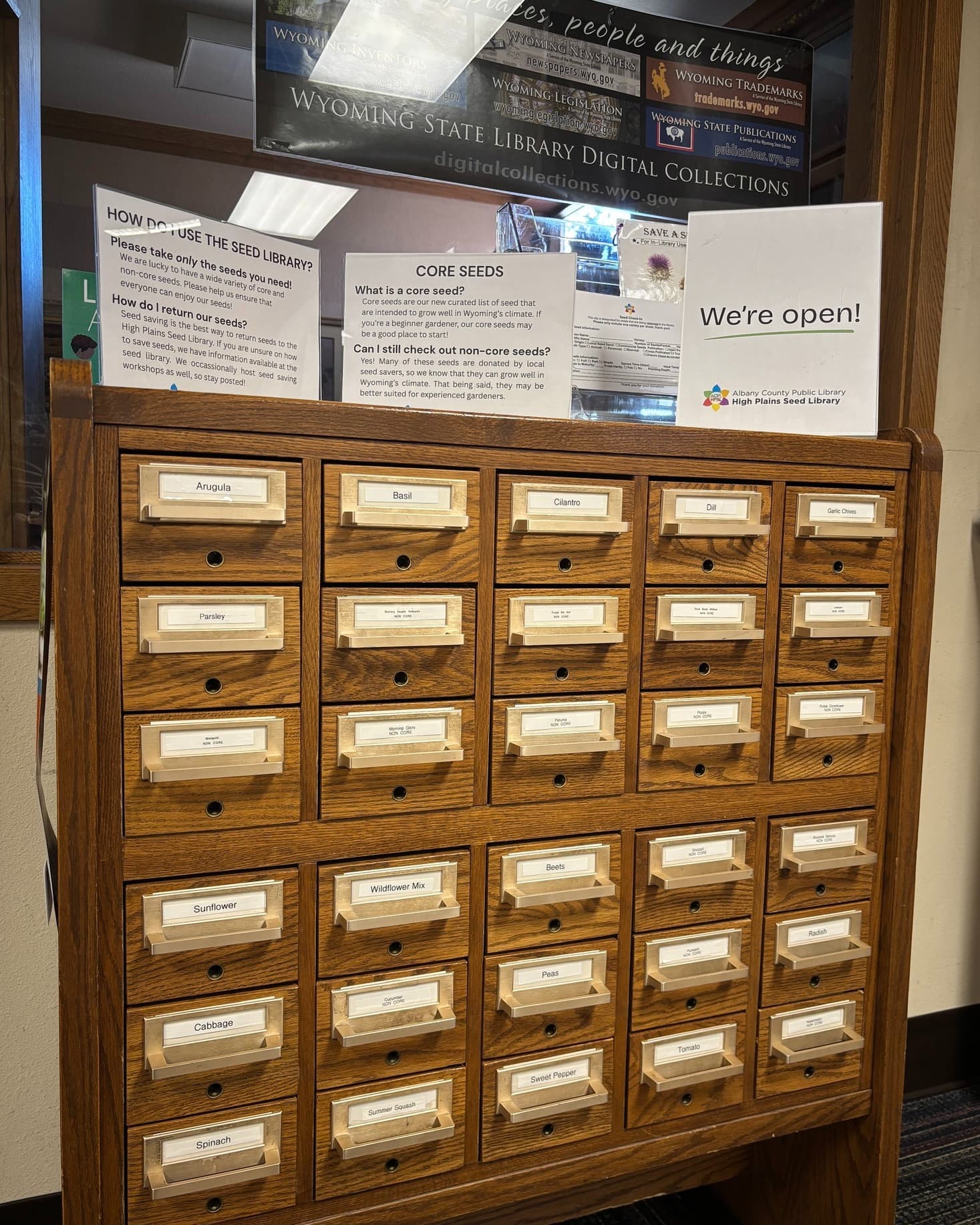
At 310 S. 8th St. in Laramie, Albany County residents can walk into the public library and leave with free packets of herbs, vegetables, flowers and native plant seeds, no library card required, no due dates and no fines. For households watching grocery costs, the High Plains Seed Library offers a low-risk way to start a garden, test what grows in Albany County’s climate and turn a small patch of soil into summer produce.
The revived collection reopened on March 9, 2026, after about three years dormant during COVID-19 disruptions and staffing changes. The seed library sits against the west wall of the Laramie branch just outside the Wyoming Room, where borrowers can take seeds, plant them, let some plants go to seed and return part of the next generation for others to use. The library also invites residents to check its events calendar for gardening classes and volunteer opportunities.
The program began in 2016 as a community effort, and its early growth showed how quickly a local resource can become a serious one. In its first year, volunteers packaged seeds at the library on Jan. 23, 2016, after a letter-writing campaign to seed companies brought in donations. At the time, the collection was approaching 10,000 packets of seed and 387 varieties. The High Plains Seed Library has grown as a partnership between Albany County Public Library and the Laramie Garden Club.
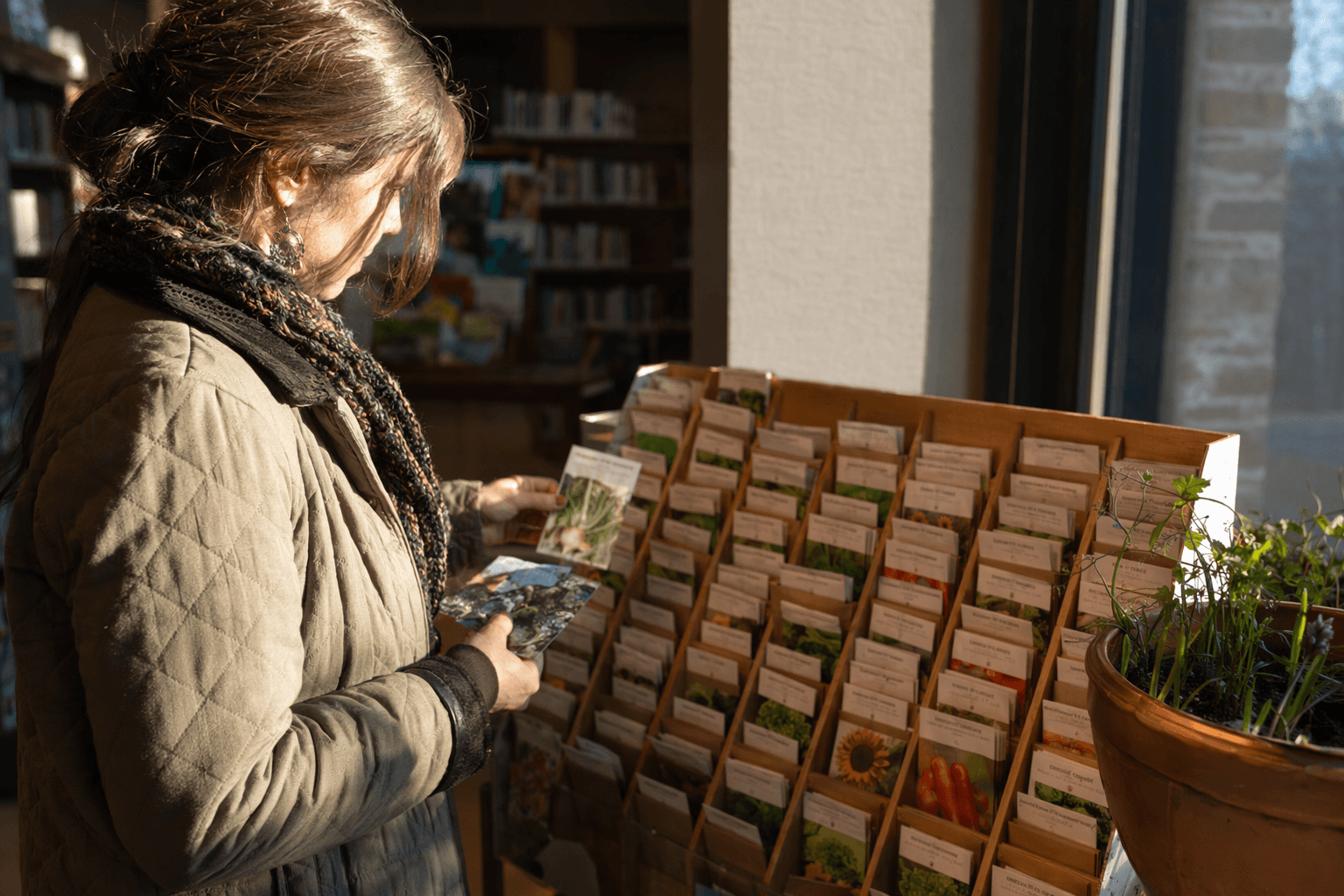
Shane Sims, the library’s adult services specialist, oversees the program, which the Wyoming Specialty Crop Directory describes as offering vegetable, fruit, herb, legume, flower and other seeds, including heirloom varieties. The library’s IT department built a database to track patron information and seed inventory, a sign that this is more than a shelf of packets tucked into a corner of the building.
The point, library materials say, is to encourage community gardening, promote sustainability and create a community-sustained seed collection. The brochure says seed saving can help preserve historic and sentimental varieties, save money on produce and herbs, and build seed stock adapted to local conditions. The library also offers seed-saving workshops each year and accepts saved seed and unused commercial seed donations.
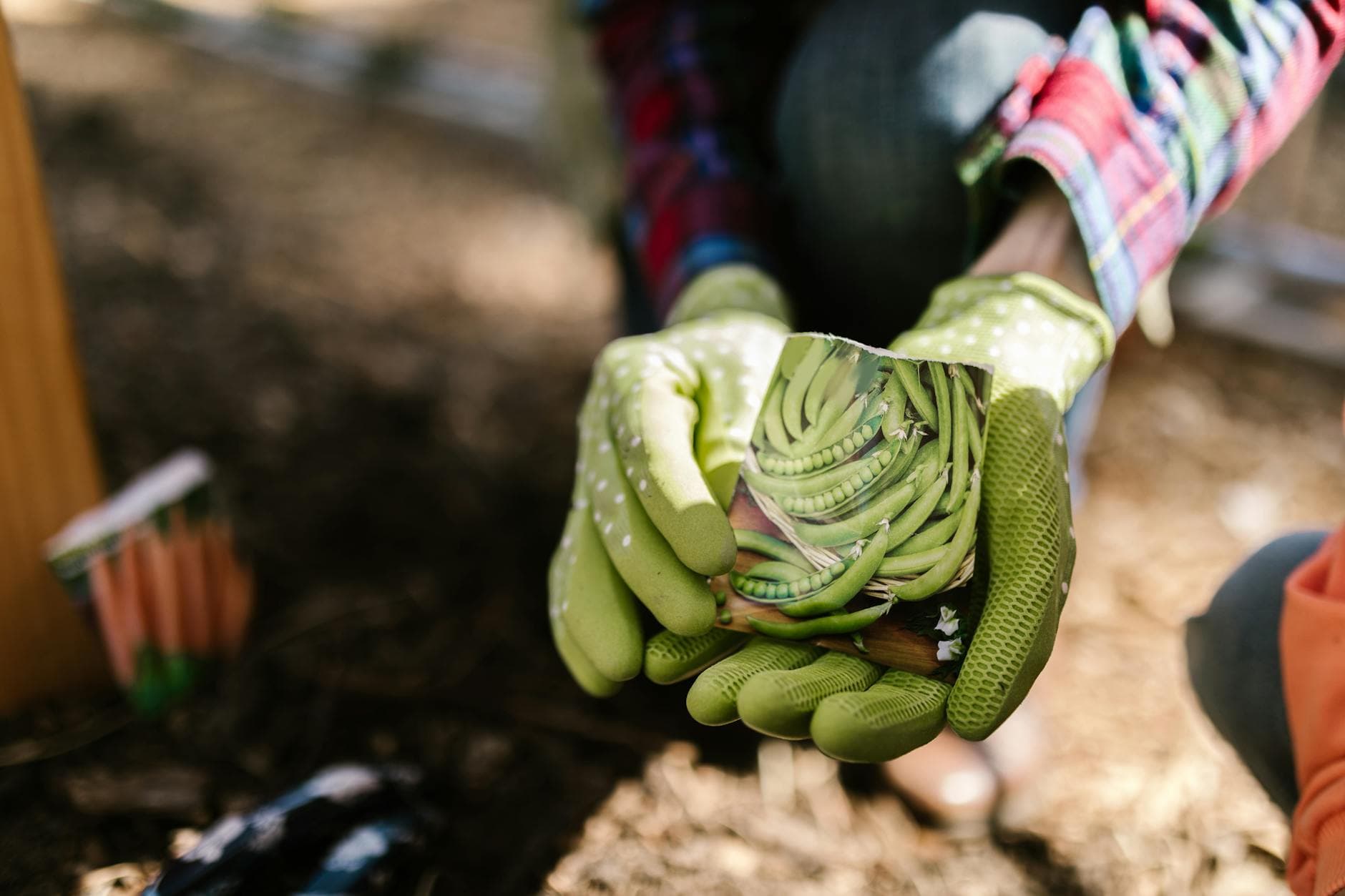
Cassandra Hunter, a public services specialist involved with the program’s earlier launch, said, “The community is integral to the success of our seed library.” That idea still fits the service now: a free packet picked up on a library run can become basil for the kitchen, beans for a raised bed or flowers for the front yard, with some of the next crop eventually going back onto the same wall for another Laramie gardener.
This article was produced by Prism’s automated news system from verified source data, official records, and press releases, then run through automated quality and moderation checks before publishing. The system is built and supervised by the people who set the standards it runs under. Read our full AI policy.
Did this article answer your question?