Allendale County obituary notices reflect deep family, school, church ties
Obituary notices at M. F. Riley’s Funeral Home map Allendale County through family names, public schools, and Baptist churches. Patricia Smith Allen and Leon Rivers Jr. show how belonging is recorded.
%2Ffit-in%2F200x300%2Ffilters%3Afill(white)%2Fprod%2F550%2F508436%2FrI5B6acwe7Flxndz1000029711.jpg&w=1920&q=75)
Patricia Smith Allen and Leon Rivers Jr. appear on the same Fairfax funeral-home page, but their notices do more than mark two lives. They show how Allendale County keeps score through family lines, public schools, and Baptist churches, with each obituary preserving the places where a person was raised, formed, and remembered. In a county as small and closely linked as this one, those details are not background. They are the civic record.
A civic map written in names
The obituary listings on M. F. Riley’s Funeral Home page work like a local directory of belonging. Patricia Smith Allen was born on November 9, 1955, in Fairfax to Bessie Smith and Charlie Williams Jr., and her notice says she was educated in the public schools of Allendale County. Leon Rivers Jr. was born on March 6, 1956, in Allendale County to Leon Rivers Sr. and Reedar Price Rivers, and his obituary says his faith was expressed early when he united with Paul Chapel Baptist Church. Together, those notices trace the same familiar pattern found across rural South Carolina: a life anchored first by parents and hometown, then by the school system and church community that shape daily life.
That pattern matters because obituary pages in places like Fairfax do not function only as announcements. They are one of the clearest public records of who belongs to a place, who studied with whom, and which families remain linked across generations. When a listing names a school, a church, and parents by full name, it is doing more than providing biography. It is placing the person inside a network that other residents immediately recognize.
Patricia Smith Allen and the school record
Patricia Smith Allen’s obituary is a reminder of how much the public schools of Allendale County still carry in local memory. The listing identifies her birth in Fairfax and says she was educated in the county’s public schools, which ties her life to the same institutions many families still use to mark childhood, friendships, and community ties. In a county where many residents know one another through classrooms, ball fields, church pews, and extended kin, that one line carries real weight.
Her notice also reflects the way family names continue to matter here. Bessie Smith and Charlie Williams Jr. are named directly, preserving the line of descent in a way many families value when they look back through a funeral-home page. That is one reason these listings are often read closely. They keep alive the names of parents and grandparents, and they connect a person’s life not just to an age or a date, but to the households and neighborhoods that shaped them.
Leon Rivers Jr. and the church record
Leon Rivers Jr.’s obituary adds another piece of the county’s civic map: church membership as an early marker of identity. Born in Allendale County to Leon Rivers Sr. and Reedar Price Rivers, he is remembered as someone whose faith and belief in God were expressed at an early age when he united with Paul Chapel Baptist Church. That detail places the church at the center of his story, not as a ceremonial footnote but as part of the foundation of his life.
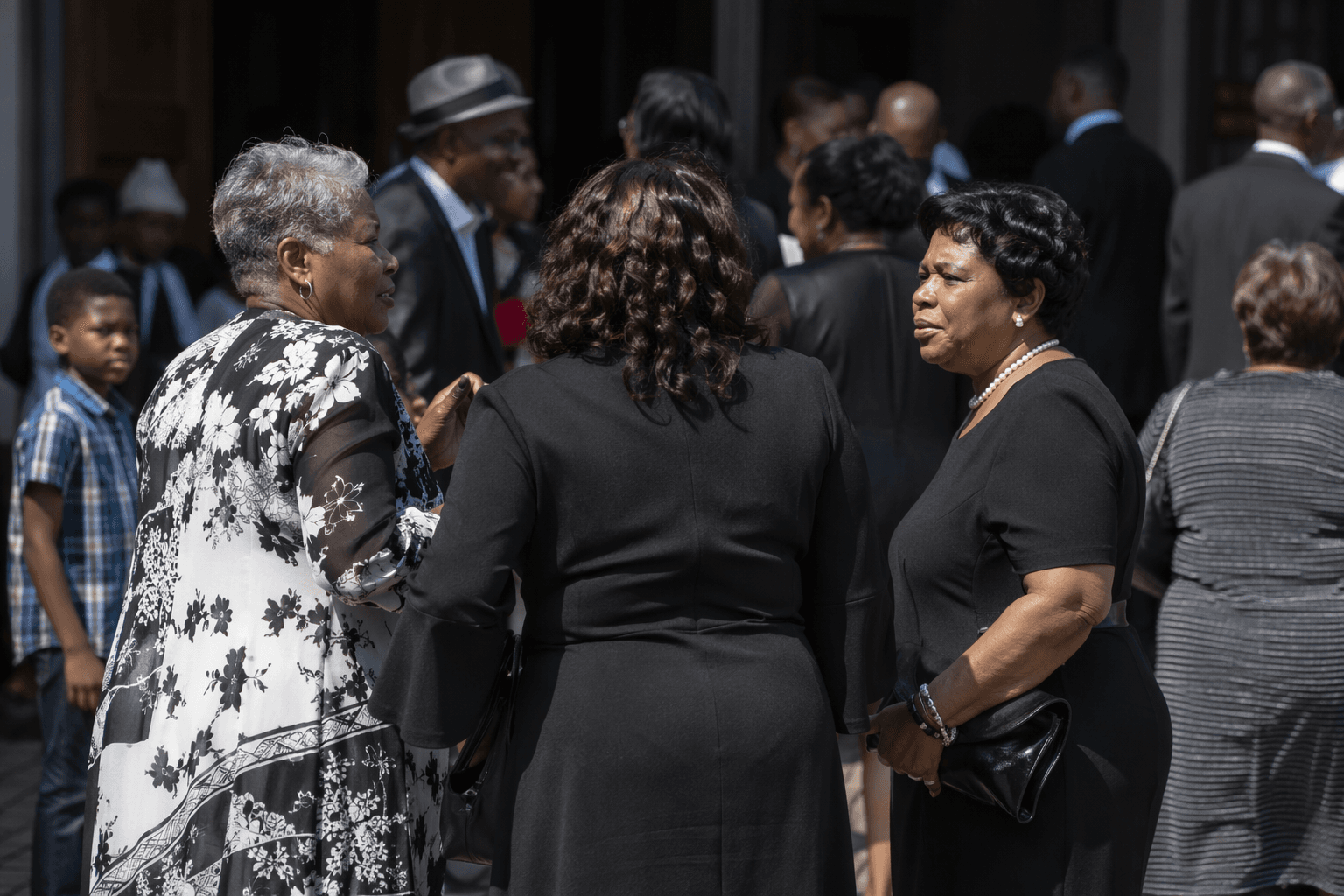
The notice also places him inside the public-school network of Allendale County, showing how school and church often overlap in the county’s memory. That overlap is familiar in communities where generations pass through the same institutions and where those institutions remain the main stages for major life events. In Leon Rivers Jr.’s case, the obituary preserves both the family line and the faith community, which is exactly the kind of record many residents look for when they want to understand how a person fits into the larger county story.
Why the funeral home page matters in Fairfax
M. F. Riley’s Funeral Home gives those details a place to live. The business says it has served the Fairfax community since 1966, and its obituary listings page includes service and arrangement information for families who are planning visitations and celebrations of life. That practical function is part of why the page matters so much locally. It is not only a memorial space; it is also a working source for timing, call arrangements, and service details when families are making immediate decisions.
The funeral home’s long presence in Fairfax gives the page added authority in a town where institutions tend to be personal and longstanding. Families return to a name they already know, and the listings become a shared reference point for people across church congregations, school circles, and extended family branches. In that sense, the page serves as both notice board and archive, carrying the practical details of services while preserving the names and affiliations that define community memory.
Fairfax and Allendale County in a small-county frame
The geography behind these notices helps explain why they resonate so strongly. Fairfax had a 2020 population of 1,622, and Allendale County had 8,331 people in 2020. By 2025, the county’s estimated population had fallen to 7,355. With a 2020 to 2024 median household income of $32,328 and a poverty rate of 31.6 percent, Allendale County remains a place where local institutions carry outsized importance because the network of schools, churches, and family ties is so concentrated.
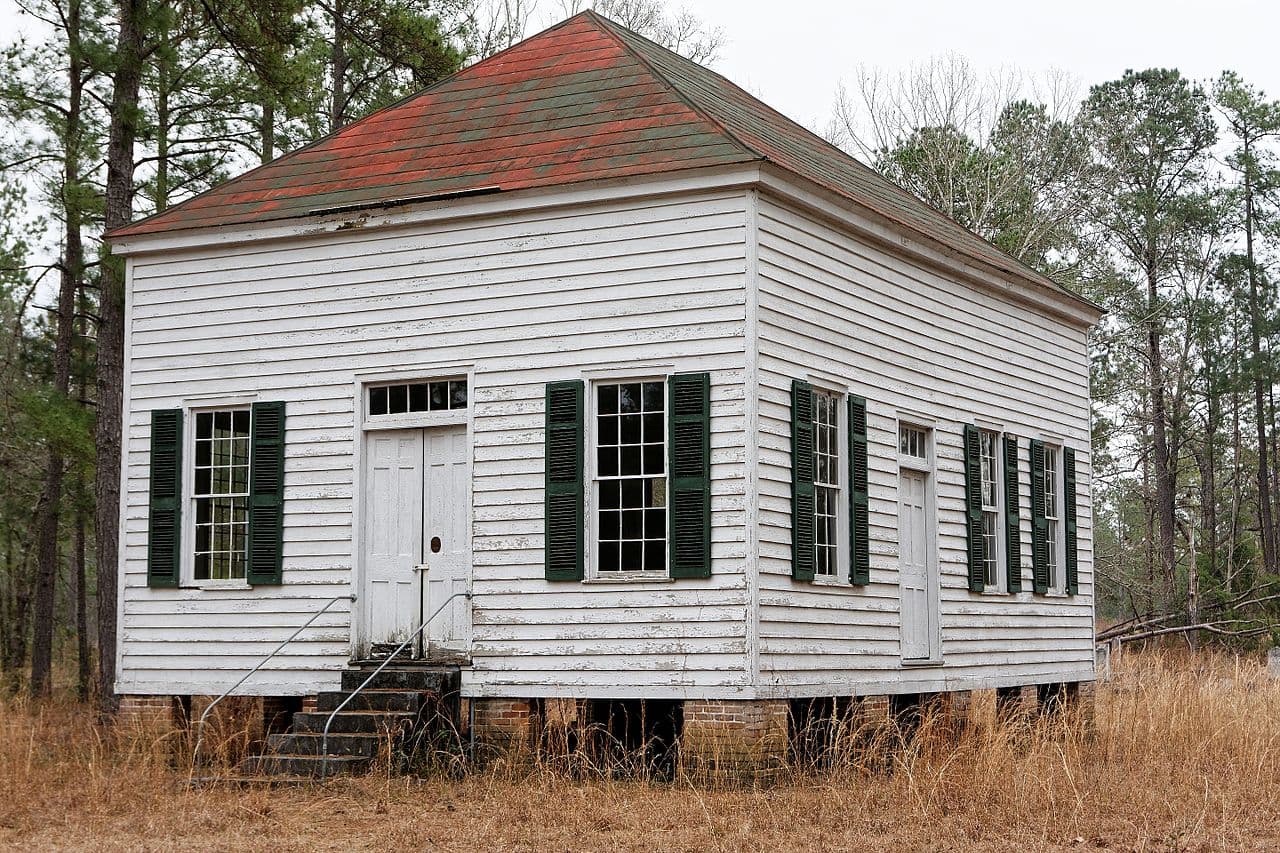
Fairfax itself has a deep local history. Its origins are traced to Owen’s Store, at a road crossing near the Fairfax Cemetery, and Bethlehem Baptist Church was organized by 1854. That history helps explain why church life appears so prominently in obituary notices today. The town has long been organized around gathering points that are practical as well as symbolic: a store, a cemetery, a church, and the families connected to all three. In that setting, a funeral-home page becomes one more place where the county records who has passed through its institutions and who still belongs to its story.
Allendale County is South Carolina’s youngest county, formed in 1919, yet it contains the oldest known human habitation in the state. That contrast fits the way these notices work. They are modern webpages, but the information inside them reaches back through old family lines, established churches, and county schools that still structure everyday life. Patricia Smith Allen and Leon Rivers Jr. are remembered through the same institutions that have shaped Fairfax for generations, and that is what makes the obituary page one of the county’s most revealing public records.
This article was produced by Prism’s automated news system from verified source data, official records, and press releases, then run through automated quality and moderation checks before publishing. The system is built and supervised by the people who set the standards it runs under. Read our full AI policy.
Did this article answer your question?