Allendale County website highlights historic sites, landmarks and heritage stops
Allendale County’s historic-sites page doubles as a practical map, tying together courthouses, churches, trails and deep-history stops residents can actually use.
A county page that works like a local map
Allendale County’s official website is doing more than posting government information. Its historic-sites and visitor-resources page gathers the county’s landmarks in one place, giving residents, churches, family reunion planners, teachers and casual passersthrough a usable guide to the places that still shape local life.
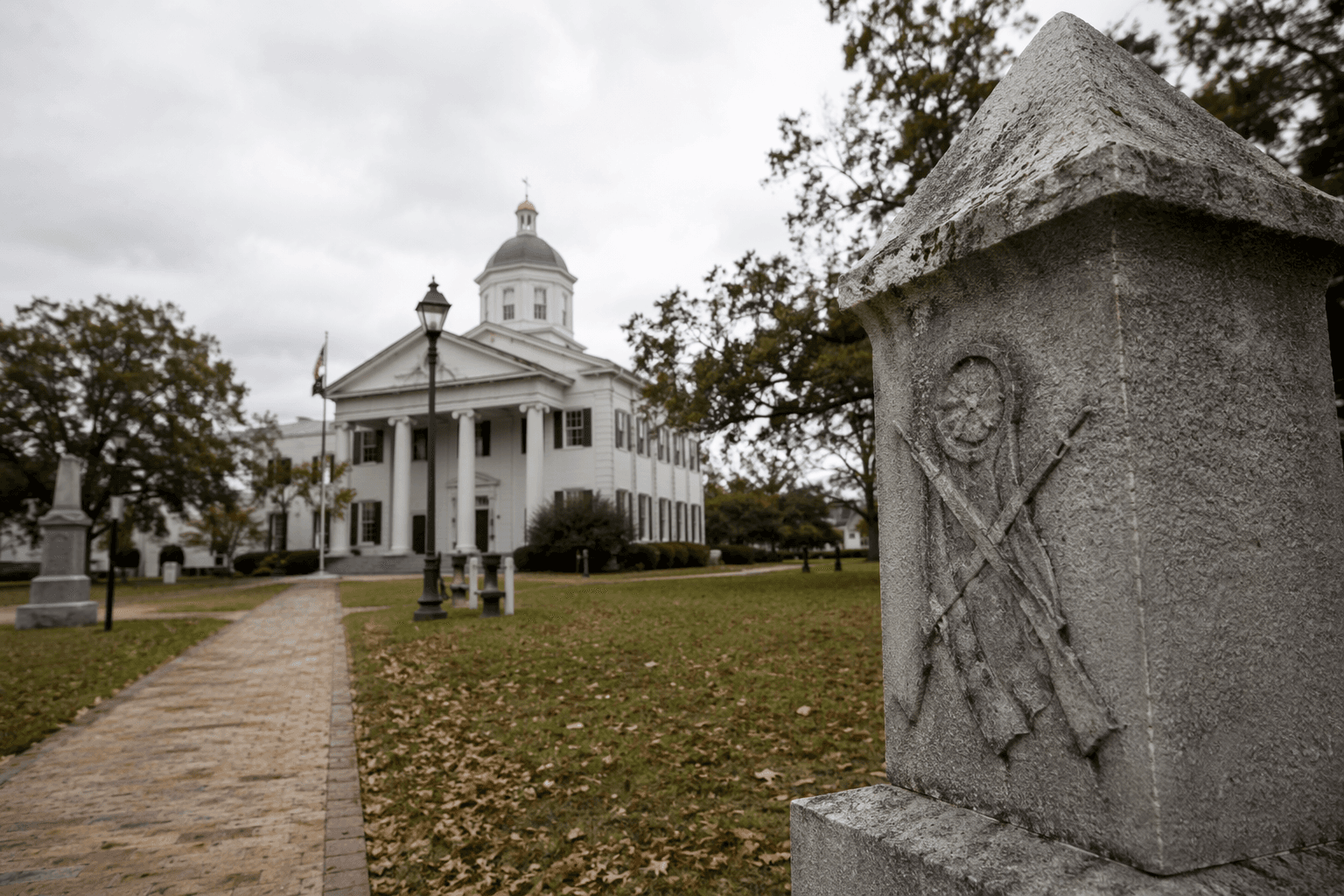
That matters in a county where history is not abstract. The page does not try to turn Allendale into a glossy travel package. Instead, it points people toward the courthouse, the library, the war memorial building, the train depot, faith landmarks, a walking trail, cemetery sites and the Topper Site, making the county easier to navigate for people who already live here and for those trying to understand what this place has preserved.
What the directory puts within reach
The directory pulls together a broad range of stops that serve different kinds of local use. It names the Allendale County Courthouse, the Allendale County Library, the Allendale Standpipe and the Allendale War Memorial Building, then adds churches and neighborhood landmarks including First Baptist Church of Allendale, First Baptist Church of Fairfax, St. Mark Missionary Baptist Church and St. Nicholas Lutheran Church.
It also points to the Fairfax Train Depot, Burtons Ferry Bridge and the LSRA walking trail, along with plantation-era sites, cemetery sites and the Topper Site. That mix gives the county a heritage map that works for school projects, genealogy research, church outings and reunion planning, but it also helps ordinary residents reconnect to the places that anchor civic memory, worship, transportation and public gathering.
For people organizing events, the value is practical. Churches and memorial buildings can serve as reference points for navigation and storytelling. Trails and bridge sites create a low-cost way to build foot traffic around history. The page offers a starting point, not a script, which makes it flexible enough for residents who want to use familiar places in fresh ways.
The county’s civic core is part of the story
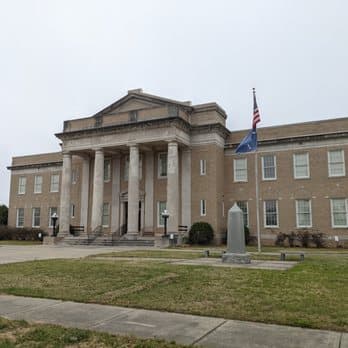
The courthouse is one of the clearest examples of how the page blends preservation with public life. Allendale County was formed in 1919 from parts of Barnwell and Hampton counties, making it the last county established in South Carolina. The county courthouse was built in 1921 and 1922, and it is described as the county’s first and only courthouse.
That history gives the building weight beyond architecture. The first courthouse was badly damaged by fire in May 1998, and construction on a new courthouse that incorporated the old shell began in August 2002. For residents, that makes the courthouse more than a government site. It is a sign of continuity after loss, and a reminder that the county’s public institutions have been rebuilt rather than replaced in spirit.
The Allendale War Memorial Building tells a similar story of reuse. Completed in 1950, it once housed the county library, regional library headquarters, the Veterans Administration office, and county health, education and welfare offices. In 1947, Jasper County joined the regional library system, creating the Allendale-Hampton-Jasper Regional Library, and the building became a shared civic home for multiple services. That layering matters in a small county, where one structure can hold memory, services and identity at the same time.
Faith, women’s history and the public library
The historic-sites list also reaches into community life through churches and the Fairfax library building. The Virginia Durant Young House in Fairfax, built around 1881, is now used as the Fairfax Public Library. Virginia Durant Young was a journalist, novelist, humanitarian, political activist and a nationally recognized leader in the women’s suffrage movement, which makes the building one of the county’s most important links to South Carolina women’s history.
That shift from private home to public library also shows how Allendale’s historic spaces have been adapted for today’s residents. The building is not just something to admire from a distance. It represents access to knowledge, public service and the broader idea that heritage can remain useful.
The churches listed on the county page also matter for that reason. First Baptist Church of Allendale, First Baptist Church of Fairfax, St. Mark Missionary Baptist Church and St. Nicholas Lutheran Church are more than historic names. They represent continuing institutions where families gather, traditions are maintained and community ties stay visible. For church anniversaries, homecomings and reunion weekends, those landmarks help people orient themselves around places that still carry living meaning.
Deep history, outdoor access and a place to walk it off
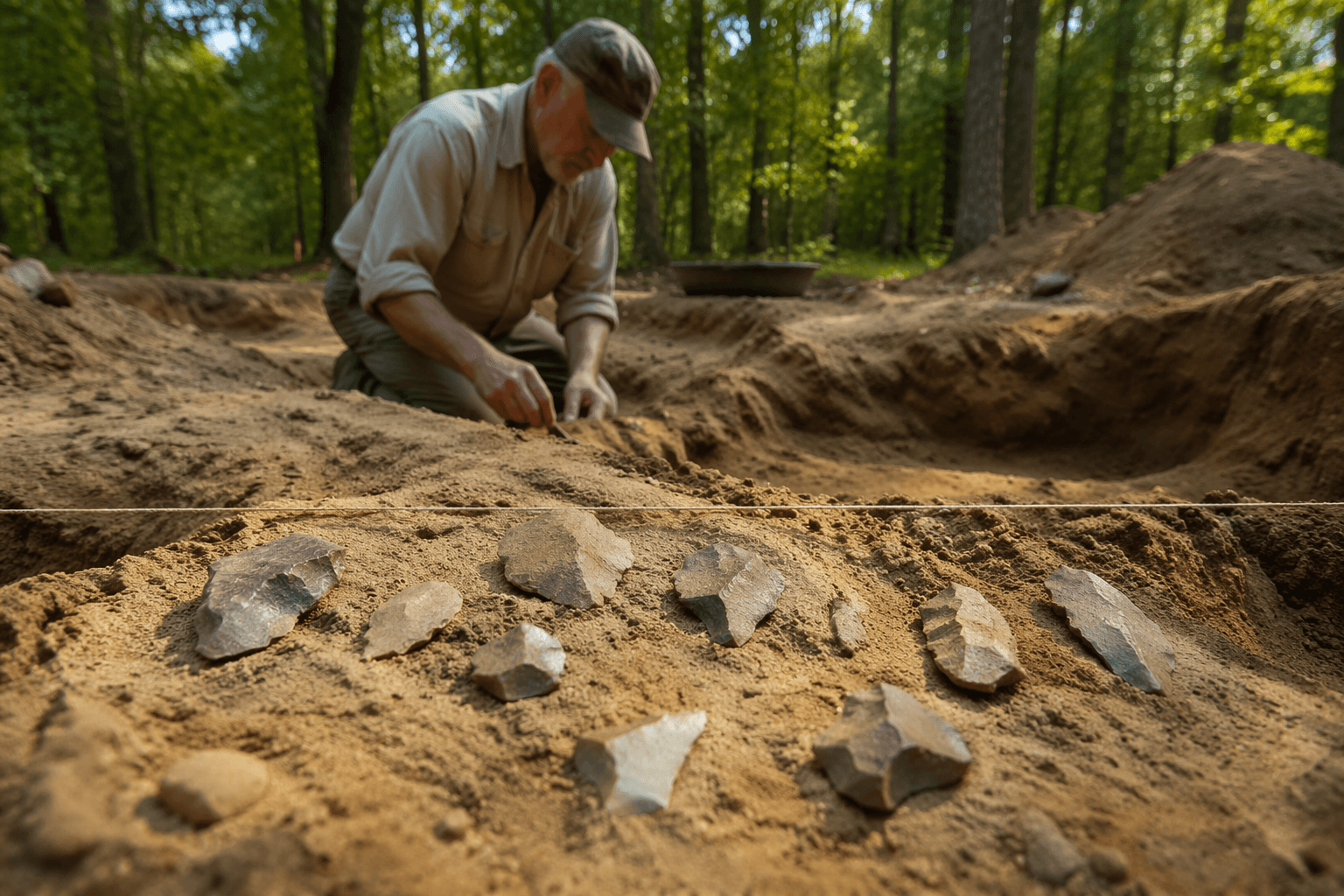
The county’s heritage inventory reaches much farther back than the twentieth century. The Topper Site is one of the most striking entries on the list. The county says it preserves remains dating back more than 13,000 calendar years before the present, and the University of South Carolina says the research at Topper drew worldwide attention because it suggested people may have been in the Americas 50,000 years ago. USC also says the Topper exhibit at USC Salkehatchie is the first permanent display of artifacts from the site.
That gives Allendale a rare kind of civic asset: a place where deep time is not buried in a textbook, but tied to a local address and a public exhibit. For students, teachers and families, that makes the county’s history feel larger than one era or one storyline.
Burtons Ferry Bridge adds a different kind of value. The county describes it as an abandoned but important historic bridge, and the greenway there was developed by the Lower Savannah River Alliance from the old U.S. 301 elevated roadbed. The trail now offers walking, running and strolling with views of the Savannah River. That makes it one of the most usable pieces of the county’s heritage landscape, especially for people looking for affordable outdoor activity that also tells a story about transportation and the river corridor.
Why the page matters in a county this size
The Allendale County Historical Society, founded in 2005, says its board has eight residents, which is a useful reminder that preservation here is not only a government function. It is also a community effort, carried by people who choose to keep local stories visible.
That work has special importance in a county with a small and shifting population. The U.S. Census Bureau counted 8,039 residents in 2020, and Census Reporter’s ACS-based profile lists a 2024 estimate of 7,661. In a county that small, every preserved building, every church marker, every bridge and every trail stop does double duty: it protects memory and helps support local pride, local movement and local foot traffic.
Taken together, the county website’s historic-sites page is not just a list. It is a practical map of Allendale County’s civic life, from the first courthouse and the war memorial building to the churches, the library, the train depot, the bridge trail and the Topper Site. For residents who want to bring children, grandchildren, neighbors and reunion guests into the county’s story, it offers a clear place to start and a strong argument that Allendale’s heritage is still part of everyday life.
This article was produced by Prism’s automated news system from verified source data, official records, and press releases, then run through automated quality and moderation checks before publishing. The system is built and supervised by the people who set the standards it runs under. Read our full AI policy.
Did this article answer your question?