Allendale Green Park links downtown calm with local history
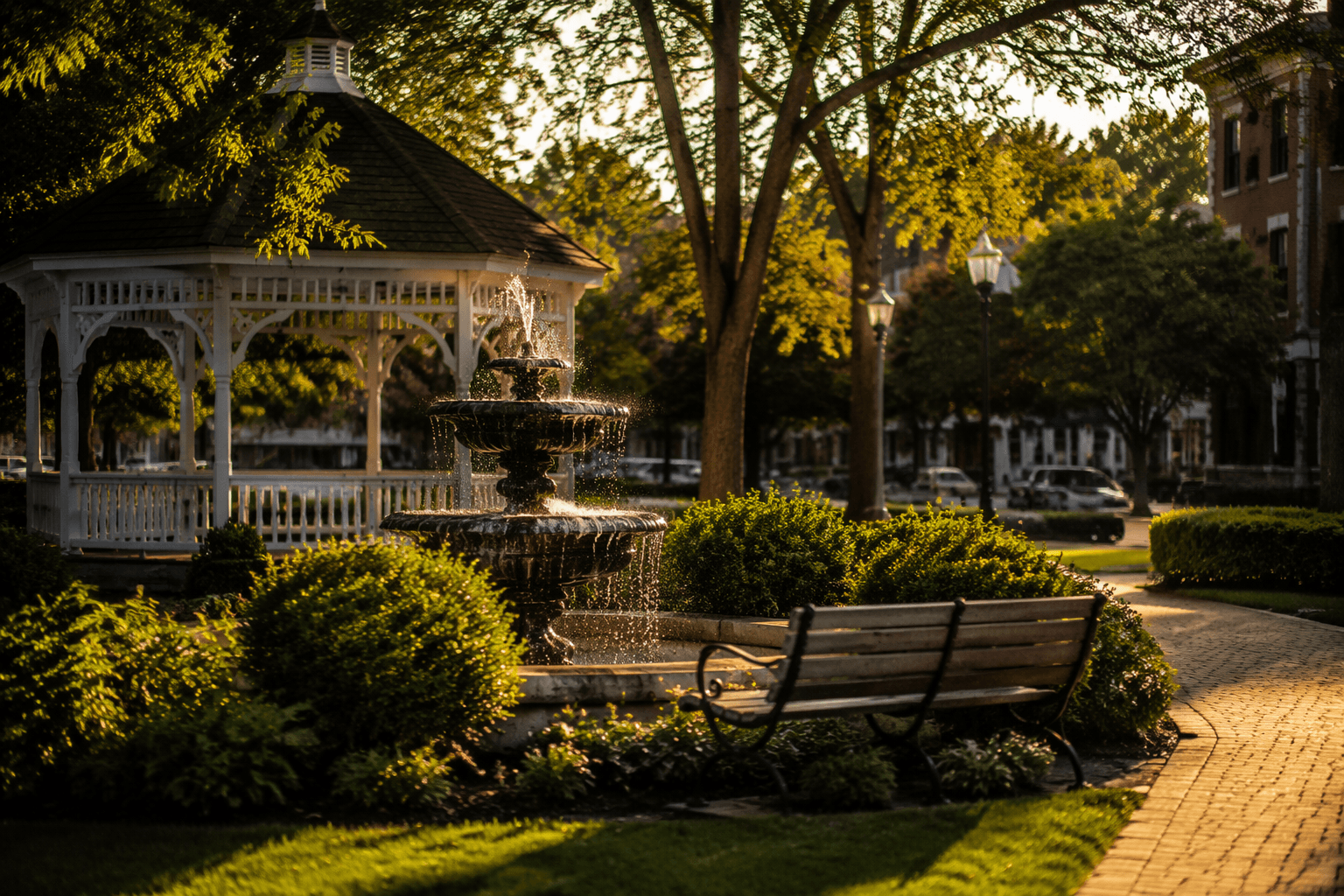
A fountain, gazebo and benches sit on land tied to Henry Wolff’s first department store, turning a small park into a downtown marker of Allendale’s trade past.
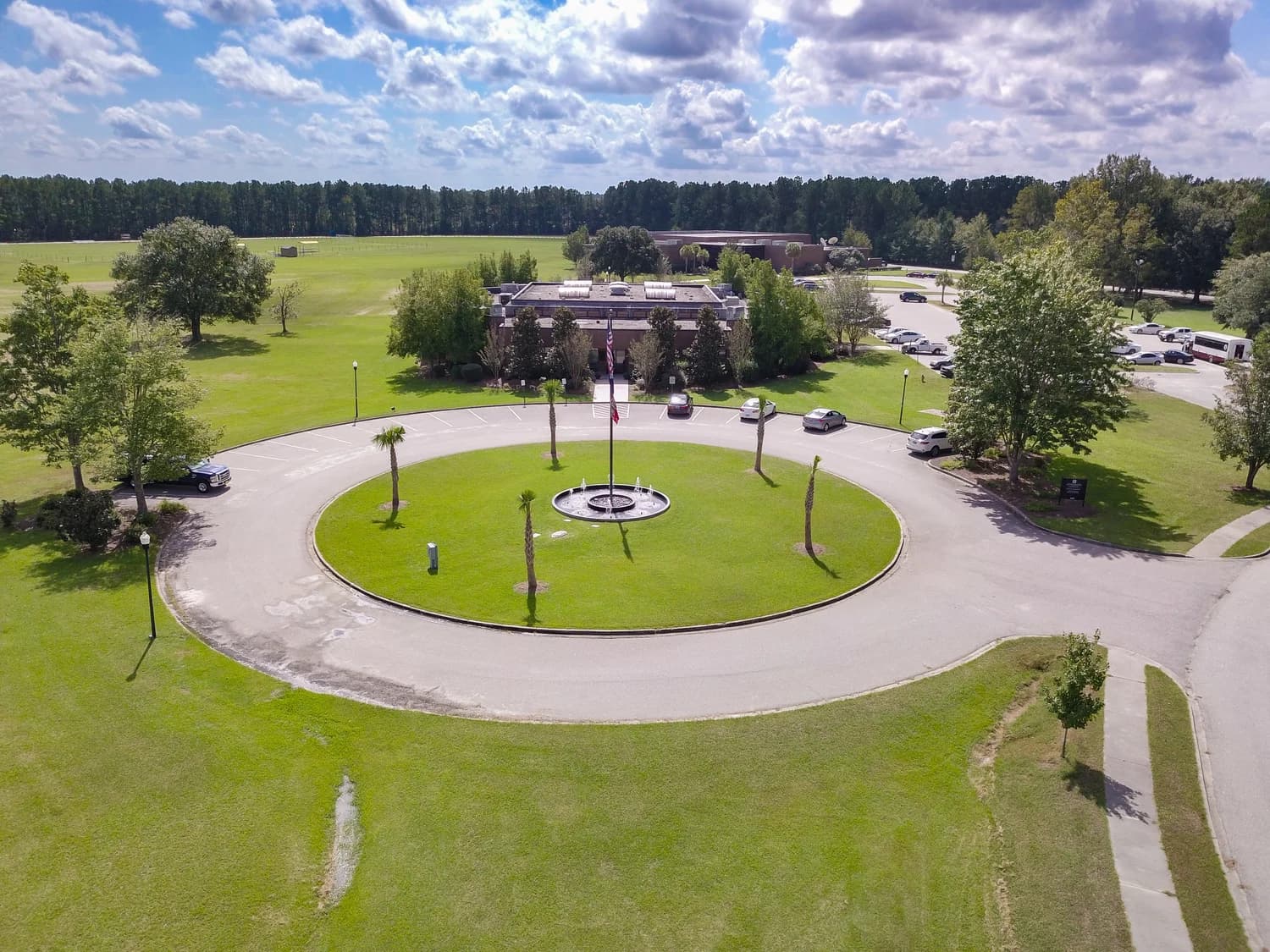
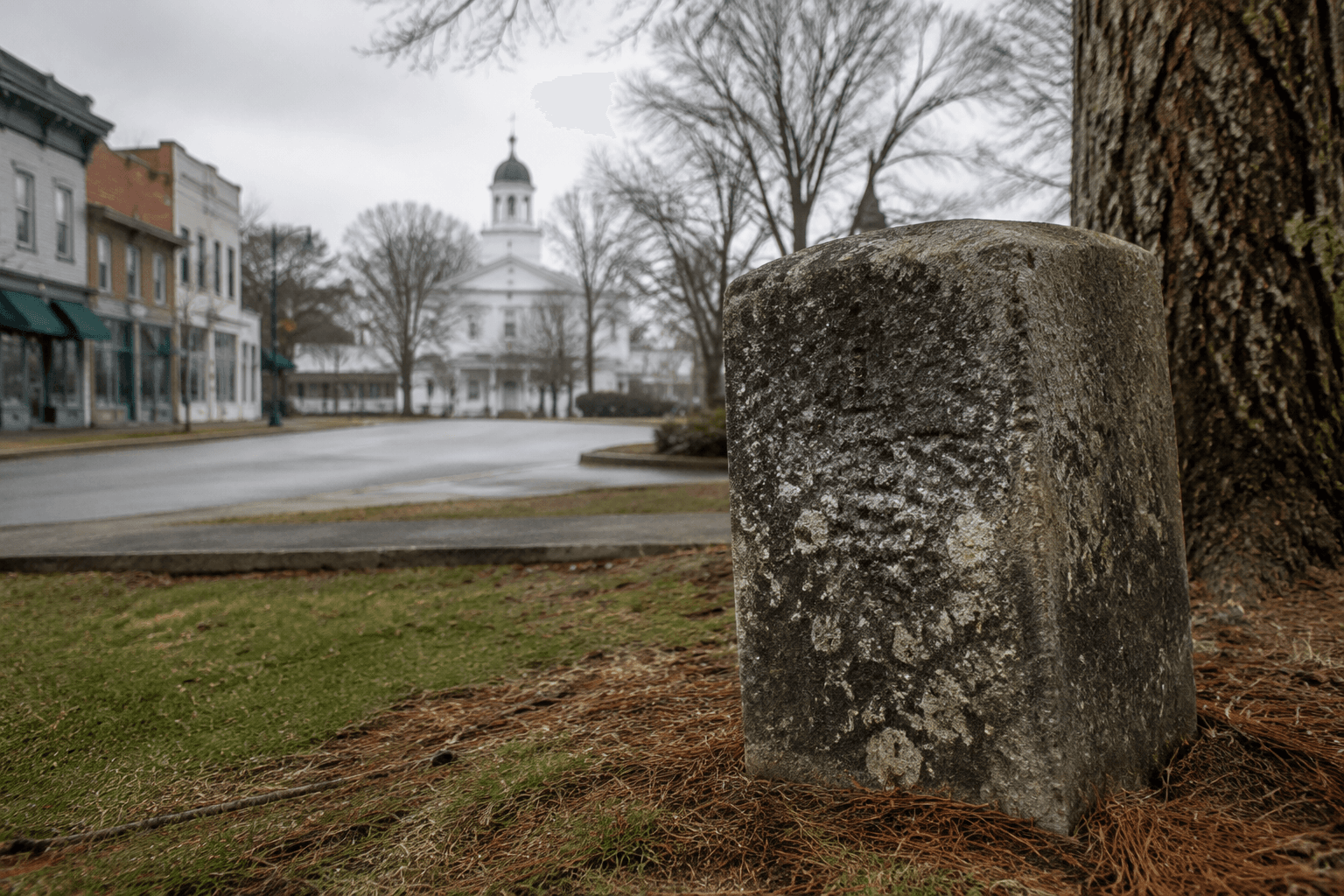
Allendale Green Park is small, but its place at Railroad Ave. and Hwy. 301 gives downtown Allendale a quiet stopping point with real historical weight. The park’s fountain, gazebo and benches make it an easy place to pause, while the land beneath it connects today’s public space to the town’s earliest commercial life.
What the park offers today
Thoroughbred Country describes Allendale Green Park as a well-appointed green space with a fountain, gazebo and benches, and a separate local-guide listing says it feels inviting because of its fountain and shaded benches. That combination matters in a town center where a short stop can be as useful as a longer outing. The park is not a large recreation complex, and that is part of its appeal: it gives people a place to sit, look around and take in downtown without leaving the main corridor.
Its setting at Railroad Ave. and Hwy. 301 places it where local traffic naturally flows through town. That makes the park useful as a quick pause for people passing through Allendale as well as for residents already downtown. In practical terms, it functions like a small civic front porch, with enough openness for photos and enough shade and seating to encourage a few minutes of lingering.
Why the land matters
The story underneath the grass is what gives Allendale Green Park its strongest identity. Thoroughbred Country says a portion of the land was given to the town by the family of Henry Wolff, who built the town’s first department store on the same site. That turns the park into a repurposed piece of Allendale’s commercial core, not just decorative landscaping.
Henry Wolff’s own path helps explain why this corner carries such a strong merchant history. He was born in Rogowo, Prussia, in 1848, and at 18 he left Europe for the United States in 1866, boarding the Saxonia in Hamburg and arriving in New York on August 5 of that year. In Allendale, his business dealt in general merchandise, cotton and fertilizers, the kind of trade that helped shape small-town Southern economies in the decades after the Civil War.
The merchant record does not end with a single store. The Jewish Merchant Project dates the Wolff and Simon story to about 1872 to 1885, and the College of Charleston ArchivesSpace finding aid includes Wolff family papers among records tied to South Carolina Jewish history. The project itself is part of the Jewish Historical Society of South Carolina, and it was featured in the exhibit A Store at Every Crossroads: Documenting the Stories of South Carolina’s Jewish Merchants, which debuted May 18, 2019. Those archival traces show that the park’s backstory is part of a broader pattern of Jewish entrepreneurship in South Carolina towns, not an isolated family note.
Allendale’s downtown context
Allendale Green Park also fits into a larger county and town history. Allendale County was formed in 1919 from Barnwell and Hampton counties, and local history sources note that the Town of Allendale’s current center is not its original site. That matters because the park sits in a town that has already moved and reorganized its commercial life over time, making today’s downtown a product of rail-era and road-era change.
The park’s location on Railroad Ave. and Hwy. 301 reinforces that connection. Even without a trail system or a big-event lawn, the space sits close to the kind of circulation that keeps a downtown visible: cars moving through, people stepping out, and storefronts depending on eyes on the street. A small public green in that spot can do more than provide shade. It can help slow the pace long enough for people to notice the buildings around it and move from a drive-through stop to a walk through town.
For local businesses, that kind of pause can be valuable because it is simple and low-friction. A bench, a fountain and a gazebo do not compete with the downtown merchant block; they complement it by giving people a reason to stay on the street a little longer. In a county seat where the commercial past is still legible in the layout of the town, that is a meaningful role for a park this small.
How to use the park as a downtown stop
A short visit works best when you treat the park as part of a downtown circuit rather than a destination by itself.
- Start at the fountain and benches, where the park’s most visible features make a natural resting point.
- Use the gazebo and open sightlines for photos that place the park against the downtown backdrop.
- Step back toward Railroad Ave. and Hwy. 301 to continue into the business district and trace how the park sits within the town’s old merchant pattern.
Allendale Green Park links the town’s present-day calm with the ground floor of its commercial history. On a site once tied to Henry Wolff’s first department store, the park now gives downtown a public space that is quiet, central and unmistakably connected to the trade history that helped build Allendale.
This article was produced by Prism’s automated news system from verified source data, official records, and press releases, then run through automated quality and moderation checks before publishing. The system is built and supervised by the people who set the standards it runs under. Read our full AI policy.
Did this article answer your question?