Cedar Hall Plantation honors enslaved master carpenter behind its construction
Cedar Hall’s frame was built under Isaac DeVoe Sr., an enslaved master carpenter from the Ivory Coast chosen for his skill. The Allendale County landmark still stands in heart pine.
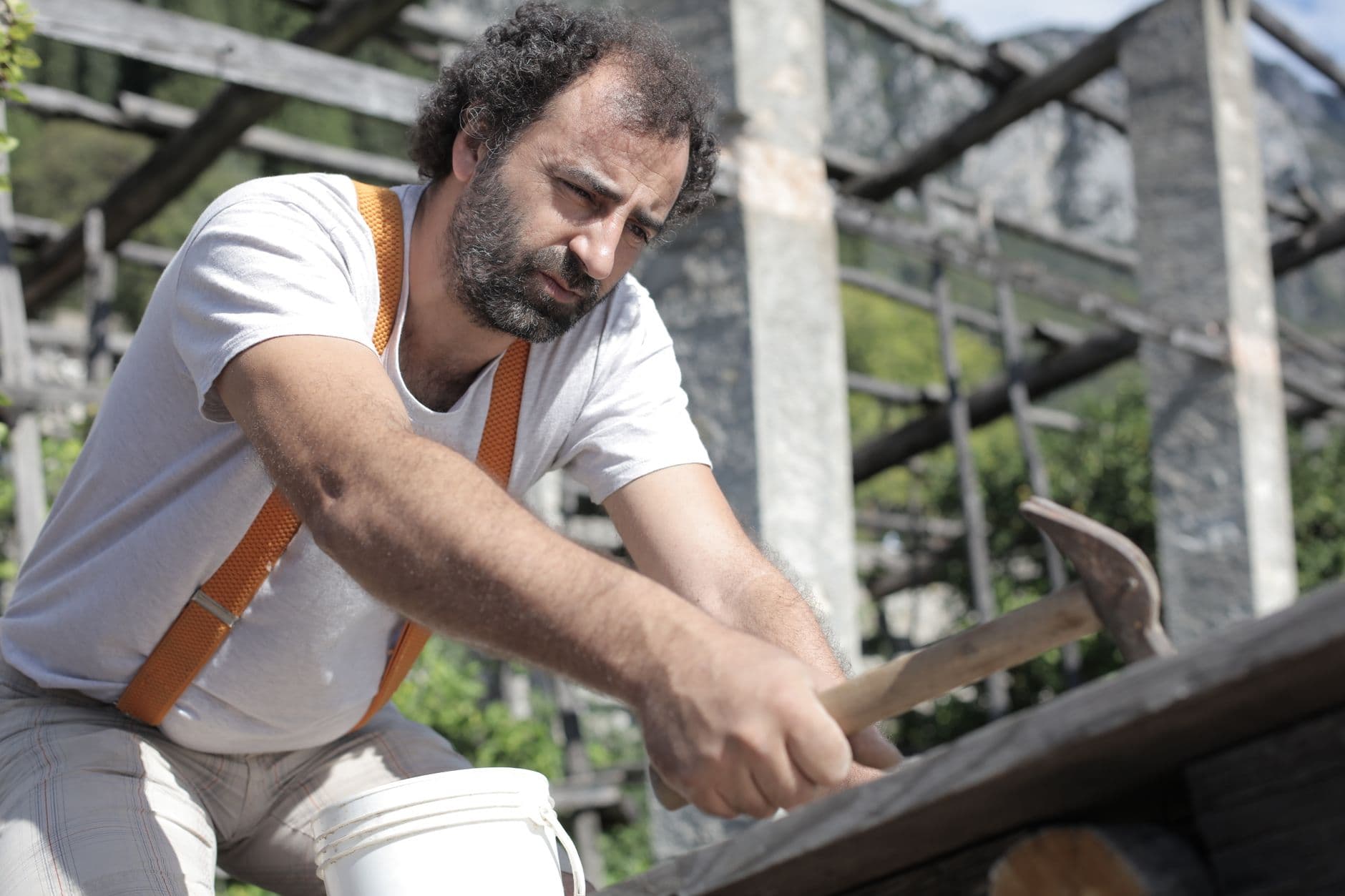
Cedar Hall Plantation in Allendale County stands as more than a Greek Revival house. The historic site is identified locally as the work of Isaac DeVoe Sr., an enslaved master carpenter from the Ivory Coast who was chosen to oversee construction because of his skill, a detail that puts a named Black craftsman at the center of the property’s story.
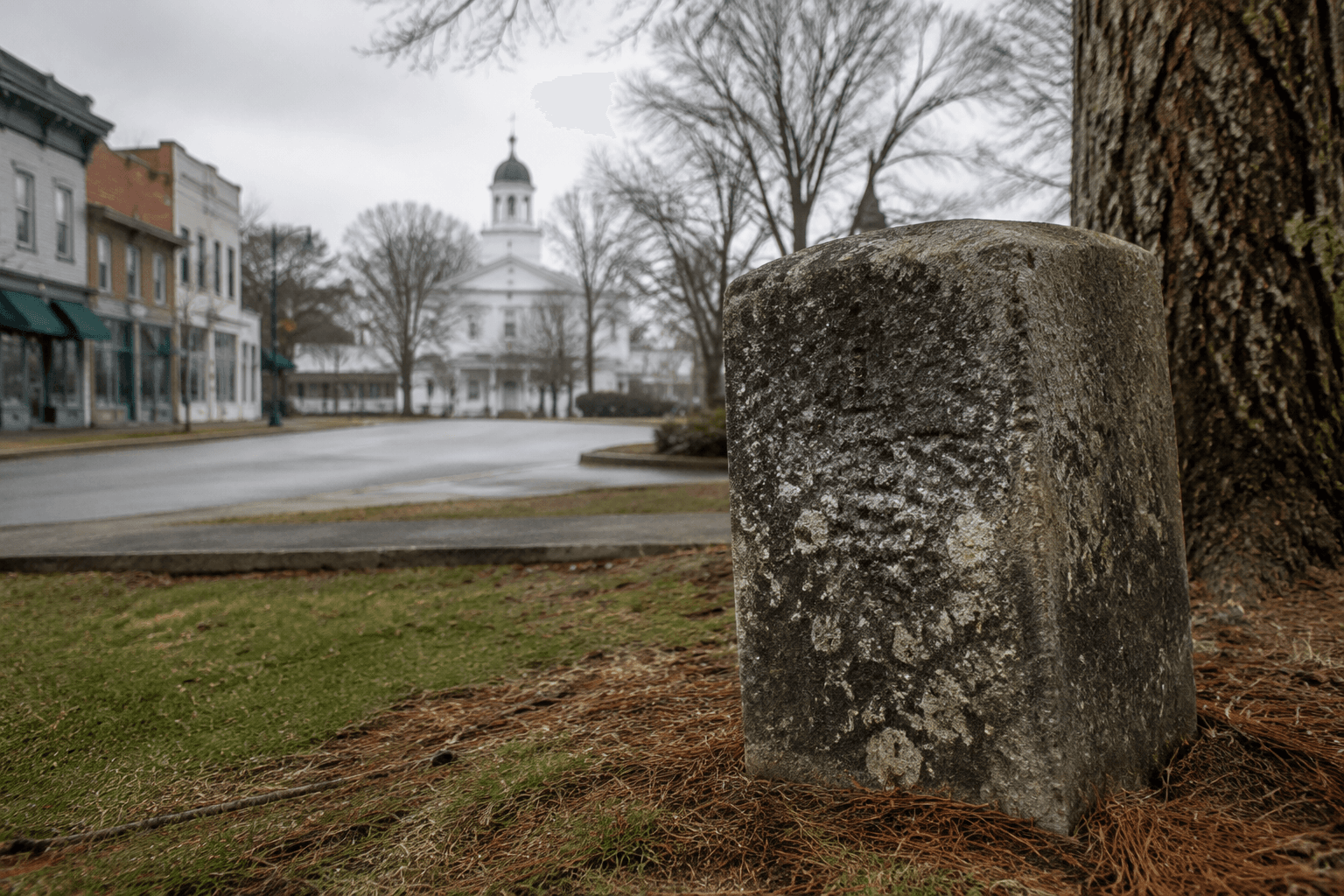
The county’s historic-sites listing places Cedar Hall’s construction around 1834 for the Cater family. Other local records date the house to about 1837 and name it as the home of the Thomas J. Cater family, showing that the exact year shifts slightly across documentation. What does not shift is the structure’s physical presence: a three-story house made entirely of heart pine, built with wood beams that run the length of the house and wood ceilings instead of plaster.
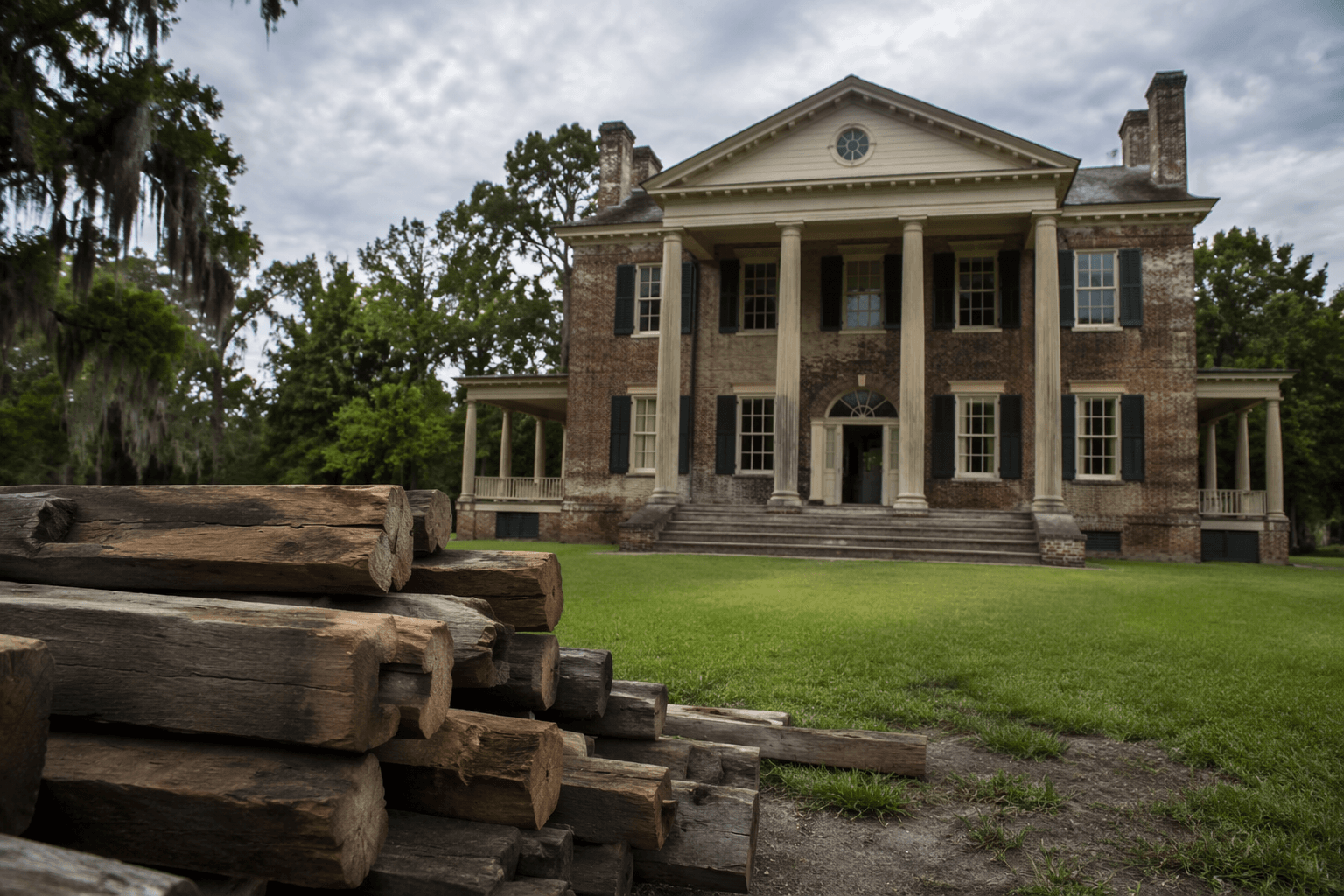
Those construction details matter because they help explain why Cedar Hall has endured. The house survives as a working example of skilled antebellum carpentry, not just as a symbol of landownership. The emphasis on DeVoe’s role also changes the way the property is read in Allendale County history, where plantation homes are often remembered for the families who lived in them rather than the enslaved craftsmen who built them.
Later records add to the property’s long ownership history. Roots and Recall places Cedar Hall in the mid-20th century with the Tom O’Connor family, and a South Carolina Historic Property Record says the O’Connors acquired it in 1951. That same record identifies Thomas Henry, or Tom, O’Connor as editor and publisher of The Allendale County Citizen and The Hampton County Guardian, linking the house to another chapter in local print history.
Cedar Hall also carries a Civil War-era legend that has followed it for years. Real-estate listings repeat the claim that Sherman’s army spared the house in 1865 because it was selected as Sherman’s personal residence during his time in Allendale County. Whether told as family lore or preservation shorthand, that story has helped keep the house in circulation as one of the county’s best-known landmarks.
Today, Cedar Hall remains part of the broader preservation landscape listed by Allendale County alongside other historic sites. The Allendale County Historical Society, founded in 2005, says its mission is to preserve the county’s places, stories and culture, and Cedar Hall fits that aim with unusual force: it is a surviving house, but also a record of labor that local history has too often left unnamed.
This article was produced by Prism’s automated news system from verified source data, official records, and press releases, then run through automated quality and moderation checks before publishing. The system is built and supervised by the people who set the standards it runs under. Read our full AI policy.
Did this article answer your question?