Church of the Holy Communion traces Allendale's growth since 1847
From 26 Episcopalians meeting in homes to a 1903 Gothic brick church, Holy Communion tracks how Allendale moved from rail depot to downtown center.
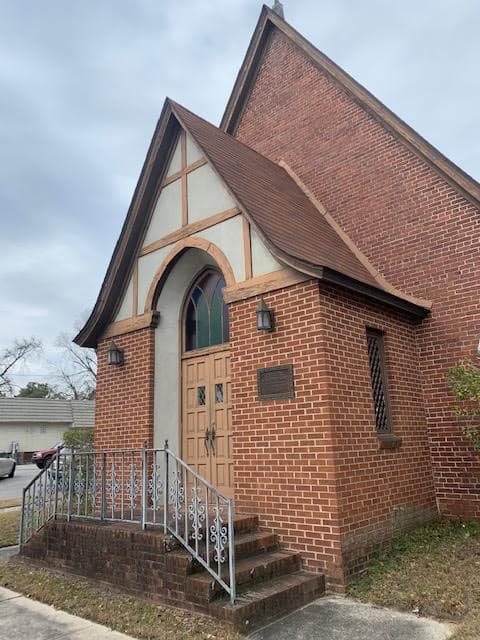
Church of the Holy Communion stands as one of downtown Allendale’s clearest markers of how the town was built, borrowed space by borrowed space, until an Episcopal mission secured a permanent brick home on Main Street. Its record runs from 1847 to a dormant congregation in the current diocesan directory, but the more revealing thread is how closely its milestones follow Allendale’s own growth.
From mission church to parish
The Episcopal story in Allendale began in 1847, when 26 members formed a mission church called The Church of the Advent. For years, worship happened in homes because the congregation had no building of its own, then services moved to Union Church, a shared worship space used by more than one denomination. That detail matters because it shows the early church not as an isolated institution, but as part of a small town where space, labor, and religious life were pooled.
By 1875, the Rev. E. E. Bellinger had begun services in Allendale. Two years later, members and other denominations were erecting Union Church, which gave the mission a more stable place to gather before it had a sanctuary of its own. The church site was purchased in 1892, and by 1903 a new brick church was completed and consecrated by Bishop Capers at a cost of about $1,900. Around the turn of the century, the mission’s name shifted from Advent, Allendale to Holy Communion, and in 1923 the mission became a parish. Later additions included a rectory in the early 1930s and a parish house built on land donated by Mrs. J. Sims Spigener.
A church built as Allendale itself was taking shape
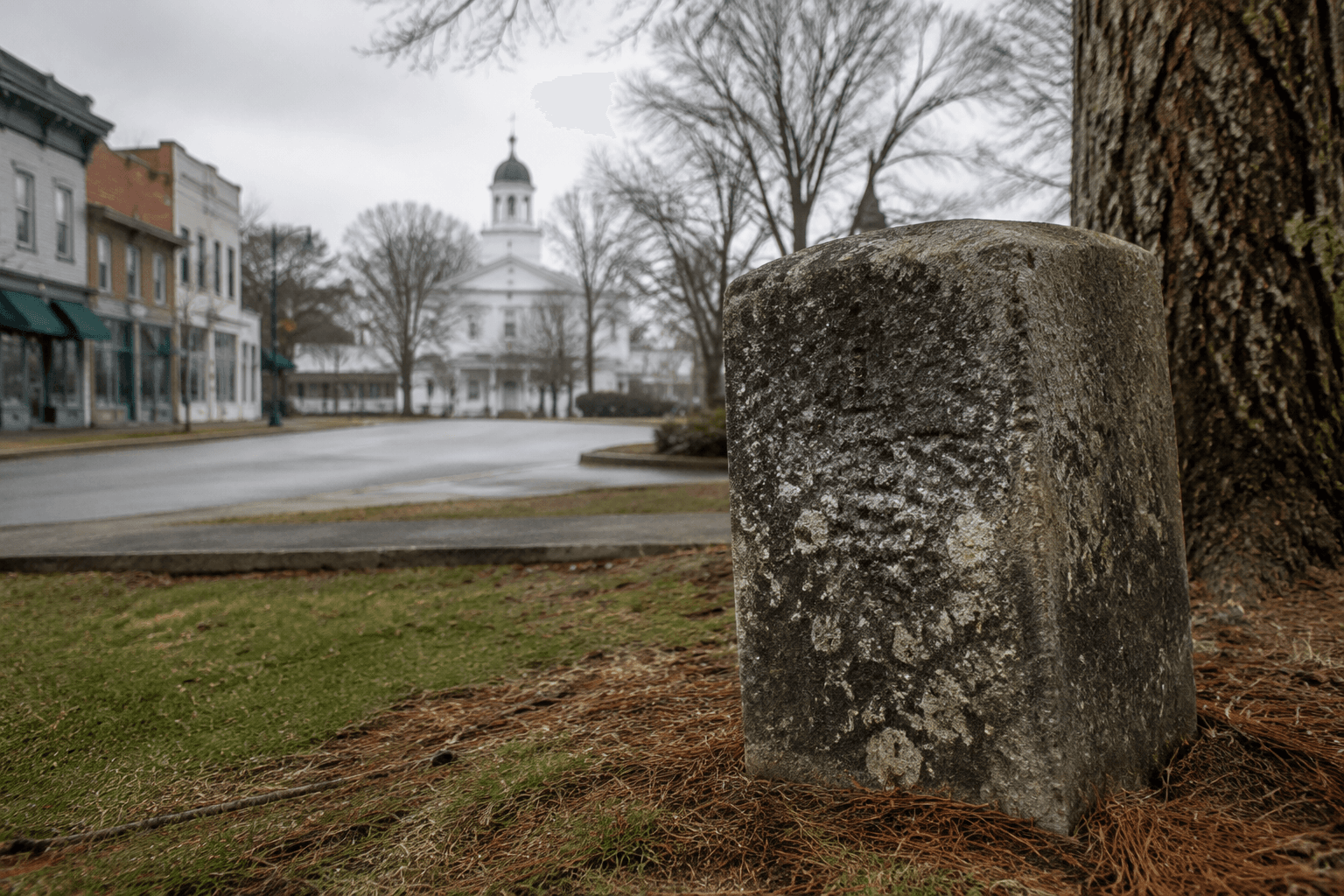
The church’s timeline makes the most sense when set against Allendale’s own rise from a railroad stop into a town center. The South Carolina Encyclopedia places that shift in 1872, when the Charleston and Western Railroad sent its first train through the area and commercial life began moving away from Buddenville toward the tracks. The Town of Allendale was chartered on December 20, 1873, with streets and lots laid out around the depot.
That growth was not abstract. By the early 1880s, Allendale had more than 600 inhabitants and 31 stores, a sign that the railroad had already reshaped where people lived, shopped, and gathered. When Allendale County was created in 1919 from parts of Barnwell and Hampton counties, Allendale became the county seat, giving the town an even larger civic role. The county’s first courthouse was all but destroyed by fire in May 1998, another reminder that the landmarks anchoring local identity have not always been the ones built to last.
Seen in that light, Holy Communion is not just a church history. It is part of the same downtown story as the depot, the charter, the county seat, and the repeated reinvention of the town center. Allendale County had 8,331 residents in 2020, and the town of Allendale had 2,829, numbers that help explain why a single congregation can still carry so much local memory in a place this small.
What survives on Main Street
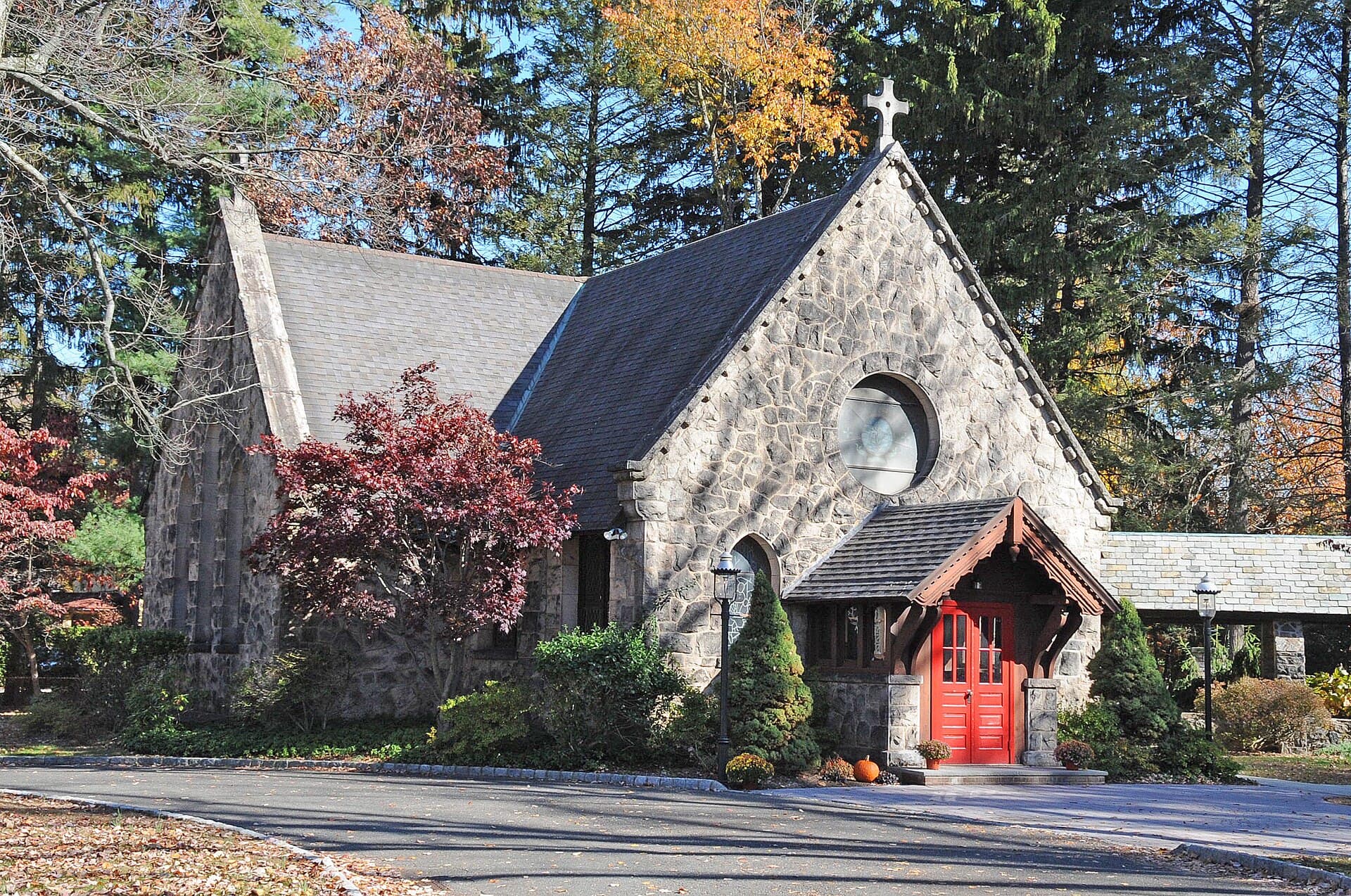
Preservation records add another layer to the building’s story. Roots and Recall identifies the 1903 church as a Gothic-style structure designed and built by architect Henry Tudor Farmer. The cost matched the county history’s estimate at $1,900, and the site gives the historic address as 519 South Main Street. The current Episcopal Diocese of South Carolina directory lists Church of the Holy Communion at 401 Main St N, PO Box 202, Allendale SC 29810-0202, and notes that the congregation is currently dormant.
That dormant listing does not mean the place has vanished from local use or memory. It means the building’s meaning has shifted from an active parish house to a site that still marks the downtown landscape, a distinction that matters in a town where so much of the older built environment has been remade by rail lines, county government, and later economic swings. The brick sanctuary remains one of the clearest physical links between the first mission members and the town that grew around them.
The records behind the pews
The congregation’s paper trail is unusually rich for a small-town church. ArchiveGrid lists Church of the Holy Communion records from 1874 to 1900, including a register of members, baptisms, confirmations, and communicants. Those records were copied from original material now held at the South Caroliniana Library at the University of South Carolina.
For family history, that register is as important as the building itself. It gives the church a documented life beyond architecture, with names and sacramental milestones that can trace households across generations in Allendale County. In a place where the town, county, and congregation all grew out of the same 19th-century railroad shift, that kind of record turns the church into a ledger of who stayed, who worshiped, and who helped build the place.
Still part of the county’s civic network
Even with the congregation listed as dormant, the property has remained part of diocesan life. In March 2021, the Southern Deanery held a food distribution at Church of the Holy Communion in Allendale, with multiple Episcopal churches taking part. That use shows the site still functions as a gathering point inside a wider church network, not just as a preserved shell.
That is why Holy Communion matters in Allendale County now as much as it did when the mission began in 1847. The church traces the town’s move from scattered meeting places to a defined downtown, from shared worship space to a Gothic brick sanctuary, and from a mission church to a parish with a documented record that survives at the South Caroliniana Library. In a county where railroads, county lines, and downtown itself have repeatedly shifted the center of gravity, the church remains one of the few places where those changes are all still visible in the same block.
This article was produced by Prism’s automated news system from verified source data, official records, and press releases, then run through automated quality and moderation checks before publishing. The system is built and supervised by the people who set the standards it runs under. Read our full AI policy.
Did this article answer your question?