Swallow Savannah Cemetery traces Allendale County church roots to 1815
Swallow Savannah Cemetery still links Allendale families to a Methodist congregation that began around 1815, and its graves preserve church and county memory side by side.
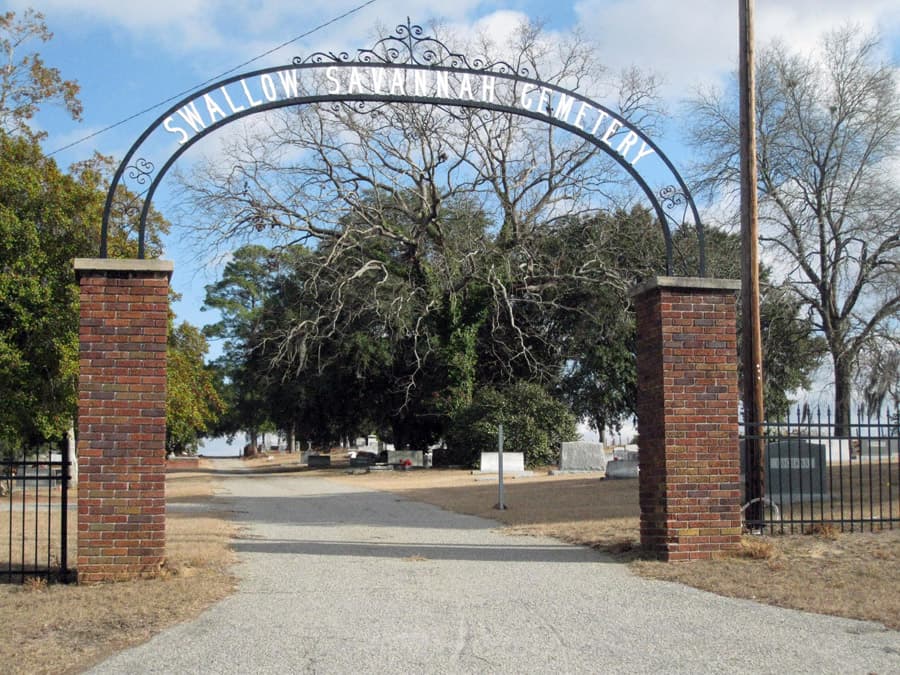
Swallow Savannah Cemetery is more than an old burial ground. Its graves, church records, and family lines still tie Allendale County residents to a Methodist congregation that began around 1815 and kept adapting as the community moved toward town. What stands out today is not just age, but continuity: the same place that began as a rural worship site still holds the names, customs, and church ties many local families recognize.
Church roots in a log house
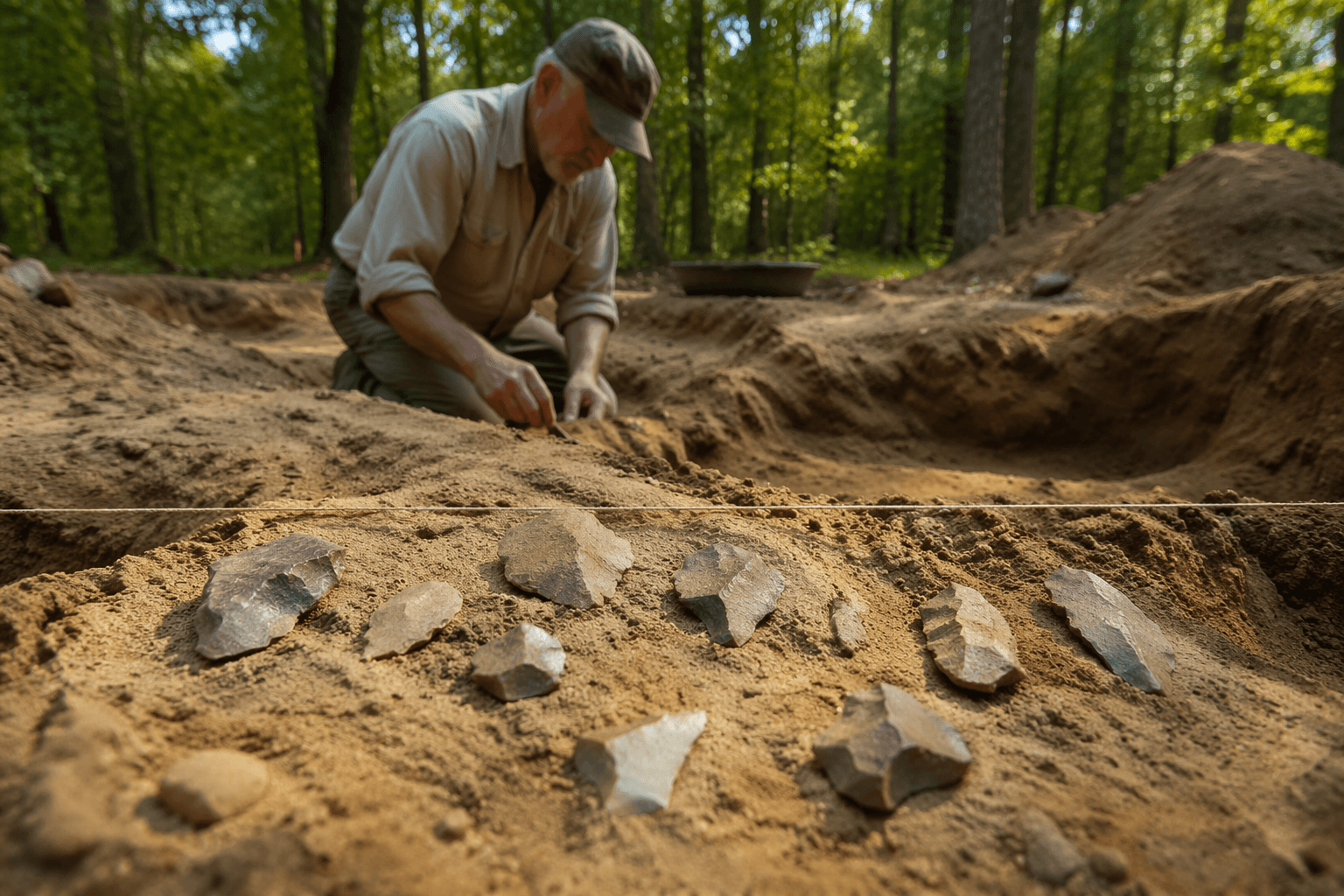
Swallow Savannah Methodist Church was first organized around 1815, when members met in a log house near a body of water called Swallow Savannah. The county’s historic-site page says the place likely took its name from the many swallows that gathered there, and local-preacher tradition says John McFail was likely instrumental in the church’s organization. The South Carolina historical marker text puts the founding in the same early period, describing a congregation meeting in a log house about 2 miles south of the later site.
The church’s early land history also helps explain why the cemetery matters. The marker text says title to the site was conveyed in 1849 by William I. Mixon, and additional land was given by Thomas H. Willingham in 1882. Those transfers show the congregation’s move from a loose frontier gathering to a more settled church community with a defined place in the county landscape.
How worship moved, but burials stayed
Members began worshiping at the cemetery site in 1848 after a church was dedicated on land donated by Dr. Cornelius Ayer. That shift marks the beginning of the cemetery’s deeper role in local life: the church body was rooted in one place, but the burial ground became the lasting anchor. Around 1890, the congregation moved to the town of Allendale, yet it continued to use the cemetery for burials, keeping the old site active even as worship followed population toward town.
The cemetery’s next chapter shows how the community chose to preserve order and memory rather than let the ground drift into neglect. In 1894, a cemetery committee was elected and a survey formalized the burial plots, turning family memory into mapped ground. Four years later, in 1898, a chapel was built at the cemetery using materials from the old church building, a practical decision that also carried the old congregation into the new burial landscape.
A community burying ground, not a closed family plot
The county’s cemetery page makes clear that Swallow Savannah has expanded over the years and includes both church members and non-members alike. That detail matters, because it places the cemetery in the larger history of Allendale County rather than in a single family line. It is a community burying ground, one that reflects the county’s habit of sharing sacred space across generations, kinship networks, and church membership.
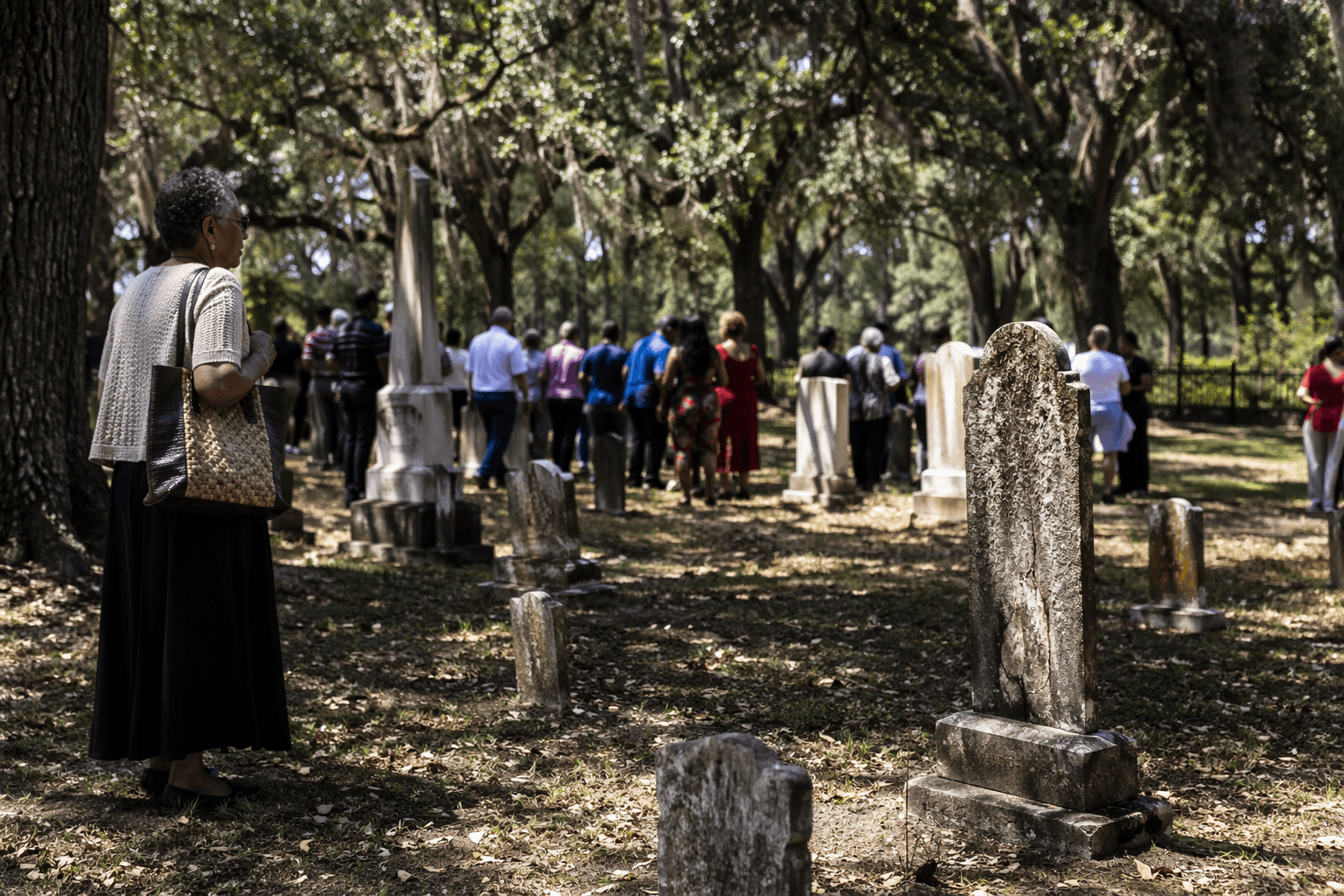
That broad use helps explain why genealogy researchers and local families keep returning to it. Find a Grave lists 1,516 memorial records at Swallow Savannah Cemetery, while PeopleLegacy lists 1,410 burial records. Those two databases do not define the cemetery, but they do show how many names are now attached to the site in public memory, and how many families can still trace someone back to these grounds.
- church ties that reach back to the early 1800s
- burial plots formalized in 1894
- a chapel built from the old church building in 1898
- memorial listings that continue to grow as families and researchers add names
For people looking through family lines, the cemetery is part of a living record that includes:
Records, markers, and the work of preservation
Swallow Savannah’s story does not sit only in the cemetery itself. FamilySearch catalogs Swallow Savannah Methodist Church records from 1856 to 1889, including minutes, accounts, wills, a list of pastors, a list of members, history, and other miscellaneous records. That kind of church record can connect names in the cemetery to baptisms, marriages, financial decisions, and the everyday administration of a congregation that shaped local life long before modern county institutions took form.
The public record has also been strengthened by the South Carolina Historical Marker Program, which was established in 1936. That statewide program helps place Swallow Savannah within a broader effort to mark and preserve South Carolina’s historic sites, while the South Carolina Department of Archives and History says historic cemetery preservation depends on individuals and organizations committed to local history and culture. In Allendale County, that work is carried forward locally by the Allendale County Historical Society.
Why the site still matters in Allendale County
The Allendale County Historical Society was founded in 2005, says it is served by a board of eight residents, and continues to meet publicly. Its decision to schedule a meeting at Swallow Savannah Methodist Church on January 21, 2025, shows how closely preservation remains tied to the living church community, not just to archival work. The society says it is dedicated to preserving the things that make Allendale special, and Swallow Savannah fits that mission because it links church history, burial customs, and family identity in one place.
That is what makes Swallow Savannah Cemetery so important to the county now. It keeps visible the route from a log-house congregation around 1815 to a burial ground still used after the church moved to Allendale, and it preserves the names of people who shaped the area before most of its modern institutions existed. For Allendale County, the cemetery is not only where history is buried, but where it remains traceable.
This article was produced by Prism’s automated news system from verified source data, official records, and press releases, then run through automated quality and moderation checks before publishing. The system is built and supervised by the people who set the standards it runs under. Read our full AI policy.
Did this article answer your question?