Apache County Projects $301.5M in FY2027 Revenue, Including New Forest Carbon Funds
Navajo Nation projects $301.5M in FY2027 revenue, banking $5.5M on a new Forest Carbon Enterprise while 30% of chapter families still haul their daily water.
The Navajo Nation's Budget and Finance Committee convened a special session with the Executive Branch on Saturday, setting a $301.5 million revenue projection for fiscal year 2027 that includes $5.5 million from a Forest Carbon Enterprise that made its debut payment to the Nation just 16 days earlier.
That inaugural payment, $8.32 million from carbon credit buyer Anew Climate on March 19, gave the Navajo Nation its first return from the Forest Carbon Project, which generates revenue by monetizing the carbon sequestration capacity of Navajo forestlands. The FY2027 projection of $5.5 million represents the committee's estimate of what that young revenue stream, after set-asides, will contribute to the Nation's general finances in the coming year.
The joint session, involving both the legislative committee and the Executive Branch, underscored how central these projections are to the administration's budget strategy as broader economic challenges cloud the fiscal outlook. The $301.5 million figure, calculated after set-asides, will now serve as the baseline from which each department and program budget is built during the FY2027 appropriations process.
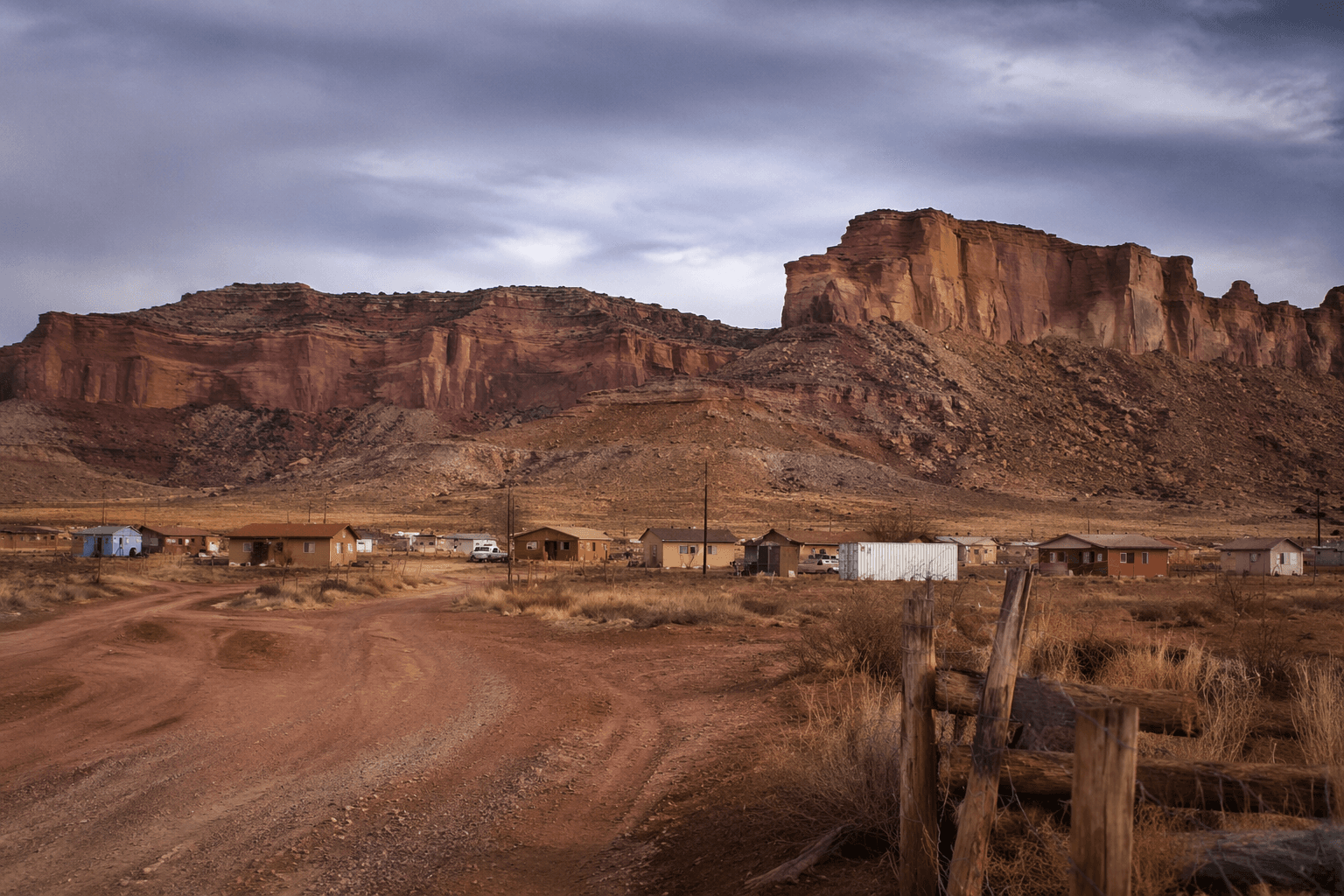
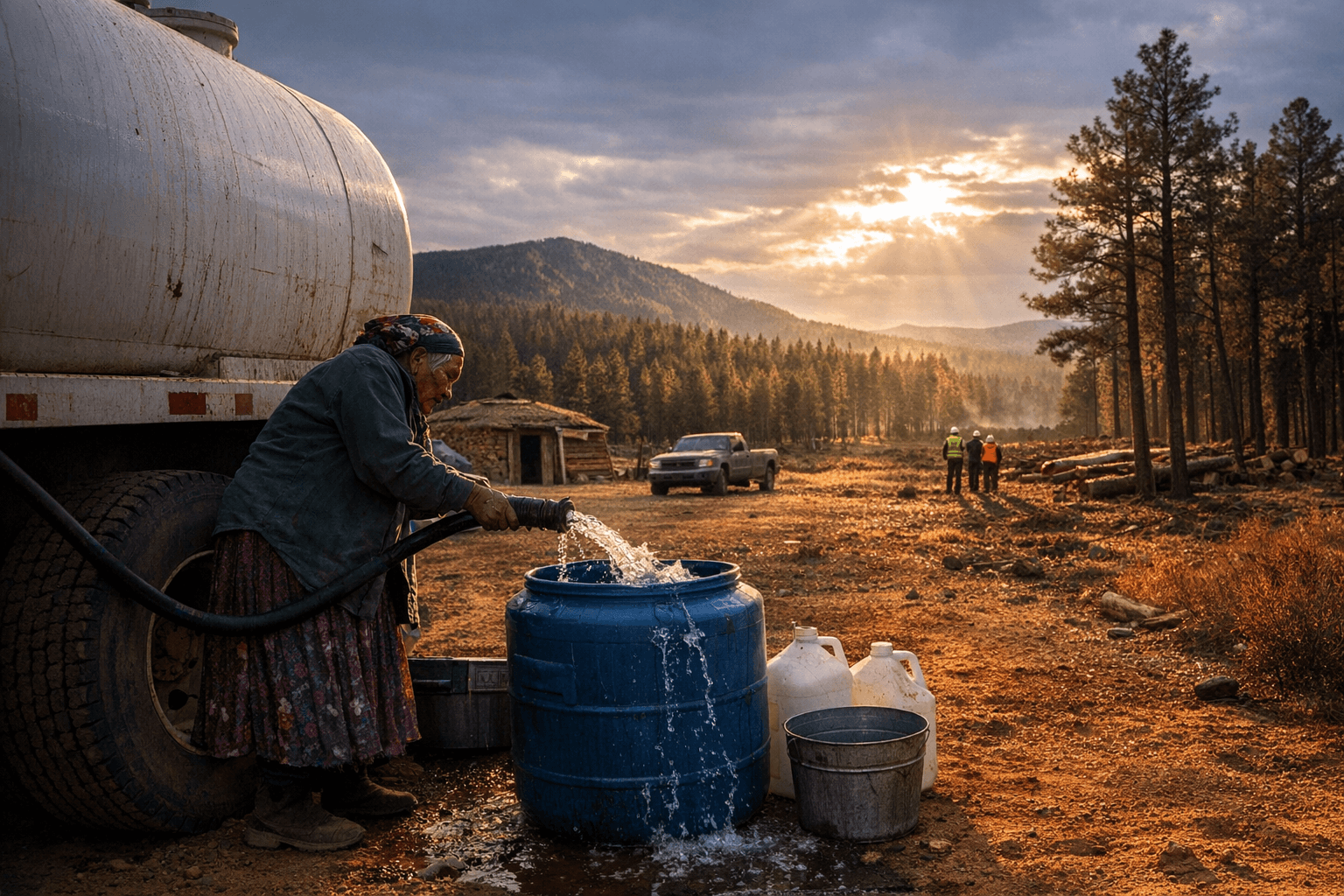
In Apache County, where Navajo Nation chapter governments administer some of the most remote and underserved communities in the Southwest, a budget projection carries weight only if it reaches chapter doors as funded services. Roughly 30 percent of families across the Navajo Nation still lack running water at home, depending instead on water hauling: driving miles to fill barrels that must stretch across drinking, cooking, and bathing for an entire household. Infrastructure deficits in housing and public safety compound those conditions across chapter communities throughout the county.
The Forest Carbon line item introduces a variable that prior Navajo Nation budgets did not carry. Carbon credit markets shift with commodity prices and federal regulatory conditions, and projecting $5.5 million from a program that completed its first-ever transaction in mid-March 2026 creates exposure that budget planners will need to account for as the process advances. What specific assumptions underpin that estimate, and what contingencies exist if carbon revenues fall short, remain questions the committee has not yet publicly addressed.
The Budget and Finance Committee holds oversight responsibility for enterprise financial performance and fiscal compliance across tribal programs, giving it authority to press the Executive Branch on both revenue assumptions and the spending priorities those revenues are meant to support. As the FY2027 process moves toward formal appropriations, the test will be whether carbon credit receipts written into a Window Rock projection translate into funded water lines, housing projects, and public safety resources at the chapter level, or whether the gap between projection and delivery extends into another budget year.
This article was produced by Prism’s automated news system from verified source data, official records, and press releases, then run through automated quality and moderation checks before publishing. The system is built and supervised by the people who set the standards it runs under. Read our full AI policy.
Did this article answer your question?