Apache County's 211-Mile Stretch Highlighted During National County Government Month
At 211 miles, Apache County is the longest county in the U.S., a distinction that turns school bus routes, EMS response, and courthouse access into daily logistical challenges.
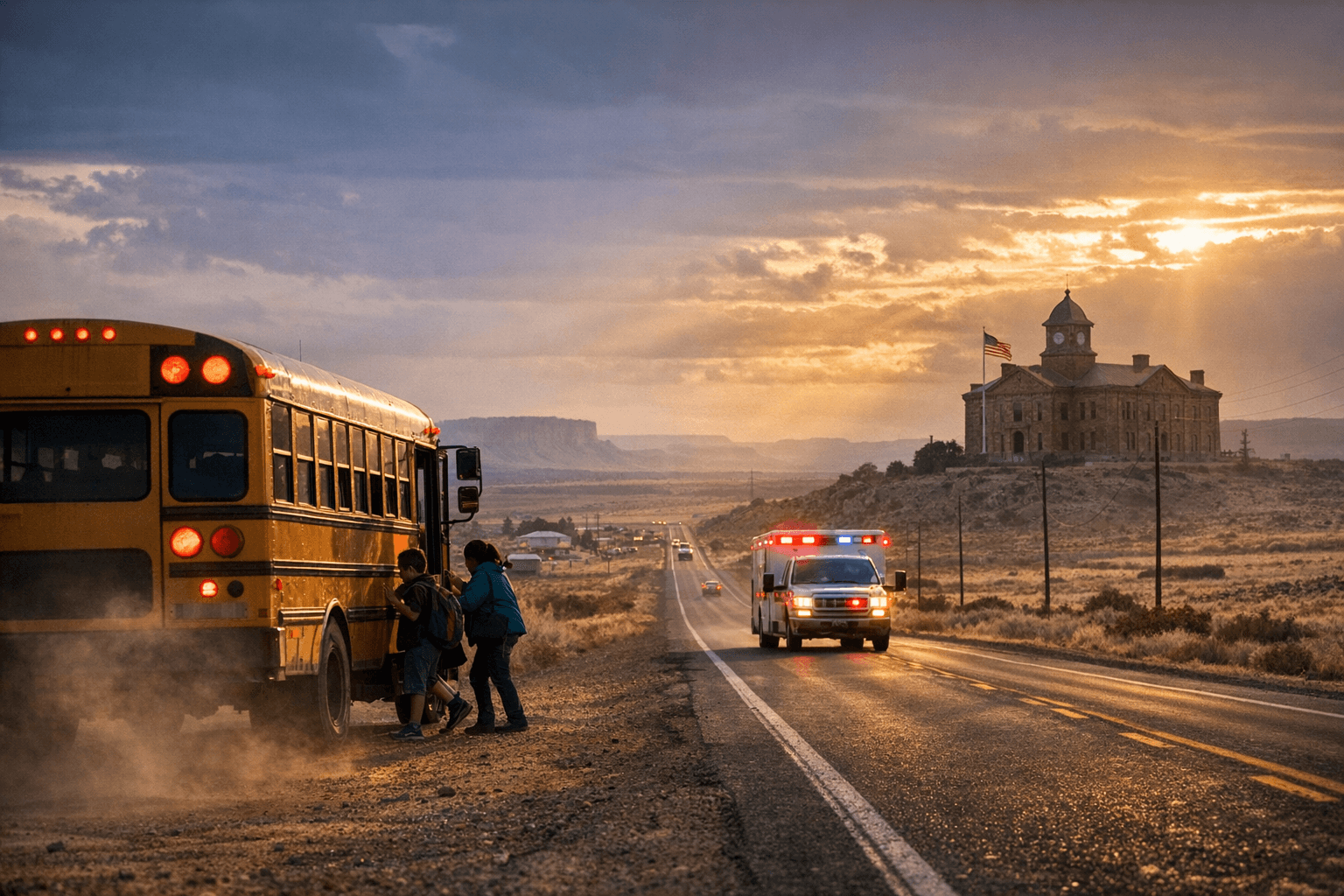
Apache County's 70,000 residents live in the longest county in the United States, and the drive from the Utah-border communities to the county seat in St. Johns illustrates exactly what that means: well over 100 miles of canyon country, high desert, and mountain terrain separating residents from the courthouse, the county recorder, and the other services that most Arizonans reach in minutes.
The Arizona Counties Association spotlighted that 211-mile span this April as part of National County Government Month, organized annually by the National Association of Counties to strengthen connections between county governments and the people they serve. In Apache County, bridging that connection requires crossing terrain that no other county government in the country has to account for.
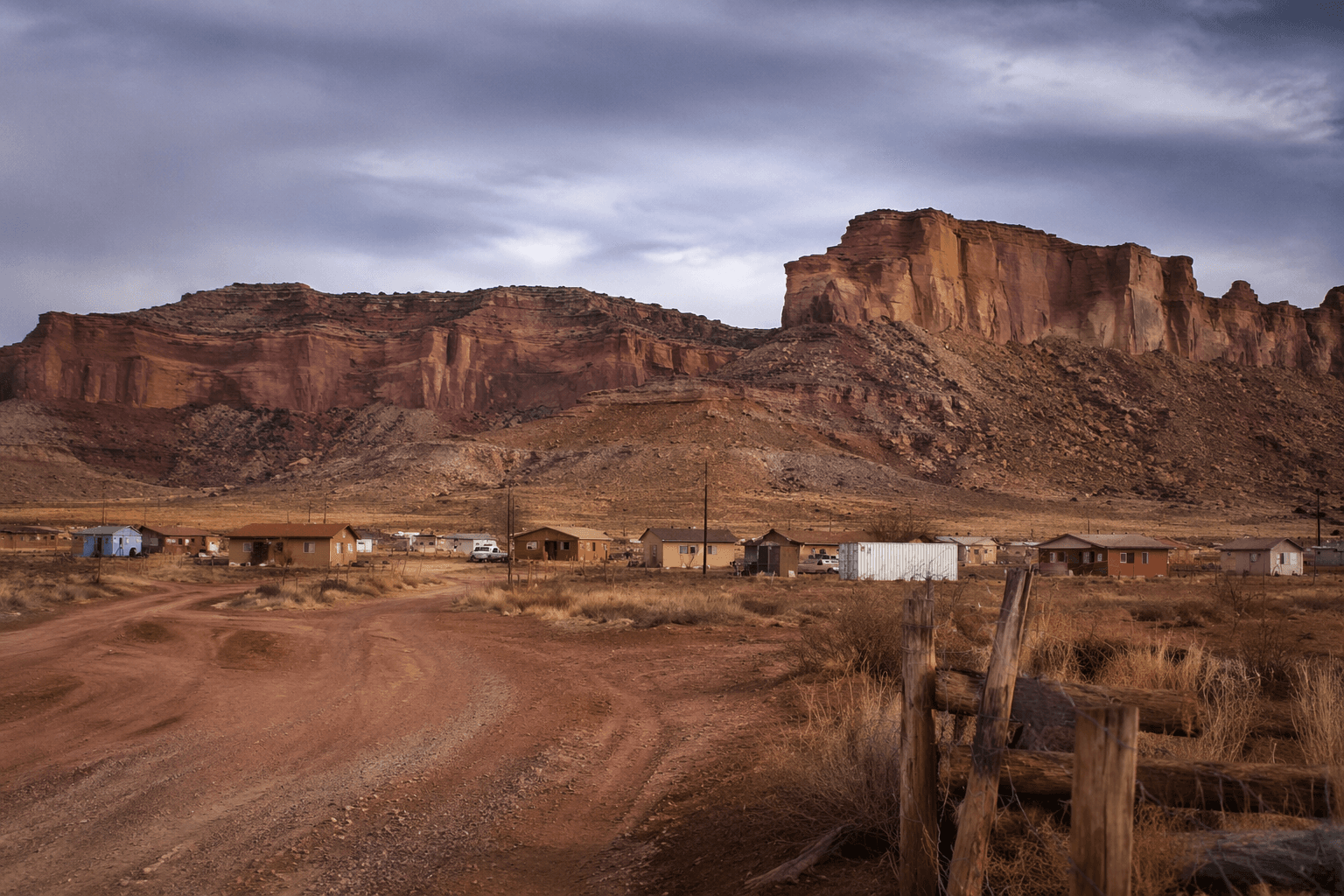
The county's roughly 70,000 residents are spread across 11,218 square miles, more than two-thirds of them living within the Navajo Nation. The major population centers tell the story: Chinle anchors the northern stretches near Canyon de Chelly, Ganado sits in the middle, and Window Rock and Fort Defiance cluster in the south, each separated from the others by dozens of miles of road with no fast alternative. For communities near the Four Corners, where the Utah state line forms Apache County's northern boundary, reaching St. Johns for a Superior Court appearance or an in-person records request means committing most of a day to travel.
School districts absorb the geography in ways that show up directly in budgets. Chinle Unified School District serves students spread across the canyon country of the county's northern half, running bus routes through terrain that winter storms can make impassable. Round Valley Unified, centered in the Springerville and Eagar area, operates similarly across the county's eastern edge. When northern and southern Apache County schools meet in athletic competition, student athletes can spend as many hours traveling as competing, and the fuel and driver costs fall on rural districts already working with constrained resources.
Emergency medical services operate under the same conditions. Apache County holds no geographic exemption for a cardiac call in Mexican Water near the Utah line versus one near Alpine, a census-designated place of 145 people at the county's southern tip. Those two points sit at opposite ends of a single jurisdiction, and the response time between them cannot be legislated shorter.
Apache County Supervisor Shepherd, who serves as president of the County Supervisors Association of Arizona, met with Governor Katie Hobbs in late March alongside other county supervisors to discuss legislative priorities heading into the spring session. The 211 miles the county spans did not shorten in that meeting, and the questions of how much coverage current county staffing can realistically provide, and where the gaps remain, are ones the Arizona Counties Association's spotlight this month does not yet answer.
This article was produced by Prism’s automated news system from verified source data, official records, and press releases, then run through automated quality and moderation checks before publishing. The system is built and supervised by the people who set the standards it runs under. Read our full AI policy.
Did this article answer your question?