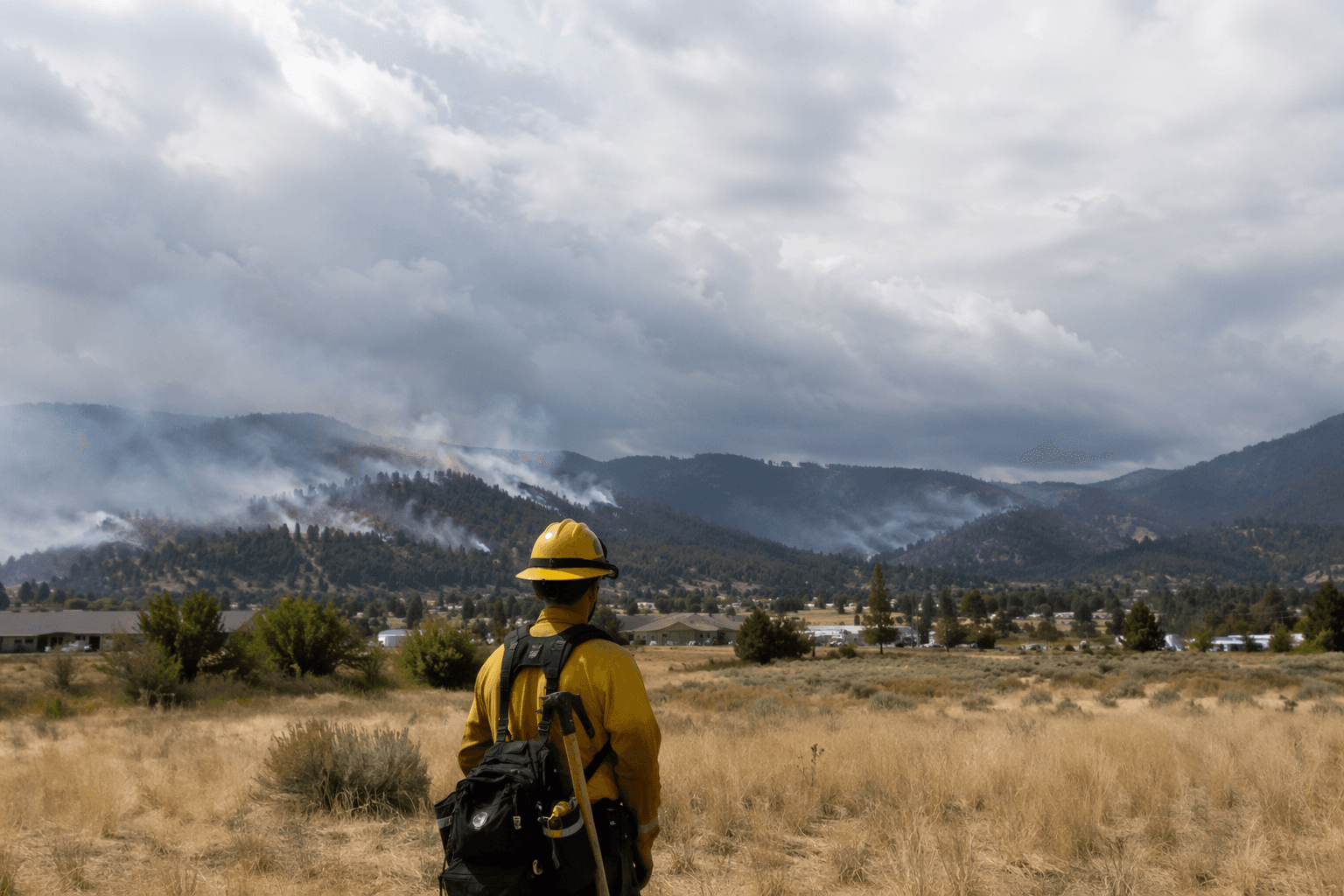
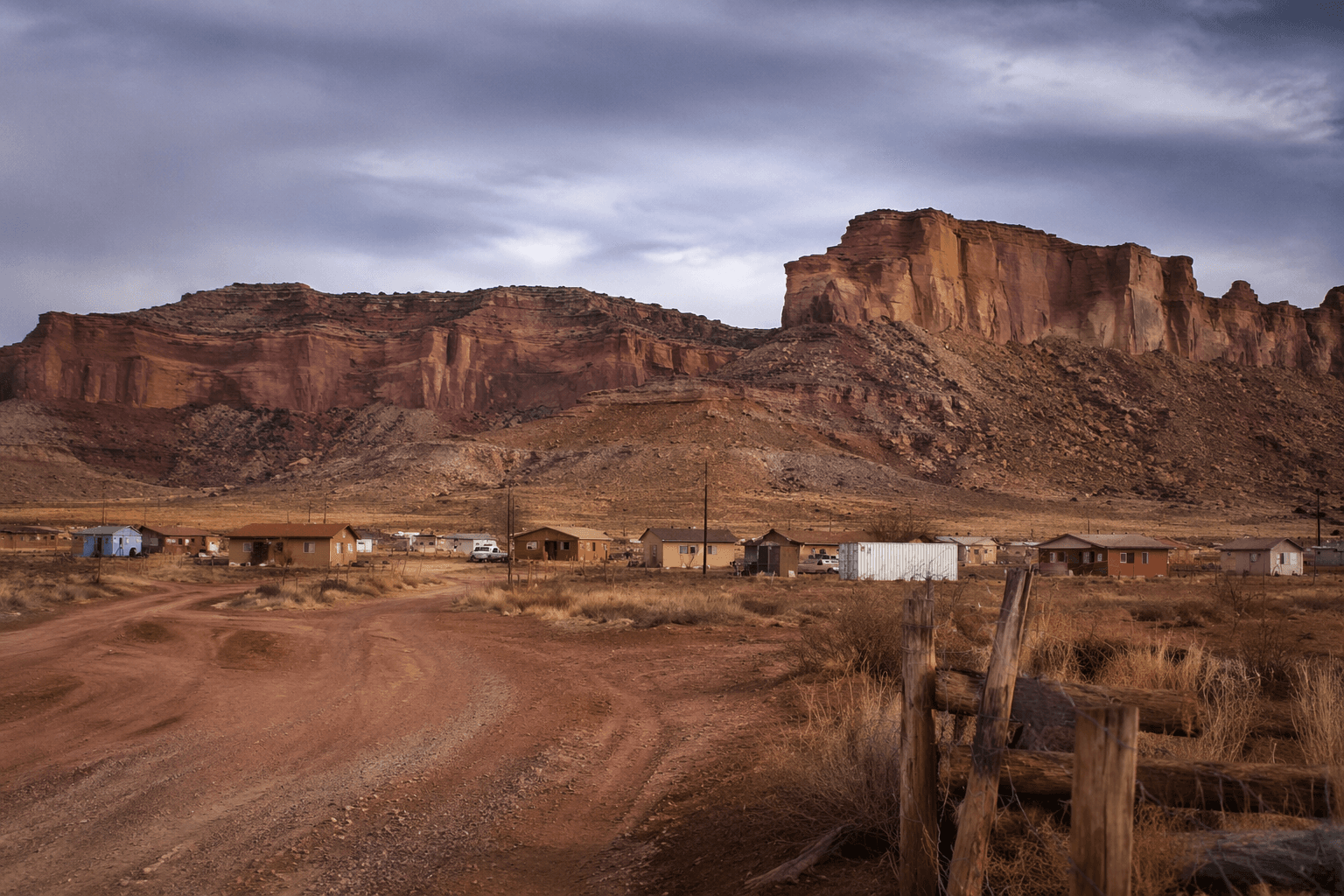
Navajo Nation Approves $6 Million for Chapter Emergency Assistance Programs
Navajo Nation President Buu Nygren signed a $6M emergency fund giving Apache County chapters like Chinle and Ganado direct spending authority before the next storm hits.
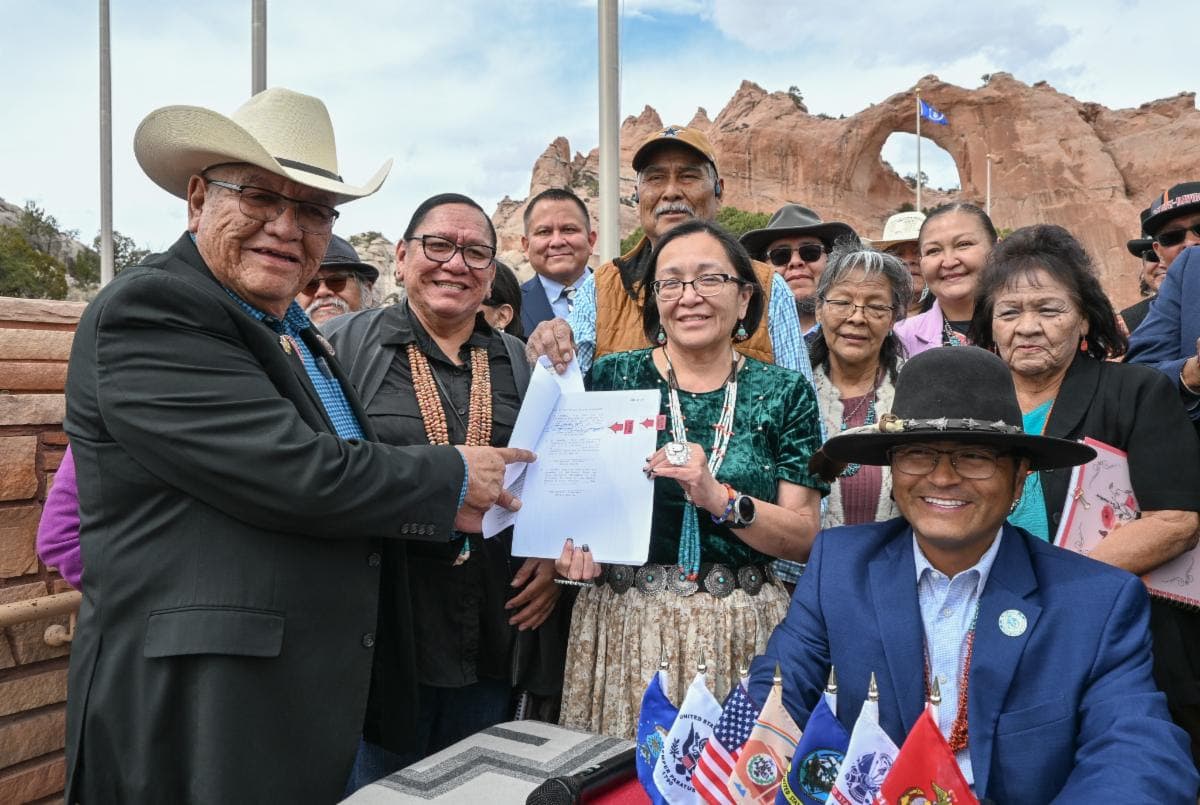
Navajo Nation President Dr. Buu Nygren signed Resolution CMA-20-26 on April 2, placing $6 million from the Nation's unreserved tribal fund balance directly into the hands of chapter governments — including Chinle, Many Farms, Lukachukai, Ganado, and Tsaile-Wheatfields in Apache County — to cover emergency costs without waiting for centralized Window Rock disbursements.
The legislation, sponsored by Council Delegate George H. Tolth and advanced by the 25th Navajo Nation Council in a special session on March 19, distributes the money across all 110 chapters using a 50/50 formula that splits funding equally between a flat per-chapter base and a population weight tied to registered voter counts. That math routes $799,209 to the 15 chapters of Chinle Agency and $1,481,039 to Fort Defiance Agency, the two agencies whose jurisdictions cover the bulk of Apache County's Navajo Nation communities. At the Chinle Agency level alone, the average chapter share comes to roughly $53,000 — a modest but immediately deployable pool for a chapter president who needs to move fast after a flash flood or an ice storm cuts off a cluster of households.
The hazards driving that need are well-documented across Apache County. Chapters like Tsaile-Wheatfields and Lukachukai, perched above 7,000 feet in the Chuska Mountains, face road closures and utility failures every winter. Many Farms and Nazlini sit in low drainage areas where summer monsoon flooding has repeatedly isolated residents for days at a time. Round Rock and Tachee-Blue Gap deal with high-wind events that down power lines serving homes with no alternative heat source. Under the new law, chapter officials can deploy funds against exactly those conditions: emergency food and fuel delivery, temporary shelter costs, small utility repairs, and transportation for elders who cannot wait for a federal or tribal bureaucratic process to complete.
"This legislation represents the strength of our chapters working together and the importance of listening to our elders," Delegate Tolth said at the April 2 signing ceremony, where Navajo Nation leadership, chapter officials, and community members gathered in Window Rock. Tolth developed the measure through multi-chapter collaboration, a process his office described as designed to ensure resources go where cultural and geographic need is greatest.
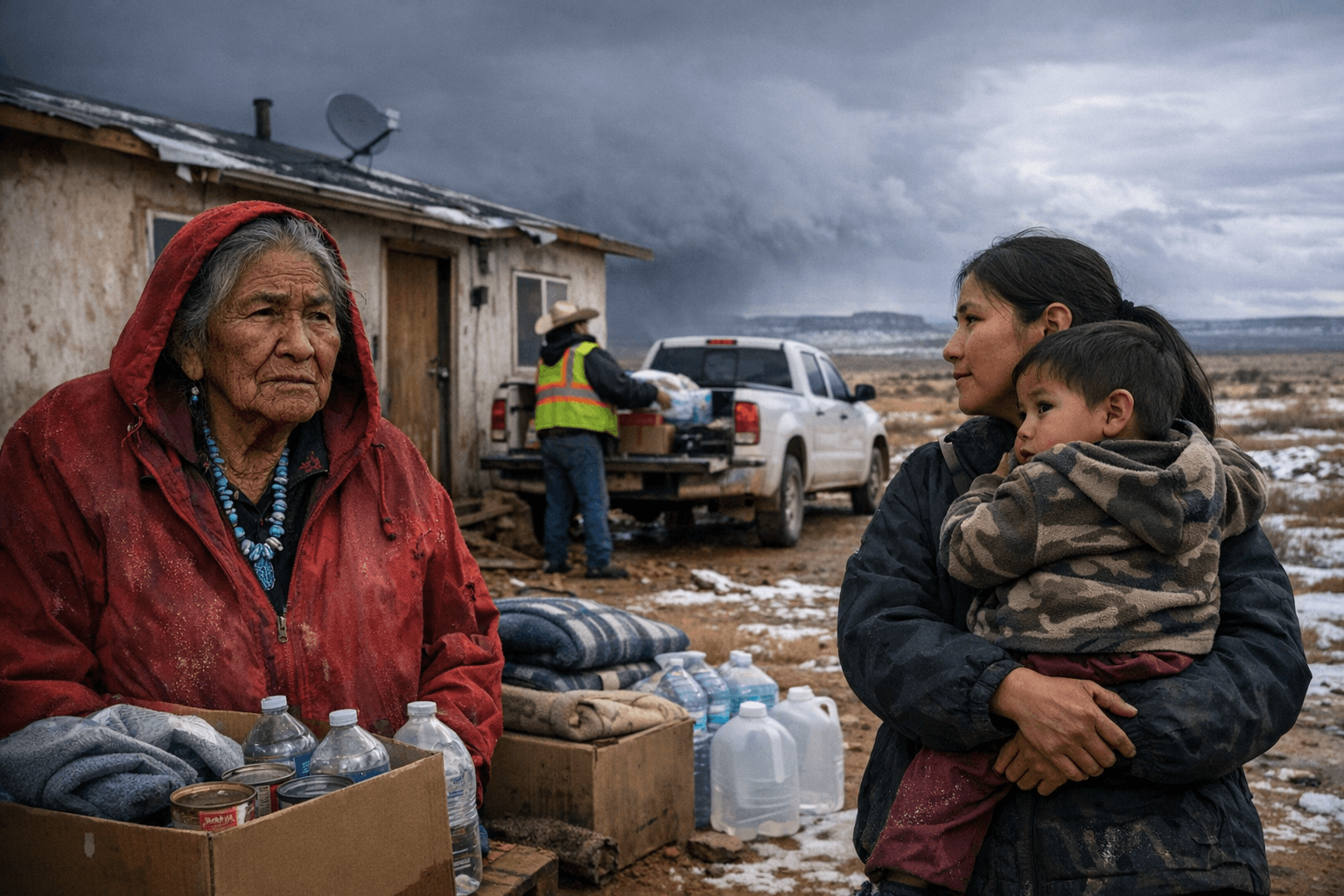
The funding draws from the Navajo Nation's Unreserved, Undesignated Fund Balance, a discretionary reserve that the Council has increasingly tapped for near-term, high-impact spending as larger debates over ARPA deadlines and the FY2026 budget continue. The resolution waives certain procurement provisions to accelerate access, a move that observers say is essential given that slow administrative timelines have historically undermined emergency relief in remote areas.
The accountability gap is the factor to watch. Chapters will need clear procedural guidance from Navajo Nation administrative offices on documentation standards before the first check clears, and residents in Chinle or Ganado who seek help after a storm will need a direct point of contact at their chapter house to make a claim. Chapter presidents and emergency coordinators are the frontline implementers of CMA-20-26; how quickly they receive that guidance from Window Rock will determine whether the $53,000 average reaches households within days of an incident or sits unspent through bureaucratic delay. Residents should monitor their chapter's official notice boards and the Office of the President and Vice President's website for disbursement instructions and eligibility criteria as the fiscal year continues.
This article was produced by Prism’s automated news system from verified source data, official records, and press releases, then run through automated quality and moderation checks before publishing. The system is built and supervised by the people who set the standards it runs under. Read our full AI policy.
Did this article answer your question?