Casa Malpais reveals ancient Mogollon village built on volcanic basalt
Casa Malpais rises on a Springerville basalt flow, where visitors find a great kiva, 60 rooms, a solar calendar and rock art. Guided tours run March through November.
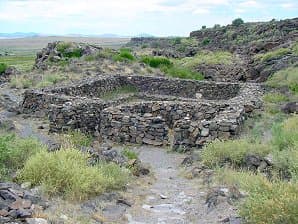
Casa Malpais rises out of basalt above Springerville, where a late Mogollon village took shape on a lava flow from the Springerville volcanic field about A.D. 1260. The site holds roughly 60 ground-floor rooms, a great kiva, an ancient staircase, a solar calendar and rock art. It is also a National Historic Landmark tied to ancestors of modern Zuni and Hopi people.
Archaeology Southwest places the village at the edge of a shield volcano overlooking modern Springerville, on a terrace of volcanic basalt called malpais. The settlement was built over volcanic fissures that opened usable underground spaces, giving Casa Malpais a layout shaped as much by geology as by architecture. National Register records list the Casa Malpais Site in Apache County near Springerville and date it to the prehistoric period from 1250 to 1325.
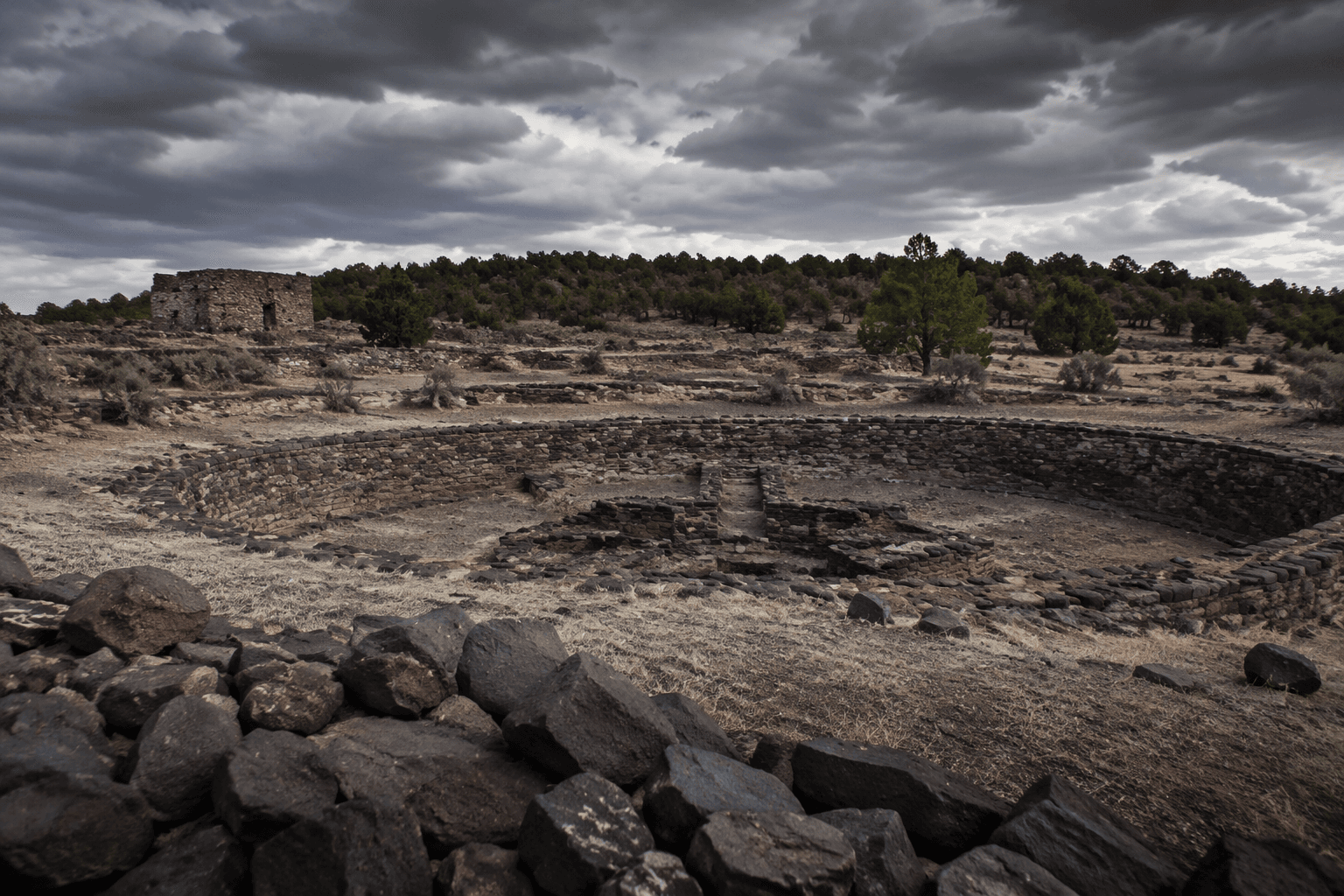
Visitors start at the museum, where an introductory video includes commentary by Zuni and Hopi elders, along with an interactive guide to artifacts recovered from the site. The archaeological park is toured by guided tour rather than by wandering on your own, and the walk covers about three-quarter mile in roughly two hours over steep, rocky surfaces. That makes the site as much a preserved heritage landscape as a sightseeing stop.
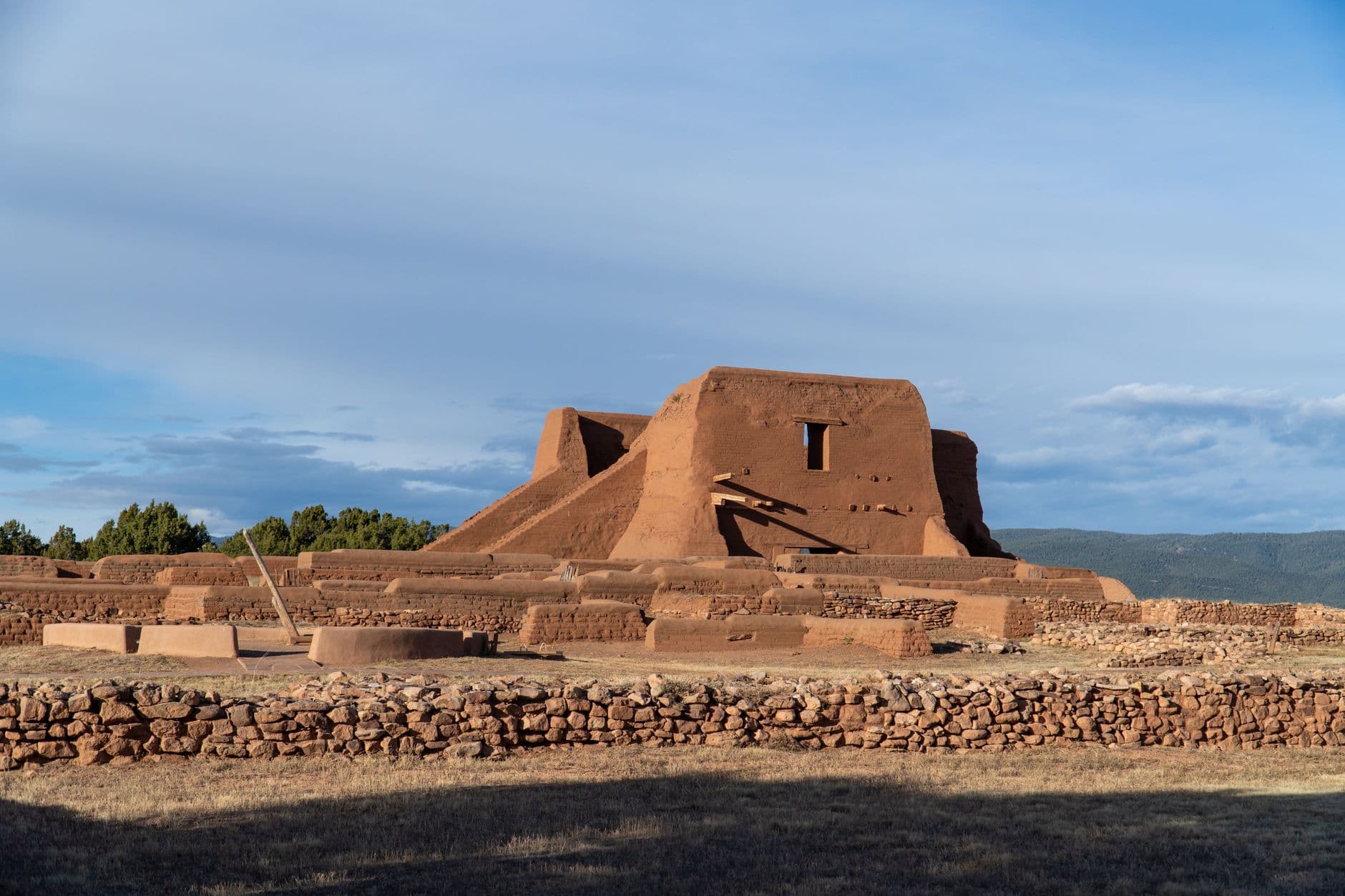
Tours typically run from March through November, Tuesday through Saturday, with departures at 9:00 a.m. and 1:00 p.m., weather permitting. The museum is listed as open Monday through Saturday from 8:00 a.m. to 4:00 p.m., giving Apache County a destination that combines archaeology, geology and cultural interpretation in one stop.
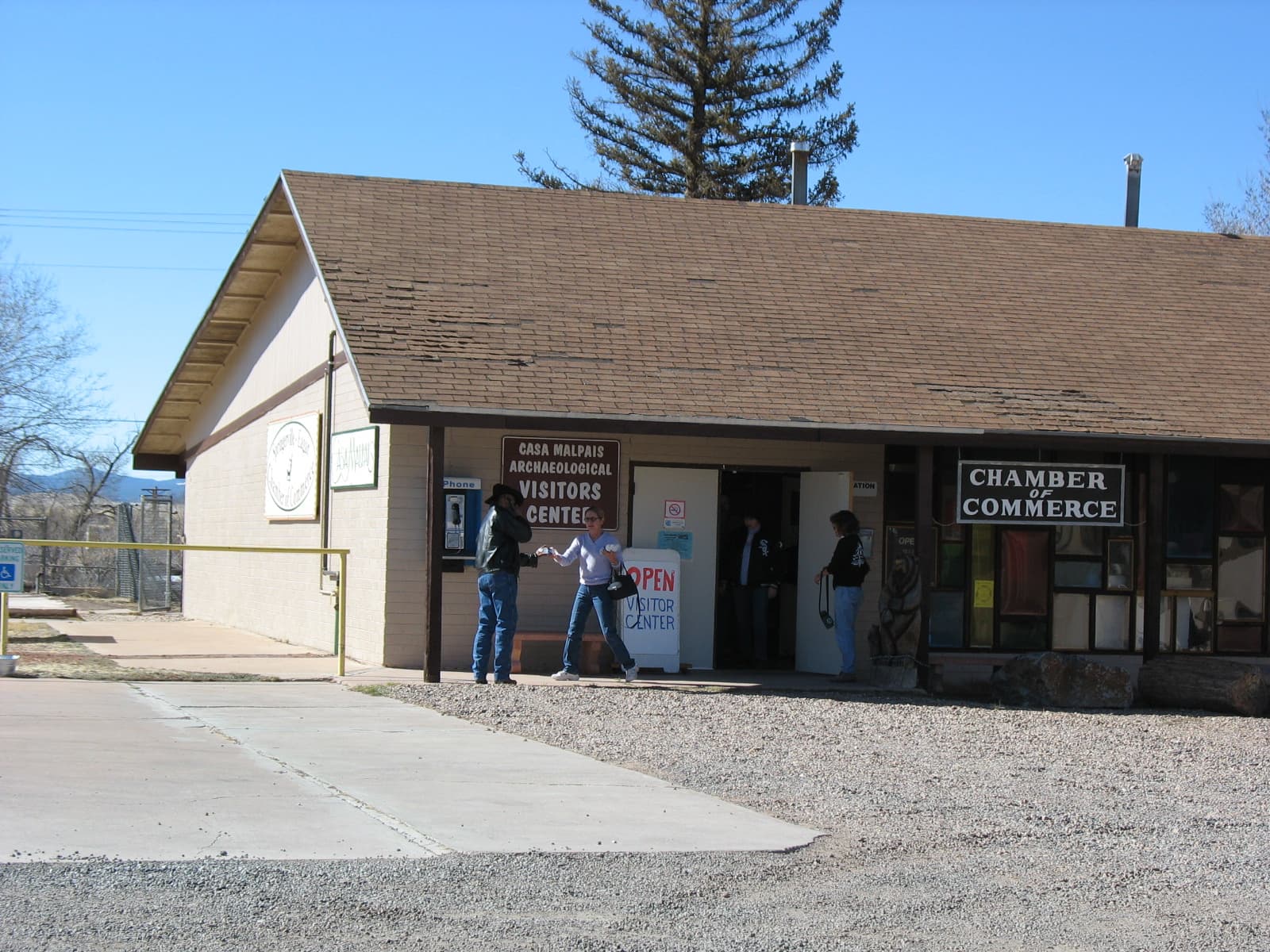
Archaeology Southwest places Casa Malpais alongside Kinishba as part of a broader pattern of ancestral Zuni and Hopi plaza-focused towns built across the Salt River-Little Colorado River watershed divide between about 1200 and 1400. That comparison puts the Springerville site in the wider Jornada Mogollon region, but its basalt setting, fissures and preserved structures make Casa Malpais one of Apache County’s most distinct places to learn how ancient people built with the land itself.
This article was produced by Prism’s automated news system from verified source data, official records, and press releases, then run through automated quality and moderation checks before publishing. The system is built and supervised by the people who set the standards it runs under. Read our full AI policy.
Did this article answer your question?